YUCA 105
On Washington Avenue in Miami Beach's South of Fifth corridor, YUCA 105 represents a direction in Florida dining where sourcing transparency and environmental accountability shape the menu as much as technique. The address places it among a cluster of neighborhood restaurants rethinking how Cuban-Caribbean influences translate to a sustainability-conscious format in 2024.
 Discover on Pearl
Pearl is the En Primeur Club membership app — saves, bookings, and concierge access live there. Same editors, same standards.
- Address
- 1555 Washington Ave, Miami Beach, FL 33139
- Phone
- +17865773500
- Website
- yuca105.com
Washington Avenue and the Question of Conscience
Washington Avenue runs the full length of Miami Beach like a second spine, less glamorous than Ocean Drive but more functional, more local, and increasingly more interesting for serious dining. The blocks south of Fifth Street have attracted a cohort of restaurants that operate with less performance and more discipline than their counterparts on the beachfront strip. YUCA 105, at 1555 Washington Ave, is a Cuban-Peruvian Fusion restaurant in Miami Beach with a recommended reservation policy and a price tier of about $50 per person.
The broader shift happening along this corridor mirrors a wider pattern in American dining: the move toward sourcing accountability as the organizing principle. Restaurants from Blue Hill at Stone Barns in Tarrytown to Single Thread Farm in Healdsburg have demonstrated that a farm-to-table ethics, when genuinely implemented, produces menus that change with the season and waste far less than conventionally supplied kitchens. YUCA 105 operates in a Miami context where that philosophy intersects with the Caribbean-Latin pantry, an intersection that remains less explored than its West Coast or Northeast equivalents.
The Sustainability Frame in South Florida Dining
Florida's geography makes ethical sourcing both easier and harder than in most American states. The growing season is essentially year-round, which removes one of the standard excuses for over-reliance on industrial supply chains. At the same time, South Florida's restaurant industry is heavily tourist-dependent, which has historically pushed menus toward safe, broad-appeal formats rather than ingredient-led specificity.
The restaurants that push against that tendency tend to cluster in neighborhoods where local clientele rather than tourist foot traffic dominates. Washington Avenue's southern stretch is one such pocket. Nearby venues like Alma Cubana and Amalia demonstrate that there is appetite in this part of Miami Beach for cooking that draws on Caribbean and Latin roots while operating at a level of intention beyond the tourist-district standard. YUCA 105 occupies a position within that emerging cluster.
Nationally, the restaurants that have most credibly threaded sustainability into their core identity are not necessarily the ones with the loudest marketing. Providence in Los Angeles built its reputation for responsible seafood sourcing over years before it became industry conversation. Le Bernardin in New York City has long engaged with ocean conservation as a structural concern, not a seasonal talking point. What those programs share is that the ethical commitment shows up in the purchasing ledger and the menu, not only in the brand language. That standard is the relevant benchmark for any Miami restaurant making similar claims.
Cuban-Caribbean Influence and the Seasonal Menu Problem
South Florida's Cuban and Caribbean culinary heritage presents a particular challenge for a sustainability-led format. Traditional Cuban cooking relies on a pantry that is partly tropical (plantains, yuca, citrus) and partly imported (certain dried goods, particular cuts of pork). The question any serious restaurant working in this tradition must answer is how to honor the flavor architecture of that cuisine while genuinely engaging with local and seasonal sourcing.
Summer in South Florida, roughly May through October, is the period when this pressure is most acute. Heat and humidity narrow the local produce window, tourist volume peaks, and restaurants serving Cuban-adjacent menus often fall back on the same industrially sourced ingredients they use year-round. The restaurants that maintain sourcing discipline through summer are the ones building a program with structural integrity rather than seasonal theater. That is the relevant test for any new entrant in this space, and it applies directly to what YUCA 105 is building at its Washington Avenue address.
For comparison, Lazy Bear in San Francisco treats the tension between heritage cooking and seasonal constraint as the creative problem, not an obstacle. Addison in San Diego has similarly made hyper-local sourcing the organizing principle of a menu that could easily default to safe Californian luxury. The approach is transferable to the South Florida context, and the Cuban-Caribbean pantry actually offers more latitude for seasonal variation than it might appear on first glance.
The Washington Avenue comparable set
Positioning matters in a dining neighborhood where the range runs from no-frills lunch counters to rooms with serious culinary ambitions. The relevant comparable set for YUCA 105 on Washington Avenue includes venues operating at the intersection of neighborhood accessibility and kitchen seriousness. 11th Street Diner anchors the casual, democratic end of the corridor. A Fish Called Avalon and a'Riva represent different registers of ambition on nearby blocks. In that context, a restaurant framing itself around sustainable sourcing and Caribbean-Latin cooking occupies a gap that the current lineup does not fully address.
Globally, the restaurants that have done the most to define what sustainability-conscious fine dining can look like include Alinea in Chicago, which has publicly engaged with waste reduction at operational scale, and The Inn at Little Washington in Washington, which converted its grounds to productive kitchen gardens. Emeril's in New Orleans has a longer history of engaging with Gulf Coast sourcing in ways that connect restaurant purchasing to regional fishing community economics. These are not direct comparators to a Miami Beach neighborhood restaurant, but they define the credibility markers against which any sustainability claim in American dining is now measured. Atomix in New York City and 8 1/2 Otto e Mezzo Bombana in Hong Kong demonstrate how a defined culinary identity can carry significant weight in competitive markets without relying on environmental framing at all, which is a useful reminder that the sustainability story only becomes a genuine differentiator when the cooking itself is strong enough to make the claim credible.
Comparable Venues
Comparable venues nearby, for context on price, style, and recognition.
| Venue | Cuisine | Price | Notes |
|---|---|---|---|
| YUCA 105This venue — the venue you are viewing | Cuban-Peruvian Fusion | $$$ | |
| The Place 720 | Casual Italian Seafood Fusion | $$$ | Flamingo / Lummus |
| Osteria del Mar | Italian Coastal with American Influences | $$$ | South Beach |
| Baia Beach Club Miami | Mediterranean Coastal | $$$ | South Beach |
| Mercato Di Mare - Ocean Drive | Art Deco Italian Seafood | $$$ | South Beach |
| Avalon By Day | Modern American Seafood Brunch | $$$ | South Beach |
Continue exploring
More in Miami Beach
Restaurants in Miami Beach
Browse all →
Bars in Miami Beach
Browse all →

At a Glance
- Trendy
- Elegant
- Lively
- Date Night
- Group Dining
- Special Occasion
- Craft Cocktails
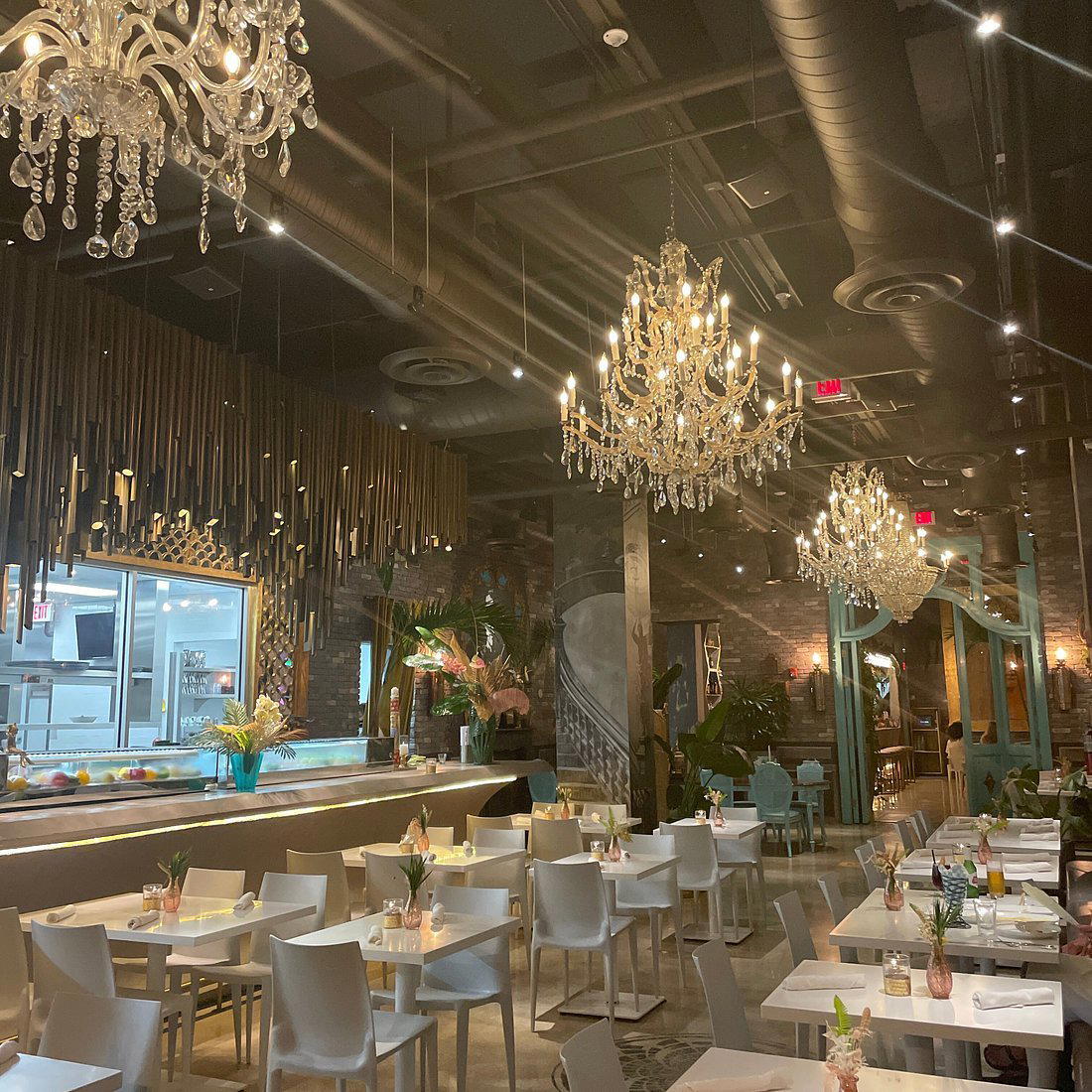
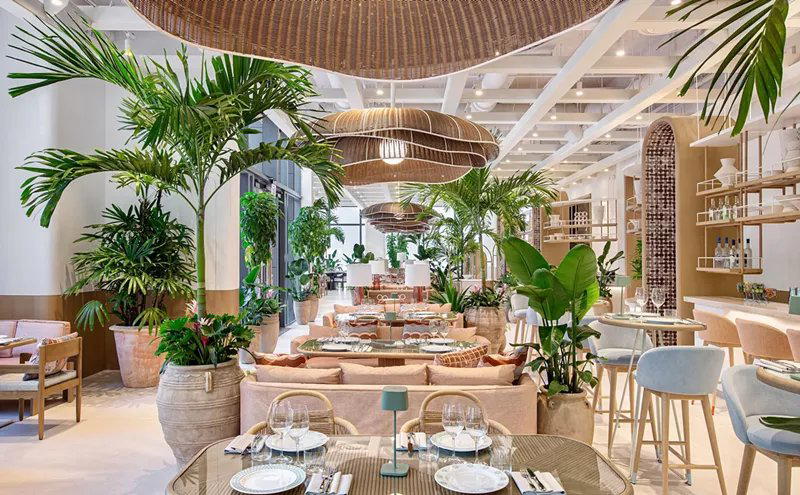
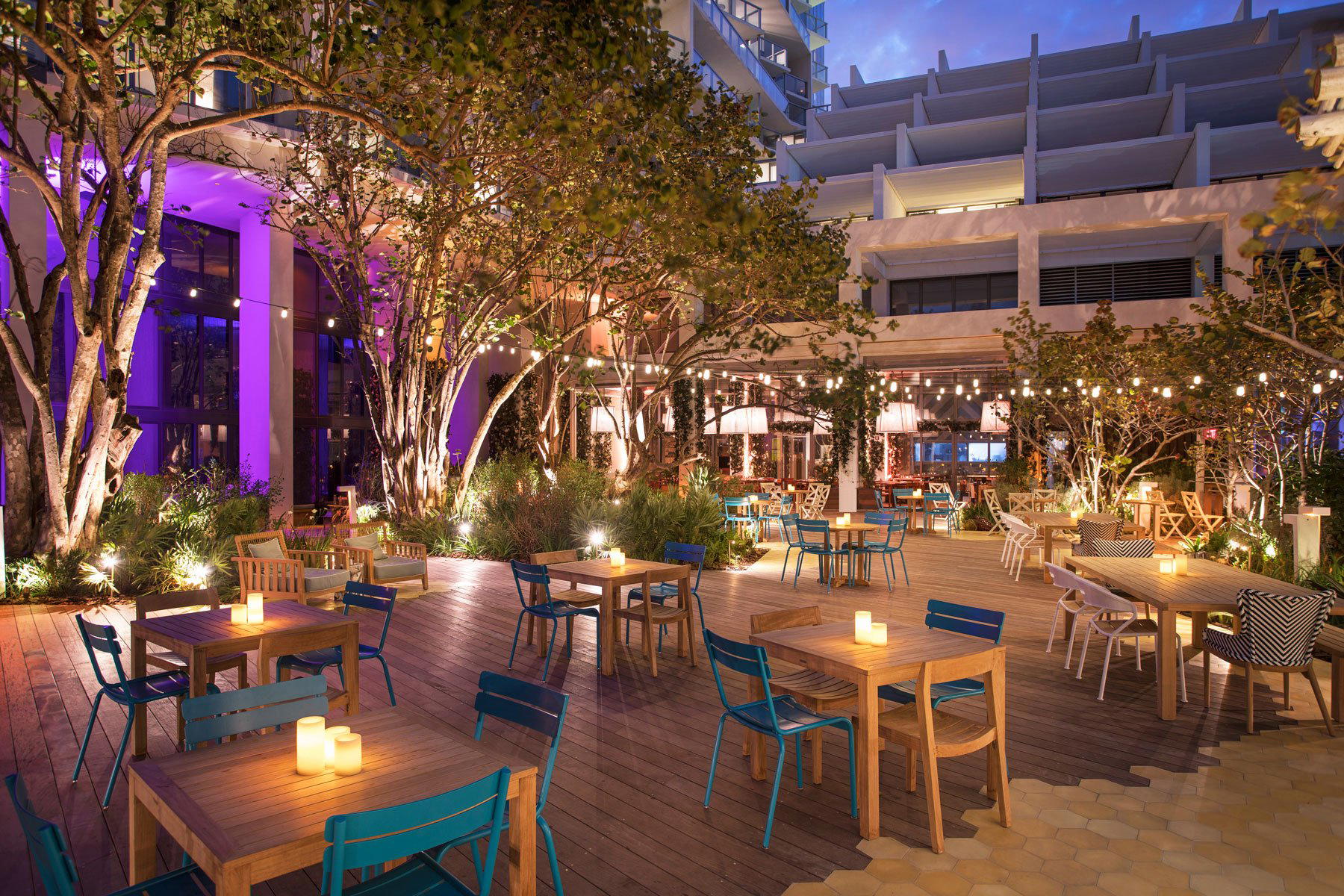
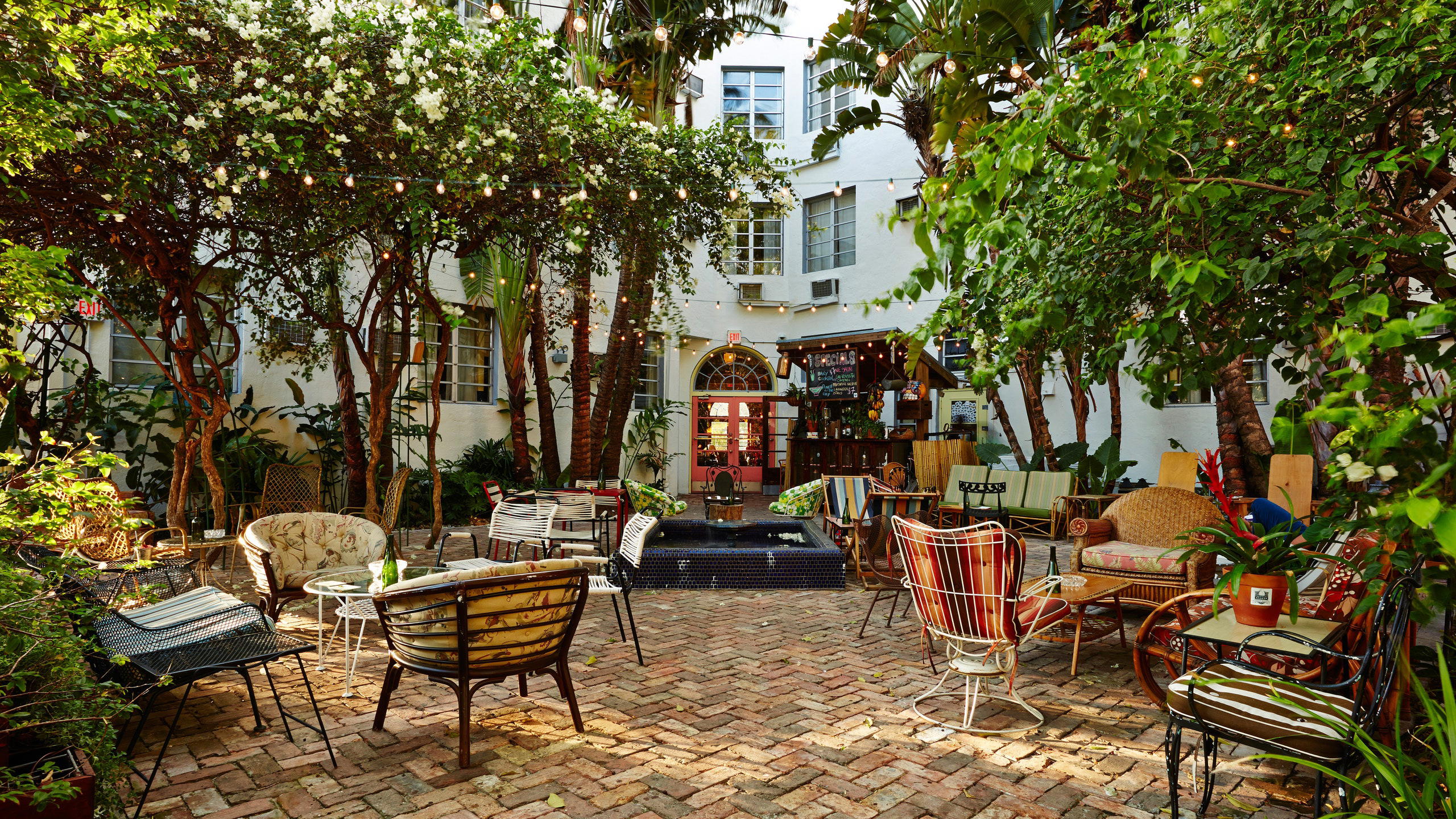
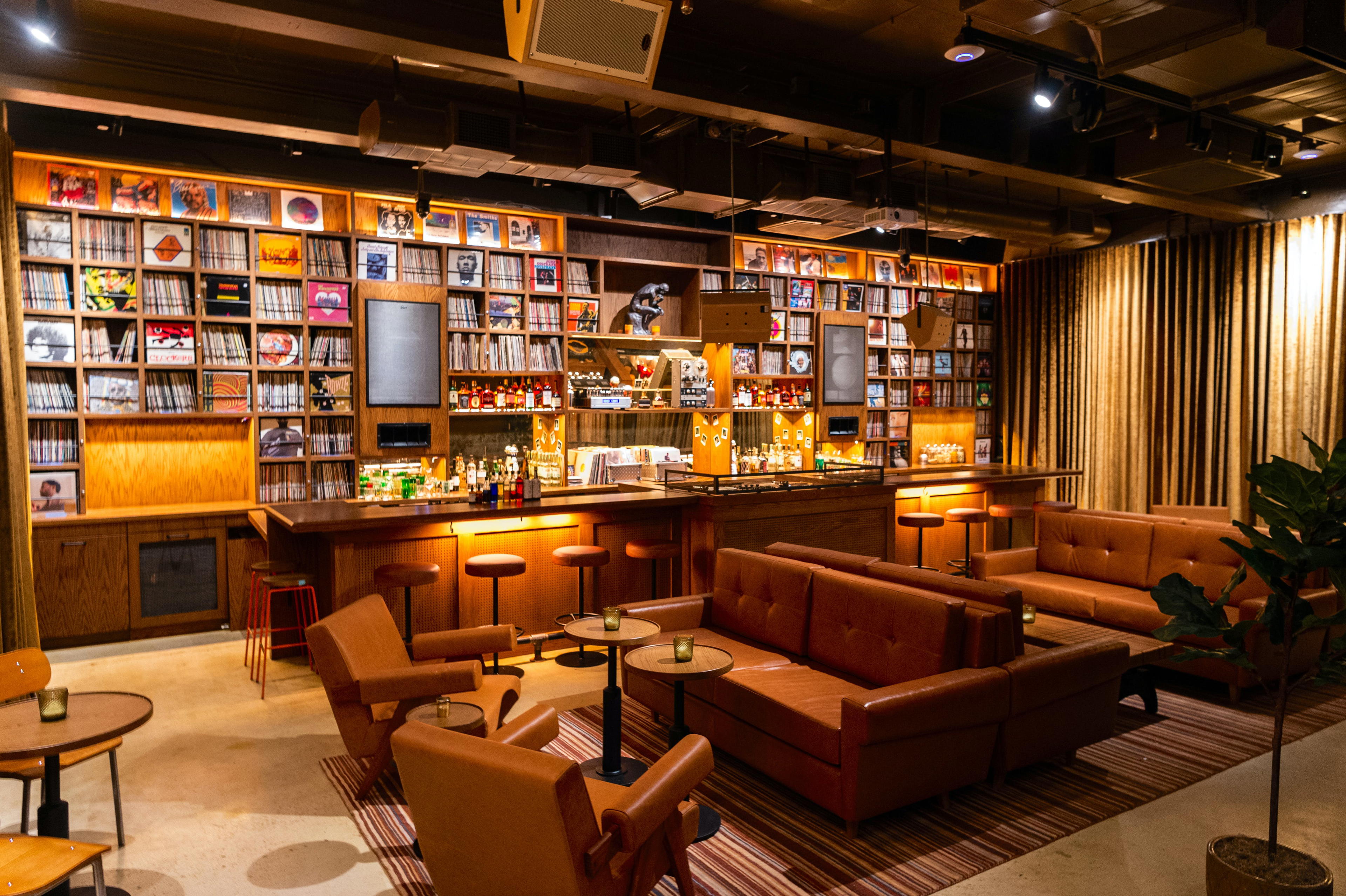
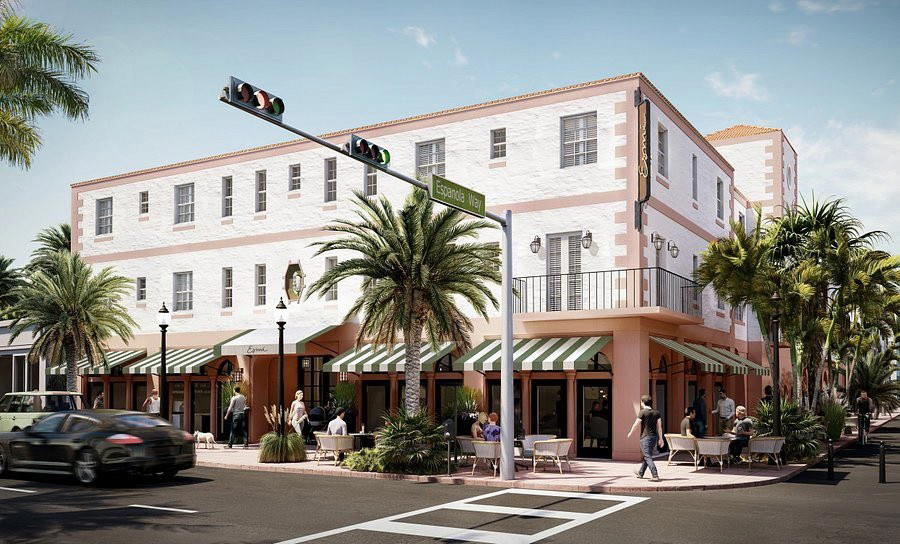
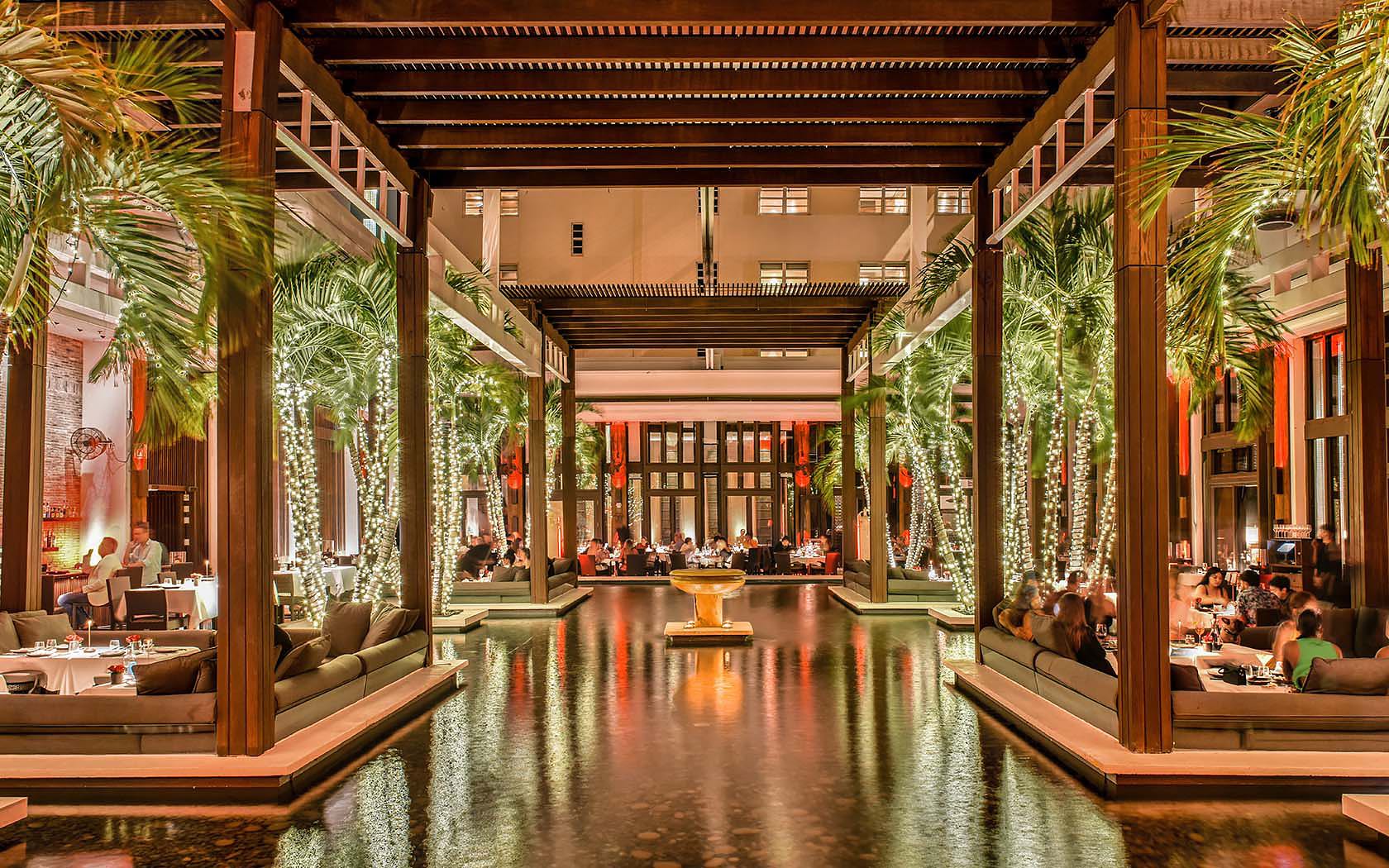
Art Deco-inspired space with lavish murals and custom wallpaper reminiscent of pre-revolution Cuba, accented in pale pink and emerald green.