
A Zhongshan District institution since 1969, Yu Yu has served three generations of Taipei diners from a warm wooden-booth interior on Liaoning Street. The menu reads as a compact study in Taiwanese stir-fry technique, with intentionally small portions designed for sharing across many dishes. The deep-fried dough stick stuffed with minced shrimp and cuttlefish and the braised pork rice are the two dishes most worth ordering first.
Pearl is the En Primeur Club membership app — saves, bookings, and concierge access live there. Same editors, same standards.
- Address
- 48 Liaoning Street, Zhongshan District
- Phone
- +886 2 2776 0443
- Directions
- Get directions
 Saves & bookings on Pearl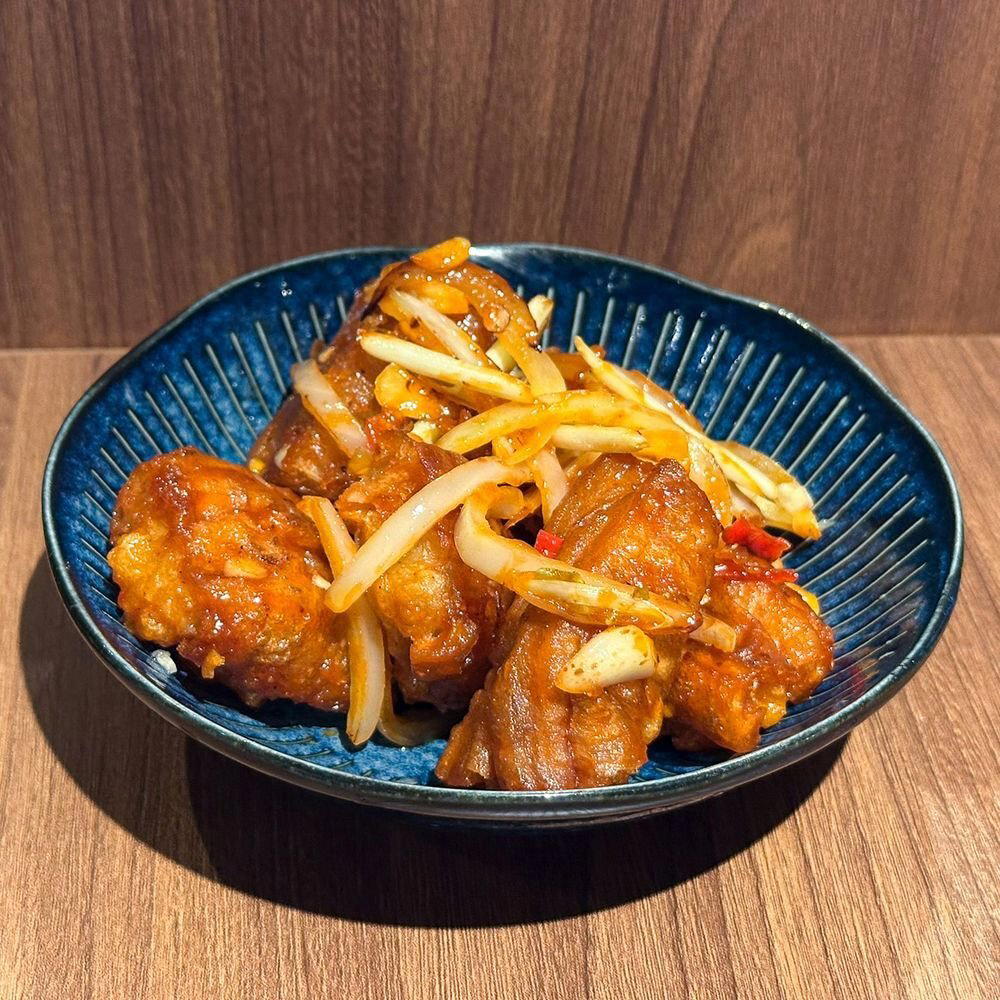
Wok Smoke and Wooden Booths: How Liaoning Street Does It
Yu Yu 1969 is a Taiwanese stir-fry restaurant in Zhongshan District, Taipei, serving small-portion dishes with serious wok hei. Liaoning Street, a block-long strip of evening eating that has fed office workers and local families since the postwar decades, is one of those places where longevity is not incidental, it is the whole point. Yu Yu 1969 sits on this street at number 48, operating from a kitchen that dates back to the year it was named for, now in the hands of a third-generation owner who has layered wooden booths and track lighting onto a structure that otherwise runs on muscle memory and wok fire.
The physical environment reads as deliberate rather than nostalgic. The booth seating creates a degree of separation from the controlled chaos of a working stir-fry kitchen, while the track lighting keeps the room warm rather than clinical. In a city where Taipei's fine-dining circuit, from Logy to Taïrroir, has spent the last decade repackaging Taiwanese ingredients inside European tasting-menu formats, Yu Yu represents the other current: a place where the technique is already there, already refined, and does not need reframing to hold its ground.
The Wok as Instrument
Wok hei, the breath of the wok, the slightly smoky, slightly charred edge that only extreme heat over open flame produces, is one of the harder things to replicate outside a professional Chinese kitchen. It requires a wok seasoned over years, a burner output that domestic stoves cannot match, and a cook with the timing to pull food off heat at precisely the right moment. The stir-fry program at Yu Yu is described as exhibiting notable wok hei across both vegetable and protein preparations, which positions the kitchen in a tier above the average neighbourhood cai fan operation.
This matters as a context point because Taipei's stir-fry tradition operates along a spectrum. At one end are the fast-rotation rice-box counters; at the other are restaurants that treat the wok as seriously as a European brigade treats its sauté station. Yu Yu sits closer to the latter. The menu spans vegetables, meat, and seafood, with the same technique applied across categories rather than a house speciality that crowds out the rest of the order.
The portion sizing is structural, not incidental. Small plates allow a table to move through six or eight preparations without committing the full appetite to two or three. This is how Taiwanese family-style eating is supposed to work, and it is a format that high-price tasting menus at places like Le Palais or L'Atelier de Joël Robuchon Taipei spend considerable effort approximating through coursed sequences. Here, it arrives naturally through the format of the meal itself.
Two Dishes Worth Ordering Without Hesitation
Two preparations stand out: a deep-fried dough stick stuffed with minced shrimp and cuttlefish, and braised pork rice described as grandma's recipe. Both are worth examining as technique objects rather than simply as menu items.
Dough stick, you tiao in Mandarin, is a breakfast staple across Chinese-influenced food cultures, typically served plain alongside soy milk. Stuffing it with minced seafood and deep-frying it a second time is a modification that borrows from the Fujian and Taiwanese tradition of embedding umami into neutral dough carriers. The shrimp and cuttlefish combination layers two different types of seafood sweetness and creates a texture contrast against the fried exterior. It is the kind of dish that looks unremarkable in description and lands much harder on the table.
Braised pork rice (lu rou fan) is Taiwan's closest equivalent to a national dish. Every serious kitchen that serves it has a version calibrated to house preference, fat-to-lean ratio, soy darkness, braising time, the presence or absence of boiled egg. The attribution to a grandmother's recipe signals a domestic lineage rather than a restaurant formula, which is a meaningful distinction for lu rou fan. Across Taiwan, the dish appears at everything from night-market stalls to the regional programs of places like Zhu Xin Ju in Tainan and JL Studio in Taichung, each city carrying its own interpretation of what the dish should be.
Where Yu Yu Sits in Taipei's Eating Map
Taipei rewards the reader who distinguishes between its different dining registers. Taipei's fine-dining circuit, which includes Spanish contemporary work at Molino de Urdániz and the Taiwanese-European hybrids that have dominated the local awards conversation, represents one version of the city's ambition. The night-market and traditional kitchen circuit represents another, and it is considerably older. Yu Yu 1969 belongs to the second category but operates at a level of execution that makes the comparison between registers worthwhile rather than invidious.
Zhongshan is one of Taipei's more liveable eating districts, with access to both the Xingtian Temple area and the Zhongshan MRT corridor. Liaoning Street itself is easiest to approach from Zhongshan or Nanjing Fuxing station depending on which direction you are coming from. The address at 48 Liaoning Street is direct to locate on foot. Given the format, small portions and family-style sharing, the meal is best approached with at least two or three people to cover enough of the menu to understand the kitchen's range. Solo visits are possible but limit the scope of what you can order without overcommitting.
For visitors building a broader Taiwan itinerary, the island's regional food distinctions are worth mapping alongside this. The aboriginal-ingredient cooking at Akame in Wutai Township and the hot-spring resort setting of Volando Urai in Wulai District offer contrasts that Taipei's urban kitchens cannot. Closer to hand, A Gan Yi Taro Balls in New Taipei shows how ingredient-specific traditions persist at street level. For those exploring Kaohsiung, GEN offers a southern counterpoint to Taipei's concentration of formal restaurants.
Practical Notes
Yu Yu 1969 is located at 48 Liaoning Street in Zhongshan District. Reservations are recommended. Opening hours are Monday to Saturday, 11 AM to 2 PM and 5 PM to 9:30 PM; Sunday is closed. The walk-in format typical of this category of Taipei restaurant means that timing your visit for early evening or off-peak hours reduces waiting. The small-portion, sharing-plate format means the bill scales naturally with the number of dishes ordered rather than following a fixed menu price, keeping the experience accessible across different spending levels.
Fast Comparison
Comparable venues nearby, for context on price, style, and recognition.
| Venue | Cuisine | Price | Awards | Notes |
|---|---|---|---|---|
| Yu Yu 1969This venue — the venue you are viewing | Taiwanese Stir-Fry | $$ | Michelin Plate | Not listed |
| May Snow Hakka Food | Traditional Hakka | $$ | Michelin Plate | Yi'an |
| Jinfeng Braised Meat Rice | Taiwanese Braised Pork Rice | $ | Not listed | Xinying |
| Din Tai Fung Chinese Taipei 101 Restaurant | Taiwanese Dim Sum | $$ | Not listed | Jingxin |
| Lin's Vegetable Lamb Hotpot | Traditional Taiwanese Vegetable Lamb Hotpot | $$$ | Michelin Plate | Xinfu |
| Tsui Feng Yuan | Traditional Cantonese | $$ | Bib Gourmand | Fucheng |
Recognition history
Dated appearances from independent guides and award organizations, with the underlying list record or original source where available.
Michelin Bib Gourmand
Michelin
Michelin Plate
Michelin · 2026 Michelin Plate
Continue exploring
More in Taipei
Restaurants in Taipei
Browse all →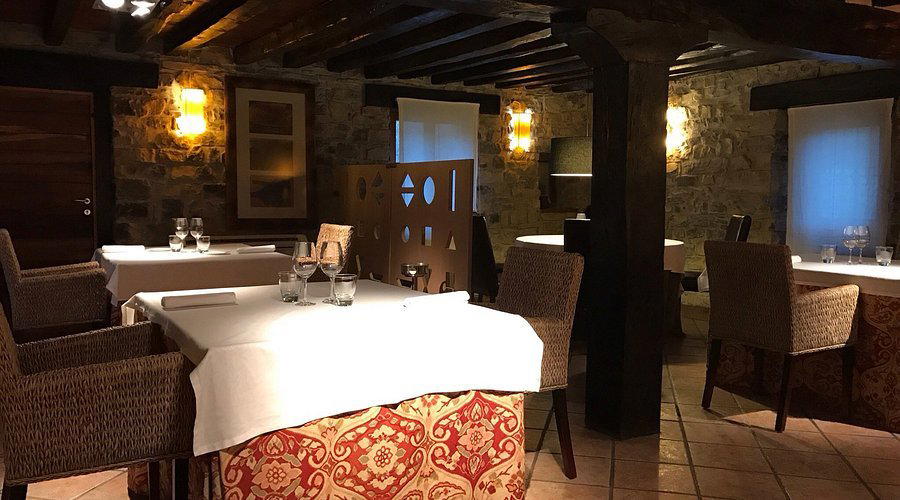
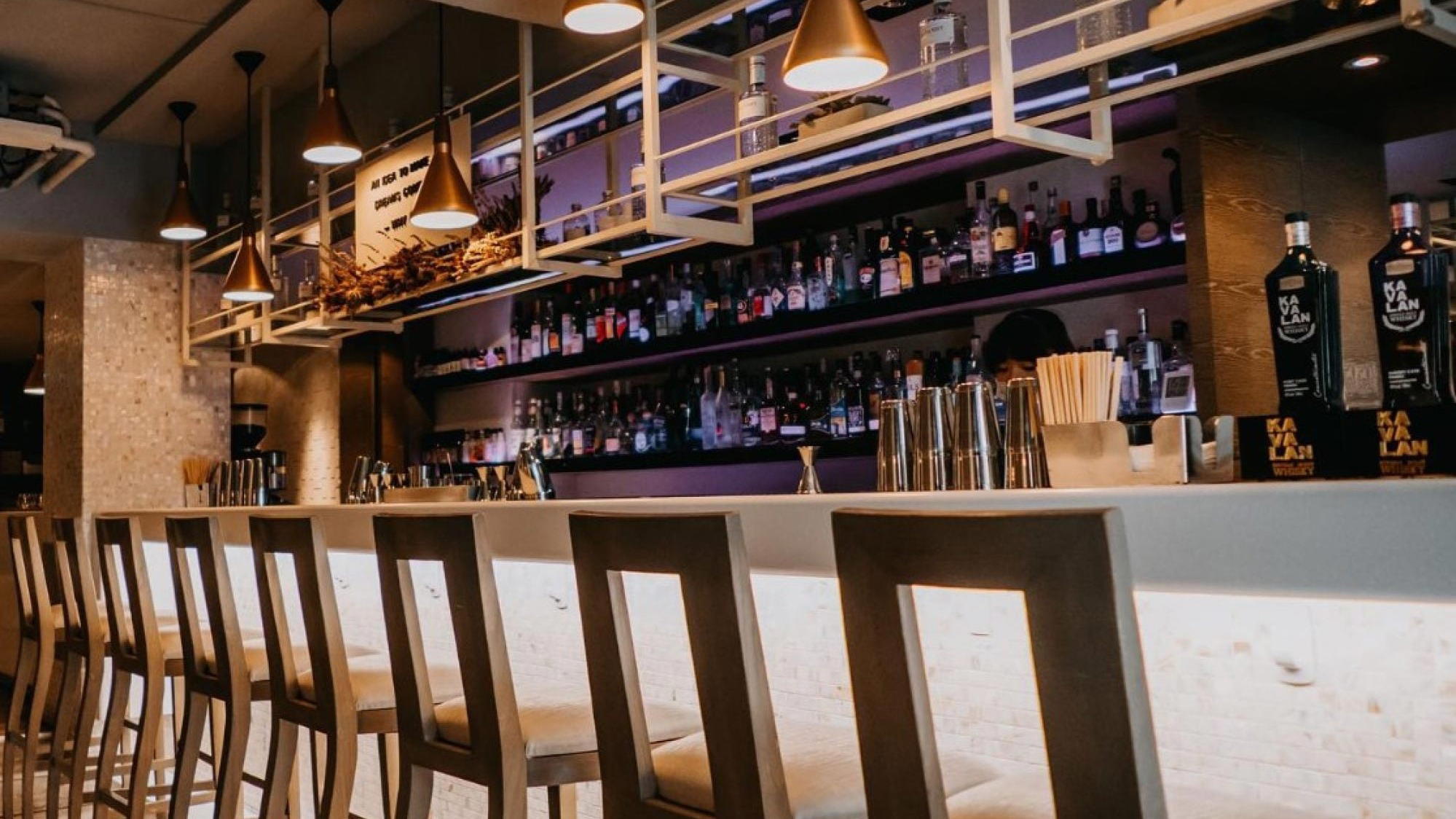
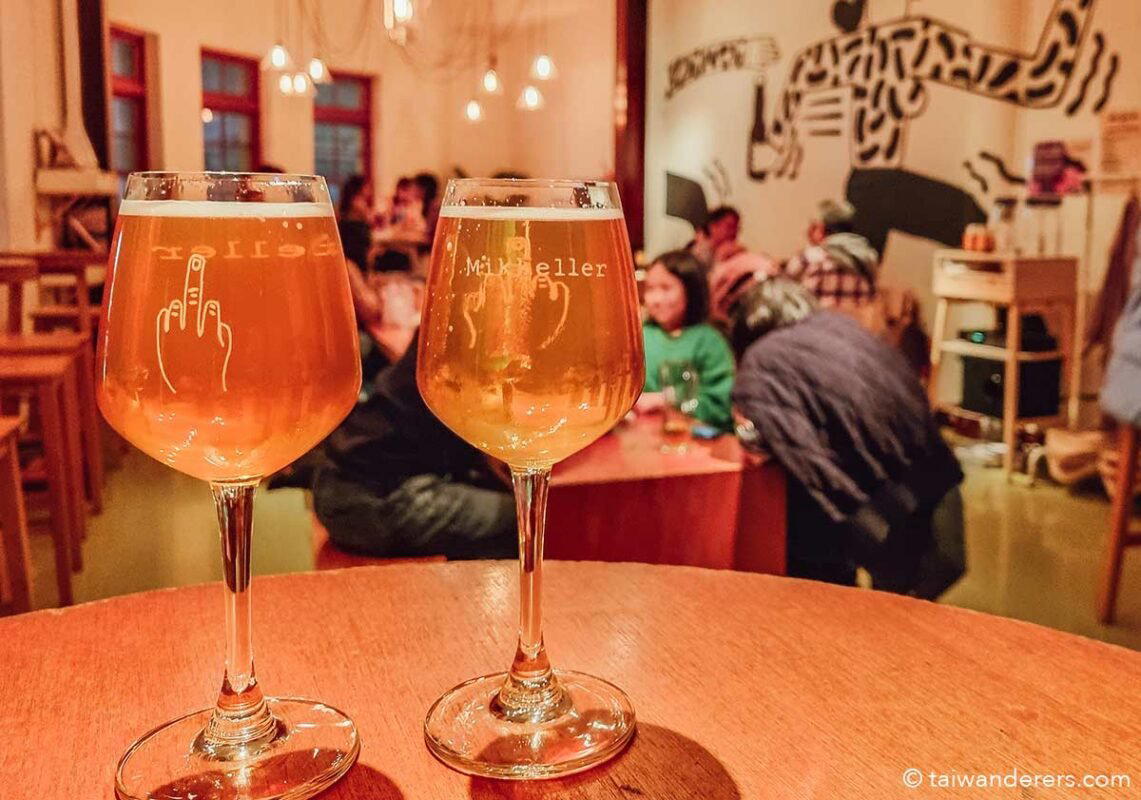
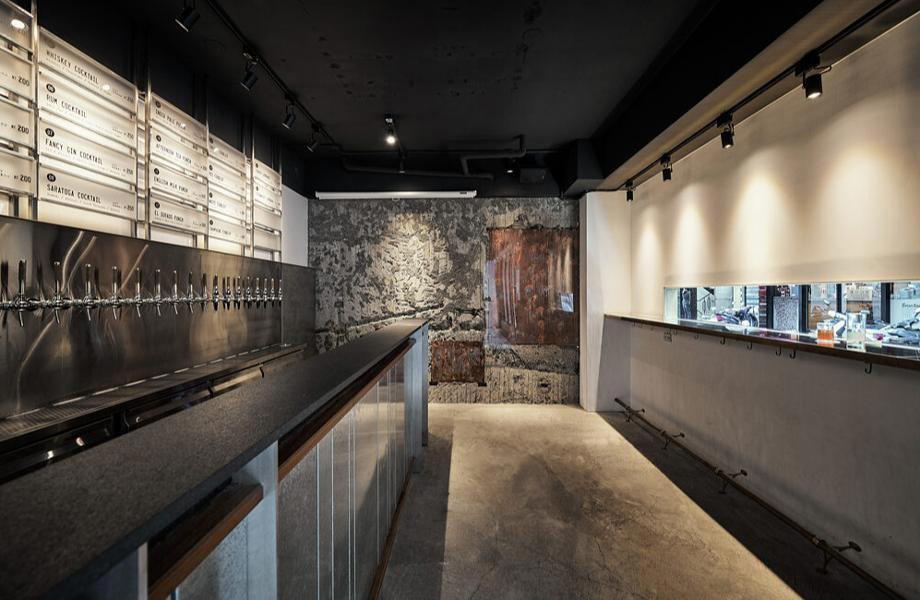
Bars in Taipei
Browse all →
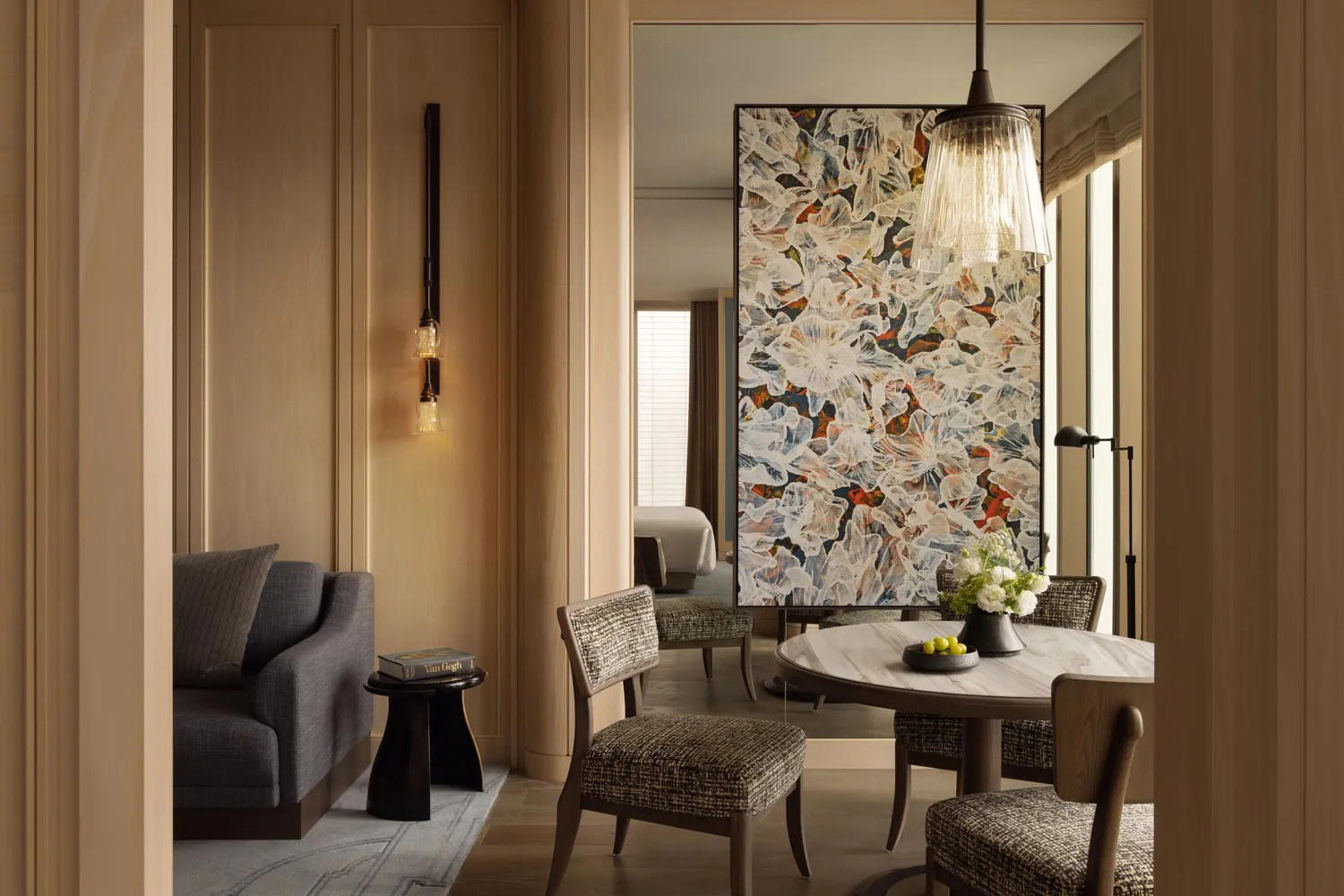
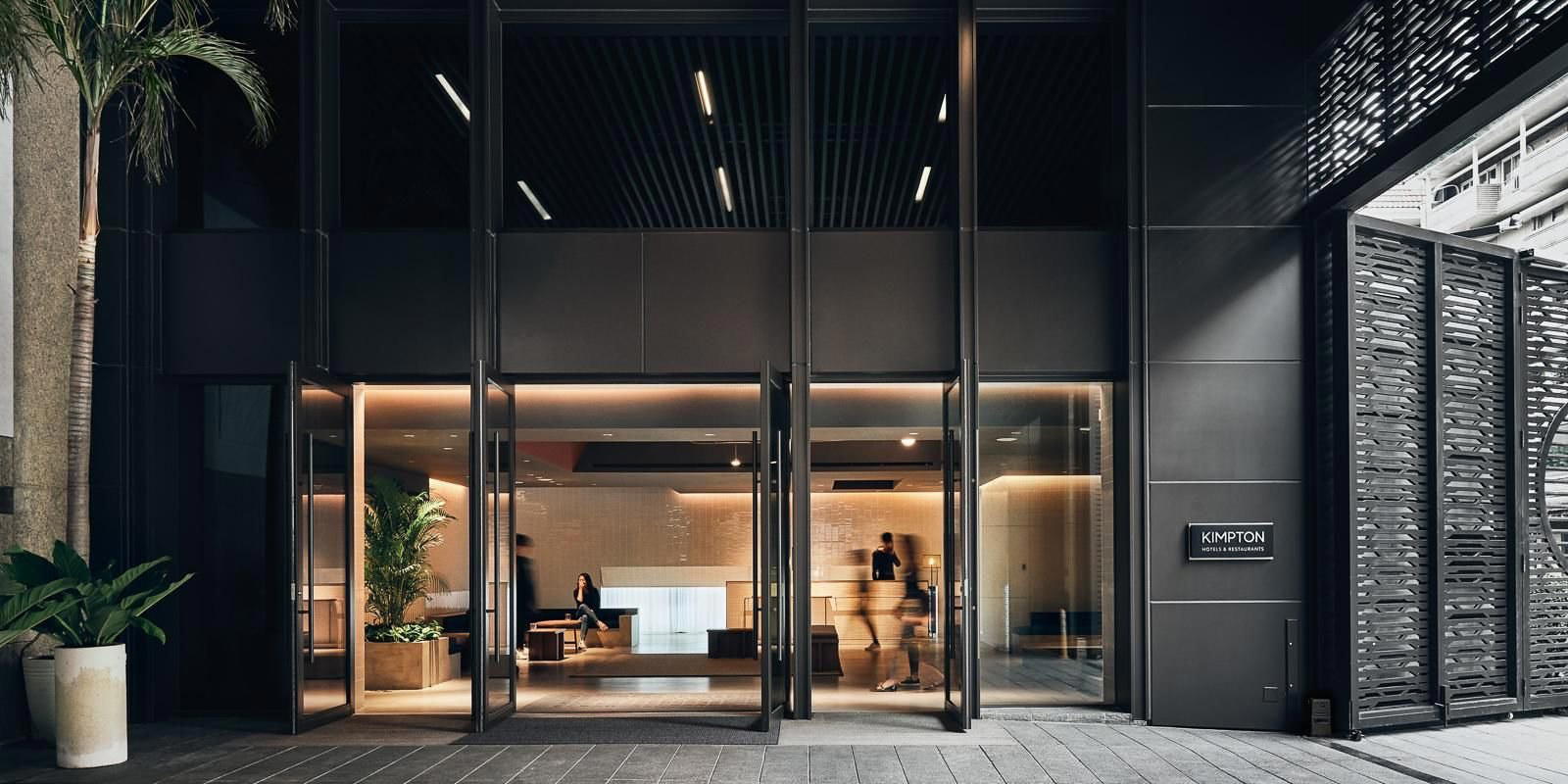
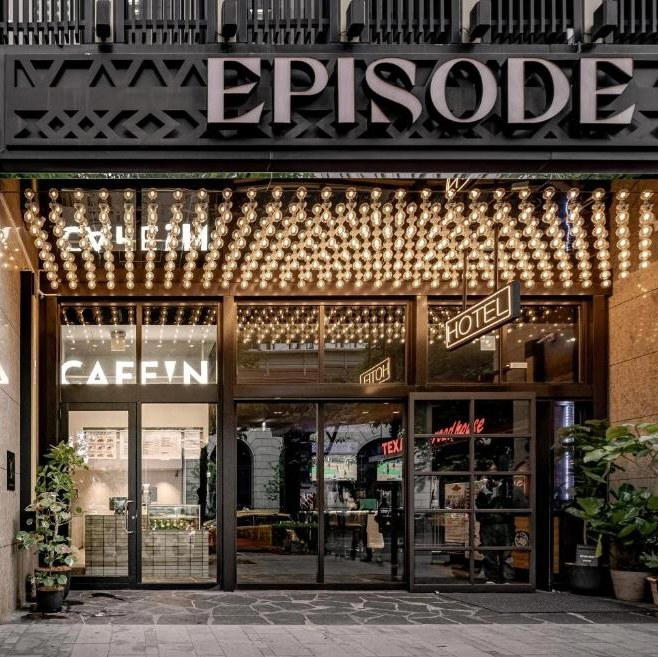
Hotels in Taipei
Browse all →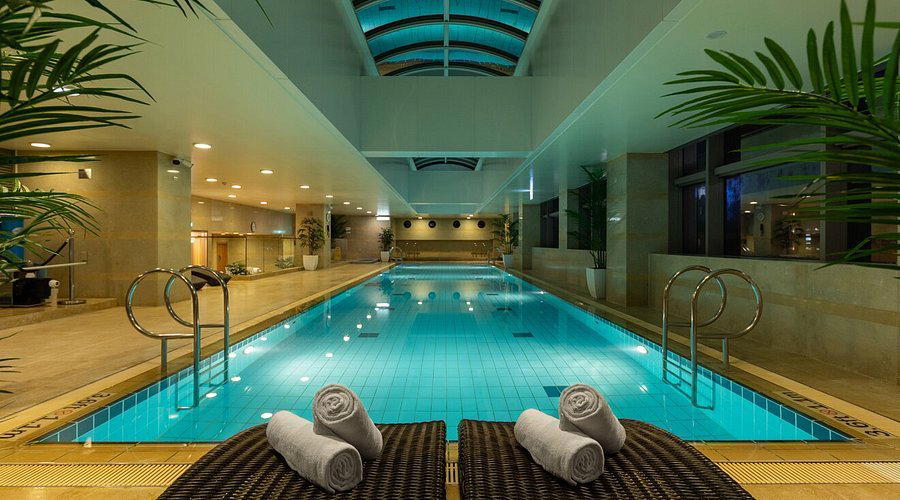

Wineries in Taipei
Browse all →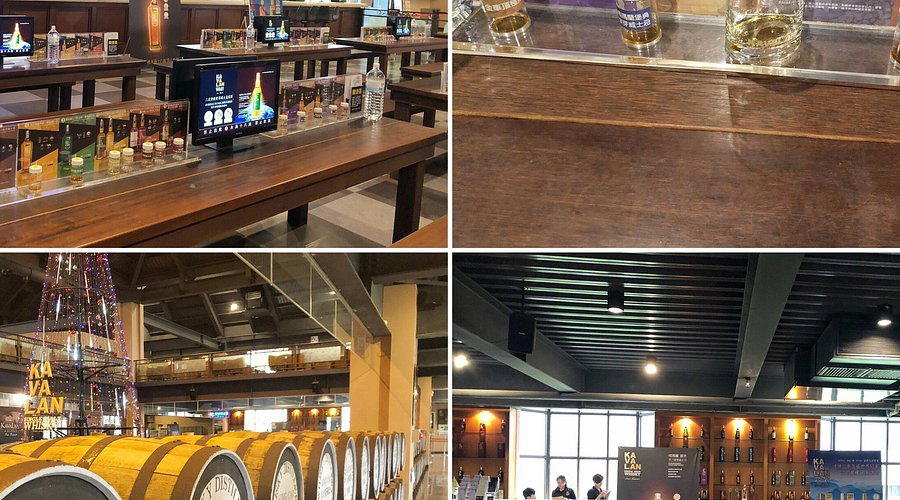
At a Glance
- Special Occasion
- Open Kitchen
Current opening hours
- Monday
- 11 AM–2 PM, 5–9:30 PM
- Tuesday
- 11 AM–2 PM, 5–9:30 PM
- Wednesday
- 11 AM–2 PM, 5–9:30 PM
- Thursday
- 11 AM–2 PM, 5–9:30 PM
- Friday
- 11 AM–2 PM, 5–9:30 PM
- Saturday
- 11 AM–2 PM, 5–9:30 PM
- Sunday
- Closed
Hours can change for holidays and private events. Last verified .