Yoshi's
Yoshi's occupies a defining position on Oakland's Jack London Square waterfront, operating as both a respected restaurant and one of the Bay Area's most storied jazz venues. The combination of serious live music programming and a kitchen anchored in Japanese culinary tradition makes it a rare dual-format destination in a city increasingly defined by its independent dining identity.
Pearl is the En Primeur Club membership app — saves, bookings, and concierge access live there. Same editors, same standards.
- Address
- 510 Embarcadero West, Oakland, CA 94607
- Phone
- +15102389200
- Website
- yoshis.com
- Directions
- Get directions
 Saves & bookings on Pearl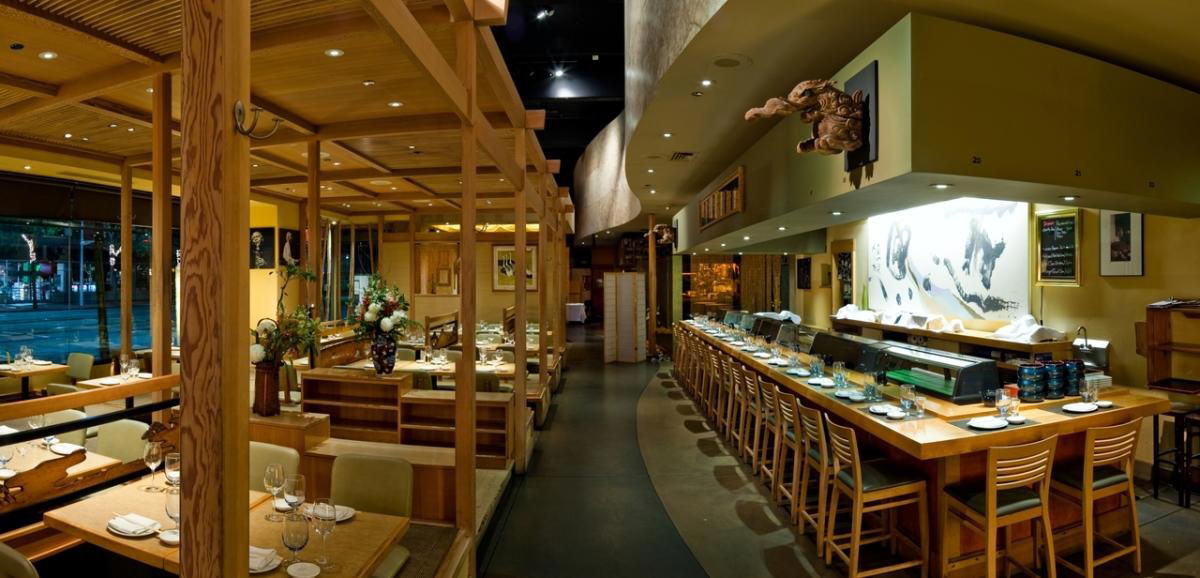
Jack London Square After Dark
Arriving at 510 Embarcadero West on a clear Bay Area evening, the waterfront does the first part of the work. Jack London Square carries a different register than the interior Oakland neighbourhoods where most of the city's newer restaurant energy has concentrated. The light off the estuary, the low hum from the venue's doors, and the sight lines across to the Alameda shoreline set a deliberate tone before you've crossed the threshold. Yoshi's is a restaurant and jazz club at 510 Embarcadero West in Oakland's Jack London Square.
Inside, the room splits into two functions that Oakland has long understood to be complementary rather than competing: a dining room anchored in Japanese culinary tradition and a jazz club that has hosted names across six decades of American improvised music. That dual format is less common than it once was. Across the Bay in San Francisco, venues that tried to sustain serious food programs alongside live music have largely collapsed one into the other, leaving either a bar with a stage or a restaurant with background sound. Yoshi's has maintained both at a level that keeps them legible as separate propositions.
The Sustainability Framing Behind the Kitchen
Oakland's dining identity has shifted considerably over the past decade, and one of the more consistent threads running through the independent restaurants that have defined the city's character is an orientation toward sourcing integrity. From the Ethiopian kitchens in the Temescal corridor to the Dominican-inflected cooking at alaMar Dominican Kitchen, the expectation that a kitchen can account for where its ingredients come from has moved from differentiator to baseline assumption in Oakland's better rooms.
Japanese culinary tradition, which informs Yoshi's kitchen, has its own structural relationship with waste reduction and seasonal constraint. The kaiseki framework, even when loosely applied, builds menus around what is at peak condition rather than what is permanently available, which produces a natural alignment with low-waste practice. Whole-animal thinking, dashi made from ingredients that would otherwise be discarded, and menu engineering around seasonal Japanese produce all reflect an approach where sustainability isn't a marketing position but an embedded technical logic.
The Bay Area context matters here. The sourcing conversation in Northern California restaurants has been running long enough that the original gestures, chalkboard farm credits, single-origin this and that, have started to look like furniture. What venues like Single Thread Farm in Healdsburg and Lazy Bear in San Francisco have demonstrated is that genuine integration of ethical sourcing into kitchen practice looks different from the signage version: it shows up in menu structure, in how proteins are used across courses, in the rhythm of the season visible in what isn't available anymore. The restaurant Japanese framework provides its own version of that discipline, operating through a culinary tradition where nothing about ingredient selection is incidental.
Where Yoshi's Sits in the Oakland Dining Conversation
Oakland's restaurant scene has never operated as a single tier. The city runs from places like 3 Bottled Fish and 8th St Cafe 文記茶餐廳 at the neighbourhood-essential end, through coffee anchors like Alem's Coffee, and up to destination dining rooms where the price point signals a different kind of commitment. The restaurant occupies the destination category not because of formal fine dining architecture, but because the live music program creates an evening format that requires planning and commands a different time investment than a neighbourhood dinner.
That position has a national comparable set. Restaurants that sustain serious jazz programming alongside food programs of genuine quality are rare enough to be notable. The restaurant has been at this address long enough to have developed that confidence, and the Jack London Square location, slightly removed from the restaurant-dense corridors of Uptown and Temescal, gives it the physical separation a venue of this format needs.
Uptown has its own set of reference points: Agave Uptown handles the Mexican dining conversation in that neighbourhood, and the broader Oakland dining picture extends across enough distinct registers that no single venue carries the whole story.
The National Context
The rooms that define American fine dining at the highest register, Le Bernardin in New York City, Alinea in Chicago, The French Laundry in Napa, Providence in Los Angeles, Blue Hill at Stone Barns in Tarrytown, Addison in San Diego, The Inn at Little Washington, Atomix in New York City, and 8½ Otto e Mezzo Bombana in Hong Kong operate in a bracket defined by tasting menu architecture, extensive front-of-house staffing ratios, and sourcing programs that are themselves editorial subjects.
What the restaurant shares with that tier is a recognition that the dining room is not the entire product. At Emeril's in New Orleans or Addison in San Diego, the room's character, its physical design and programming logic, contributes to the overall experience in ways the food alone can't account for. At the restaurant, the music does that work. An evening that moves from the dining room into the jazz club, or that combines both simultaneously depending on the seating configuration, is structurally different from a restaurant dinner. That structure is the point.
Accolades, Compared
Comparable venues nearby, for context on price, style, and recognition.
| Venue | Cuisine | Price | Notes |
|---|---|---|---|
| Yoshi'sThis venue — the venue you are viewing | Modern Japanese Sushi & Jazz | $$$ | Not listed |
| Shinmai | Modern Japanese Izakaya | $$$ | San Pablo Gateway |
| Rikyu | Japanese Sushi | $$ | Oakland |
| Coach Sushi | Japanese Sushi | $$ | Lake Merritt |
| Tachibana | Authentic Japanese Sushi | $$ | Rockridge |
| Shakewell | Spanish-Mediterranean Tapas | $$$ | Grand Lake |
Continue exploring
More in Oakland
Restaurants in Oakland
Browse all →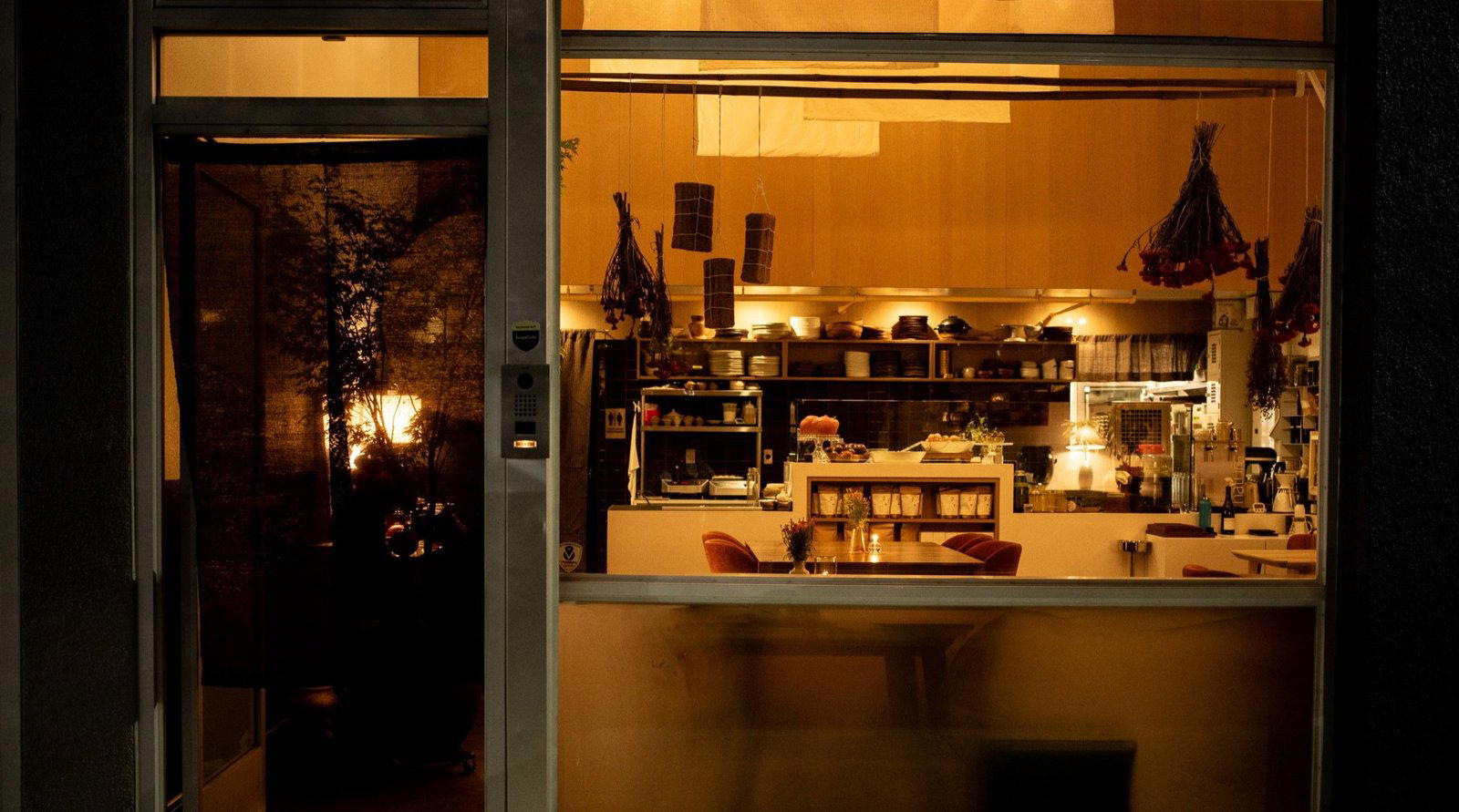
Bars in Oakland
Browse all →
Hotels in Oakland
Browse all →


At a Glance
- Lively
- Intimate
- Energetic
- Sophisticated
- Date Night
- Special Occasion
- Late Night
- Live Music
- Open Kitchen
- Sake Program
- Craft Cocktails
- Street Scene
Current opening hours
- Monday
- 4:30–9 PM
- Tuesday
- 4:30–9 PM
- Wednesday
- 4:30–9 PM
- Thursday
- 4:30–9 PM
- Friday
- 4:30–10:30 PM
- Saturday
- 4:30–10:30 PM
- Sunday
- 4:30–9 PM
Hours can change for holidays and private events. Last verified .
Warm intimate vibe with sleek design, superb acoustics, tatami seating, lively sushi bar, and pre-show energy.