
Tabelog 100 #37
Our verdict
Yoshimitsu belongs to Nagoya’s quieter wagashi circuit rather than the city’s expense-account dining tier, with Tabelog 100 recognition for Japanese traditional sweets and a modest JPY 1,000–1,999 range. Its draw is disciplined takeaway confectionery, especially seasonal warabimochi, in a city better known abroad for miso-katsu, hitsumabushi, and coffee-shop breakfast culture.

Pearl is the En Primeur Club membership app, where members save venues, book tables and use the concierge.
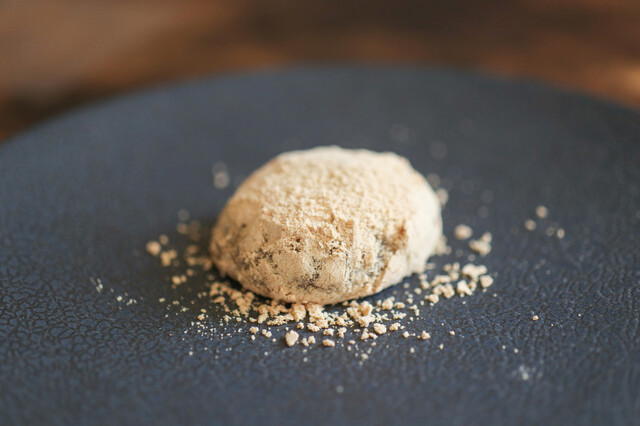
Approaching a serious Japanese traditional sweets shop in Nagoya changes the tempo of eating. The cues are smaller than in a dining room: boxes, wrapping, a short exchange at the counter, and the knowledge that texture begins changing the moment a fresh sweet leaves the shop. Yoshimitsu sits in that tradition, where front-of-house precision matters because there is no long meal to recover from a vague handover. The service encounter, production schedule, and customer timing form the experience.
Nagoya’s food identity is often explained through louder signatures and familiar local meals. Japanese traditional sweets belong to a more domestic register, closer to gifting, tea, seasonality, and local errand culture. That difference matters. A visitor looking only for restaurant theatrics can miss the way Japanese sweets shops carry status through consistency, care, and calendar discipline rather than dining-room spectacle.
Wagashi in Nagoya runs on timing, not table theatre
The strongest case for this shop is its category position. Tabelog selected it in 2023 in the Japanese traditional sweets category, with a listed score of 3.80 and a price range of JPY 1,000 - JPY 1,999. That recognition places it within a sweets conversation, not merely a casual snack stop. In a city where dining can range from Ramen Senmon Ten Tokugawa Cho Josui to Myoan, wagashi occupies a different economy: small purchases, high repeat value, and a premium placed on freshness.
The format also says something about the current Japanese sweets scene. A short sweets-shop visit strips away the dining-room cushion and puts the transaction under pressure. A pastry or plated dessert can hide behind service pacing; fresh wagashi cannot. The handoff has to be orderly, the production has to match demand, and the customer has to understand that limited-feeling immediacy is part of the craft rather than a hospitality flourish.
The headline is the shop’s role as a Nagoya specialist in Japanese traditional sweets, but it should be read as more than an all-purpose souvenir stop. Fresh sweets are sensitive objects, shaped by timing, handling, and the moment of purchase. That is not a footnote; it is the sort of constraint that separates a specialist shop from a general sweets counter. The calendar feeling is part of the product. For travellers, it also means a Nagoya itinerary changes depending on how much space it leaves for small, precise stops.
The team dynamic is visible in the counter rhythm
No chef biography is needed to understand the operation. In this category, the “team” is less a named brigade than a chain of coordination: confectionery production, packaging, and counter service. Handmade sweets reward planning and clear expectations. That is where the craft becomes practical. The back-of-house makes with care; the front-of-house manages the exchange; the customer has to meet the shop halfway.
This is also why wagashi can be a more revealing Nagoya stop than another formal meal. Alongside names such as Garden Restaurant Tokugawaen or LE PIGNON, Yoshimitsu works on a very different scale of encounter. The shop’s Tabelog score of 3.80 and 2023 recognition give external signals, but the deeper appeal is the old-fashioned alignment between production and service. When that alignment works, a box of sweets becomes a precise expression of place.
There is a useful contrast with Nagoya’s broader hospitality map. Tokugawa Cho Buta Fuku, Myoan, and other city dining rooms speak to different ways of eating; wagashi shops draw loyalty without needing a full evening. That makes Yoshimitsu a sharp add-on to a day of Nagoya eating or a counterpoint to a more formal reservation. It is not trying to compete with dinner. It occupies the space before or after it, where Japanese food culture often says more with less.
How to use it in a Nagoya itinerary
Treat this as a specialist purchase rather than a spontaneous café break. The shop is in Nagoya, and planning matters when fresh sweets and careful production are involved. A visit works best when it is not squeezed between larger meals or treated as an afterthought. The point is to give the purchase enough attention for the wrapping, timing, and handover to register.
Payment and ordering expectations should be checked directly before visiting. The better editorial point is cultural. Wagashi shopping in Japan often rewards the person who plans, arrives prepared, and respects the shop’s production rhythm. That is not inconvenience dressed up as charm; it is how small-batch confectionery avoids becoming generic.
For a wider Nagoya plan, use Our full Nagoya restaurants guide to balance sweets with meals, then layer in Our full Nagoya hotels guide, Our full Nagoya bars guide, Our full Nagoya wineries guide, and Our full Nagoya experiences guide. Other city listings show how broad Nagoya’s dining register has become, from casual counters to more polished rooms and specialist shops.
Travellers building a Japan-wide food route can compare the role of highly specific formats across cities. Unnamed specialist counters, sweets shops, bars, and casual dining rooms often explain a place as clearly as grand restaurants do. For Japanese food culture outside Japan, the same point holds: narrow formats often teach more than broad menus.
Frequently asked questions
What's Yoshimitsu's location?
Nagoya.
Is Yoshimitsu expensive?
Pricing at Yoshimitsu is listed as JPY 1,000 - JPY 1,999.
How hard is it to get a table at Yoshimitsu?
Yoshimitsu is a Japanese traditional sweets shop in Nagoya, so visitors should think in terms of a careful sweets purchase rather than a conventional restaurant table. Check directly before visiting if timing matters.
What's the standout thing about Yoshimitsu?
Its clearest credential is Tabelog recognition in 2023 for Japanese traditional sweets, alongside a listed score of 3.80 and price range of JPY 1,000 - JPY 1,999.
Is Yoshimitsu good for vegetarians?
Yoshimitsu is listed in the Japanese traditional sweets category, but ingredients can vary by item. Vegetarian diners should check individual sweets directly with the shop in Nagoya.
The Quick Read
Comparable venues by category and price.
| Venue | Cuisine | Price | Awards | Notes |
|---|---|---|---|---|
| YoshimitsuThis venue (the venue you are viewing) | Japanese Traditional Sweets | Not listed | Tabelog 100 #37 | Not listed |
| Ramen Senmon Ten Tokugawa Cho Josui | Ramen & tsukemen shop | $10–20 | Tabelog 100 #87 | JPY 1,000 - JPY 1,999 - JPY 999 |
| Garden Restaurant Tokugawaen | Japanese-French Fine Dining in a Historic Garden | $100–150 | Tabelog 100 #48 | JPY 15,000 - JPY 19,999 JPY 8,000 - JPY 9,999 |
| Myoan | Seasonal Japanese Kappo / Kaiseki | $200–300 | Tabelog 100 #80 | JPY 30,000 - JPY 39,999 |
| LE PIGNON | Seasonal French fine dining in a traditional Japanese courtyard house | $100–150 | Tabelog 100 #23 | JPY 15,000 - JPY 19,999 JPY 8,000 - JPY 9,999 |
| Tokugawa Cho Buta Fuku | Traditional Tonkatsu (Pork Cutlet) | $20–30 | Tabelog 100 #7 | JPY 3,000 - JPY 3,999 JPY 2,000 - JPY 2,999 |
Recognition history
Dated appearances from independent guides and award organizations, with the underlying list record or original source where available.
Tabelog 100 #37 · No. 37
Tabelog · Tabelog 100 - Japanese traditional sweets / Japanese sweets cafe - EAST - 2023
Continue exploring
More in Nagoya
Restaurants in Nagoya
All restaurants in Nagoya →





Details
- Classic
- Quiet
- Cozy
- Well Known
- Solo
- Family
- Casual Hangout
- Standalone
- Vegetarian Friendly
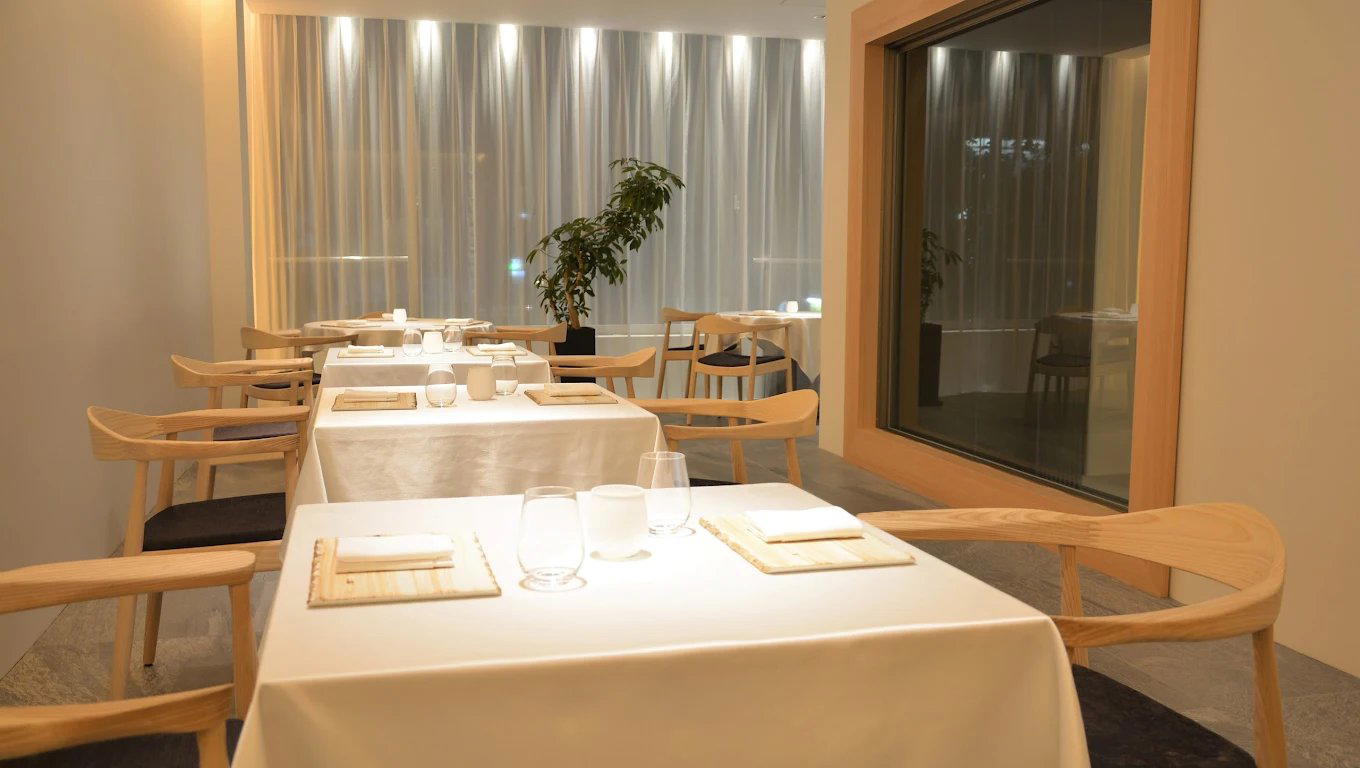
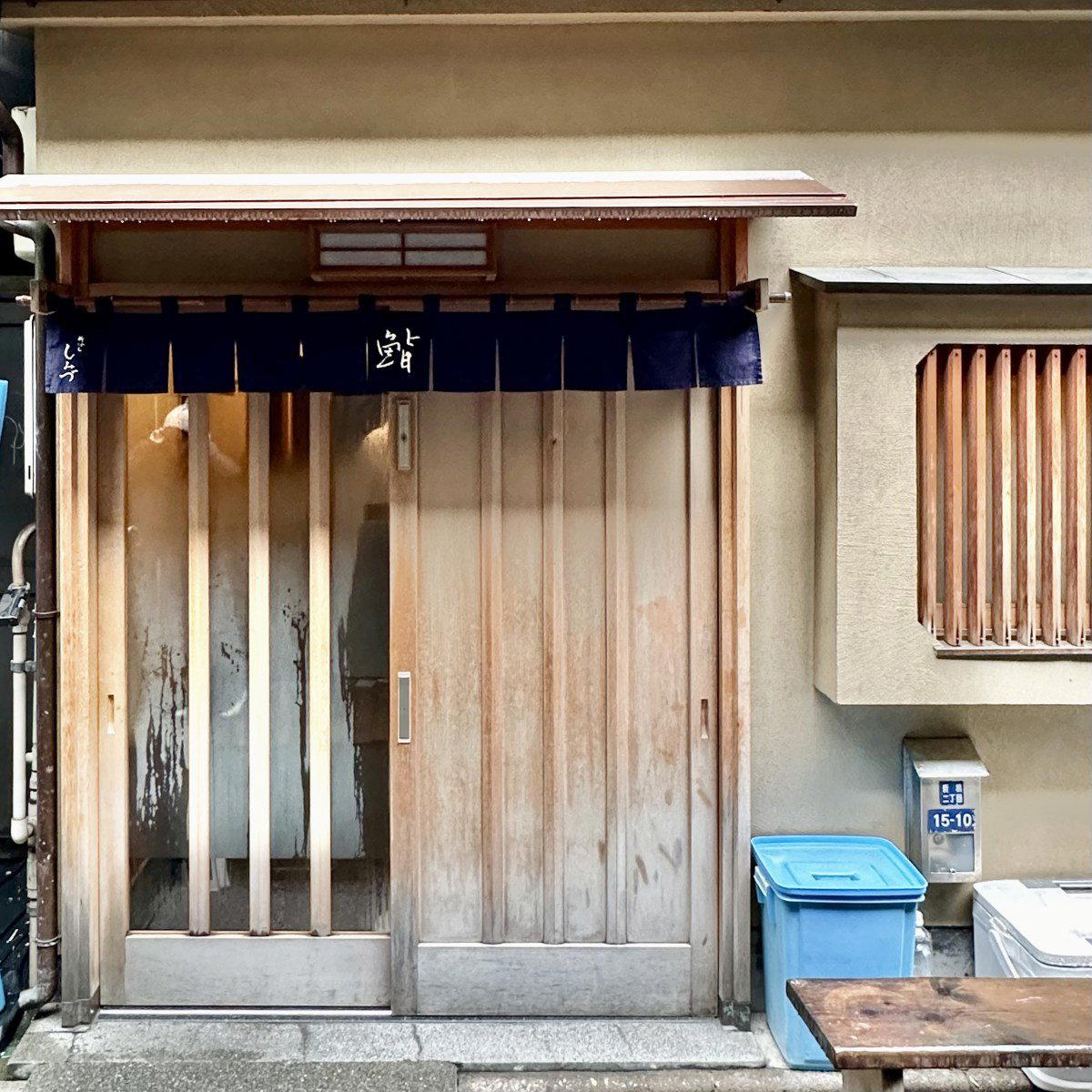
A traditional, neighborhood sweets shop atmosphere with a calm, no-frills setting focused on takeout rather than dine-in.