Our verdict
Few addresses in Taipei compress the city's morning ritual into a single counter the way Yong He Soy Milk King on Fuxing South Road does. Where Michelin-tracked tasting menus at places like Taïrroir or Le Palais represent one end of Taipei's food spectrum, this institution anchors the other: a no-reservation, cash-register operation built on soy milk, fried cruller, and the pre-dawn hours that define how much of the city actually eats.

Pearl is the En Primeur Club membership app, where members save venues, book tables and use the concierge.

The menu
What to order
- Salty soy milk
- Shaobing youtiao
- Fantuan
The Ritual Before the City Wakes
Taipei's breakfast culture occupies a different register from its fine-dining scene. While the city's evening restaurants Taïrroir, Le Palais, logy, have attracted international attention and Michelin recognition, it is the morning counter that tells you more about how Taiwanese people actually relate to food. The soy milk breakfast shop is a civic institution, operating somewhere between a canteen and a ritual. Yong He Soy Milk King, at 復興南路二段102號 in the Da'an area, is among the most referenced addresses in that category, and understanding what it represents requires understanding the tradition it sits inside.
Across Taipei, the morning hours before 9 a.m. belong to a specific set of formats: the congee stall, the scallion pancake cart, and above all the dòujiāng diàn, the soy milk shop. These are not cafes in any Western sense. There is no espresso machine, no single-origin pour-over, no ambient playlist. What there is: warm, freshly pressed soy milk in sweet or savoury form, yóutiáo (deep-fried dough cruller) pulled from hot oil, and egg-wrapped flatbreads folded around crunchy, oiled surfaces. The sensory register is steam, oil, and the low background noise of a shop already filling before dawn has fully broken.
Where This Address Sits in the Breakfast Map
The Yonghe district across the river from Taipei proper has long been identified as the origin of Taipei's modern soy milk culture, a connection that dates to the postwar period when mainlander migrants settled there and brought their breakfast habits. The name Yong He attached itself to the category, and eventually to a string of shops across the city that trade on the association. The address on Fuxing South Road is among those most frequently cited by both locals and food writers when placing this style of breakfast on Taipei's food map.
That framing matters because it positions the shop not as a novelty for visitors but as a working example of a food tradition with real geographic and historical roots. Compared to the breakfast counters inside Taipei's hotel corridors or the international-facing brunch spots in Xinyi, the soy milk shop format asks something different of you: you order in Mandarin or by pointing, you eat quickly, and you leave. The transactional efficiency is not unfriendliness, it is the format. Regulars know it; first-timers sometimes misread it.
For readers tracking the full range of what Taiwan's food culture produces, Yong He Soy Milk King is a useful counterpoint to the country's more export-facing dining. JL Studio in Taichung and GEN in Kaohsiung represent the internationally awarded end of the spectrum. This address represents the unreconstructed middle of daily life.
The Sensory Architecture of the Order
The soy milk shop format delivers its pleasures through contrast and simplicity rather than complexity. The dòujiāng itself arrives in a bowl or cup, either sweetened with sugar or savoury, salted, vinegared, sometimes set slightly with heat into a soft curd. The savoury version, fǔrǔ dòujiāng, is a more acquired format for those unfamiliar with it: the soy protein slightly coagulated, topped with dried shrimp, scallion, and a thread of chili oil. It rewards attention.
The yóutiáo are leading pulled apart and dragged through warm soy milk, the contrast between the oiled, airy interior and the liquid is the whole point. The shāobǐng, a sesame-crusted flatbread, adds a toasted, slightly smoky layer. Folded around a strip of yóutiáo and an egg, it becomes a complete hand-held breakfast that costs a fraction of anything served with silverware in this city. Taiwan's breakfast economy is, in this sense, one of the more democratic food systems in urban Asia.
None of this is subtle. The smells are immediate: frying oil, sesame, steam. The sounds are the clatter of metal tongs, rapid Mandarin orders, and the low hiss of soy milk kept warm in industrial urns. The lighting is fluorescent. The tables, if there are tables, are for turning over quickly. This is food designed for a body that needs to be somewhere by eight.
Booking, Timing, and Practical Notes
Soy milk shops of this format do not take reservations, the model is walk-in only, with queues forming at peak morning hours. Arriving between 6 and 8 a.m. captures the format at its most functional, when the oil is fresh and the soy milk is being pressed in rotation. Visiting later in the morning is possible, but the breakfast format tapers as the kitchen scales down production. Payment is typically cash-based at this category of shop; it is worth having small bills. The address at 復興南路二段102號 is accessible via the Da'an area's street grid, near the Fuxing South Road corridor that connects several of Taipei's busier residential and commercial zones.
For those building a longer food itinerary across Taiwan, this kind of stop pairs logically with visits to A Xia in Tainan or Chenggong Douhua in Chenggong, both of which represent the soy-based food tradition in different regional registers. Closer to Taipei, GARDENh in Yonghe District sits in the same administrative area that gave the soy milk category its name. Our full Taipei restaurants guide maps the broader range of what the city offers across formats and price points.
The contrast with Taipei's high-end evening dining is instructive rather than incidental. A counter seat at L'Atelier de Joël Robuchon Taipei or a tasting menu at Molino de Urdániz operates in an entirely different economy of time, money, and expectation. But both ends of the spectrum reflect something genuine about what Taipei eats and how it values food. The soy milk shop's argument is that daily nourishment, executed with consistency and speed, is its own form of culinary seriousness, it just doesn't require a booking or a dress code.
Frequently asked questions
What should I order at Yong He Soy Milk King (永和豆漿大王)?
Is Yong He Soy Milk King (永和豆漿大王) reservation-only?
What do critics and food writers highlight about Yong He Soy Milk King (永和豆漿大王)?
How does the Yonghe-style soy milk breakfast differ from what you find at Taipei's hotel or café breakfast formats?
Compact Comparison
Comparable venues nearby, for context on price, style, and recognition.
| Venue | Cuisine | Price | Awards | Notes |
|---|---|---|---|---|
| Yong He Soy Milk King (永和豆漿大王)This venue (the venue you are viewing) | Traditional Taiwanese Breakfast | $1–10 | Not listed | Not listed |
| Jin Feng Braised Pork Rice | Taiwanese Braised Pork Rice | $1–10 | Not listed | Zhongzheng District, Taiwanese Braised Pork Rice |
| 一甲子餐飲 | Small eats | Not listed | Michelin Bib Gourmand | Xinqi, chinese |
| Wistaria Tea House | Longpo, Traditional Taiwanese Tea House | $10–20 | Not listed | Not listed |
| Din Tai Fung Xinyi Branch | Shanghainese Soup Dumplings | $10–20 | Not listed | Fuzhu, Shanghainese Soup Dumplings |
| The Master Spicy Noodle (大師兄銷魂麵舖) | Modern Taiwanese Spicy Noodles | $10–20 | Not listed | Da'an District, Modern Taiwanese Spicy Noodles |
Continue exploring
More in Taipei
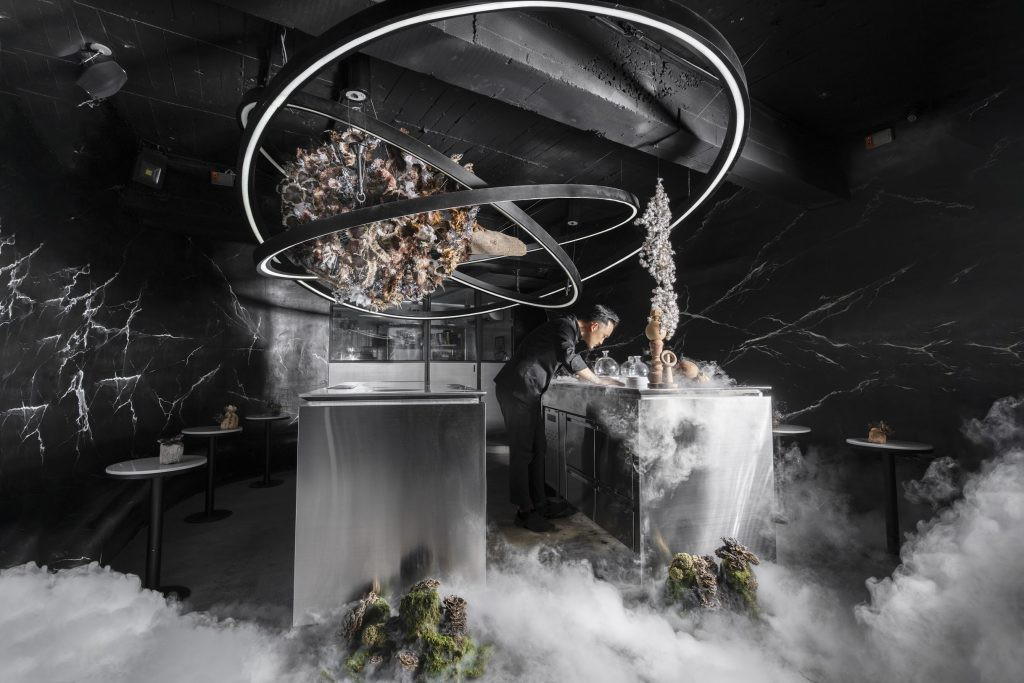
Restaurants in Taipei
All restaurants in Taipei →
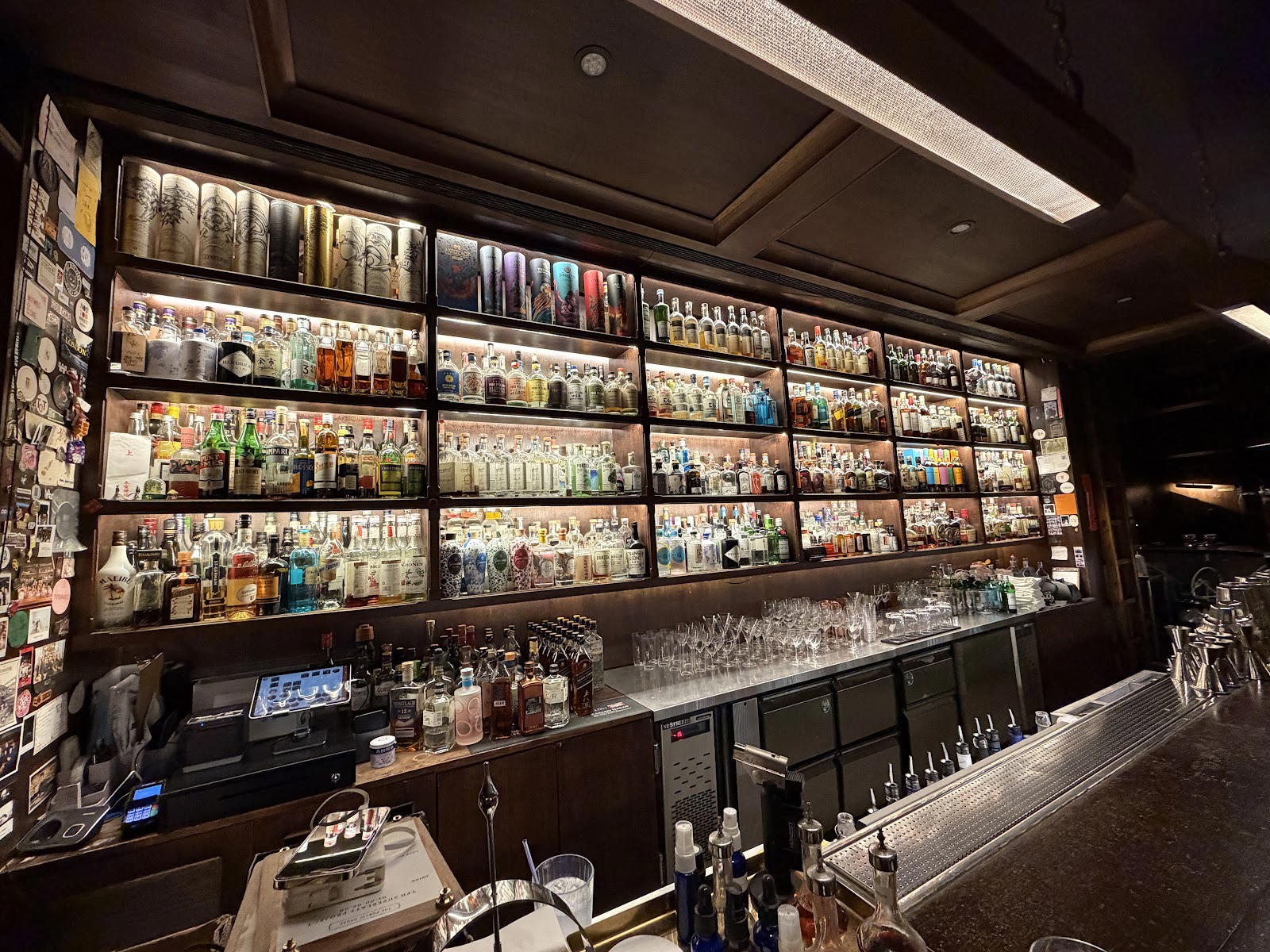
Bars in Taipei
All bars in Taipei →
Hotels in Taipei
All hotels in Taipei →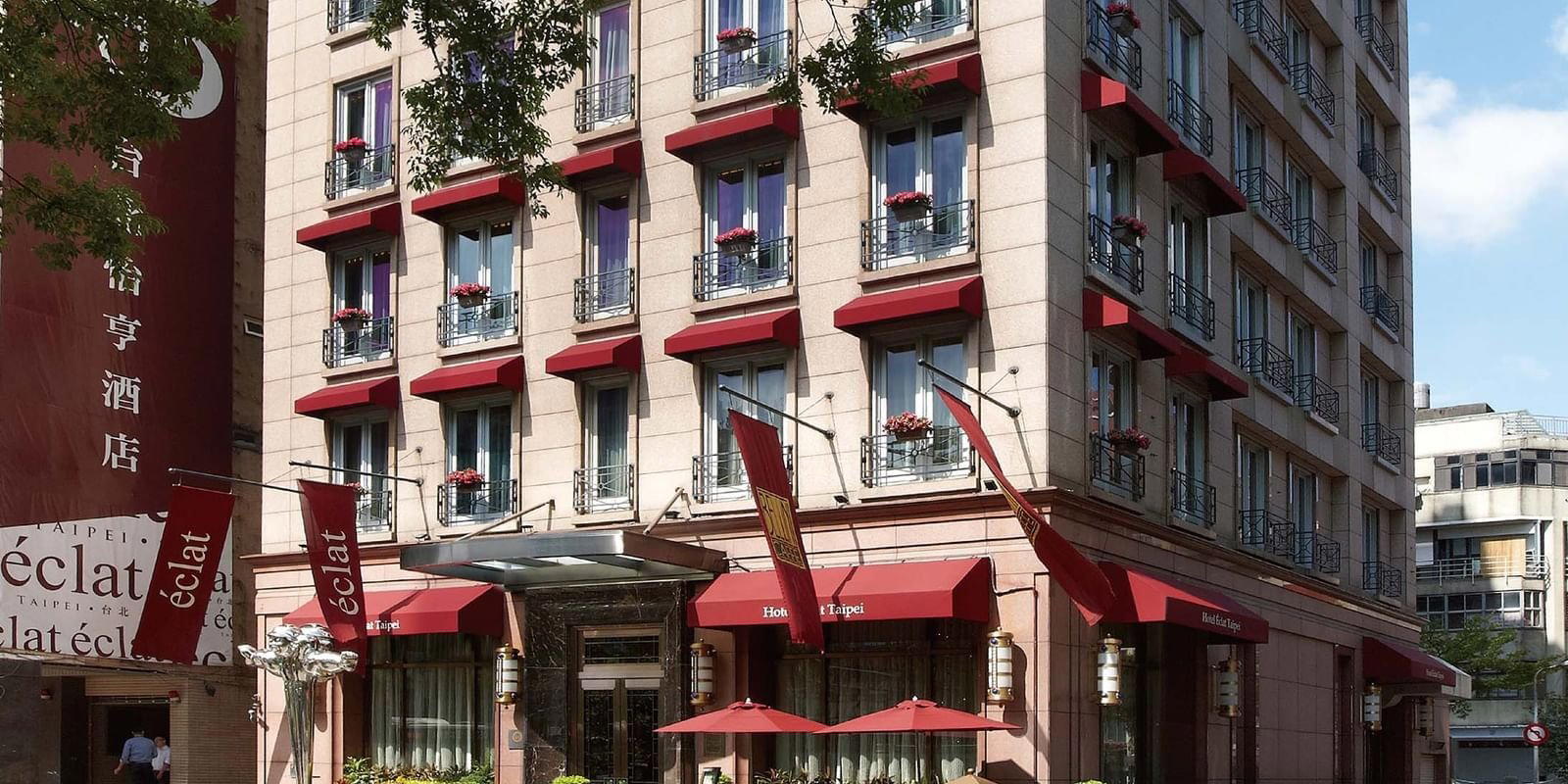
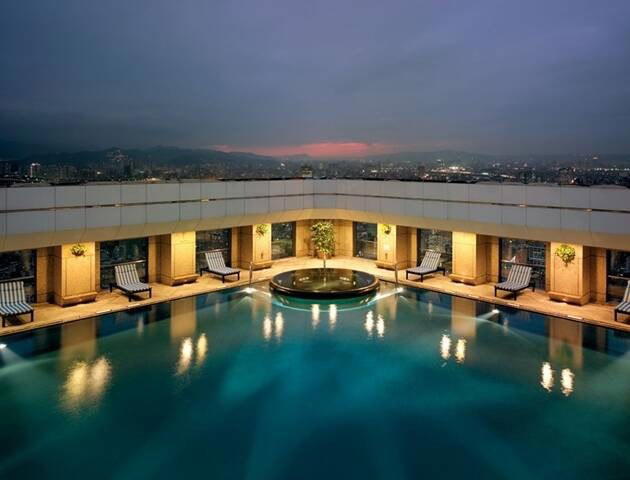
Wineries in Taipei
Browse all →
Details
- Classic
- Cozy
- Brunch
- Casual Hangout
- Standalone
- A La Carte