
Tabelog 100 #83
Our verdict
Yondai Kashin brings Sapporo’s wagashi culture into focus: precise, low-cost Japanese traditional sweets with recognition from Tabelog’s 2023 Japanese traditional sweets and sweets cafe EAST 100 selection. The draw is not ceremony for its own sake, but the quiet discipline of a sweets shop where pacing, takeaway habits, and everyday gifting sit close to formal tea culture.

Pearl is the En Primeur Club membership app, where members save venues, book tables and use the concierge.
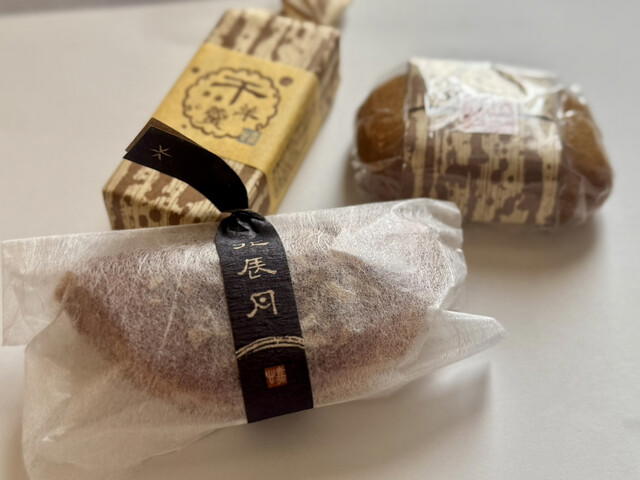
Sapporo moves at a different register away from the station-front rush: quieter sidewalks, everyday errands, and a stronger sense of local routine. In that setting, Japanese sweets are not treated only as dessert after a restaurant meal. They are bought with intention, carried home, shared with family, or set beside tea in a ritual that values proportion over spectacle.
That distinction matters in Hokkaido, where visitors often arrive chasing seafood, ramen, soup curry, or dairy desserts. Wagashi asks for a slower reading of the city. The category is built around seasonality, texture, wrapping, and social use: sweets for tea, sweets for visits, sweets for small gifts, sweets that mark the calendar without turning the act into performance. Yondai Kashin belongs to that tradition, and its selection for Tabelog Hyakumeiten in 2023 places it within a broader conversation rather than merely a local one.
Wagashi in Sapporo rewards restraint rather than spectacle
Sapporo’s dining reputation is often built on abundance: crab, lamb, miso ramen, curry, dairy, and long winter appetites. Wagashi works in the opposite direction. The ritual is shorter, quieter, and more exacting. A purchase can take minutes, but the judgment sits in details that are easy to overlook: how a sweet relates to tea, how sweetness is moderated, how the piece travels, and whether it feels suited to the season rather than merely decorative.
Within that frame, Yondai Kashin operates in a casual register, not a formal tasting-menu register. The useful comparison is not with broader Sapporo dining rooms such as Ni no Kura, but with the city’s serious everyday specialists. That group includes places where a single category carries the reputation: a focused stop at [Curry Senmon Ten] Maruyama Kyoju., other focused counters, or specialist shops where one craft is made legible. The common thread is focus. The meal may be inexpensive, brief, or takeaway-led, but the craft is legible to people who know the category.
That is why awards matter differently here. A Tabelog Hyakumeiten selection for Japanese traditional sweets does not imply luxury theatre. It signals that a humble format has been judged against other specialists in a category where repeat local use is often more persuasive than a single celebratory visit. In Sapporo, that kind of recognition is useful because the city’s stronger known food narratives can drown out smaller rituals.
The ritual is purchase, pause, and tea
Japanese sweets culture is not only about what is eaten. It is also about timing. Daytime trade suits wagashi because the sweets often function as gifts, tea companions, or items to take home rather than late-night desserts. The pacing is practical: choose, package, carry, serve. That order gives the shop format its own discipline. It also explains why the experience reads as casual even when the craft has serious standing.
Etiquette is simple. Buy with the occasion in mind rather than treating the counter like a sampler tray. For a hotel room tea break, smaller quantities make sense; for visiting someone locally, presentation and portability matter. Sapporo’s cold season can also change the rhythm of sweets buying, because daytime errands compress around weather and light. The point is that this is a sweets business shaped by local patterns, not a late-service restaurant trying to catch visitors after dinner.
The category also resists the imported language often used around pastry. Wagashi is not French patisserie with different ingredients. Its grammar is tied to tea, ceremony, gifting, seasonal motifs, and a Japanese preference for controlled sweetness. That makes Yondai Kashin useful for travelers who want to understand Sapporo beyond seafood markets and ramen counters. It shows how the city absorbs national food traditions into daily life rather than presenting them as museum pieces.
How to place it in a Sapporo food day
The right way to use a wagashi stop is as punctuation, not as the main meal. Build the day around a stronger lunch or dinner category, then let sweets occupy the space between. Sapporo is especially good for this because its restaurant map is broad without being chaotic: soup curry, noodles, Japanese dining rooms, cafes, and specialist shops can sit within the same day if the pacing is sensible.
For focused planning, other Sapporo specialists show another side of the city’s appetite for singular formats. For a wider sweep, use Our full Sapporo restaurants guide, then pair the food route with Our full Sapporo hotels guide, Our full Sapporo bars guide, Our full Sapporo wineries guide, and Our full Sapporo experiences guide. The point is not to turn wagashi into an itinerary trophy, but to give it the right scale: a precise stop inside a day of broader eating.
Seen against Japan’s wider casual dining culture, the appeal is also structural. The country has many specialist formats that look modest but carry deep technique: focused rooms, charcoal-led izakaya formats, coffee-and-cafe stops, and category-driven counters. Even outside Japan, Japanese food culture often travels through similarly focused formats. Wagashi belongs in that same mental file: compact, disciplined, and easy to underrate if judged only by meal size.
Yondai Kashin is therefore strongest as a lens on Sapporo’s quieter food habits. The spend is low, the format is casual, and the recognition is category-specific. Those three facts define its value. It is not trying to compete with the city’s elaborate dinner rooms; it gives shape to a different ritual, one where the decisive act is choosing a sweet for the right moment and letting tea, timing, and restraint do the rest.
Frequently asked questions
Is Yondai Kashin formal or casual?
It reads as a casual stop rather than a formal dining room: Yondai Kashin is a Japanese traditional sweets shop in Sapporo. The setting is built for an easy wagashi purchase, not a sit-down course meal.
When is Yondai Kashin open?
Check current opening details directly before visiting, as the provided venue facts do not specify regular hours.
What price level is Yondai Kashin?
Pricing at Yondai Kashin is listed as - JPY 999.
Where is Yondai Kashin located?
Sapporo.
What is Yondai Kashin known for?
Yondai Kashin is known for Japanese traditional sweets and for being recognized in Tabelog Hyakumeiten 2023. Its listed price range places it in an everyday sweets bracket.
Where It Fits
Nearby venues at a similar price tier for orientation.
| Venue | Cuisine | Price | Awards | Notes |
|---|---|---|---|---|
| Yondai KashinThis venue (the venue you are viewing) | Japanese Confectionery (Wagashi) | Not listed | Tabelog 100 #83 | Not listed |
| Menya 169 | Modern Japanese Ramen | $1–10 | Tabelog 100 #4 | Chūō |
| THIRTY FOUR | Soup curry restaurant | $10–20 | Tabelog 100 #41 | Toyohira |
| Shinmen Hotaka | Hokkaido Ramen Shop | $10–20 | Tabelog 100 #16 | Atsubetsu |
| Sumire Sapporo susukino ten | Japanese Ramen | $10–20 | Tabelog 100 #1 | Chūō |
| Menya Ozawa | Hokkaido Ramen | $1–10 | Tabelog 100 #78 | Shiroishi |
Recognition history
Dated appearances from independent guides and award organizations, with the underlying list record or original source where available.
Tabelog 100 #83 · No. 83
Tabelog · Tabelog 100 - Japanese traditional sweets / Japanese sweets cafe - EAST - 2023
Continue exploring
More in Sapporo
Restaurants in Sapporo
All restaurants in Sapporo →![[Curry Senmon Ten] Maruyama Kyoju. restaurant in Sapporo](https://cdn.enprimeurclub.com/storage/v1/object/public/images/rehost/ccd9bb9e-2fd2-483e-85fa-c573b12dbc08/hero1.jpg?width=3840&quality=75)
Bars in Sapporo
All bars in Sapporo →





Details
- Quiet
- Classic
- Cozy
- Casual Hangout
- Family
- Solo
- Standalone
- Local Sourcing
- Street Scene
- A La Carte
Current opening hours
- Monday
- Closed
- Tuesday
- 10 AM–6 PM
- Wednesday
- 10 AM–6 PM
- Thursday
- 10 AM–6 PM
- Friday
- 10 AM–6 PM
- Saturday
- 10 AM–6 PM
- Sunday
- 10 AM–6 PM
Hours can change for holidays and private events. Hours as of .
Traditional, understated sweets-shop atmosphere with a calm neighborhood feel and a long-established local presence.