
Tabelog 100 #78
Our verdict
Menya Ozawa belongs to Sapporo’s compact, high-turnover ramen culture, where lunch service carries much of the city’s everyday noodle habit and evening bowls feel more deliberate. Its Tabelog Ramen HOKKAIDO 100 selections in 2024 and 2025 place it inside a competitive Hokkaido ramen bracket, with a small counter-and-table format that suits solo diners, families, and ramen-focused itineraries in Kikusui.

Pearl is the En Primeur Club membership app, where members save venues, book tables and use the concierge.
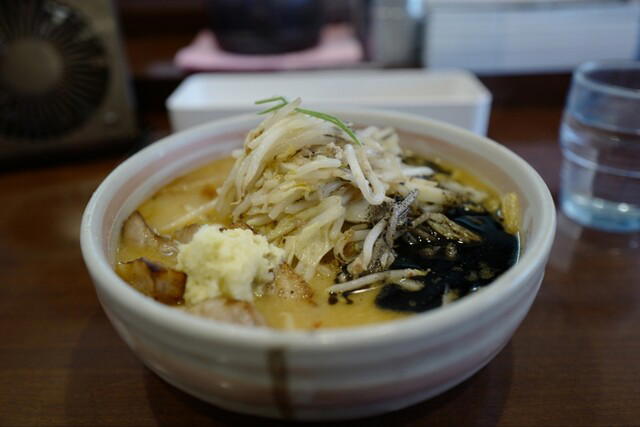
The menu
What to order
- Miso ramen
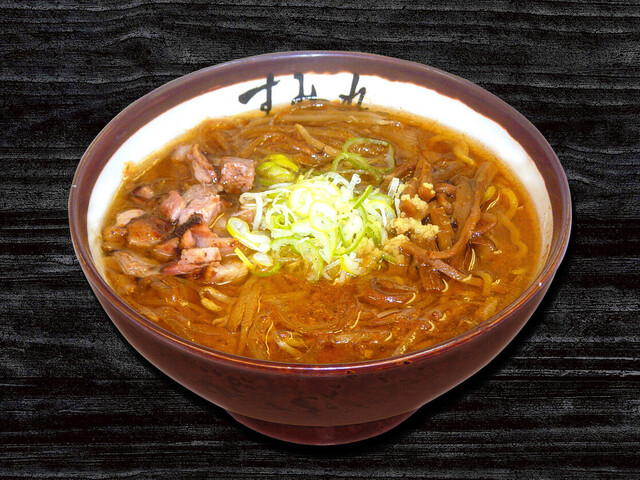
- Ramen with spicy negi
- Ramen with ginger
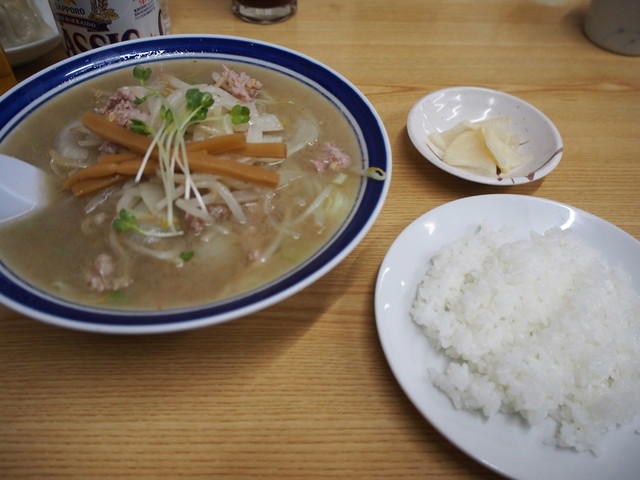
In Sapporo, the ramen shop experience starts before the bowl: an urban street, a modest frontage, and the practical rhythm of diners arriving with little ceremony. Menya Ozawa fits the city’s ramen grammar rather than trying to dress it up. The room is compact and built for turnover, the kind of setting where the distinction between lunch and dinner matters because the same category of food plays differently depending on the hour.
Sapporo ramen carries a heavier civic burden than ramen in many Japanese cities. It is tourist shorthand, local comfort, late-season fuel, and a serious ranking category all at once. The better shops are not defined by luxury signals; they are judged by consistency, bowl identity, noodle handling, and whether the format survives repeat local use. Menya Ozawa’s inclusion in Tabelog Ramen HOKKAIDO 100 in 2025 is useful because it places the shop in that local competitive frame, not in a destination-dining fantasy.
Lunch carries the local rhythm; dinner changes the pace
Daytime ramen in Sapporo is transactional in the good sense: arrive, decide quickly, eat while the bowl is at its intended temperature, and move on. That rhythm suits Menya Ozawa’s compact footprint. A close, practical room keeps the meal near the kitchen action without turning it into performance. For solo diners, the focused ramen format is part of the appeal; for small groups, the low-ceremony setup keeps the shop easier than more formal dining rooms.
The evening mood shifts because Sapporo’s ramen culture after dark competes with other casual, drinking-led, and quick-meal routes. A ramen dinner can be a destination in itself or the clean final decision after a broader night out. In that context, a low-price bowl becomes an unusually efficient use of a dinner slot. Compared with Sapporo peers such as Chuka Soba California and Ise no Jo Kikusui honten, Menya Ozawa occupies the value-sensitive end of Sapporo’s serious ramen conversation. Other Sapporo names including Spice Pot Kikusui honten, Toripaitan Soba Yuu, and CAN CUN move through the same broader casual-dining landscape, which makes the lunch-versus-dinner calculation sharper here.
That price context matters in Sapporo because the city rewards narrow specialization. A traveler could spend an entire day moving from ramen to other casual formats without entering formal dining territory. For wider mapping, Our full Sapporo restaurants guide is the cleaner starting point; ramen should be treated as one part of the city’s eating pattern rather than a standalone checklist.
Sapporo gives the bowl a local register
Sapporo’s ramen field changes depending on how close a diner is to busier visitor routes, and that changes how a ramen stop reads. The most obvious ramen areas can feel performative because the queue itself becomes part of the experience. At Menya Ozawa, the appeal is less theatrical: a direct meal, a practical room, and a format that makes sense for diners who have already learned that Sapporo’s strongest food experiences are not confined to a single visitor circuit.
The setting also helps explain why this shop fits multiple occasions without changing its character. A compact ramen room makes it natural for a solo bowl. The straightforward format keeps it workable for quick meals and small-party planning. None of these details make the meal grander; they make it more usable, which is often the difference between a ramen shop admired once and one folded into repeat city habits.
For visitors building a broader Sapporo stay, the practical split is simple: use ramen for the meal slots where speed and specificity matter, then reserve more leisurely time for bars, hotels, and regional excursions. The city’s drinking culture is better planned separately through Our full Sapporo bars guide, while lodging choices sit in Our full Sapporo hotels guide. Hokkaido wine and producer visits remain a different planning category, covered in Our full Sapporo wineries guide, and seasonal cultural planning belongs in Our full Sapporo experiences guide.
How to read Menya Ozawa within Sapporo's casual dining field
The useful way to read Menya Ozawa is not as a trophy stop, but as a disciplined ramen address with enough recognition to matter and enough everyday function to remain grounded. The Tabelog Hokkaido selection signals peer validation in a crowded ramen region. The listed price range of - JPY 999 - JPY 999 signals a shop that competes through bowl quality and throughput rather than ceremony. The compact room signals that timing affects comfort, especially when lunch demand compresses around workday hours.
That makes it a strong fit for travelers who want Sapporo’s ramen culture without turning the meal into an all-day project. It also pairs well with a city itinerary that treats Japanese casual dining seriously across categories: other noodle shops, curry counters, and bakery-led detours. Together, they show a city where casual formats carry serious culinary weight.
For readers comparing across Japan and beyond, the point is category literacy. A compact ramen shop in Sapporo should not be judged by the same cues as formal regional dining, charcoal-led cooking, cafe culture, or sake-led bars elsewhere. Menya Ozawa belongs to the part of the map where value, speed, locality, and repeatability are the criteria that count.
Frequently asked questions
Where is Menya Ozawa in Sapporo?
Sapporo.
How much does it cost to eat at Menya Ozawa?
Pricing at Menya Ozawa is listed as - JPY 999 - JPY 999.
What are Menya Ozawa's hours?
Hours for Menya Ozawa are not specified here; check directly before visiting.
What is Menya Ozawa known for?
Menya Ozawa is known as a ramen shop in Sapporo, with Tabelog Ramen HOKKAIDO 100 recognition in 2025.
Reputation Context
Comparable venues side-by-side for orientation.
| Venue | Cuisine | Price | Awards | Notes |
|---|---|---|---|---|
| Menya OzawaThis venue (the venue you are viewing) | Hokkaido Ramen | $1–10 | Tabelog 100 #78 | Not listed |
| Ramen Arata | Sapporo ramen with Korean-inspired options | $10–20 | Tabelog 100 #59 | Chūō |
| CURRY ’OHANA | Japanese Curry House | Not listed | Tabelog 100 #85 | Higashi |
| Wadashi Ramen Umekichi | Japanese dashi-based ramen | $10–20 | Tabelog 100 #70 | Chūō |
| Aji no Sanpei | Historic Sapporo miso ramen shop | $10–20 | Tabelog 100 #37 | Chūō |
| Ame wa, Yasashiku | Modern Sapporo Ramen | $10–20 | Tabelog 100 #7 | Shiroishi |
Recognition history
Dated appearances from independent guides and award organizations, with the underlying list record or original source where available.
Tabelog 100 #78 · No. 78
Tabelog · Tabelog 100 - Ramen - HOKKAIDO - 2025
Continue exploring
More in Sapporo
Restaurants in Sapporo
All restaurants in Sapporo →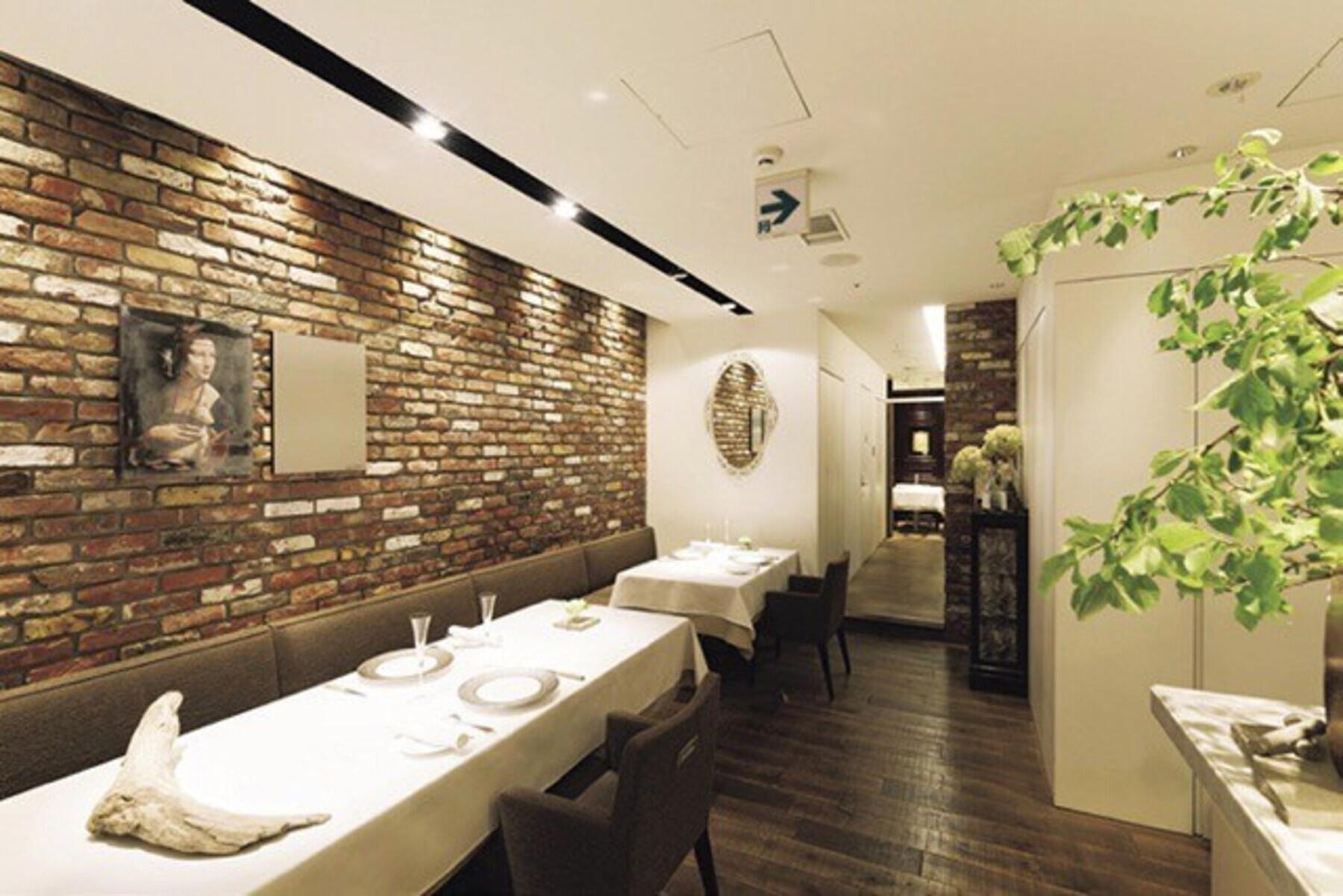
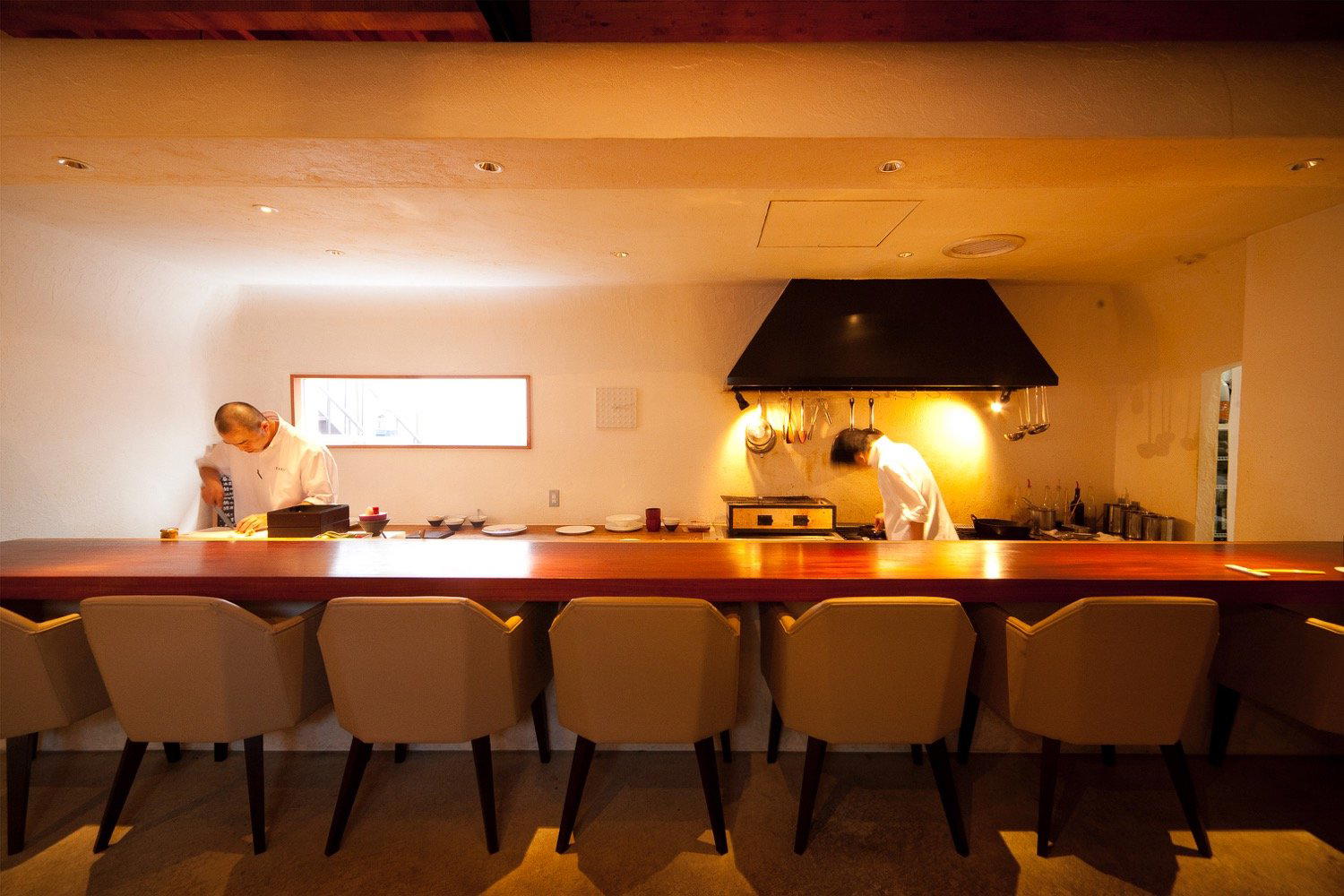
Bars in Sapporo
All bars in Sapporo →
Details
- Casual
- Cozy
- Solo
- Family
- Casual Hangout
- Standalone
- A La Carte
- Counter Dining
Current opening hours
- Monday
- 11 AM–3 PM
- Tuesday
- 11 AM–3 PM
- Wednesday
- 11 AM–3 PM
- Thursday
- Closed
- Friday
- 11 AM–3 PM, 6–10 PM
- Saturday
- 11 AM–3 PM, 6–10 PM
- Sunday
- 11 AM–3 PM, 6–10 PM
Hours can change for holidays and private events. Hours as of .
Direct, welcoming ramen-shop atmosphere aimed at being easy for everyone to enter, including children, women, and older guests.