
Tabelog 100 #4
Our verdict
Menya 169 places Sapporo ramen in a quieter, south-central pocket of the city rather than the neon-heavy tourist circuit. The draw is a compact, low-price ramen format with Tabelog Ramen HOKKAIDO 100 selections in 2024 and 2025, useful for travellers comparing serious local bowls without moving into tasting-menu territory.

Pearl is the En Primeur Club membership app, where members save venues, book tables and use the concierge.
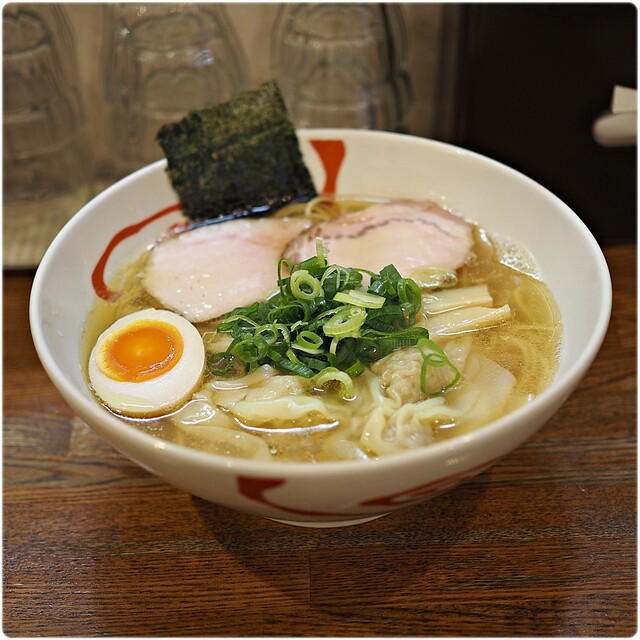
The menu
What to order
- Hojun Shoyu Soba
- Truffle Chicken Soba
- Roast Beef Topped Ramen
- Chicken and Sardine Shoyu Ramen
In Sapporo, Menya 169 is best approached as a focused ramen stop rather than a theatrical destination meal. That matters. Sapporo’s ramen culture is often reduced to big-station convenience and miso-rama nostalgia, but stronger bowls in Hokkaido are frequently understood through repeat trade, broth discipline, and consistent execution rather than décor.
Menya 169 belongs to that tighter category. It is listed as a ramen shop in the - JPY 999 bracket, and it was selected for Tabelog Ramen HOKKAIDO 100 in 2025. In a city where ramen can function as airport meal, late-night stop, snow-day comfort, and serious craft category at once, those signals place it closer to Sapporo’s specialist end than its casual tourist one.
Sapporo ramen without the station-front filter
Sapporo rewards diners who look beyond the most obvious routes. The city’s ramen identity is often associated with cold-weather richness, but the contemporary scene is broader: shops compete on soup clarity, noodle texture, limited space, and repeatable execution. Menya 169’s Sapporo setting shifts the meal away from a purely visitor-heavy frame and into a more local pattern, where a focused stop can shape the experience as much as the bowl.
That city context is the point. A ramen stop in Sapporo is not necessarily asking for a long evening; it is usually built around focus and little ceremony. Smaller-format noodle shops also change the economics of attention. Without the buffer of destination-dining theatre, pacing, queuing, and consistency become part of the craft. This is where Sapporo’s ramen culture is more useful to serious travellers: not as a single famous style, but as a network of focused shops that each define a narrower version of the city’s appetite.
Compared with Koku Ichiban Ramen Midoriya, another Sapporo ramen reference, Menya 169 is the one here with a listed - JPY 999 price band and recent Hokkaido-wide Tabelog 100 recognition. For travellers mapping a broader Sapporo eating day, the contrast with soup curry houses such as Curry Kong and MEDICINEMAN is instructive: ramen remains the faster, tighter-format choice, while soup curry often stretches into a more leisurely plate-and-spice meal. EP Club’s wider Sapporo coverage places those decisions alongside other dining in Sapporo.
A focused shop where recognition matters more than theatre
Ramen awards need reading differently from fine-dining awards. They rarely describe luxury; they point to consistency inside a crowded field. The Tabelog Ramen HOKKAIDO 100 selection in 2025 gives Menya 169 a clear trust signal in a prefecture where ramen is not a niche category. A score of 3.60 also sits in the range where Japanese review culture tends to reward dependable specialists rather than novelty-chasing restaurants.
The available record fits that reading. This is not a page built around a chef biography, and the absence of that kind of narrative is not a weakness. Ramen culture often treats the bowl, queue, and pace as the evidence. In Sapporo, that can be more revealing than a grand dining room: a low-priced shop has to win through repetition, especially when it operates in a city already saturated with noodle options.
Menya 169 also shows how price can sharpen a travel decision. A - JPY 999 ramen budget leaves room for a second Sapporo food stop in the same day, which matters in a city where curry, seafood, bakeries, and bars compete for limited itinerary space. Pairing this kind of lunch with a separate dinner plan is a stronger strategy than treating ramen as the whole day’s culinary statement. For broader planning, Our full Sapporo restaurants guide is the natural starting point, with parallel city coverage through Our full Sapporo hotels guide, Our full Sapporo bars guide, Our full Sapporo wineries guide, and Our full Sapporo experiences guide.
How to place it in a Sapporo itinerary
The practical reading is simple: treat Menya 169 as a focused ramen stop, not a flexible all-day dining option. Its public profile points to an affordable ramen shop in Sapporo, so it suits travellers who are already building a food day around the city rather than those trying to make one bowl carry an entire itinerary.
The strongest use case is a diner who wants a serious, low-cost bowl and is willing to build timing around a ramen shop. Solo diners and small groups should plan around current operating details rather than assuming flexible availability.
For readers comparing Japanese dining formats beyond Hokkaido, the contrast is useful. A ramen shop like this occupies a different travel role from more leisurely destination meals, café stops, sake bars, or casual snack formats elsewhere. Menya 169 is narrower, faster, and more local in its demands, which is exactly why it belongs on a Sapporo itinerary built around place rather than spectacle.
Frequently asked questions
Where exactly is Menya 169?
Sapporo.
How much does it cost to eat at Menya 169?
Pricing at Menya 169 is listed as - JPY 999.
How hard is it to get a table at Menya 169?
Menya 169 is a focused ramen shop in Sapporo, so it is best treated as a planned stop rather than a flexible all-day dining option. Check the venue's official channels for current operating details.
What is Menya 169 known for?
Menya 169 was selected for Tabelog 100 - Ramen - HOKKAIDO in 2025. It is a ramen shop in Sapporo with a Tabelog score of 3.60.
Is Menya 169 good for vegetarians?
The public record lists the category as ramen and does not provide a vegetarian menu. With pricing listed as - JPY 999, it reads as a focused ramen stop rather than a documented plant-based option. Check the venue's official channels for the latest details.
Can I bring kids to Menya 169?
Check the venue's official channels for the latest details.
A Lean Comparison
Comparable venues to place this listing in its category.
| Venue | Cuisine | Price | Awards | Notes |
|---|---|---|---|---|
| Menya 169This venue (the venue you are viewing) | Modern Japanese Ramen | $1–10 | Tabelog 100 #4 | Not listed |
| Curry Kong | Japanese Soup Curry | $10–20 | Tabelog 100 #30 | JPY 2,000 - JPY 2,999 |
| MEDICINEMAN | Sapporo soup curry house | $10–20 | Tabelog 100 #100 | JPY 1,000 - JPY 1,999 JPY 1,000 - JPY 1,999 |
| Nukumi | Contemporary Kaiseki | $150–200 | Tabelog Bronze #330 | Crab |
| Koku Ichiban Ramen Midoriya | Ramen shop | $1–10 | Tabelog 100 #65 | JPY 999 |
| shimoyamitenaeizuru | Innovative Hokkaido Fusion | $300–500 | Tabelog Bronze #401 | Not listed |
Recognition history
Dated appearances from independent guides and award organizations, with the underlying list record or original source where available.
Tabelog 100 #4 · No. 4
Tabelog · Tabelog 100 - Ramen - HOKKAIDO - 2025
Continue exploring
More in Sapporo
Restaurants in Sapporo
All restaurants in Sapporo →
Bars in Sapporo
All bars in Sapporo →
Details
- Cozy
- Intimate
- Modern
- Solo
- Casual Hangout
- After Work
- Date Night
- Standalone
- A La Carte
- Counter Dining