
Yokokura Udon belongs to Kagawa’s serious sanuki udon culture: low-cost, fast-moving, noodle-led, and judged by texture rather than ceremony. Its Tabelog 100 Udon Kagawa 2024 selection and 3.74 score place it among the prefecture’s recognized specialists, with a family-friendly house-restaurant format that fits Takamatsu’s everyday noodle circuit.
Pearl is the En Primeur Club membership app — saves, bookings, and concierge access live there. Same editors, same standards.
- Address
- 136-1 Kinashicho Kinashi, Takamatsu, Kagawa 761-8026, Japan
- Phone
- +81 87-881-4471
- Website
- yokokura-udon.jp
 Saves & bookings on Pearl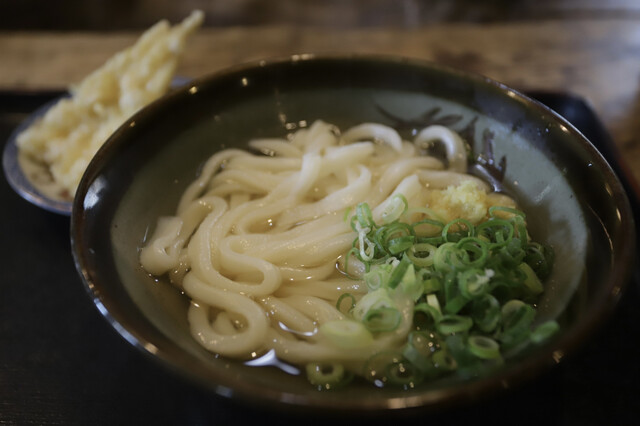
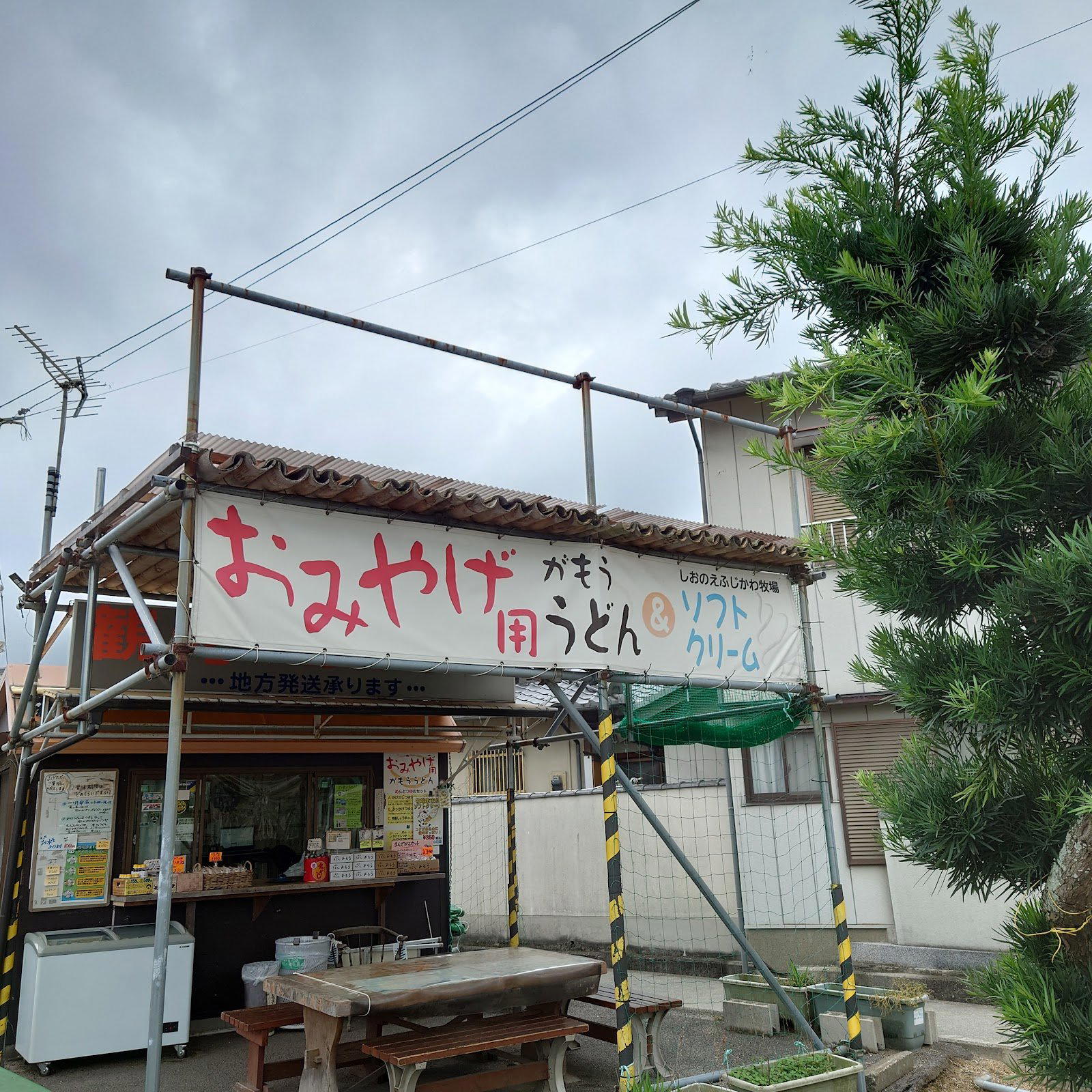
Approaching a Kagawa udon shop is not the theatre of a tasting-menu arrival. The cues are practical: a house-like building, cars turning in and out, regulars moving with the confidence of people who already know the rhythm. In Takamatsu, udon is not a side category to ramen or soba. It is the local grammar of breakfast, lunch, family errands, work breaks, and short detours across town. Yokokura Udon sits inside that grammar rather than above it, which is exactly why it matters.
Sanuki udon’s reputation rests on restraint. The noodle has to carry the meal: wheat, water, salt, kneading, resting, cutting, boiling, and timing. Kagawa’s better shops are judged less by decoration than by how they manage chew, temperature, broth clarity, and turnover. The region has turned a humble format into a highly competitive craft, and Takamatsu remains the natural base for reading the style at street level. For a broader route through the city’s noodle culture, compare it with Azuma, Chikusei Honten, Furukawa Udon, and Furusato Udon.
Sanuki udon in Takamatsu is a craft of speed, texture, and repetition
Kagawa’s udon culture rewards repetition. A visitor looking for elaborate plating will miss the point; the serious work happens in the noodle’s tension and the kitchen’s ability to keep quality consistent through a short service window. Yokokura Udon’s recognition in Tabelog 100 Udon Kagawa 2024 gives it a clear signal in a prefecture crowded with specialists. A Tabelog score of 3.74 is meaningful in this category because the comparison group is dense and locally scrutinized, not padded by novelty-seeking destination diners.
The competitive set matters. Udon Ippuku, Kona Ya, Miyatake Udon, Teuchi Udon Shimizuya, and Marutani Seimen all operate in the same low-price band, which keeps the contest focused on execution rather than luxury cues. This is a useful corrective for travelers coming from Tokyo sushi counters or Kyoto kaiseki rooms: in Takamatsu, a serious meal can be quick, inexpensive, and almost anti-ceremonial. The value is not a discount version of fine dining. It is a different standard of excellence, measured by craft compressed into a bowl.
That standard also explains why sanuki udon resists easy translation for first-time visitors. The choices can look simple, yet small decisions change the experience: hot or cold noodles, broth-led or dipping format, toppings kept restrained or layered in for comfort. Without inventing house specialties, the safer editorial advice is to read the room. Kagawa regulars often treat udon as a modular meal rather than a chef-driven statement. The noodle is the anchor; everything else should support it.
A house-restaurant format keeps the focus on the noodle, not the occasion
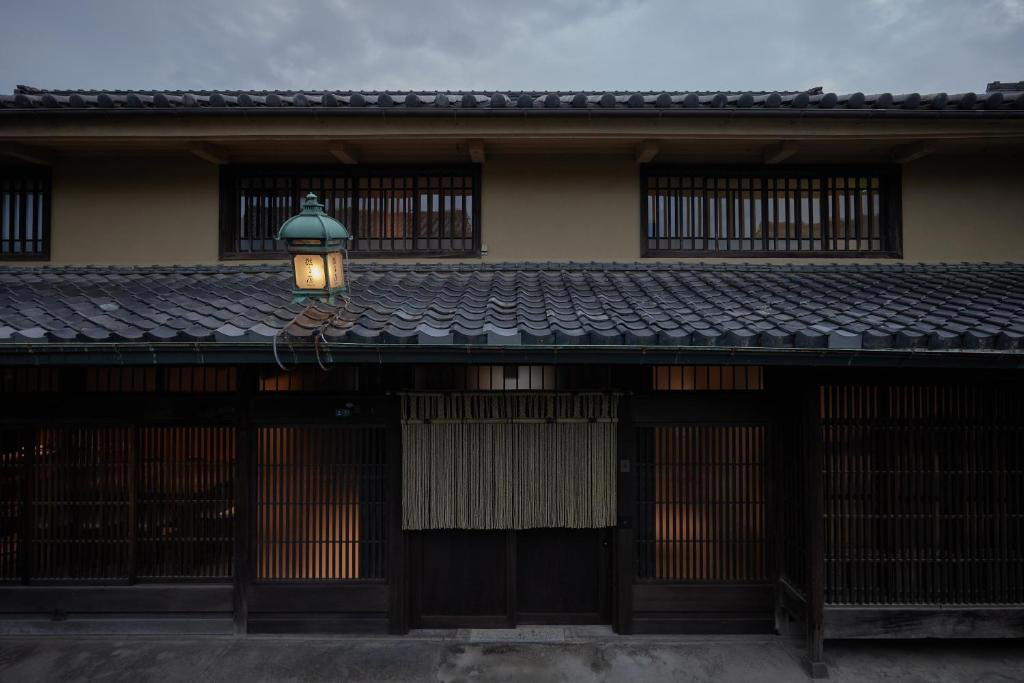
The setting belongs to Takamatsu’s everyday dining pattern: a house restaurant, a mixed seating arrangement, and a family-friendly register of service. That format matters culturally. Sanuki udon is not built around the hush of a counter or the pacing of a course menu. It is communal, efficient, and local without being precious. The presence of tatami seating alongside standard seats reinforces the point: this is a category that serves children, office workers, neighborhood regulars, and visiting noodle pilgrims without changing its identity for any one group.
Take-out service also fits the broader udon ecology. Kagawa’s noodle shops often function as part of daily life rather than special-occasion dining, and the practical ease is part of the appeal. The absence of private rooms or private-use framing keeps expectations in the correct lane. This is not a venue to turn into a long lunch. It is a place to understand why a prefecture became synonymous with a wheat noodle, and why that noodle can support an entire travel itinerary.
For readers mapping a fuller Takamatsu stay, the restaurant sits better in a day built around neighborhood movement than in a single-destination plan. The city rewards this style of eating: one udon stop, a coffee break, a waterfront walk, then another shop for contrast. Fumiya Okonomiyaki Honten adds a different register of casual cooking; see Fumiya Okonomiyaki Honten for that side of the city. Broader planning lives in Our full Takamatsu restaurants guide, with hotel context in Our full Takamatsu hotels guide, drinking notes in Our full Takamatsu bars guide, wine references in Our full Takamatsu wineries guide, and cultural planning in Our full Takamatsu experiences guide.
How to read Yokokura Udon against Japan's casual dining map
Japan’s casual dining culture is often misunderstood by travelers who equate importance with expense. The country’s strongest everyday formats, udon, soba, curry, okonomiyaki, onigiri, izakaya cooking, and specialist cafés, often run on tight menus, narrow expertise, and repeat customers. That is the lens to use here. The restaurant is not competing with luxury restaurants; it is competing within Kagawa’s demanding noodle field, where low prices make weak execution more visible rather than less.
That context is useful beyond Takamatsu. A specialist udon shop in Kagawa, a regional okonomiyaki room, a curry counter in Sapporo, or an onigiri shop in California all ask the same question: how much craft can a narrow format carry? For comparison across casual Japanese and Japan-adjacent formats, see [Curry Senmon Ten] Maruyama Kyoju. in Sapporo, Onigiri Time in Pasadena, Jōdo Saké Bar in Los Angeles, and.cafe in Osaka. For other specialist categories, -Grilled beef Sukiyaki- KAMAKURA TANUKIAN 鎌倉 たぬき庵 in Kamakura. 鮪と炭火焼き うお炭 秋葉原店 in Tokyo.know in Kumamoto, and (Shoku) Vietnam in Kawasaki show how narrow formats can define a meal without leaning on ceremony.
The editorial case for the restaurant is therefore direct: it gives Takamatsu visitors a credible entry into sanuki udon culture without requiring the vocabulary of haute cuisine. The Tabelog 100 Udon Kagawa 2024 selection supplies external recognition; the local format supplies the lesson. Come for the noodle tradition, not for spectacle, and the meal makes sense within minutes.
Budget Reality Check
Side-by-side context: comparable cuisine and price.
| Venue | Cuisine | Price | Notes |
|---|---|---|---|
| Yokokura UdonThis venue — the venue you are viewing | Takamatsu, Sanuki Udon | $ | Not listed |
| Udon no Den | Takamatsu, Traditional Sanuki udon shop | $ | Not listed |
| Fumiya Okonomiyaki Honten | Not listed | $ | Takamatsu, Okonomiyaki (Japanese savory pancakes) |
| Sanuki Udon Kobo Ai Style | Takamatsu, Sanuki udon noodle shop | $ | Not listed |
| Honkaku Teuchi Moriya | Takamatsu, Sanuki Udon | $ | Not listed |
| Udonya Matsuhama | Takamatsu, Sanuki Udon | $ | Not listed |
Recognition history
Dated appearances from independent guides and award organizations, with the underlying list record or original source where available.
Tabelog 100 #93 · No. 93
Tabelog · Tabelog 100 - Udon - KAGAWA - 2024
Continue exploring
More in Takamatsu
Restaurants in Takamatsu
Browse all →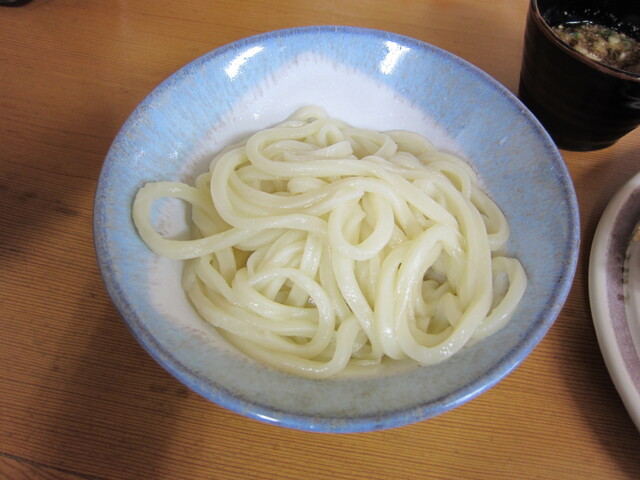
At a Glance
- Classic
- Rustic
- Cozy
- Solo
- Family
- Casual Hangout
- Group Dining
- Historic Building
- Standalone
- Beer Program
- Local Sourcing
- Street Scene
Current opening hours
- Monday
- 8 AM–2 PM
- Tuesday
- 8 AM–2 PM
- Wednesday
- 8 AM–2 PM
- Thursday
- Closed
- Friday
- 8 AM–2 PM
- Saturday
- 8 AM–2 PM
- Sunday
- 8 AM–2 PM
Hours can change for holidays and private events. Last verified .
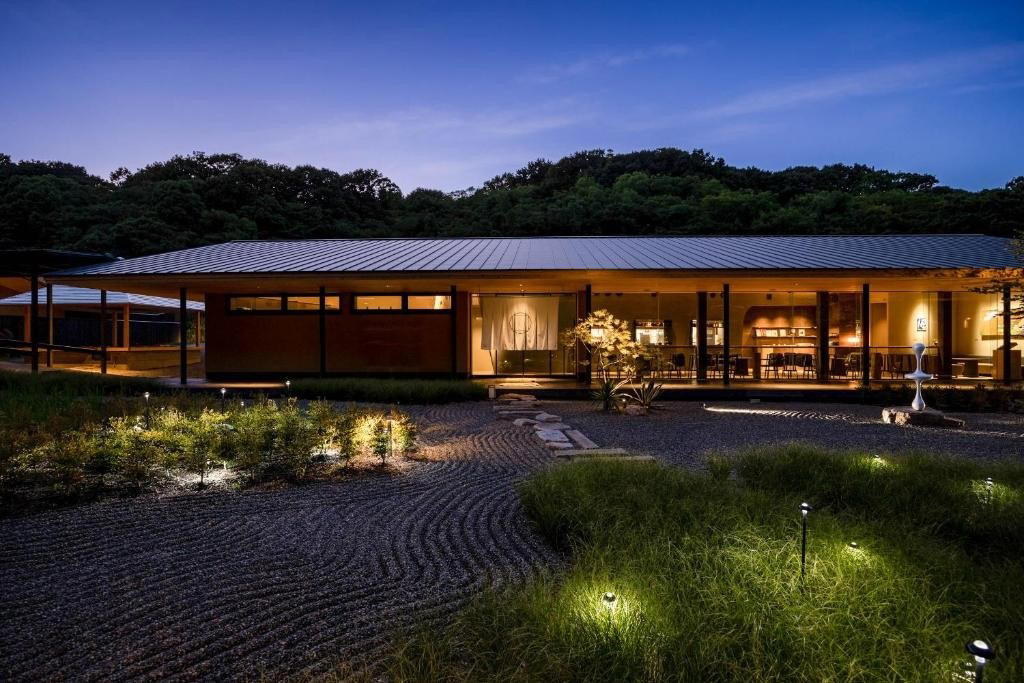
A relaxed, old-fashioned noodle shop atmosphere in a historic house setting, with a simple and welcoming feel.