
Honkaku Teuchi Moriya belongs to Kagawa’s serious Sanuki udon circuit: a hand-made noodle house in Takamatsu with Tabelog 100 Udon Kagawa 2024 recognition and earlier selections in 2017, 2018, 2019, 2020, and 2022. The appeal is cultural as much as culinary, with udon, tempura, and udon-suki sitting inside a prefecture where noodle shops are daily infrastructure, not special-occasion theatre.
Pearl is the En Primeur Club membership app — saves, bookings, and concierge access live there. Same editors, same standards.
- Address
- Japan, 〒761-1704 Kagawa, Takamatsu, 香川町川内原1575-1
- Phone
- +81 87-879-8815
- Website
- mori-ya.jp
 Saves & bookings on Pearl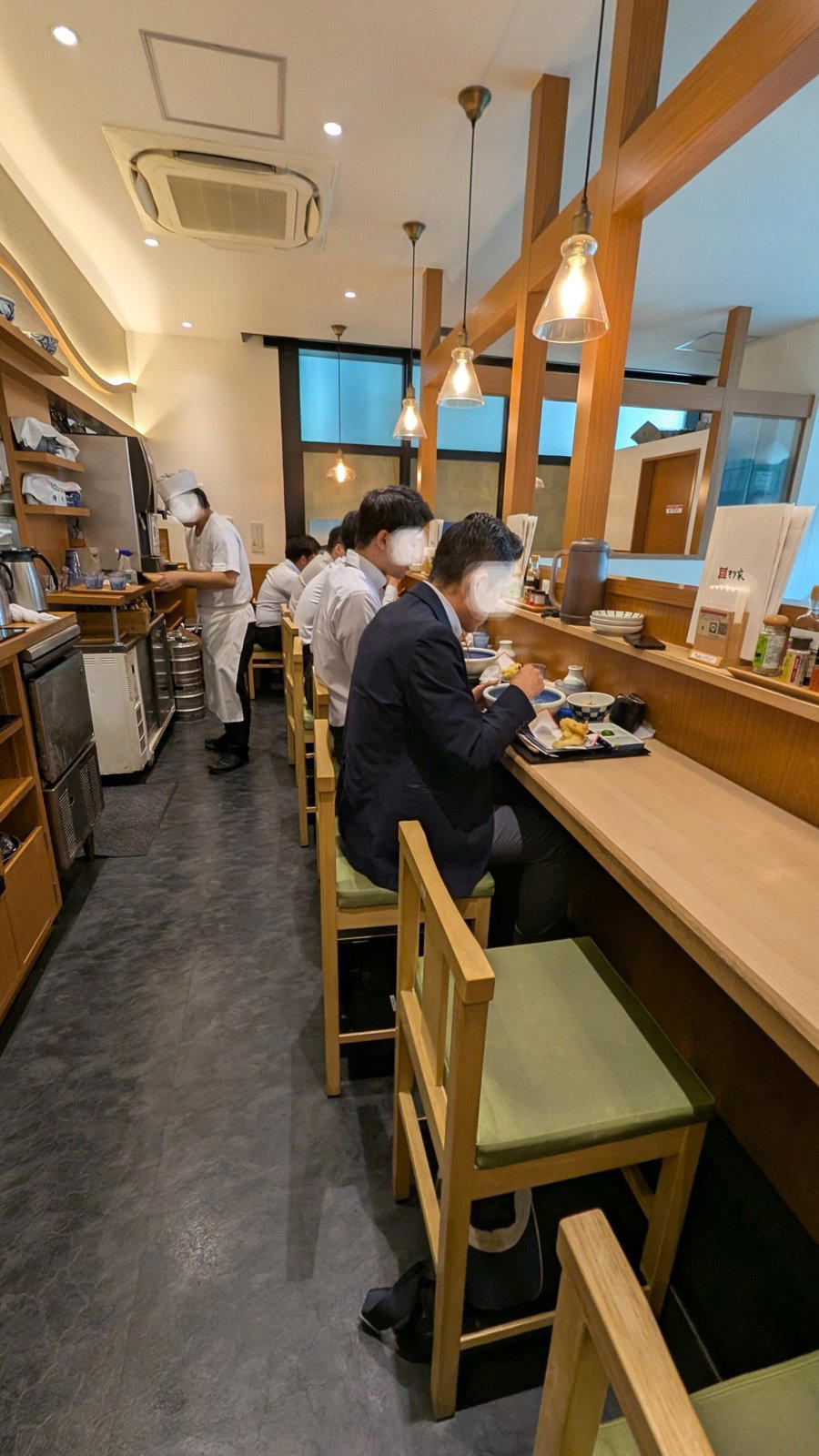
Approaching a Kagawa udon house is rarely about ceremony. The cues are practical: cars pulling in, families moving quickly, the low rhythm of a room built for noodles rather than lingering. In Takamatsu’s udon culture, that matter-of-factness is part of the point. Sanuki udon is not a luxury dialect of Japanese dining; it is a regional staple refined through repetition, wheat, water, salt, and the local expectation that texture carries as much authority as broth or garnish.
That is the frame for Honkaku Teuchi Moriya. Its place in the conversation comes from category discipline, not from chef mythology or imported tasting-menu logic. The restaurant is listed for udon, tempura, and udon-suki, and its recognition on Tabelog 100 Udon Kagawa 2024 places it inside a local field where noodle craft is judged against a deep bench of specialists. Earlier Tabelog 100 udon selections in 2017, 2018, 2019, 2020, and 2022 give the listing continuity rather than a single-year burst of attention.
Sanuki udon treated as everyday craft, not performance
Kagawa’s udon identity is built on speed, access, and texture. The prefecture’s noodle culture rewards shops that can turn out consistent bowls for regulars, road-trippers, airport arrivals, and families without converting lunch into spectacle. That makes it different from Tokyo counter dining, where scarcity and intimacy often define status. In Takamatsu, credibility is more democratic: a noodle shop has to survive comparison across ordinary meals.
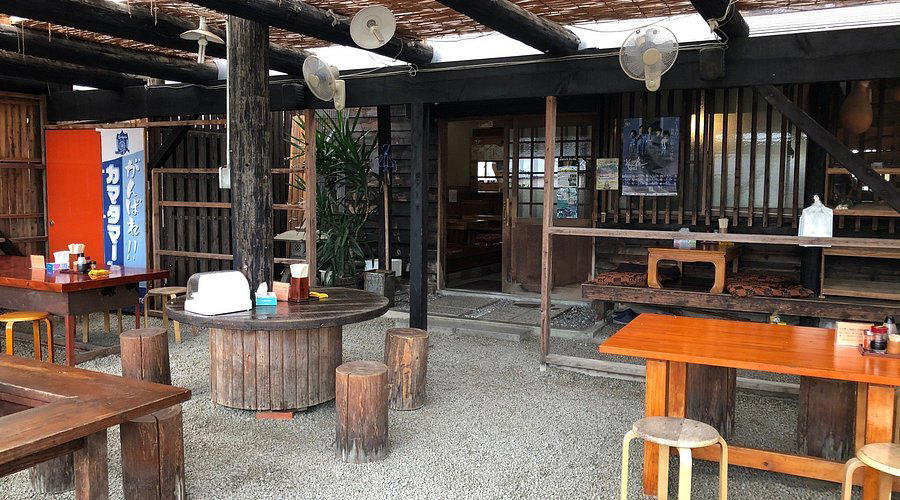
Within that field, the house-restaurant format matters. It signals a local rhythm closer to regional eating than destination dining, with table seating and tatami seating both part of the experience. The room’s scale also changes the read: 50 seats is not a hushed counter, but it is not a factory either. For travellers, that puts the meal in the useful middle ground between folkloric udon pilgrimage and an easy family stop.
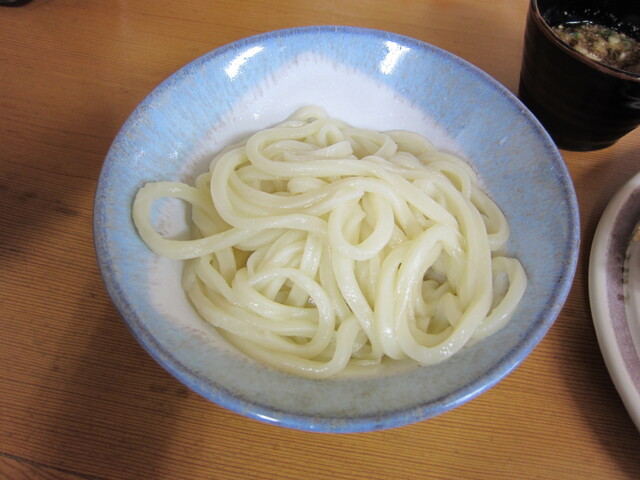
The menu categories tell their own story. Udon remains the core language, while tempura and udon-suki extend the meal without turning it into a multi-course performance. Sake is listed, but the centre of gravity stays with wheat noodles. That restraint is important in Kagawa, where the pleasure of Sanuki udon is often tied to chew, temperature, broth style, and pace rather than ornament.
Readers mapping Takamatsu’s noodle scene should treat Moriya as part of a wider circuit rather than a single isolated destination. Azuma, Chikusei Honten, Furukawa Udon, and Furusato Udon help sketch the city’s range, while Fumiya Okonomiyaki Honten shows how casual regional cooking in Takamatsu is not limited to noodles. For broader planning, use Our full Takamatsu restaurants guide alongside Our full Takamatsu hotels guide, Our full Takamatsu bars guide, Our full Takamatsu wineries guide, and Our full Takamatsu experiences guide.
Where it sits in Takamatsu's noodle hierarchy
The useful comparison is not with high-priced Japanese restaurants, but with other low-cost Takamatsu udon specialists competing on execution. Kuukai Bou, Ikegami Seimensho, Matsubara, Udon no Den, and Furusato Udon all occupy the city’s casual udon economy, where sub-JPY 1,000 references remain common among peers. Moriya’s listed budget of JPY 1,000 to JPY 1,999 puts it slightly above that leaner bracket, a difference that reads less like formality and more like a broader meal format.
Tabelog’s 3.80 score is another signal, but the stronger trust marker is selection history. In a prefecture crowded with udon specialists, repeated Tabelog 100 recognition suggests the restaurant is being evaluated within the right competitive category. That matters for visitors who have only one or two meals in Kagawa: award context helps separate long-running regional credibility from simple online noise.
The practical character remains casual. Credit cards are not accepted, while electronic money and QR payments are listed. Take-out is available. Children are welcome, private rooms are not part of the format, and the room includes tatami seating. Non-smoking rules apply indoors, with smoking limited to the outside bench area. These details point to a Japanese regional restaurant operating for regular use rather than dressed-up dining.
Location also shapes the decision. The restaurant sits outside the densest central-railway pattern of Takamatsu dining, with car access more natural than a spontaneous station-area detour. Parking for 40 cars, including large vehicles, reinforces the road-trip logic. That makes it a stronger choice for travellers moving through Kagawa by car, airport routing, or a planned udon itinerary than for someone wanting a walk-in meal between central-city appointments.
For a national comparison of how regional Japanese casual formats travel across cities, EP Club’s restaurant archive ranges from -Grilled beef Sukiyaki- KAMAKURA TANUKIAN 鎌倉 たぬき庵 in Kamakura and. 鮪と炭火焼き うお炭 秋葉原店 in Tokyo to.cafe in Osaka.know in Kumamoto, (Shoku) Vietnam in Kawasaki, and [Curry Senmon Ten] Maruyama Kyoju. in Sapporo. Abroad, the same archive stretches to Japanese-adjacent dining such as Jōdo Saké Bar in Los Angeles and Onigiri Time in Pasadena, useful reminders that Kagawa udon’s power comes from local specificity rather than export polish.
The reader decision
Honkaku Teuchi Moriya is the right kind of stop when the goal is to understand Kagawa through its daily food grammar. It is not trying to translate udon into luxury language, and that is exactly why it belongs on a serious Takamatsu itinerary. The case rests on repeated category recognition, a broad casual format, and a place in a prefecture where udon is judged by locals who eat it often enough to be unforgiving.
Choose it when the day allows for a purpose-built udon stop rather than a central-city convenience meal. The stronger visit is cultural: seeing how a recognized Sanuki udon house functions as family restaurant, road stop, and regional specialist at once. In a city where noodles are not a novelty, that combination carries more weight than polish.
Booking and Cost Snapshot
Nearby venues at a similar price tier for orientation.
| Venue | Cuisine | Price | Notes |
|---|---|---|---|
| Honkaku Teuchi MoriyaThis venue — the venue you are viewing | Takamatsu, Sanuki Udon | $ | Not listed |
| Teuchi Udon Tsurumaru | Not listed | $ | Takamatsu, Late-night Sanuki & curry udon |
| Teuchi Udon Hariya | Not listed | $ | Takamatsu, Traditional Sanuki Udon Counter |
| Teuchi Menya Oshima | Not listed | $ | Takamatsu, Self-service Sanuki udon & soba shop |
| Kona Ya | Not listed | $ | Takamatsu, Self-service Sanuki udon & soba |
| Kuukai Bou | Takamatsu, Sanuki udon | $ | Not listed |
Recognition history
Dated appearances from independent guides and award organizations, with the underlying list record or original source where available.
Tabelog 100 #4 · No. 4
Tabelog · Tabelog 100 - Udon - KAGAWA - 2024
Continue exploring
More in Takamatsu
Restaurants in Takamatsu
Browse all →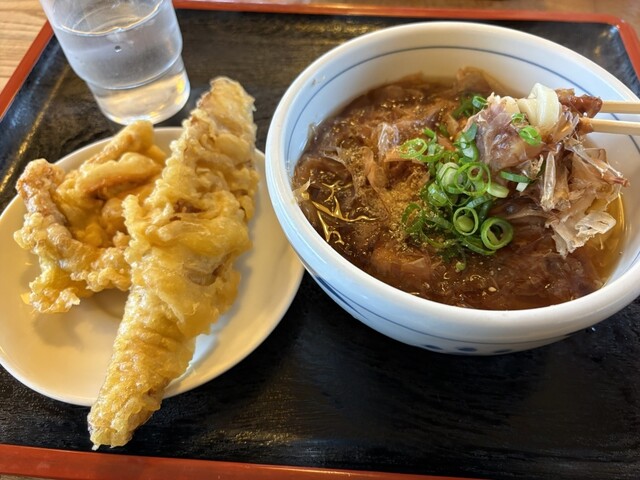
At a Glance
- Classic
- Cozy
- Well Known
- Lively
- Solo
- Family
- Group Dining
- Casual Hangout
- Standalone
- Historic Building
- Beer Program
- Local Sourcing
Current opening hours
- Monday
- 10:30 AM–6 PM
- Tuesday
- 10:30 AM–6 PM
- Wednesday
- 10:30 AM–6 PM
- Thursday
- Closed
- Friday
- Closed
- Saturday
- 10:30 AM–6 PM
- Sunday
- 10:30 AM–6 PM
Hours can change for holidays and private events. Last verified .
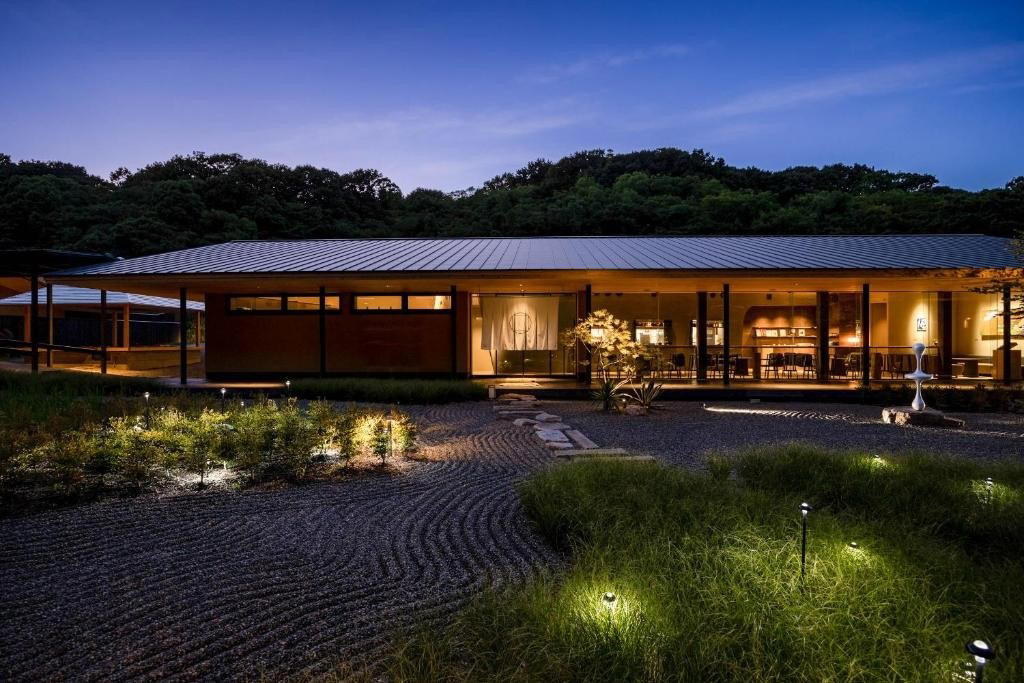
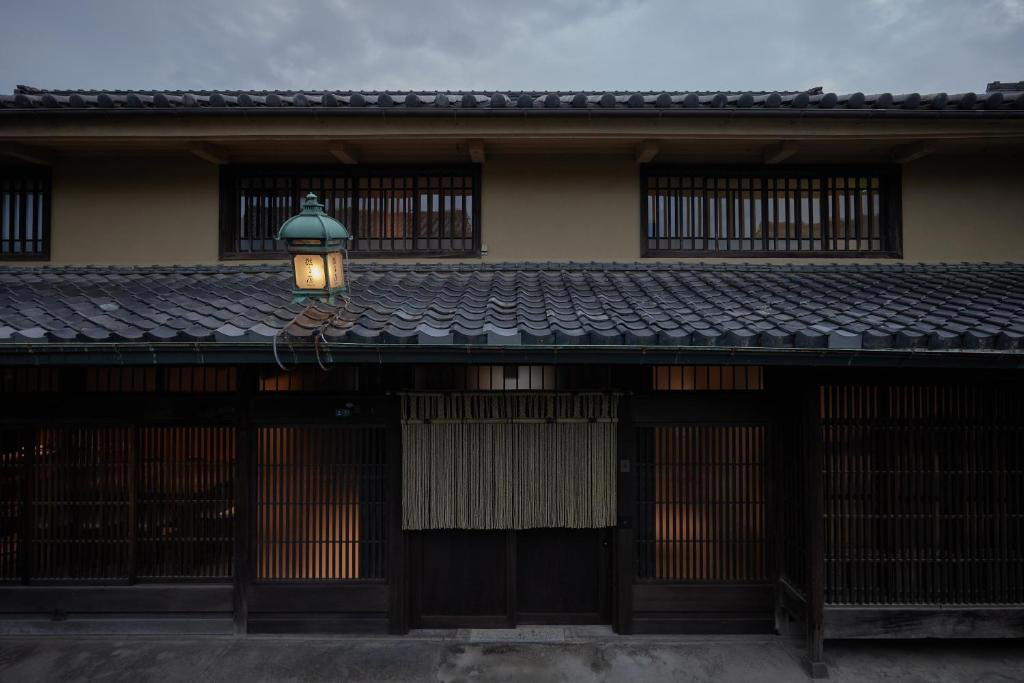
A direct, popular udon shop atmosphere that feels energetic and unpretentious rather than formal.