
Udonya Matsuhama belongs to Takamatsu’s Sanuki udon culture, where everyday pricing and serious noodle craft sit in the same bowl. The house-restaurant format, counter and tatami seating, Tabelog 100 Udon Kagawa 2024 selection, and sub-¥1,000 average spend make it a grounded stop for readers studying Kagawa’s defining food tradition rather than chasing ceremony.
Pearl is the En Primeur Club membership app — saves, bookings, and concierge access live there. Same editors, same standards.
- Address
- 308-1 Motoyamacho, Takamatsu, Kagawa 761-0311, Japan
- Phone
- +81 87-847-3439
- Website
- tabelog.com
 Saves & bookings on Pearl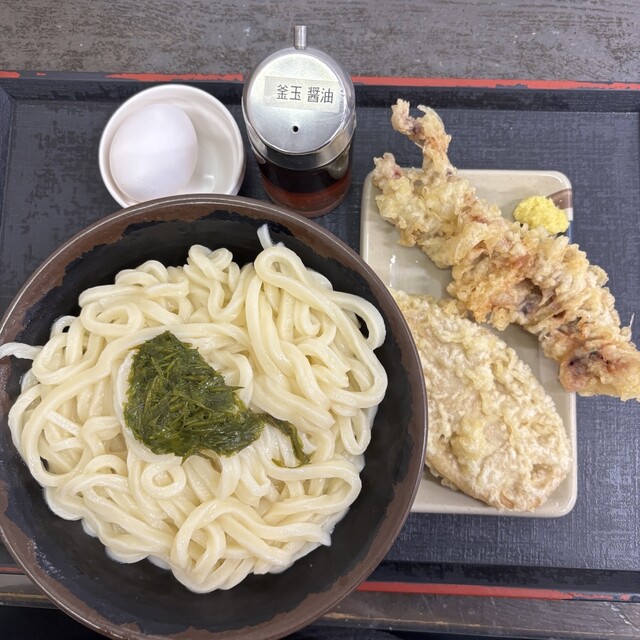
Approaching a Kagawa udon shop often feels closer to entering a working local canteen than a formal restaurant, and that is the point. The rhythm is short-service, daytime, practical: steam, trays, families, solo diners, and a room built for noodles rather than lingering. In Takamatsu, udon is not a side category. It is civic infrastructure, a cheap meal, a regional marker, and a craft tradition that rewards attention to small differences in texture, broth, and self-service customs.
Udonya Matsuhama sits inside that culture rather than above it. Its selection for Tabelog 100 Udon Kagawa 2024 places it within a crowded prefectural field where recognition is not about luxury cues, but about consistency in a region that takes wheat noodles seriously. That matters because Kagawa’s udon scene does not need theatrics to signal quality. A modest house-restaurant can compete on the same terms as better-known city counters: noodle pull, turnover, local trust, and a format that keeps the meal affordable.
Sanuki udon as daily ritual, not restaurant theatre
Sanuki udon’s authority comes from repetition. The form is direct: wheat noodles with spring and chew, broths that may be hot or cold, and toppings or accompaniments that vary by shop. The cultural weight is different from Tokyo sushi or Kyoto kaiseki. Here, price discipline is part of the tradition. A bowl that costs less than a casual coffee in many capitals can still be the subject of regional debate, mapped across station-adjacent counters, roadside shops, family rooms, and lunch-only specialists.
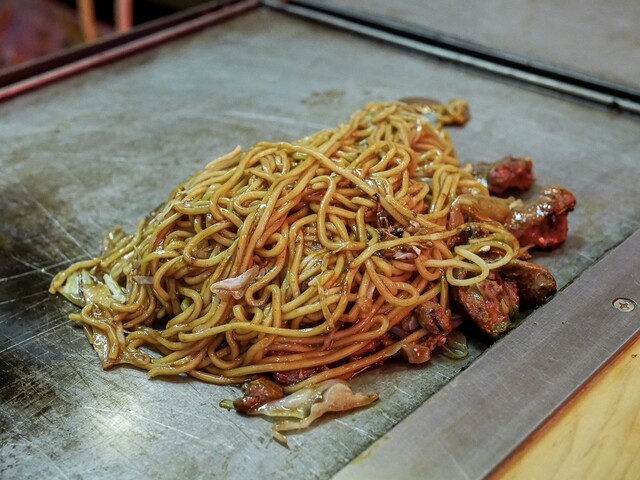
That is why Takamatsu rewards breadth. A visitor can read the city through udon as much as through architecture or museums. Chikusei Honten carries its own place in the local conversation, while Furukawa Udon and Furusato Udon show how many versions of a low-cost noodle meal can exist within one city. Azuma gives another reference point for Sanuki udon’s everyday range, and Fumiya Okonomiyaki Honten helps widen the frame beyond noodles to Takamatsu’s casual cooking culture.
Compared with Yume Kabou Takara Kasugachou honten, Sanuki Udon Kobo Ai Style, Utsumi Udon, Teuchi Udon Masuya, and Furukawa Udon, the price band here sits in the same severe local bracket: under ¥1,000 on average. That parity is useful. In Kagawa, the reader’s decision is less about splurging and more about which expression of a familiar form deserves a slot in a limited itinerary.
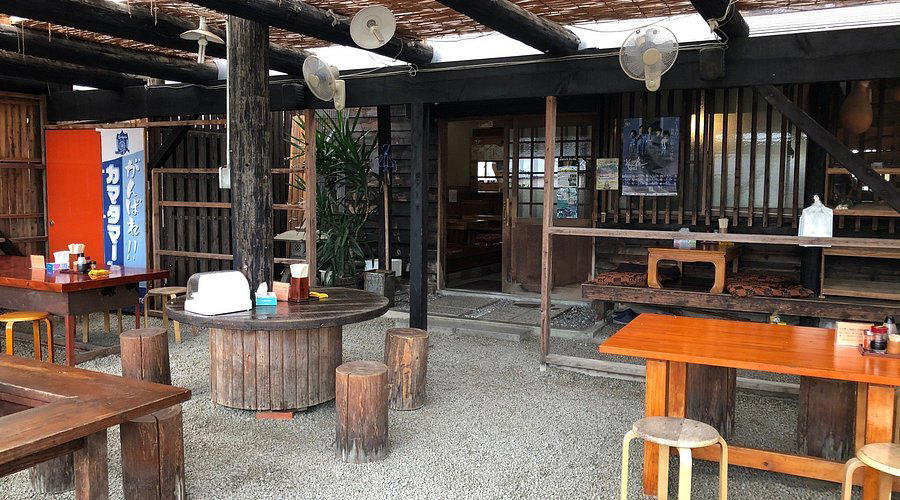
A house-restaurant setting with counter seats, tatami, and no grandstanding
The room format tells experienced udon travellers what to expect. Counter seating suits solo dining and quick meals; tatami seating supports families and small groups; the non-smoking policy makes the space easier for mixed-age visits. Take-out is part of the service pattern, which fits the wider Kagawa habit of treating udon as food for ordinary schedules rather than a fixed dining event.
The house-restaurant location also matters editorially. Takamatsu’s noodle map is not confined to polished commercial strips. Many serious shops sit in residential or semi-residential pockets, where the value of the meal is measured by regularity and repeat custom. Udonya Matsuhama has been open since 2010, giving it enough tenure to belong to the city’s current udon fabric without requiring nostalgic myth-making.
For travellers building a Takamatsu food day, this kind of stop works better as a focused noodle meal than as a long lunch. The format is compact, the average spend is low, and reservations are not part of the model. That creates a different kind of pressure: timing and flexibility matter more than concierge access. The city’s udon culture rewards early movement, simple expectations, and the willingness to compare multiple bowls over a trip.
How to place it within a Takamatsu itinerary
Udonya Matsuhama is a strong fit for readers who want Kagawa’s defining food at its everyday scale: no tasting-menu framing, no chef biography to decode, no luxury markup. The Tabelog 100 Udon Kagawa 2024 selection gives it an external quality signal, but the deeper reason to go is contextual. It shows how Takamatsu’s udon scene can be serious without becoming expensive.
Use it as one point in a broader city map. Our full Takamatsu restaurants guide is the right next step for comparing noodle shops with casual local cooking, while Our full Takamatsu hotels guide, Our full Takamatsu bars guide, Our full Takamatsu wineries guide, and Our full Takamatsu experiences guide help turn a noodle-focused stop into a fuller stay.
Readers extending a Japan food route can also use contrast intelligently. The casual everyday logic here differs from the beef focus at -Grilled beef Sukiyaki- KAMAKURA TANUKIAN 鎌倉 たぬき庵 in Kamakura, the charcoal-and-tuna frame at. 鮪と炭火焼き うお炭 秋葉原店 in Tokyo, the café format at.cafe in Osaka, the contemporary urban tone of.know in Kumamoto, and the Vietnamese cooking at (Shoku) Vietnam in Kawasaki. Further afield, [Curry Senmon Ten] Maruyama Kyoju. in Sapporo, Jōdo Saké Bar in Los Angeles, and Onigiri Time in Pasadena show how Japanese everyday-food categories travel, adapt, or hold their line outside Kagawa.
A Pricing-First Comparison
Nearby venues at a similar price tier for orientation.
| Venue | Cuisine | Price | Notes |
|---|---|---|---|
| Udonya MatsuhamaThis venue — the venue you are viewing | Takamatsu, Sanuki Udon | $ | Not listed |
| Ikegami Seimensho | Takamatsu, Sanuki Udon | $ | Not listed |
| Udonya Goemon | Not listed | $ | Takamatsu, Late-night Sanuki udon & black curry udon |
| Shinpei Udon | Takamatsu, Sanuki udon noodle shop | $ | Not listed |
| Kona Ya | Not listed | $ | Takamatsu, Self-service Sanuki udon & soba |
| Honkaku Teuchi Udon Menmusubi | Takamatsu, Traditional Sanuki Udon | $ | Not listed |
Recognition history
Dated appearances from independent guides and award organizations, with the underlying list record or original source where available.
Tabelog 100 #65 · No. 65
Tabelog · Tabelog 100 - Udon - KAGAWA - 2024
Continue exploring
More in Takamatsu
Restaurants in Takamatsu
Browse all →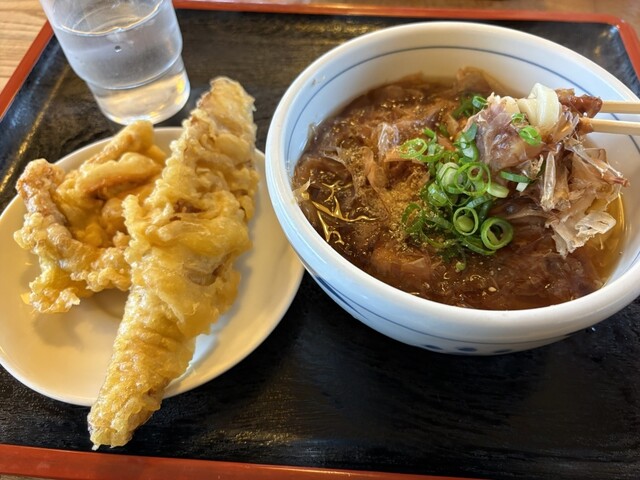
At a Glance
- Classic
- Cozy
- Family
- Solo
- Casual Hangout
- Standalone
Current opening hours
- Monday
- 10:30 AM–2 PM
- Tuesday
- 10:30 AM–2 PM
- Wednesday
- 10:30 AM–2 PM
- Thursday
- 10:30 AM–2 PM
- Friday
- 10:30 AM–2 PM
- Saturday
- 10:30 AM–2 PM
- Sunday
- 10:30 AM–2 PM
Hours can change for holidays and private events. Last verified .
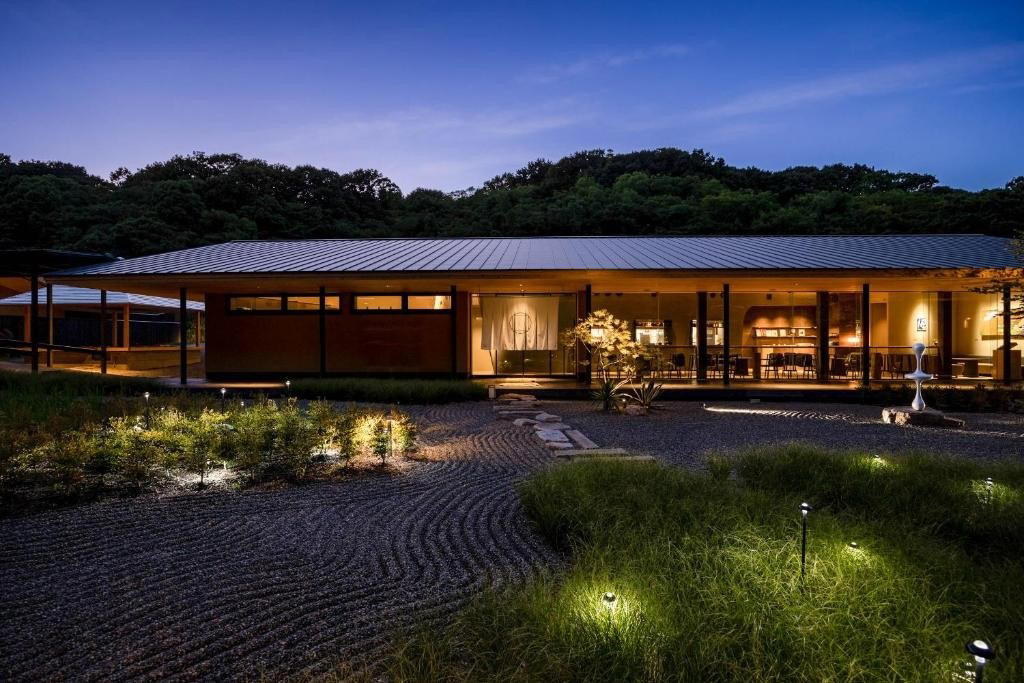
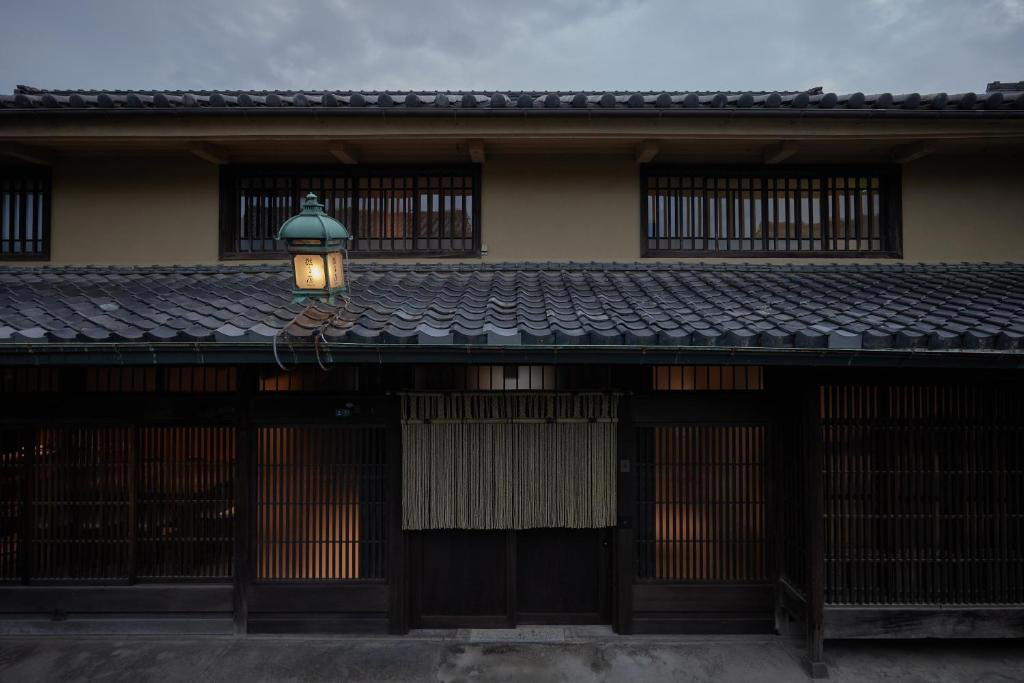
Casual, homey house-restaurant atmosphere with counter seating and a tatami room; the setting is simple rather than polished, with a family-friendly local feel.