Yen Izakaya & Sushi
On Ventura Boulevard's long stretch of neighborhood dining, Yen Izakaya & Sushi occupies the izakaya-sushi overlap that defines casual Japanese drinking culture transplanted to the San Fernando Valley. The format draws from a tradition where small plates, grilled skewers, and raw fish share equal standing, closer to a Tokyo neighborhood spot than a sushi-counter experience. For Studio City regulars, it fills a specific gap between the neighborhood's sushi specialists and its broader casual dining circuit.
Pearl is the En Primeur Club membership app — saves, bookings, and concierge access live there. Same editors, same standards.
- Address
- 12930 Ventura Blvd APT 120, Studio City, CA 91604
- Phone
- +17472472371
- Website
- yenstudiocity.com
- Directions
- Get directions
 Saves & bookings on Pearl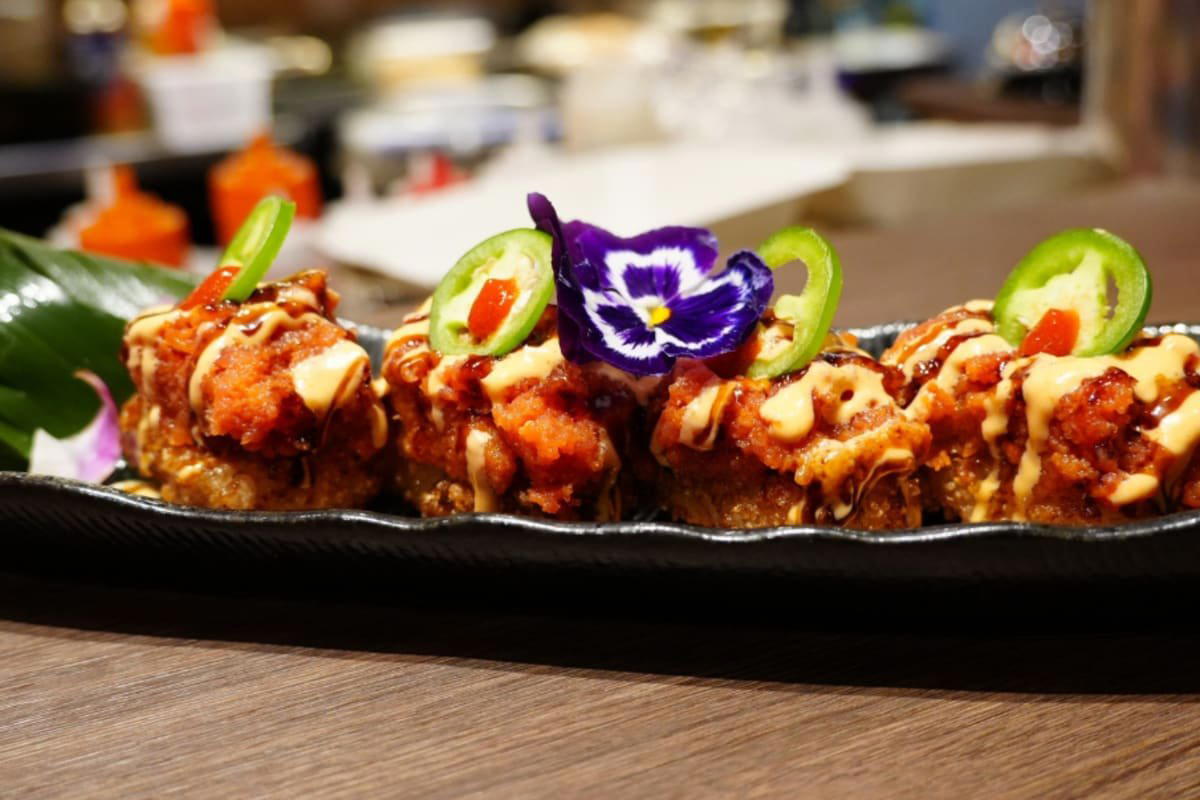
Izakaya on Ventura: The Format That Explains the Menu
Ventura Boulevard through Studio City runs long and eclectic, accumulating decades of neighborhood dining, Jewish delis like Art's Delicatessen & Restaurant, California-inflected pizza from Caioti Pizza Cafe, and a sushi density that reflects the Valley's longstanding appetite for Japanese food. Yen Izakaya & Sushi occupies a specific slot in that mix: the izakaya-sushi hybrid, a format that doesn't quite resolve into either category but makes sense once you understand what an izakaya actually is.
In Japan, the izakaya is a pub-restaurant, a place where drinking and eating are inseparable and neither fully dominates. The menu is designed to accompany alcohol, small plates, grilled proteins on skewers, cold tofu, fried snacks, and yes, sashimi and sushi, but presented as drinking food rather than the centerpiece of a formal meal. It's among the more democratic formats in Japanese food culture, the equivalent of a neighborhood tavern with better cooking. That format, transplanted to Southern California, produces something looser and more sociable than the sushi counter experience, where silence and reverence are often part of the contract.
Studio City's sushi options range from the counter-focused precision of Iroha Sushi to the more casual roll-and-appetizer model of Katsu-Ya. Yen sits in a different register than both, where the izakaya half of the equation softens the formality of a sushi-only visit. This matters for how you plan a meal: the expectation is grazing and sharing across categories, not a linear progression from appetizer to nigiri.
The Cultural Weight Behind a Casual Format
Izakaya culture carries more history than its casual presentation suggests. The format dates to the Edo period in Japan, when sake shops began serving small amounts of food to accompany their drinks, a practice that gradually shifted the balance until food became as central as alcohol. The word itself, izakaya, roughly translates as a place to stay and drink, which captures the ethos: these are destinations for lingering, not destinations for efficient consumption.
That cultural lineage shapes what makes a good izakaya worth visiting. The question isn't just whether the sushi is competent, but whether the full range of small plates creates the kind of table where the evening extends naturally. Skewers of grilled chicken or pork belly, agedashi tofu, edamame, and cold sake or Japanese highballs form the backbone of the experience before raw fish ever enters the picture. In Los Angeles, which has among the more developed Japanese dining scenes outside Japan, the izakaya format occupies its own tier, distinct from the city's Japanese restaurants like Providence and from the trophy omakase counters that now represent the upper bracket of LA Japanese dining.
On a global scale, the contrast is even sharper. Destination restaurants like Atomix in New York City or the multi-course format at Le Bernardin in New York City occupy a fundamentally different register. So do destination tasting-menu experiences at Alinea in Chicago, The French Laundry in Napa, or Lazy Bear in San Francisco. The izakaya operates on entirely different terms, proximity, frequency, and informality are the metrics, not ambition or spectacle. A neighborhood izakaya succeeds by being somewhere you return to weekly, not somewhere you save for anniversaries.
Where Yen Sits in the Studio City Dining Circuit
Studio City's dining character is shaped by its dual identity as a residential neighborhood and an industry-adjacent pocket of the Valley. The result is a restaurant scene oriented toward reliable regulars rather than destination seekers, with a higher-than-average tolerance for formats that other LA neighborhoods might consider niche. Japanese food has deep roots here, fed by proximity to a large Japanese-American population across the San Fernando Valley and decades of restaurant-going habits that have trained local diners to expect something more than the teriyaki-and-California-roll baseline.
Within that context, the izakaya-sushi combination at Yen addresses a genuine local need: a venue where the occasion is loosely defined, where a table of two can drink beer and pick through small plates without committing to a formal omakase or a prix-fixe structure. That flexibility is the point. The format sits comfortably alongside the neighborhood's other stalwarts, including the wood-fired cooking at Feu, without competing on the same terms.
For anyone building a picture of how Studio City eats, the izakaya-sushi pairing is a useful data point about what the neighborhood asks of its Japanese restaurants: accessibility in format, competence across a broad menu, and a price point that allows regular visits rather than occasional pilgrimages.
Single Thread Farm in Healdsburg, Blue Hill at Stone Barns in Tarrytown, Addison in San Diego, The Inn at Little Washington, or Emeril's in New Orleans are built around a different proposition: a singular destination experience, usually priced and structured to signal occasion. The izakaya format is structurally opposed to that model. Its value is in repetition, in becoming a neighborhood anchor rather than a dining event. Internationally, venues like 8 1/2 Otto e Mezzo Bombana in Hong Kong represent the destination end of the spectrum; the neighborhood izakaya represents the other pole entirely.
Planning Your Visit
Yen Izakaya & Sushi is located at 12930 Ventura Blvd, Studio City, CA 91604, in a mixed-use building along one of the Valley's primary commercial corridors. Street parking on Ventura can be tight during evening hours; the building's address suggests access to additional parking in or around the structure. Specific hours, current pricing, and reservation policies are not confirmed here, so contacting the venue directly before visiting is the practical approach. Given the izakaya format, walk-in capacity at the bar may be available, but weekend evenings on a busy stretch of Ventura warrant a call ahead.
Fast Comparison
Comparable venues nearby, for context on price, style, and recognition.
| Venue | Cuisine | Price | Notes |
|---|---|---|---|
| Yen Izakaya & SushiThis venue — the venue you are viewing | Japanese Izakaya & Sushi | $$$ | Not listed |
| Sushi Dan | Japanese Sushi | $$$ | Studio City |
| Lala's Argentine Grill | Argentine Steakhouse | $$$ | Studio City |
| Terra E Mare | Modern Italian Fine Dining | $$$$ | Studio City |
| Teru Sushi | Authentic Japanese Sushi | $$$ | Studio City |
| Vitello's Restaurant | Classic California-Inspired Italian | $$ | Studio City |
Continue exploring
More in Studio City
Restaurants in Studio City
Browse all →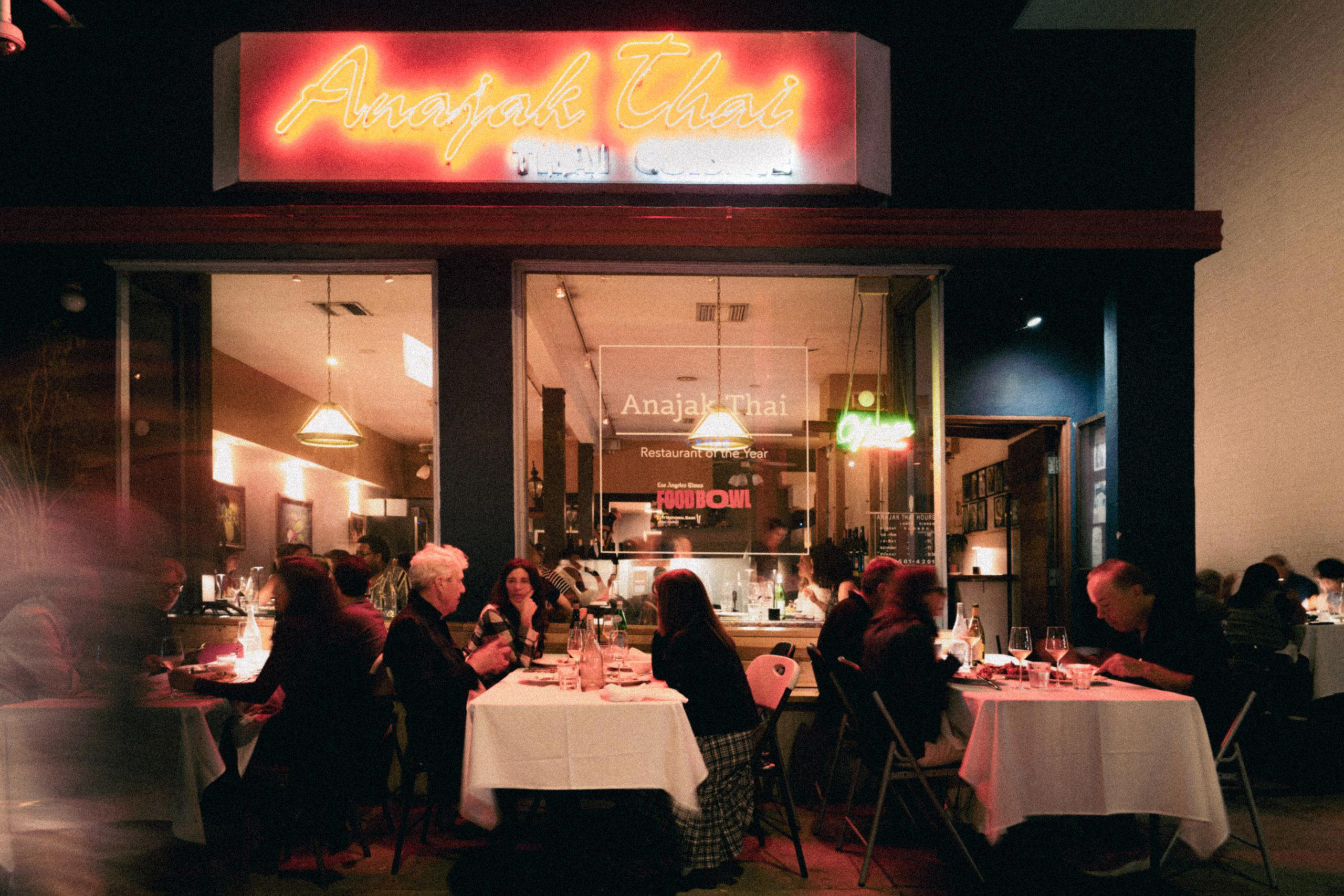
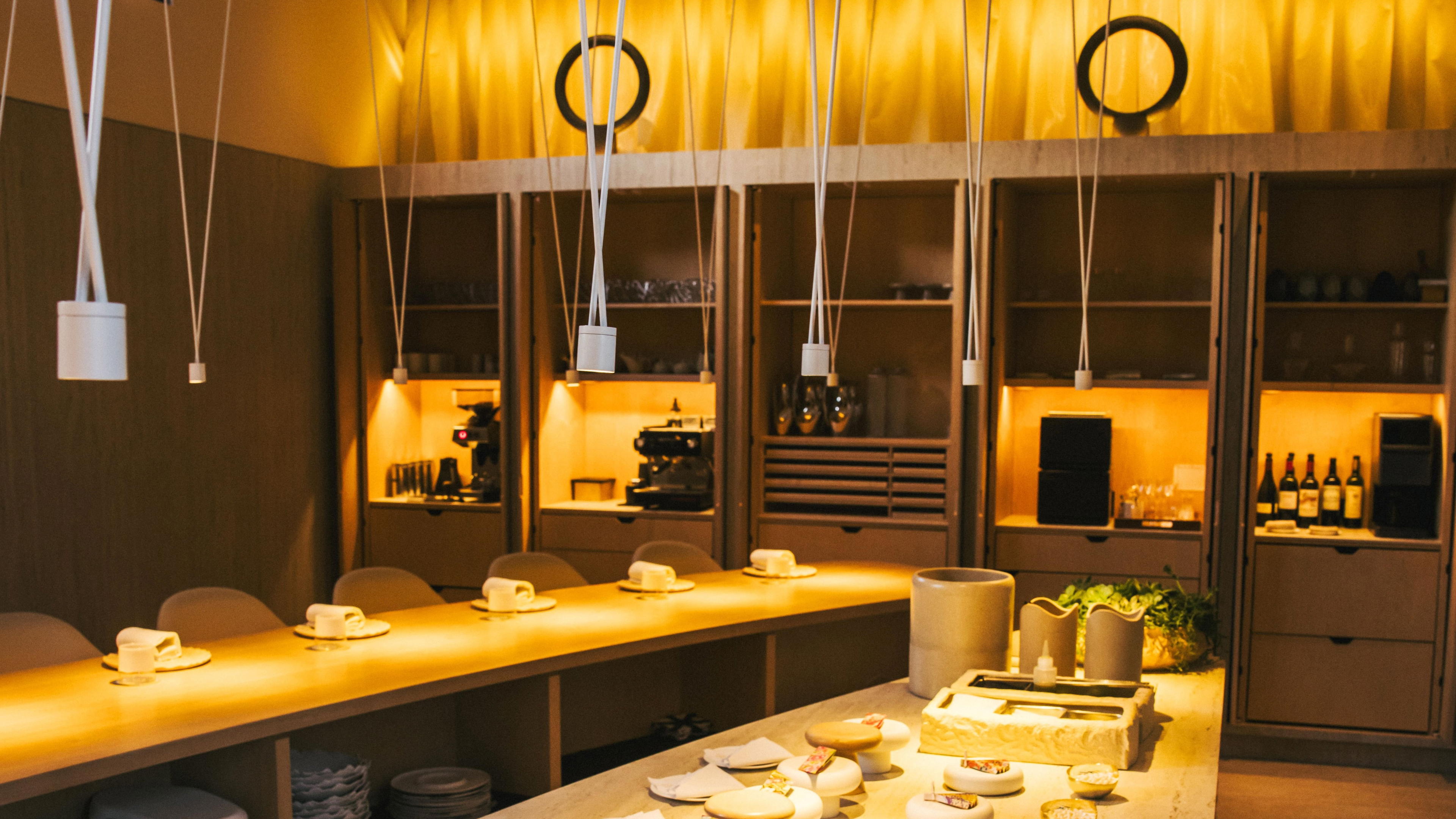
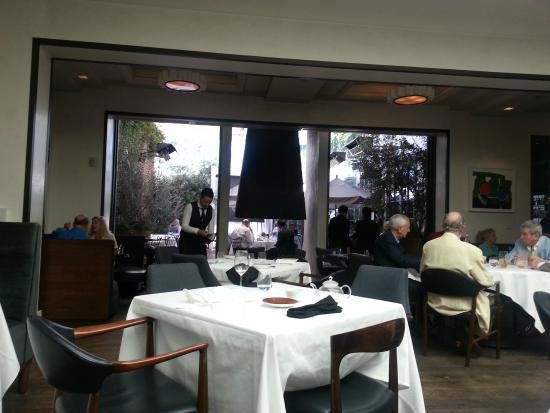
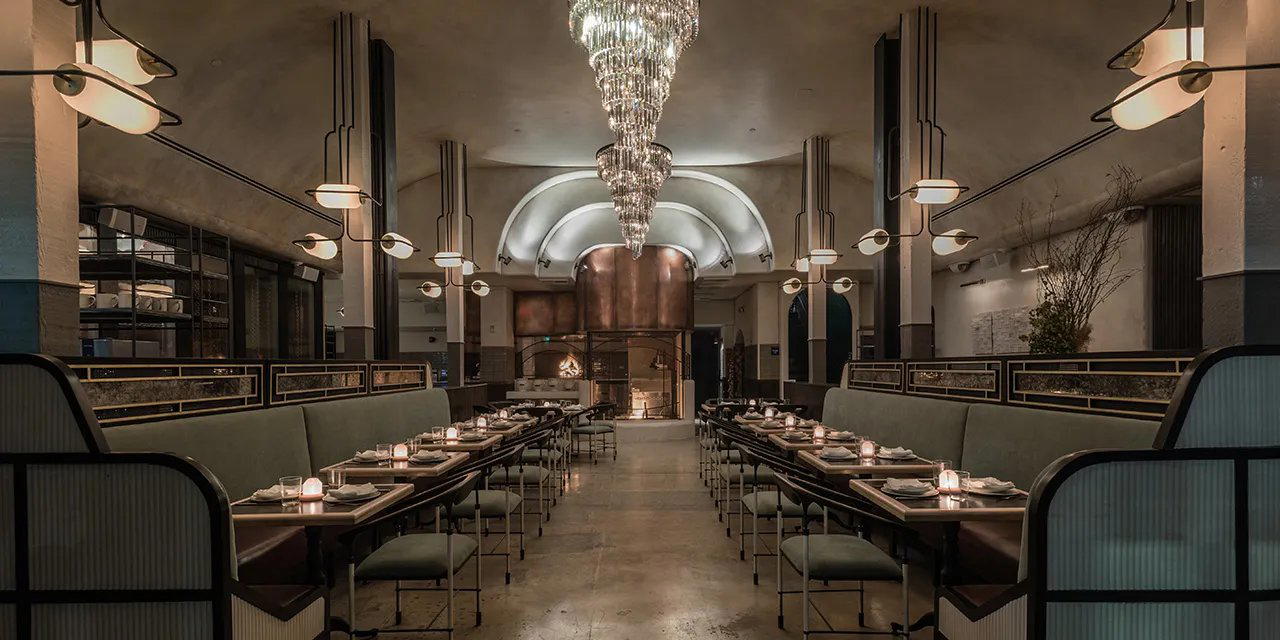
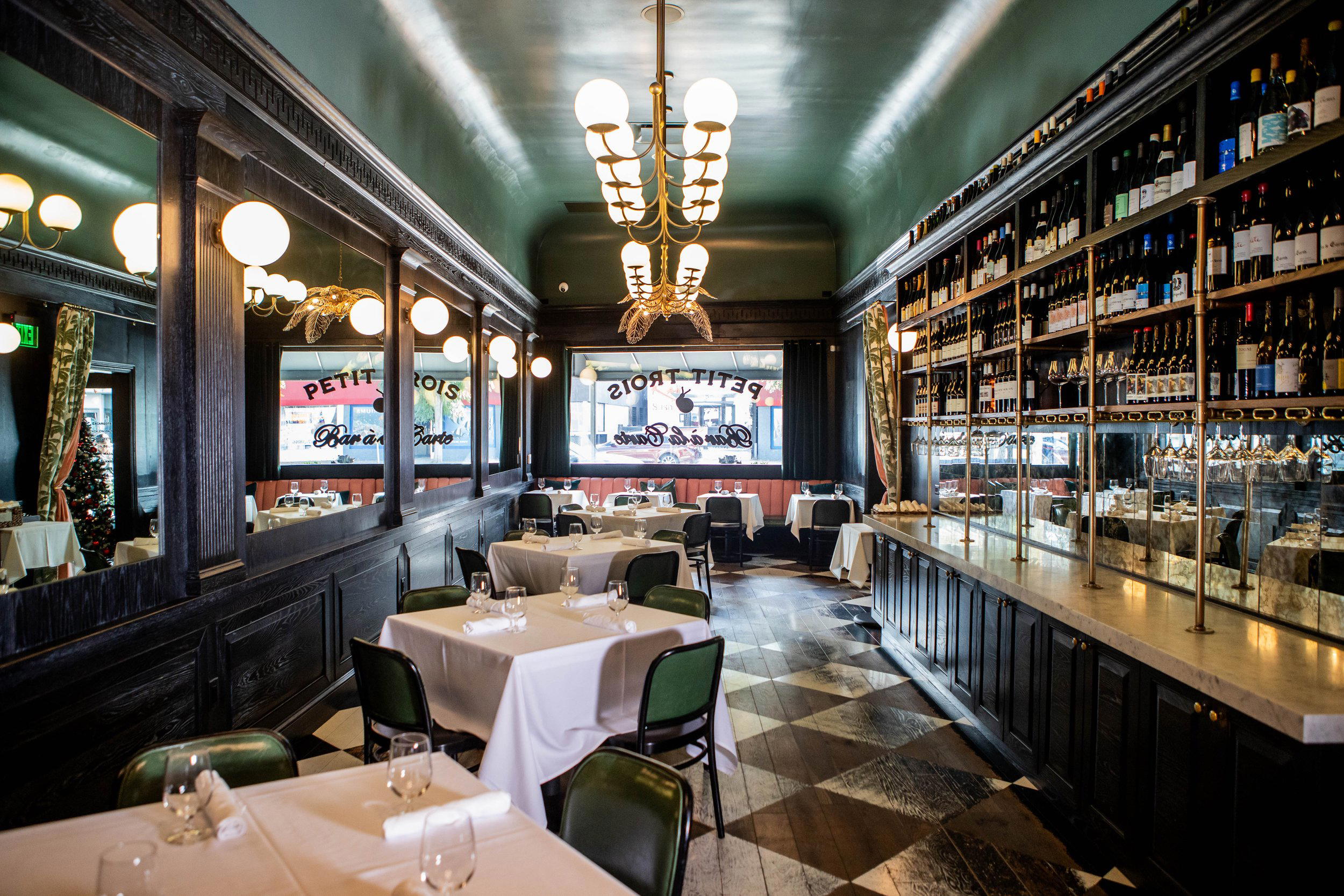
Bars in Studio City
Browse all →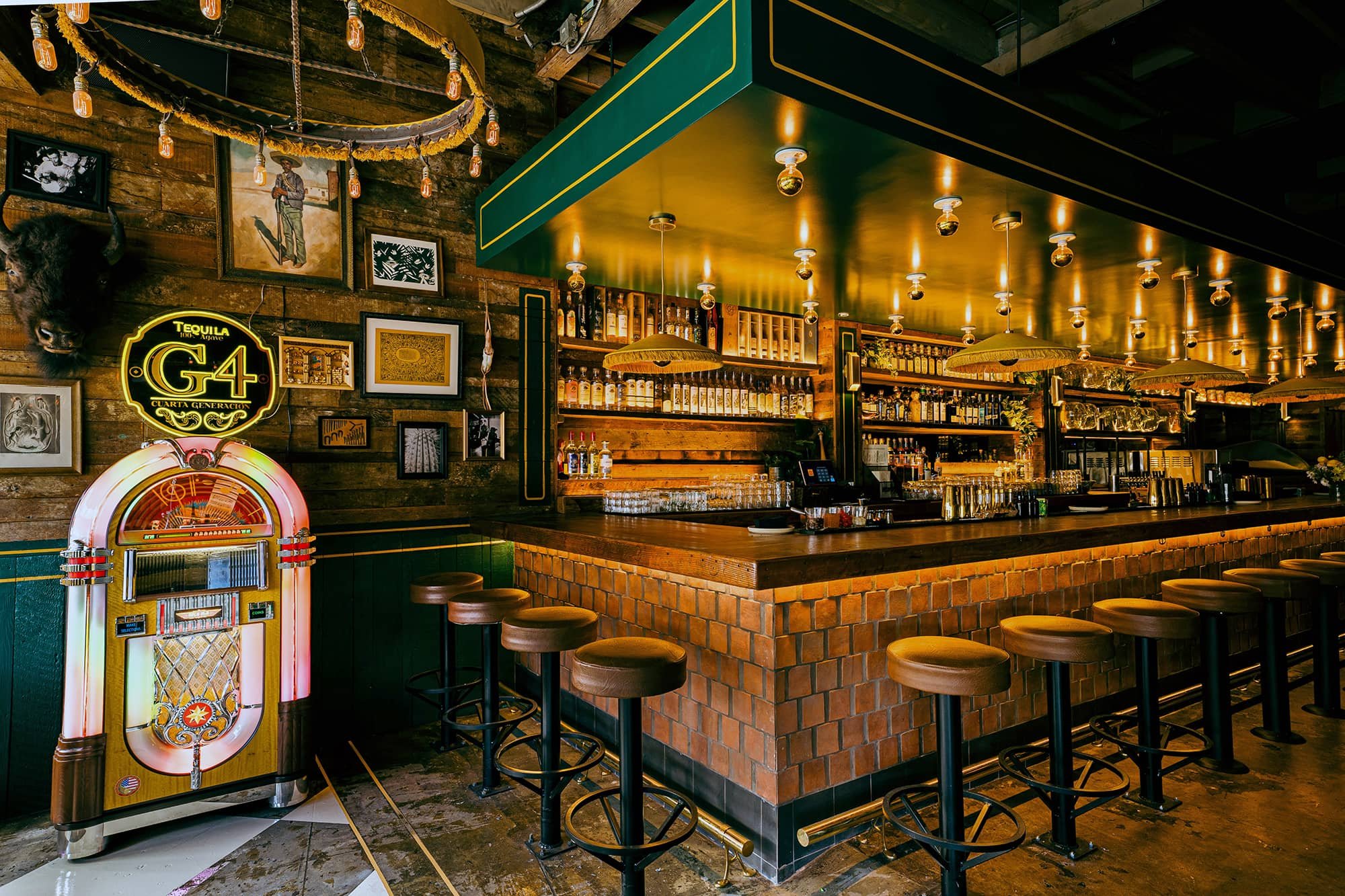
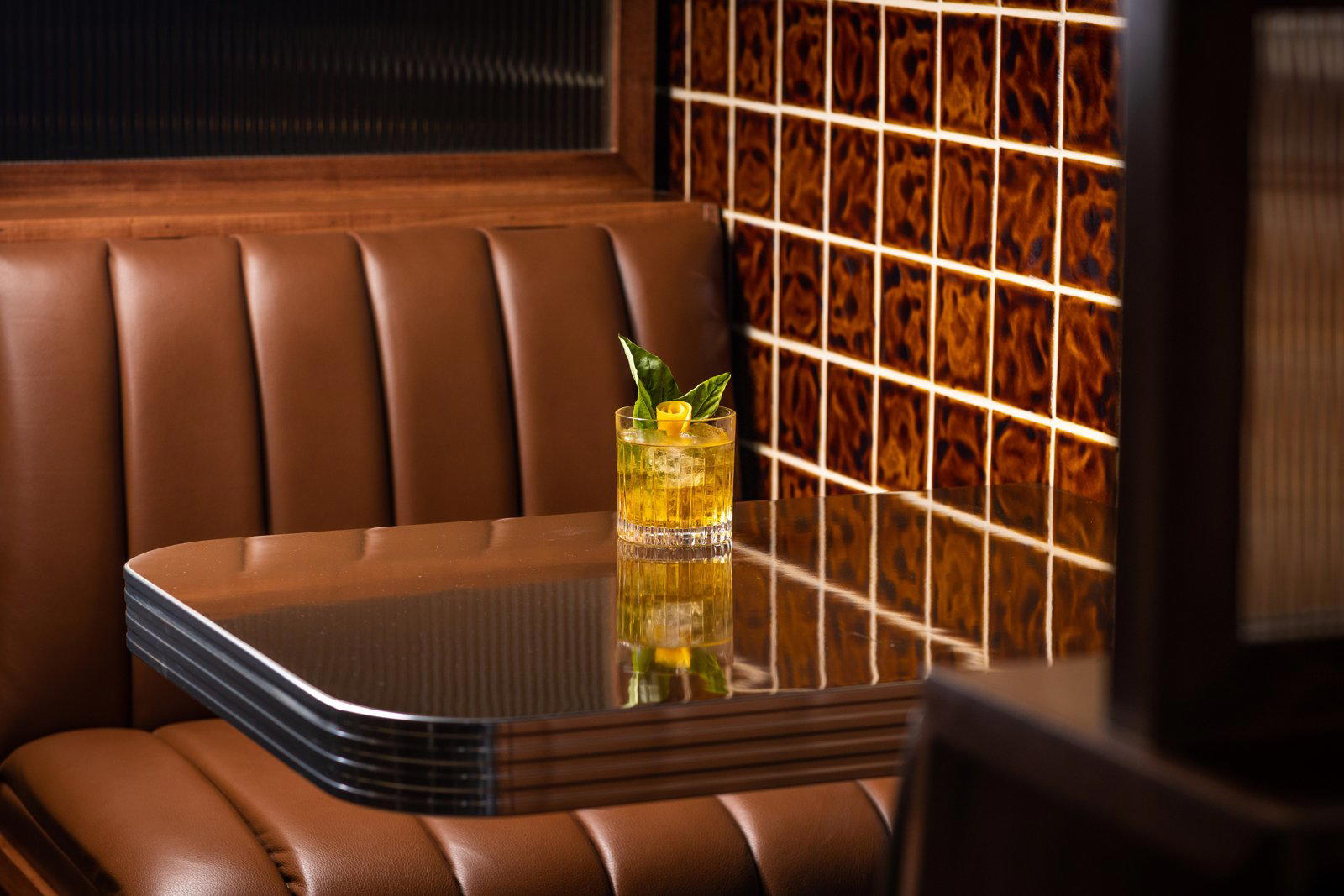
Hotels in Studio City
Browse all →
Wineries in Studio City
Browse all →
At a Glance
- Trendy
- Modern
- Sophisticated
- Date Night
- Casual Hangout
- Group Dining
- Open Kitchen
- Sake Program
Current opening hours
- Monday
- 11:30 AM–10 PM
- Tuesday
- 11:30 AM–10 PM
- Wednesday
- 11:30 AM–10 PM
- Thursday
- 11:30 AM–10 PM
- Friday
- 11:30 AM–10 PM
- Saturday
- 11:30 AM–10 PM
- Sunday
- 11:30 AM–10 PM
Hours can change for holidays and private events. Last verified .
Sleek and stylish atmosphere.