Terra E Mare
Terra E Mare sits on Ventura Boulevard in Studio City, where the name's land-and-sea premise signals a kitchen working across two sourcing traditions. Positioned among the Valley's more considered dining options, it occupies a niche that Studio City's casual-dominant strip rarely fills. For diners moving between neighborhood staples and the more structured cooking found further west, it marks a useful point of difference.
Pearl is the En Primeur Club membership app — saves, bookings, and concierge access live there. Same editors, same standards.
- Address
- 13251 Ventura Blvd A, Studio City, CA 91604
- Phone
- +18185287470
- Website
- terraemareristorante.com
- Directions
- Get directions
 Saves & bookings on Pearl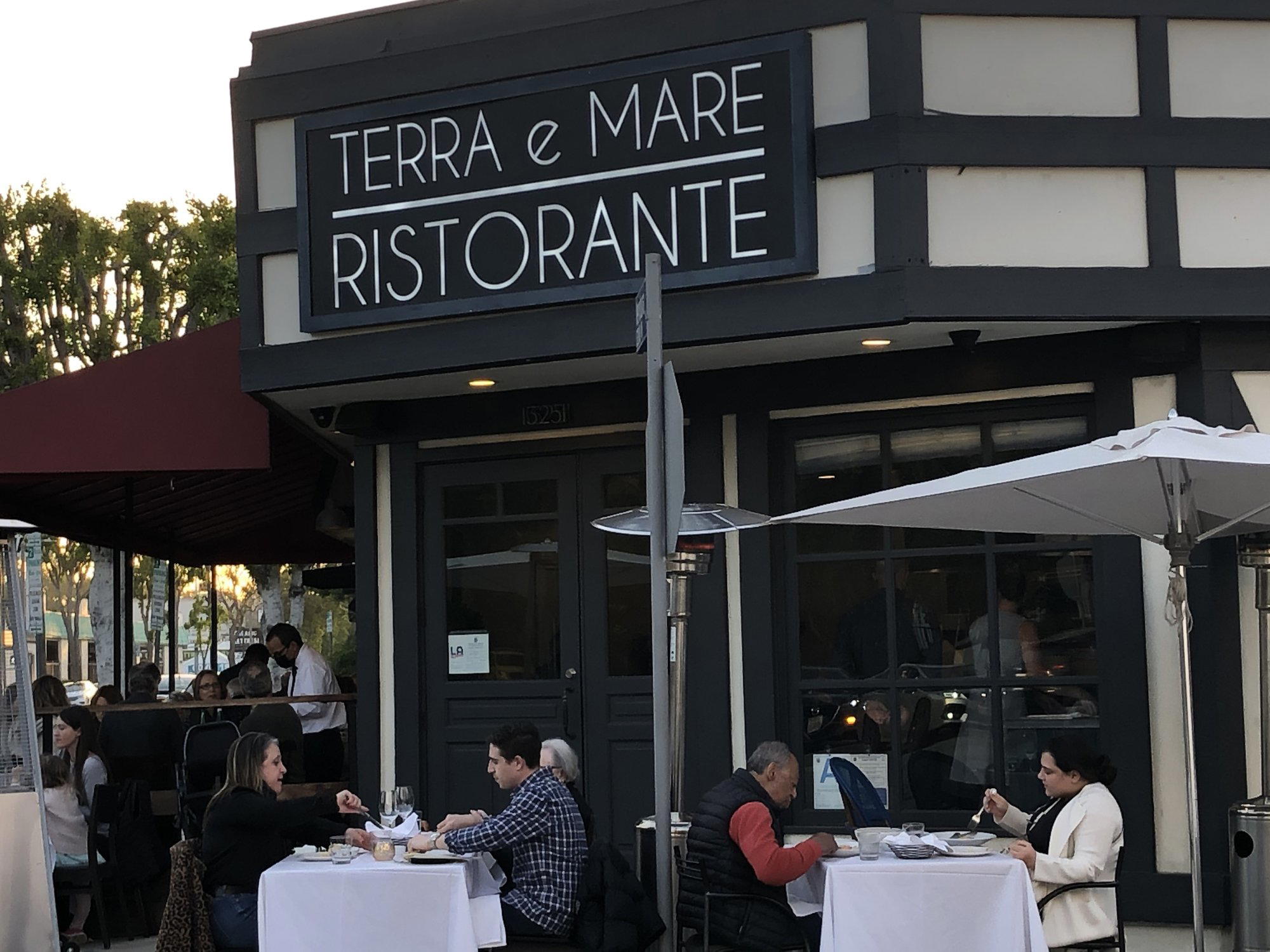
Where Ventura Boulevard Gets Serious About the Plate
Studio City's dining corridor on Ventura Boulevard is, by most measures, a neighborhood strip: reliable Argentine grills, long-running Italian-American rooms, the kind of pizza places that have been feeding the same zip code for decades. Art's Delicatessen anchors the deli tradition; Caioti Pizza Cafe holds its own as a neighborhood fixture. Into that context, a restaurant called Terra E Mare, Earth and Sea, arrives with a premise that implies something more deliberate: a kitchen organized around the relationship between land-sourced and ocean-sourced ingredients, and implicitly, around the question of where those ingredients come from and how they were raised or caught.
That framing matters in 2024. The conversation around ethical sourcing, reduced food waste, and supply-chain transparency has moved from fine-dining niche to mainstream expectation in California, pushed along by operations like Single Thread Farm in Healdsburg and Blue Hill at Stone Barns, which built entire identities around farm provenance. Terra E Mare sits at 13251 Ventura Blvd, Suite A, Studio City, a street-level address in a commercial block that offers none of the theatrical staging of those destination properties, but the name and the dual-element concept signal an intention worth taking seriously on its own terms.
The Land-and-Sea Framework as an Ethical Organizing Principle
Restaurants structured around the earth-and-sea axis tend to make sourcing legible by design. When a menu is built explicitly around the contrast between terrestrial and marine ingredients, the kitchen's choices about where those ingredients originate become harder to obscure. One coherent versions of this format, seen at Providence in Los Angeles, which has built a long reputation around sustainably sourced seafood, and at Le Bernardin in New York City with its seafood-dominant identity, treat ingredient origin as an editorial position, not a footnote.
California's regulatory framework for seafood already applies pressure in this direction. The state's commercial fishing rules, combined with consumer awareness around overfished species, have pushed most serious restaurants to work with suppliers who can document catch methods. The land side of the equation has its own California-specific logic: the Central Valley's agricultural output means that sourcing within the state for vegetables, grains, and proteins is genuinely viable in ways that would be difficult elsewhere in the country. A restaurant in the San Fernando Valley that takes the terra e mare concept literally has real supply infrastructure to work with.
Studio City in the Broader Los Angeles Dining Picture
Los Angeles's fine-dining ambitions have historically concentrated west of the 405, Brentwood, West Hollywood, Beverly Hills, and the restaurant-dense stretch of Melrose. The Valley has operated as a secondary market, with exceptions: Katsu-Ya in Studio City built enough of a reputation to generate a larger branded expansion, and Iroha Sushi holds its ground as a serious Japanese option on the same strip. But the Valley's dining culture has generally run more casual than its westside counterparts.
That gap creates an opening for something like Terra E Mare. In a neighborhood where the competition is primarily comfort-driven, the deli, the pizza cafe, the Argentine grill, a restaurant with a structured dual-element concept and sustainability-oriented sourcing is operating in relatively uncrowded territory. Compare that to the density of the competition in central Los Angeles, where Providence competes for the same sustainability-conscious diner against a broader field, and the Studio City location starts to look strategic rather than arbitrary.
For visitors making a wider California trip, the frame of reference extends to operations at a different scale: The French Laundry in Napa and Addison in San Diego represent California's most formally structured end of the market. The restaurant is not in that category, but the broader California conversation about ingredient integrity connects across the price spectrum. Lazy Bear in San Francisco and Feu in Studio City itself represent different points on that spectrum.
What the Concept Implies for the Menu
A restaurant structure in an Italian-inflected context typically means dishes that work across both sourcing categories within a single preparation: pasta finished with shellfish, meat accompanied by sea-vegetable-based sauces, or tasting progressions that alternate between the two registers. The format is common enough in Italian regional cooking, particularly in Liguria and along the Adriatic coast, that it carries genuine culinary logic, not just marketing nomenclature.
The sustainability argument for this kind of menu is partly about what it excludes as much as what it includes. A kitchen committed to responsible sourcing tends to work with shorter species lists, rotating availability based on what's in season and what's being caught without stock pressure. That discipline shows in menus that change more frequently and list fewer options, the opposite of the multi-page carta that characterized Italian-American restaurants in the same neighborhoods a generation ago. 8 1/2 Otto e Mezzo Bombana in Hong Kong and Atomix in New York City represent the high end of this disciplined-menu approach in international contexts; the principle scales down as well as up.
Planning a Visit
The restaurant is located at 13251 Ventura Blvd, Suite A, in Studio City, accessible by car with the parking conditions typical of a Ventura Boulevard commercial block. The restaurant is recommended for reservations and is open Mon through Thu from 5 to 10 PM, Fri and Sat from 5 to 11 PM, and Sun from 5 to 10 PM. The land-and-sea concept, if executed with the sourcing discipline the name implies, should reward a visit.
Emeril's in New Orleans and The Inn at Little Washington offer reference points at the more structured end. The restaurant is working in a less formal register, but the questions a diner should ask before arriving are similar: what's sourced locally this week, what's rotating off the menu, and what can the kitchen adapt.
A Tight Comparison
Comparable venues nearby, for context on price, style, and recognition.
| Venue | Cuisine | Price | Notes |
|---|---|---|---|
| Terra E MareThis venue — the venue you are viewing | Studio City, Modern Italian Fine Dining | $$$$ | Not listed |
| Feu | Studio City, Modern Vietnamese Pho | $$ | Not listed |
| Pagliacci's Trattoria Taverna | Studio City, Italian Trattoria | $$ | Not listed |
| Lucifers Pizza | Studio City, Modern Italian Pizza | $$ | Not listed |
| Lala's Argentine Grill | Studio City, Argentine Steakhouse | $$$ | Not listed |
| Vitello's Restaurant | Not listed | $$ | Studio City, Classic California-Inspired Italian |
Continue exploring
More in Studio City
Restaurants in Studio City
Browse all →
Bars in Studio City
Browse all →

Hotels in Studio City
Browse all →

Wineries in Studio City
Browse all →
At a Glance
- Elegant
- Intimate
- Sophisticated
- Cozy
- Romantic
- Date Night
- Special Occasion
- Business Dinner
- Terrace
- Craft Cocktails
- Extensive Wine List
Current opening hours
- Monday
- 5–10 PM
- Tuesday
- 5–10 PM
- Wednesday
- 5–10 PM
- Thursday
- 5–10 PM
- Friday
- 5–11 PM
- Saturday
- 5–11 PM
- Sunday
- 5–10 PM
Hours can change for holidays and private events. Last verified .
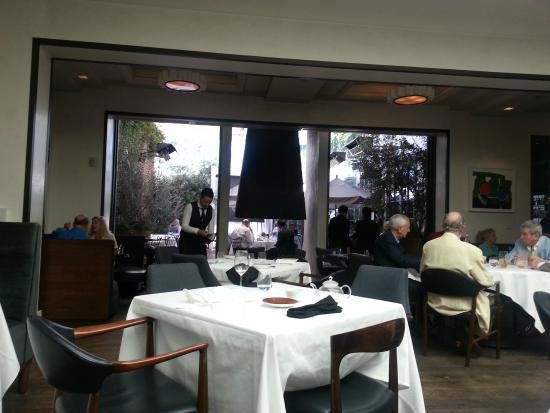
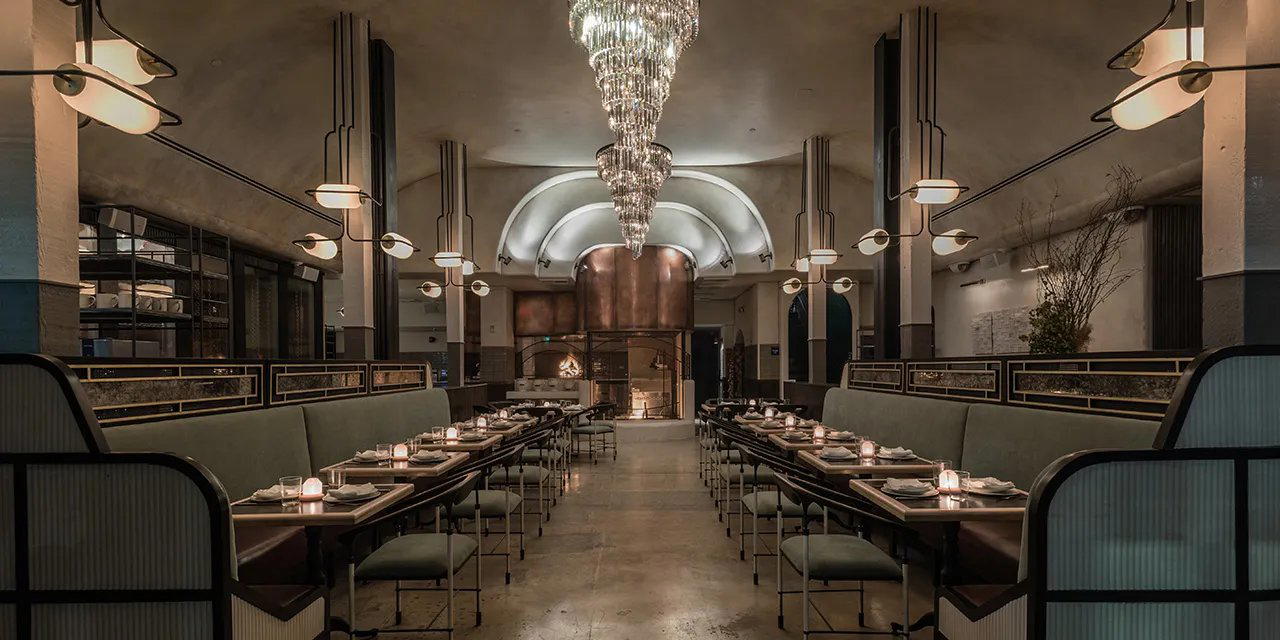
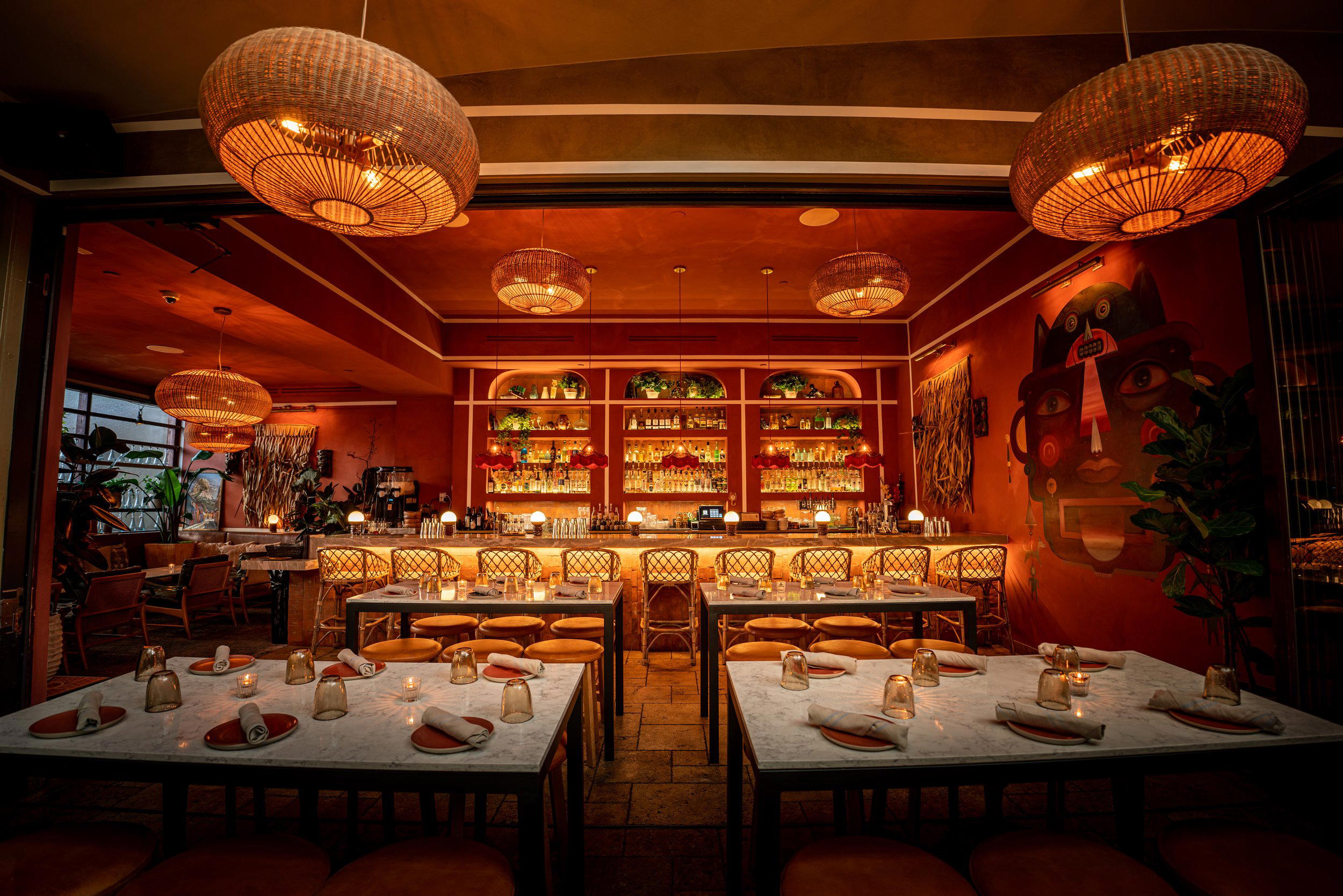
Warm and contained space with soft lighting, white tablecloths, and a layout favoring conversation.