Yaya Coastal Cuisine
Yaya Coastal Cuisine occupies a Bayshore address at the edge of Miami's Upper Eastside, where the city's long relationship with Caribbean and Latin coastal cooking continues to evolve. The restaurant positions itself within a Miami dining scene that has moved decisively toward ingredient-led, seafood-forward formats over the past decade. For visitors tracking that shift, it warrants a closer look alongside the broader Northeast Miami dining corridor.
Pearl is the En Primeur Club membership app — saves, bookings, and concierge access live there. Same editors, same standards.
- Address
- 7999 NE Bayshore Ct, Miami, FL 33138
- Phone
- +13059678020
- Website
- yayamiami.com
- Directions
- Get directions
 Saves & bookings on Pearl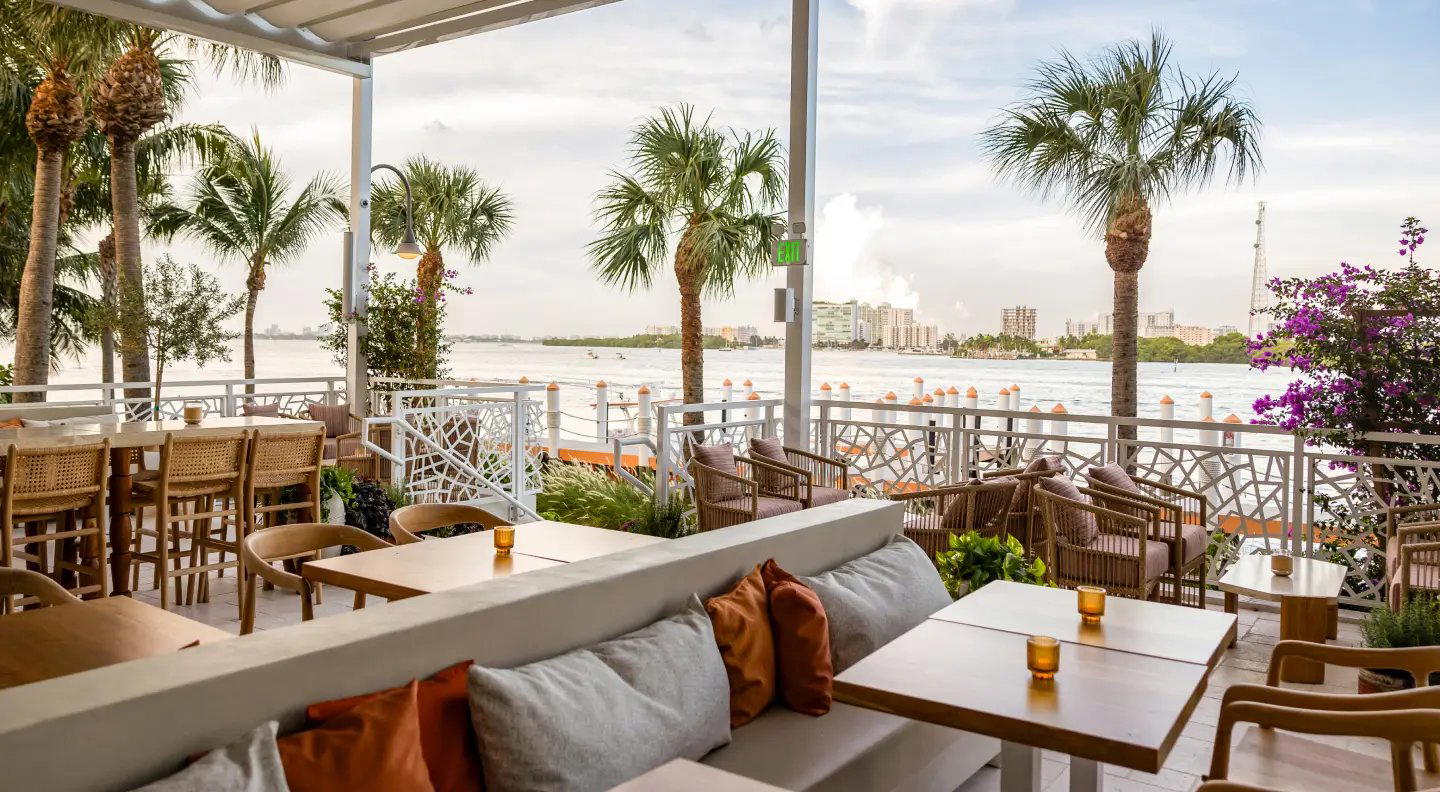
Where Miami's Coastal Cooking Finds Its Current Form
Miami's relationship with coastal cuisine has always been more complicated than the postcard suggests. The city sits at a crossroads of Caribbean, Latin American, and South Florida Gulf traditions, and for decades its seafood restaurants defaulted to one of two modes: tourist-facing simplicity or fine-dining formality modeled on Atlantic seaboard precedents. What has shifted in the past ten years is the emergence of a middle register, restaurants that draw on the specificity of the Florida coastline and its surrounding cultures without requiring white-tablecloth ceremony or a prix-fixe commitment. Yaya Coastal Cuisine, at 7999 NE Bayshore Court, sits in that evolving space.
The Bayshore Court address places the restaurant in Miami's Upper Eastside, a corridor that has seen consistent independent dining activity as Wynwood and the Design District absorbed higher rents and higher-profile openings. The neighbourhood carries a lower-visibility character than Brickell or South Beach. That geographic positioning matters when thinking about what kind of restaurant survives and evolves in this part of Miami.
The Reinvention Underway in Miami's Coastal Dining Category
Across American coastal cities, the template for seafood-forward restaurants has undergone significant revision. The format that dominated the 1990s and early 2000s, large rooms, broad menus, and classical preparation techniques derived from French foundations, has given way to tighter, more directional concepts. Restaurants like Providence in Los Angeles and Le Bernardin in New York City represent the formal pole of that shift, while a wave of smaller, chef-driven coastal restaurants has claimed the territory below them. Miami has tracked this national pattern while adding its own Caribbean and Latin American inflection.
The category evolution is visible in how Miami's more recognised restaurants have repositioned. Ariete moved from a neighbourhood bistro identity toward a more defined Modern American format as the Coconut Grove dining scene matured around it. Boia De in the MiMo district built a reputation on a constrained, rotating Italian-leaning menu that resists easy categorisation. Both illustrate how Miami's independent restaurant sector has learned to hold a point of view rather than hedge toward broad appeal. Yaya Coastal Cuisine's Bayshore location positions it within that same independent corridor, where evolution and durability depend on establishing a clear identity rather than following hospitality-district trends.
Miami's version of that conversation is younger and less codified, but venues along the Bayshore and Upper Eastside corridor are contributing to it.
The Upper Eastside Dining Context
Northeast Miami's dining corridor has developed incrementally rather than through the kind of capital-intensive openings that reshaped Wynwood or Brickell. The restaurants that have taken root in this stretch tend to occupy smaller rooms, carry lower price points than their Design District neighbours, and rely on word-of-mouth rather than publicist-driven launch cycles. That environment rewards consistency over novelty, which is why the venues that survive here often show evidence of adjustment and refinement over time rather than arriving fully formed.
Miami's broader scene has grown increasingly segmented by neighbourhood character. The Upper Eastside occupies a distinct position: less curated than Coconut Grove, more residential than Wynwood, and carrying a longer relationship with the kind of Latin-Caribbean cooking that predates Miami's most recent hospitality boom. That history gives venues here a different set of reference points than restaurants that opened into the South Beach or Brickell markets.
For comparison, ITAMAE, Miami's Peruvian-Japanese counter, and Cote Miami, the Korean steakhouse that has held strong since opening, both illustrate how Miami's independent and independently-minded restaurants build durable reputations through cuisine specificity rather than format spectacle. Yaya Coastal Cuisine's positioning along NE Bayshore suggests a similar logic: a coastal cuisine identity rooted in the geography and ingredient availability of South Florida rather than a pan-global seafood format.
How This Fits the Wider American Restaurant Conversation
The national context for coastal, ingredient-driven American restaurants has never been more developed. The French Laundry in Napa, Alinea in Chicago, and Atomix in New York City each represent different answers to the question of what American fine dining can be when it stops apologising for itself. Below that tier, restaurants like Lazy Bear in San Francisco and Addison in San Diego have built critical credibility by staying focused on a specific place and set of ingredients. Emeril's in New Orleans and The Inn at Little Washington show how regional cuisine identity, maintained over decades, can become its own form of authority.
Miami's coastal cooking sits at an interesting intersection of these traditions. The access to Florida stone crab, Gulf shrimp, Caribbean snapper, and tropical produce gives the city a genuine ingredient story to work with. The question for any coastal-focused restaurant in Miami is how specifically it commits to that local identity versus how much it reaches for a broader pan-coastal or Latin-fusion frame. That choice, made clearly or ambiguously, tends to define which competitive tier a Miami restaurant occupies and which guest it keeps bringing back.
Internationally, the parallel conversation at restaurants like 8 1/2 Otto e Mezzo Bombana in Hong Kong and L'Atelier de Joël Robuchon Miami shows how coastal and luxury-tier dining formats continue to evolve through chef lineage and formal investment. The restaurant operates in a different register, but the underlying question of how a restaurant commits to and communicates a cuisine identity applies across price points and formats.
City Peers
Comparable venues nearby, for context on price, style, and recognition.
| Venue | Cuisine | Price | Notes |
|---|---|---|---|
| Yaya Coastal CuisineThis venue — the venue you are viewing | Modern Mediterranean Coastal Cuisine | $$$$ | Not listed |
| Adrift Mare | Modern Mediterranean restaurant & cocktail bar with Biscayne Bay views | $$$ | Brickell |
| ZURI Restaurant | Mediterranean-Moroccan Fusion | $$$ | Edgewater |
| La Cabrera Coconut Grove | Argentine Steakhouse | $$$$ | Coconut Grove |
| TEATRO Restaurant at the Arsht | New American with European and Latin Influences | $$$$ | Downtown |
| Zoko Collective | Argentine Asado Grill | $$$$ | Wynwood |


At a Glance
- Lively
- Elegant
- Scenic
- Sophisticated
- Date Night
- Special Occasion
- Brunch
- Group Dining
- Waterfront
- Terrace
- Private Dining
- Open Kitchen
- Craft Cocktails
- Waterfront
- Skyline
Current opening hours
- Monday
- Closed
- Tuesday
- 5–10 PM
- Wednesday
- 5–10 PM
- Thursday
- 12–10 PM
- Friday
- 12–11 PM
- Saturday
- 12–11 PM
- Sunday
- 11 AM–10 PM
Hours can change for holidays and private events. Last verified .
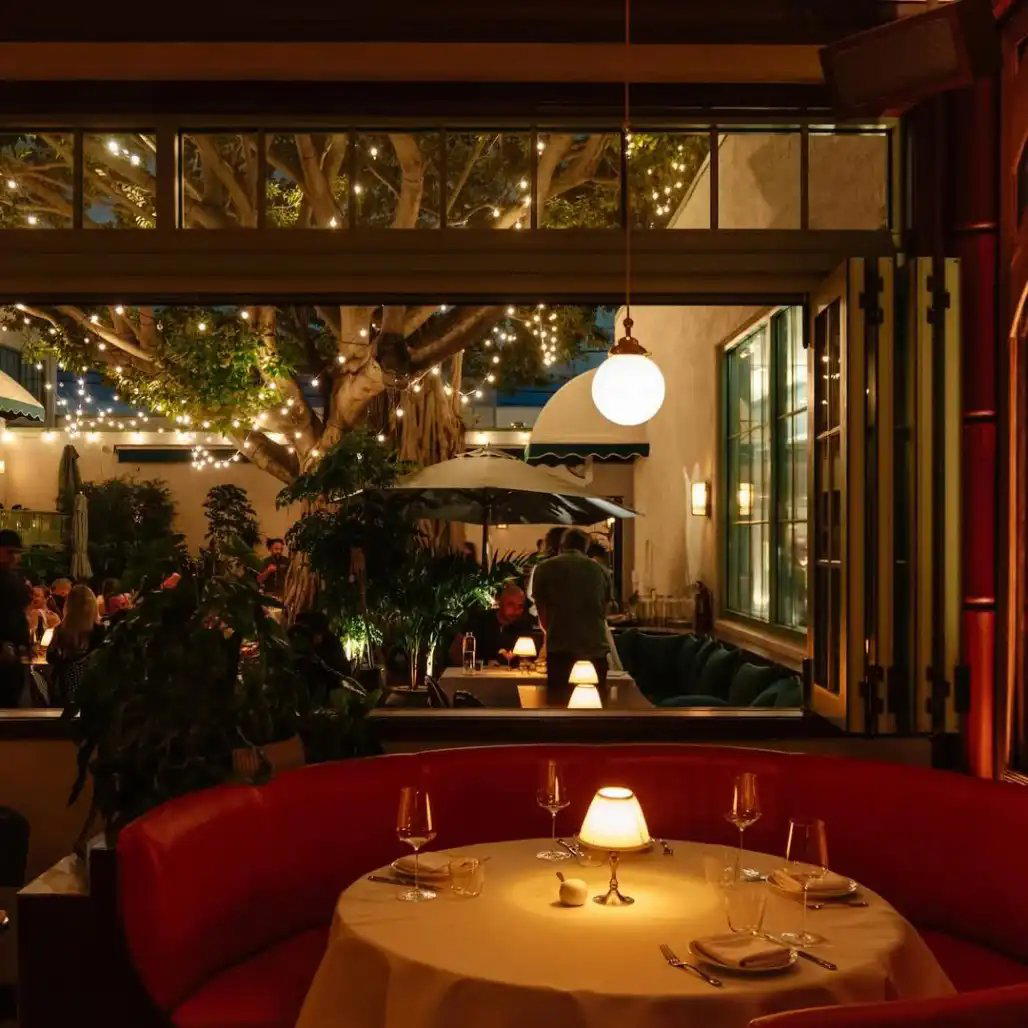
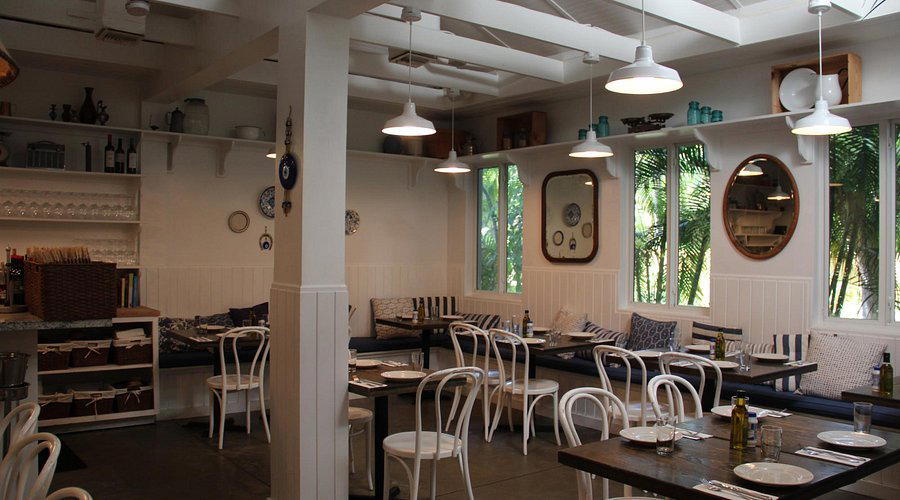
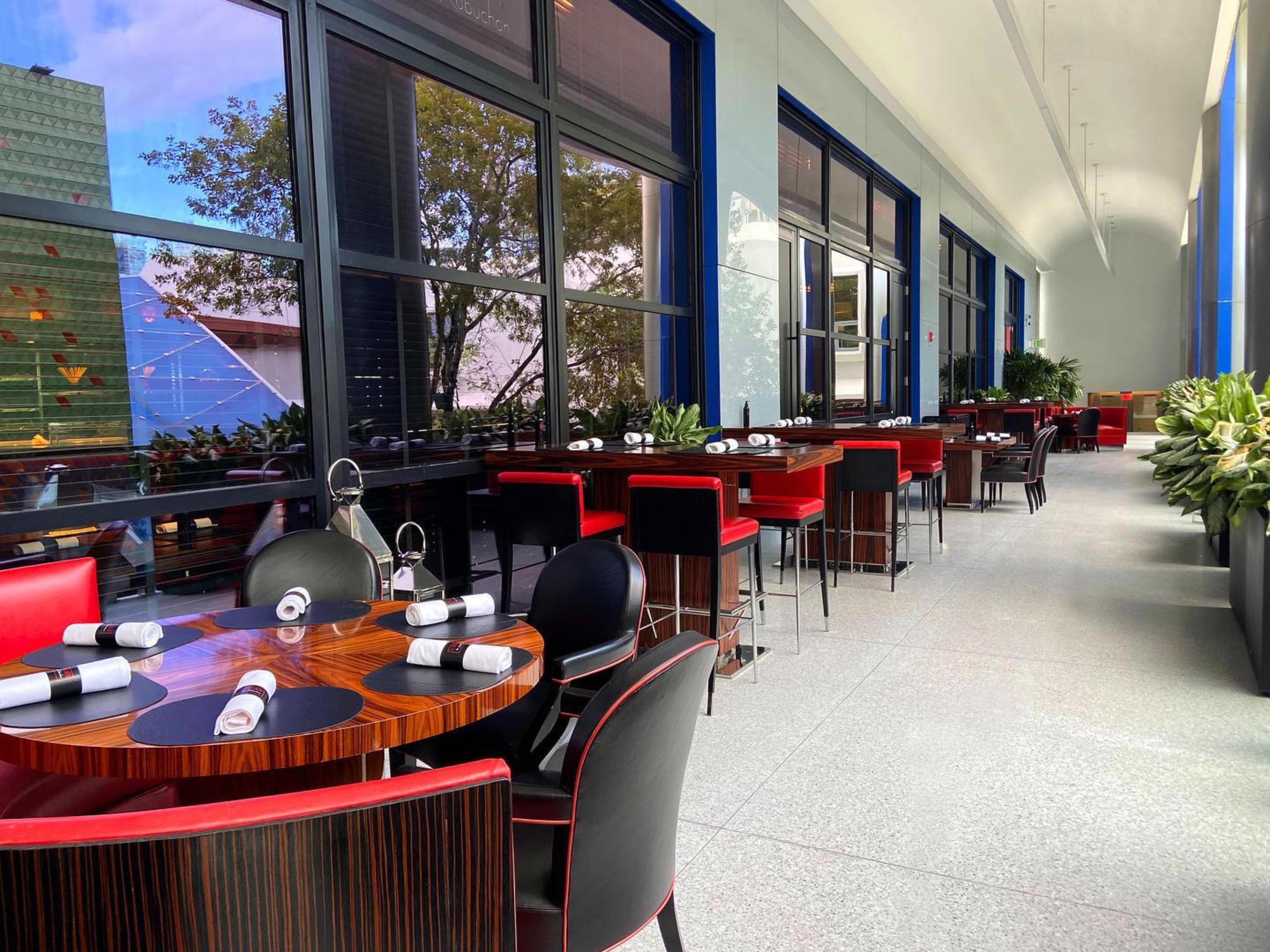
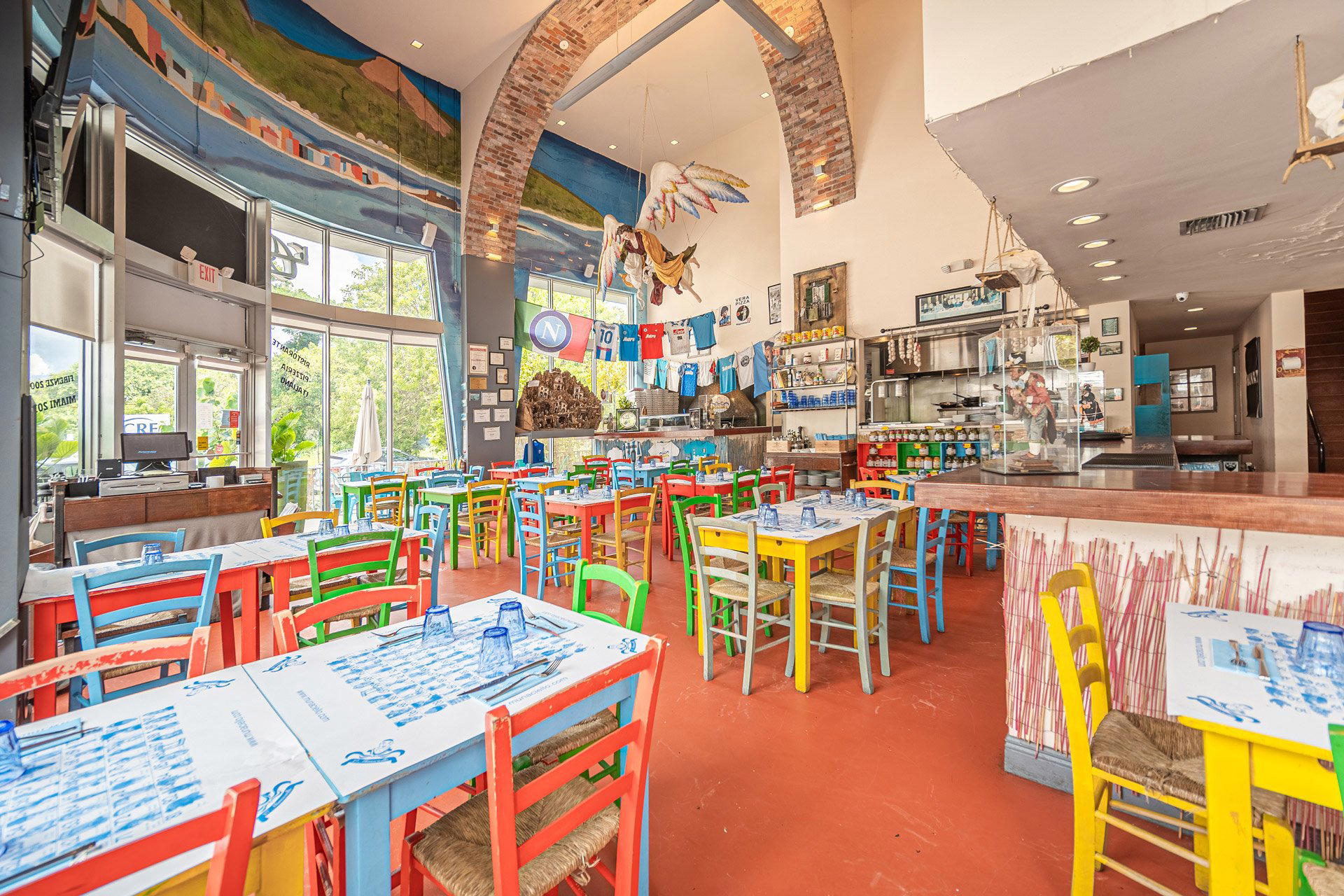
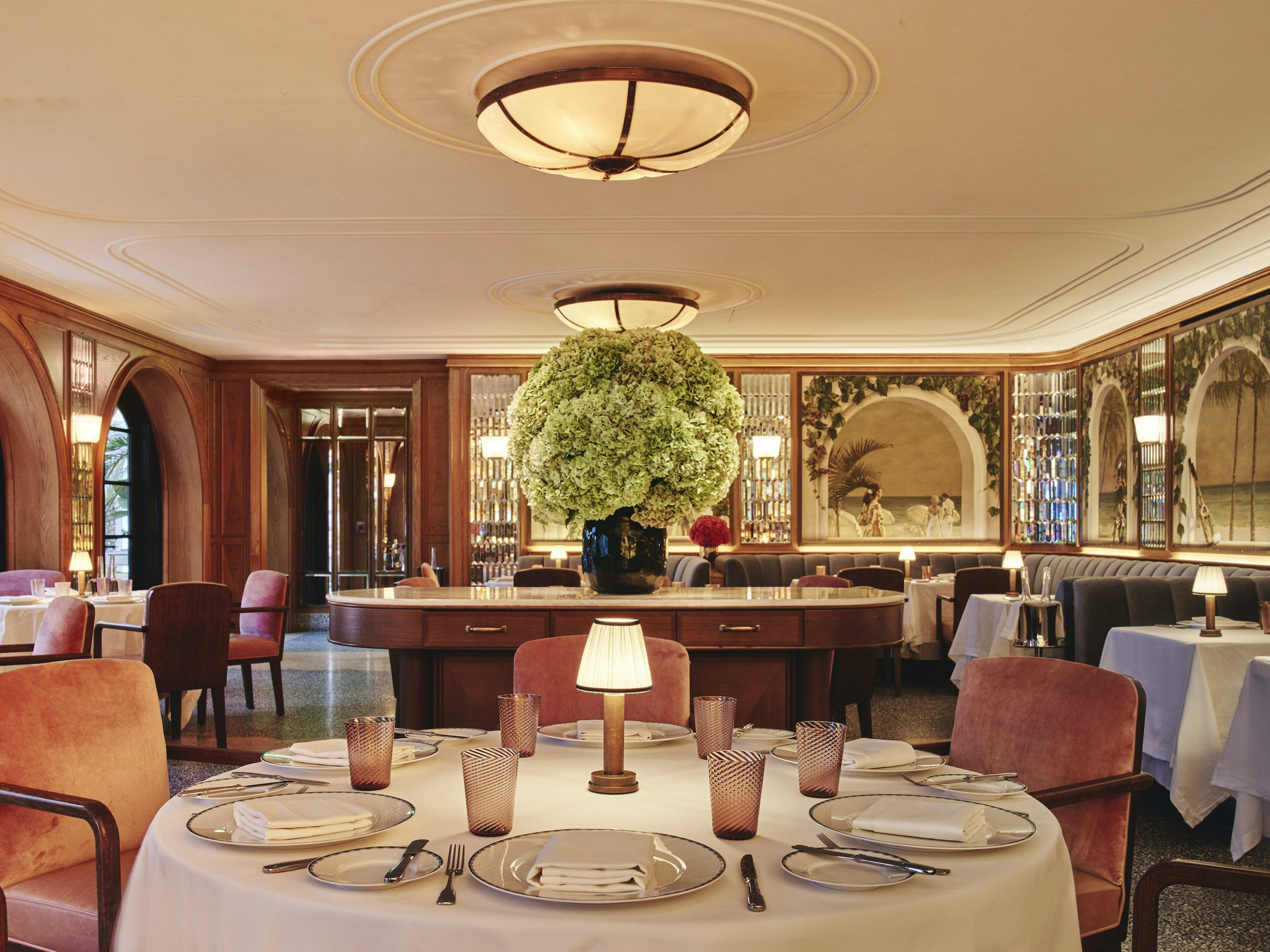
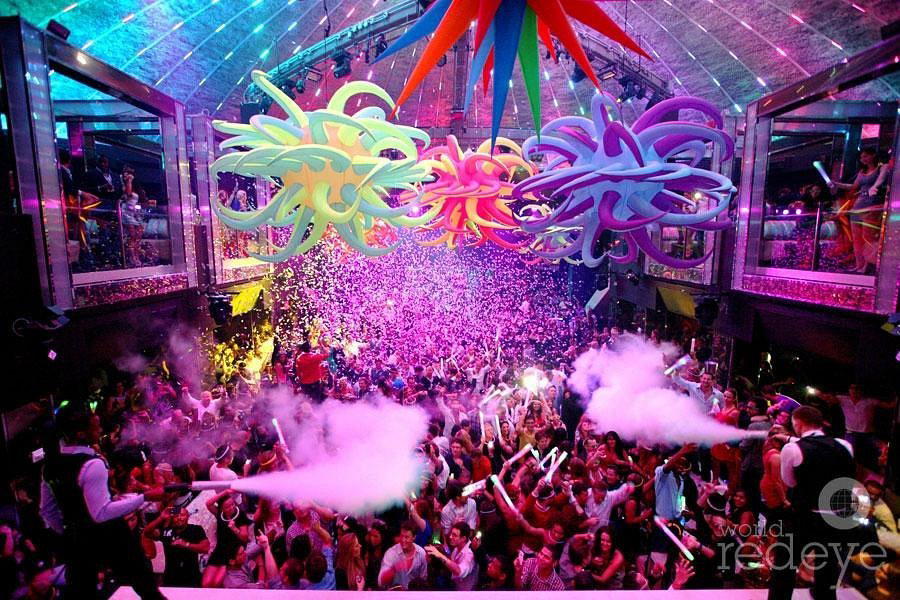
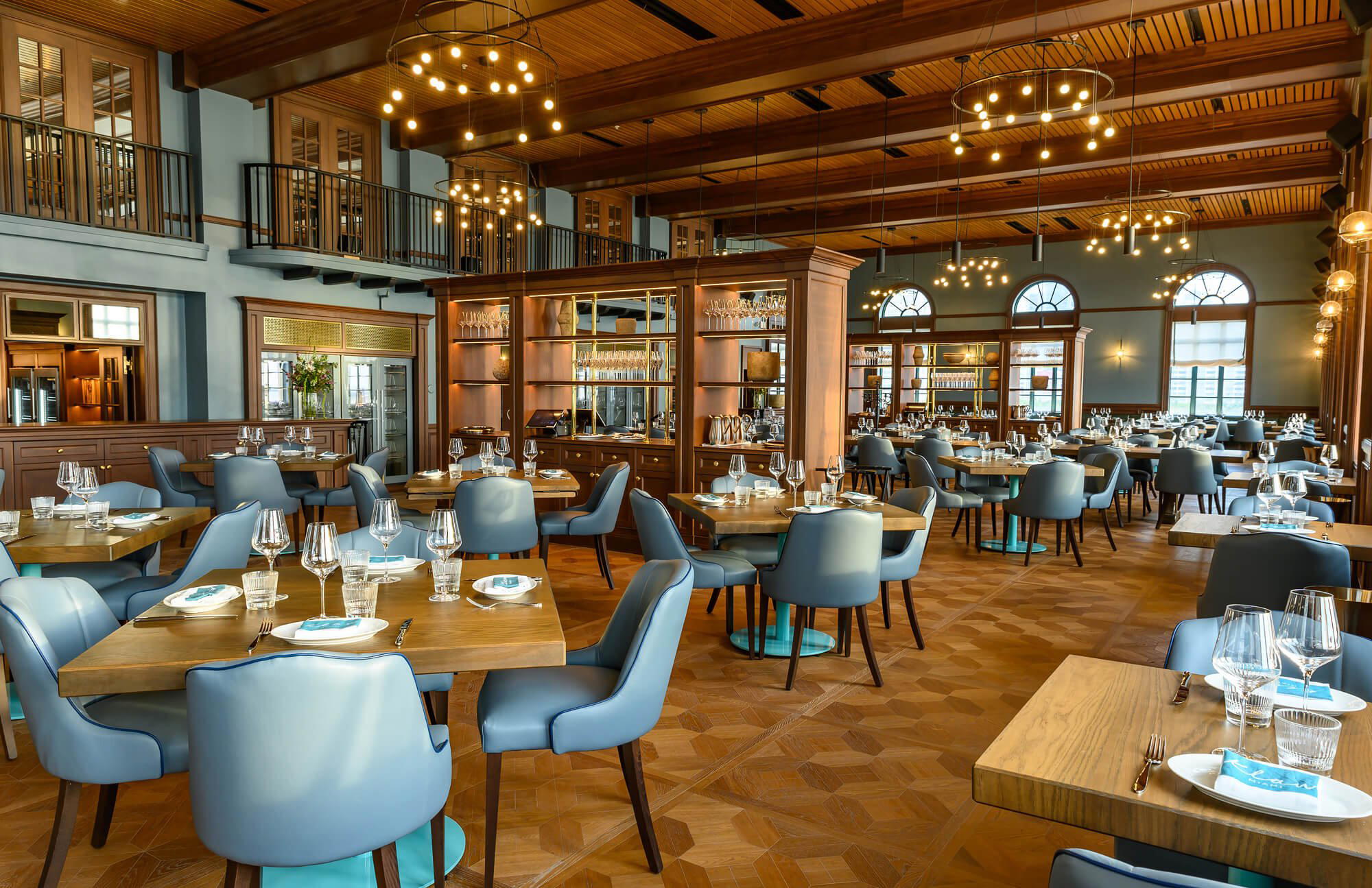
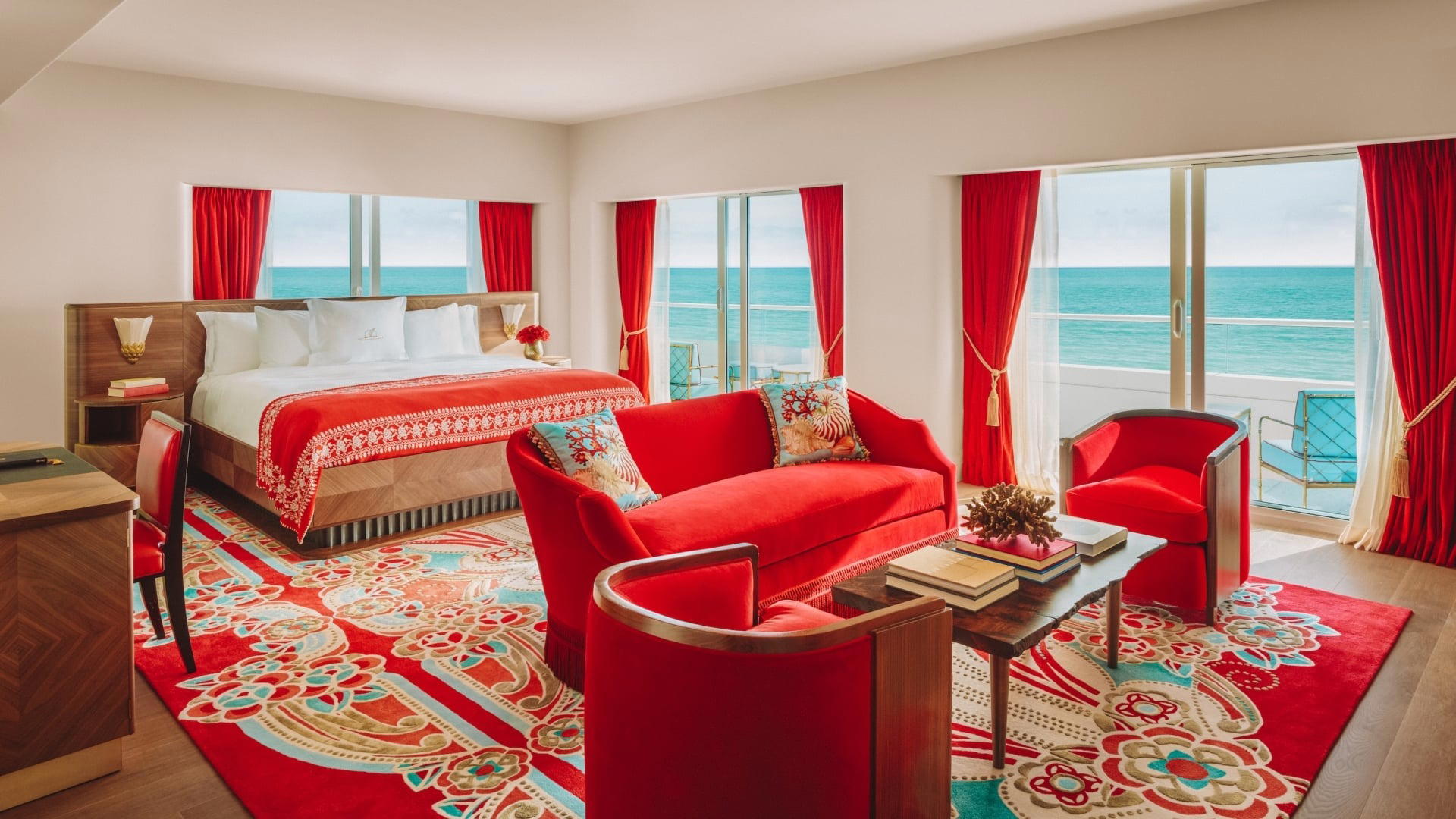
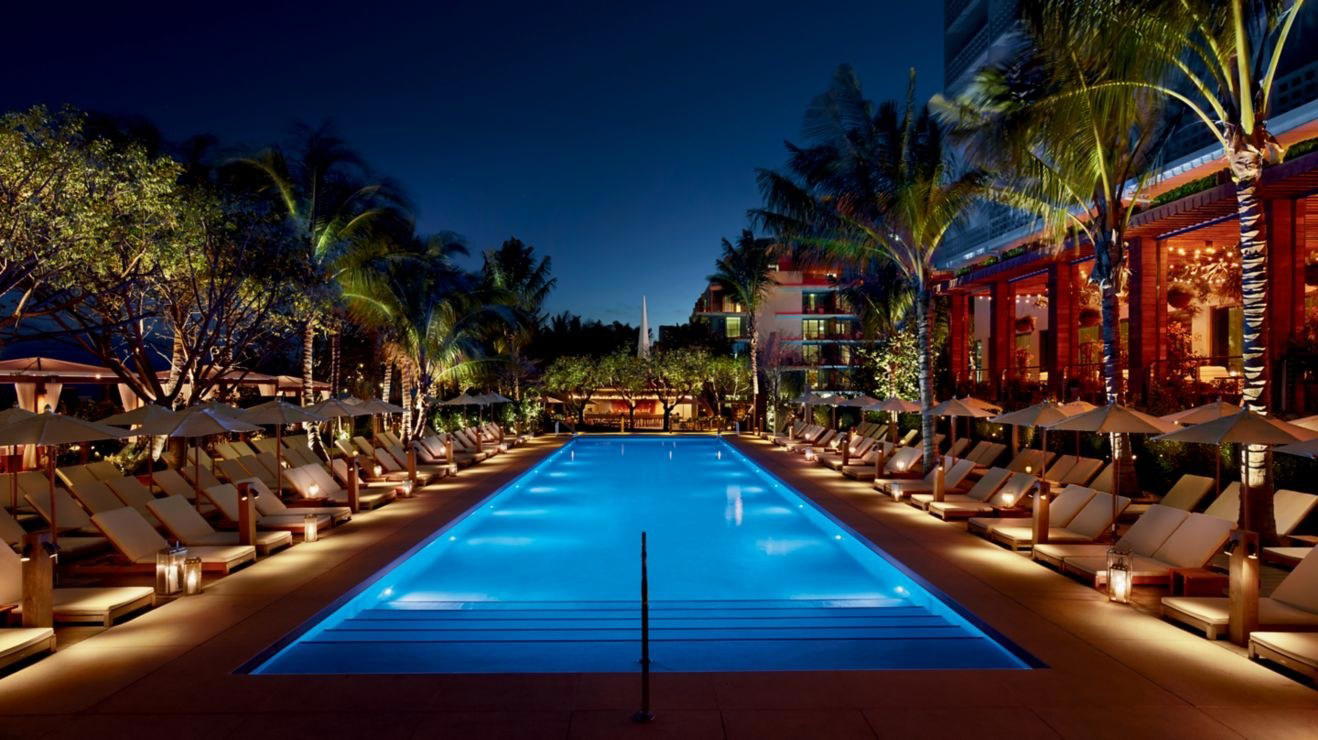
Lively and welcoming with dramatic panoramic water and skyline views from terraces and floor-to-ceiling windows, offering a lively coastal paradise atmosphere.