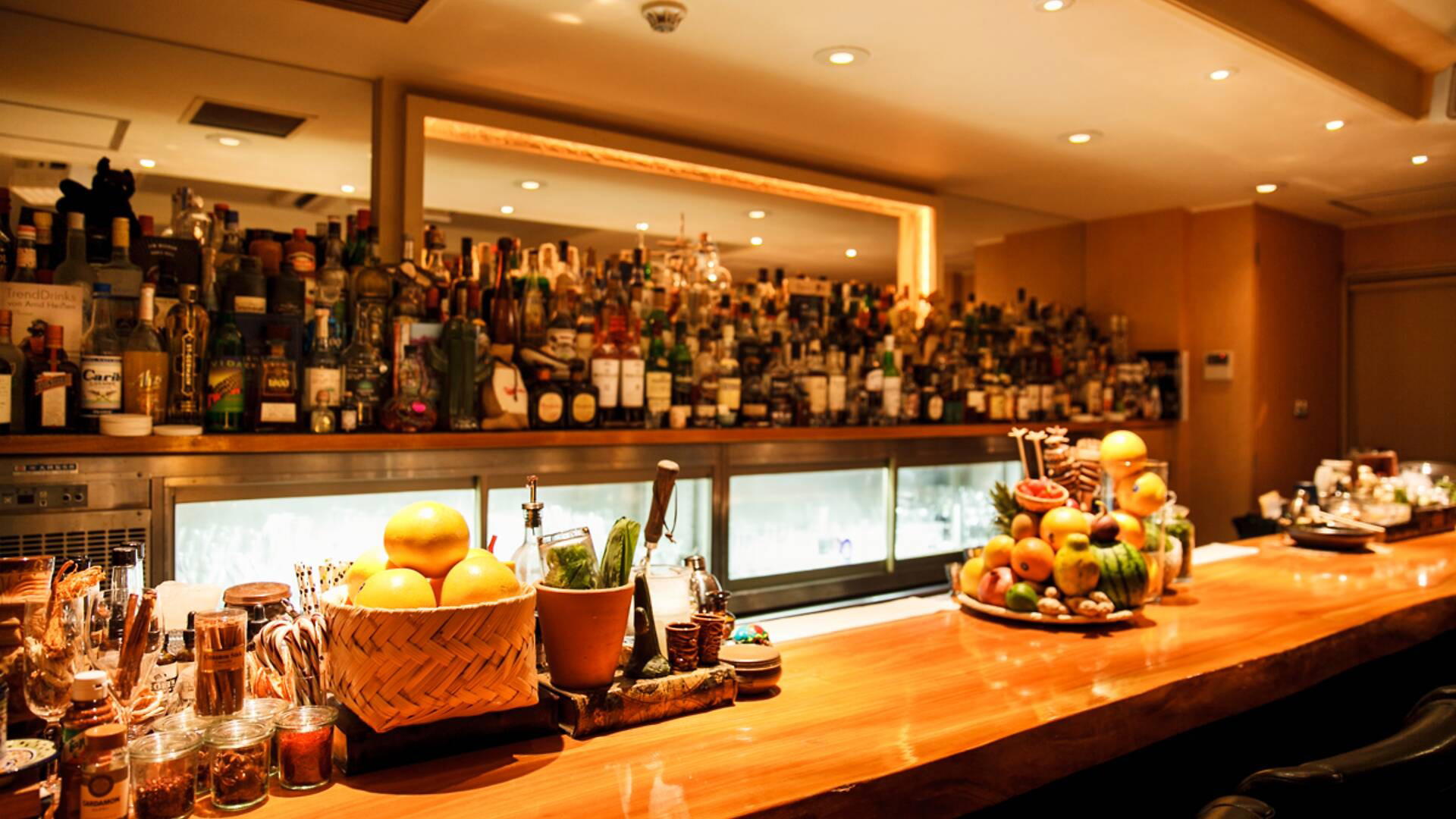
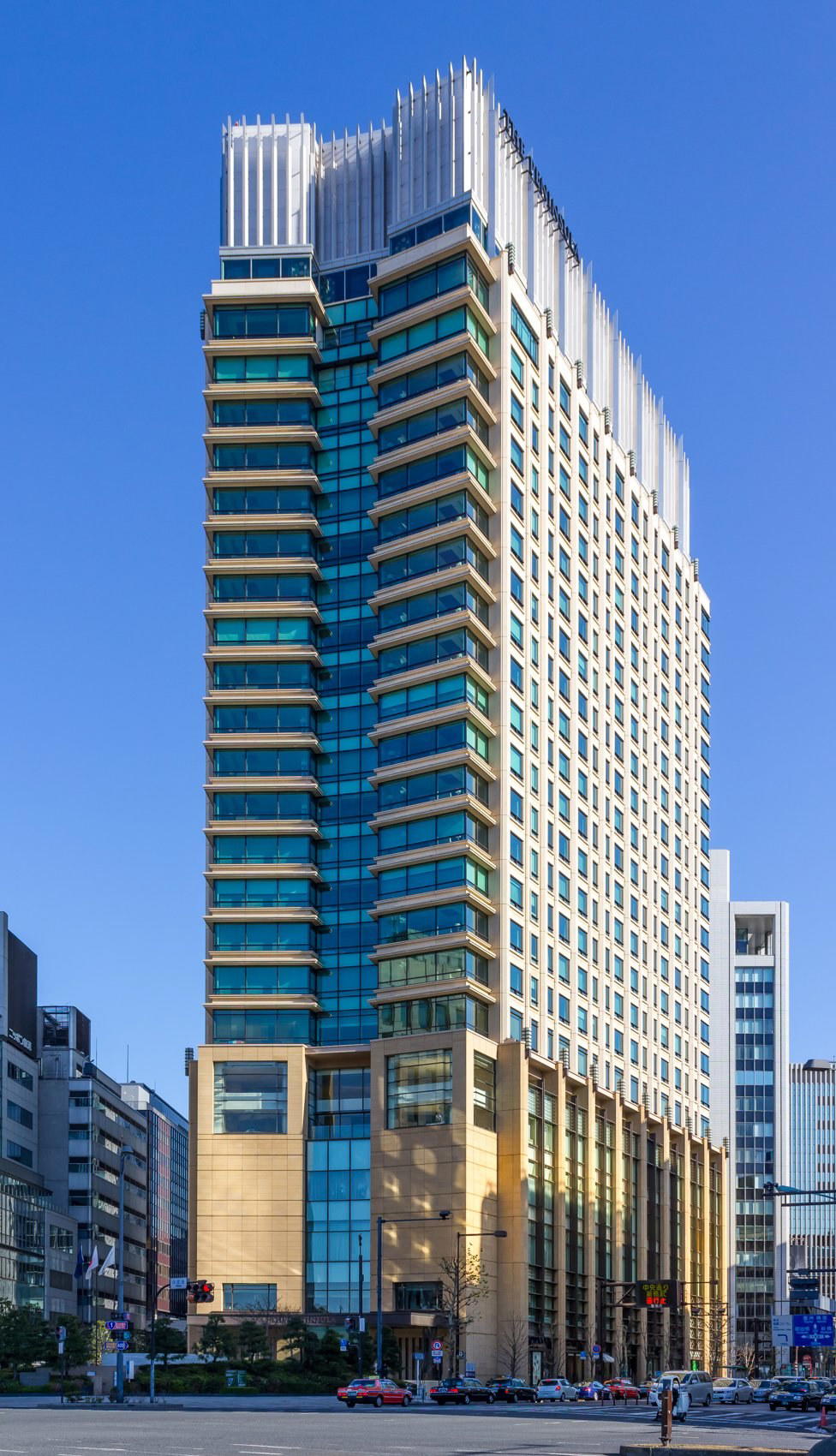
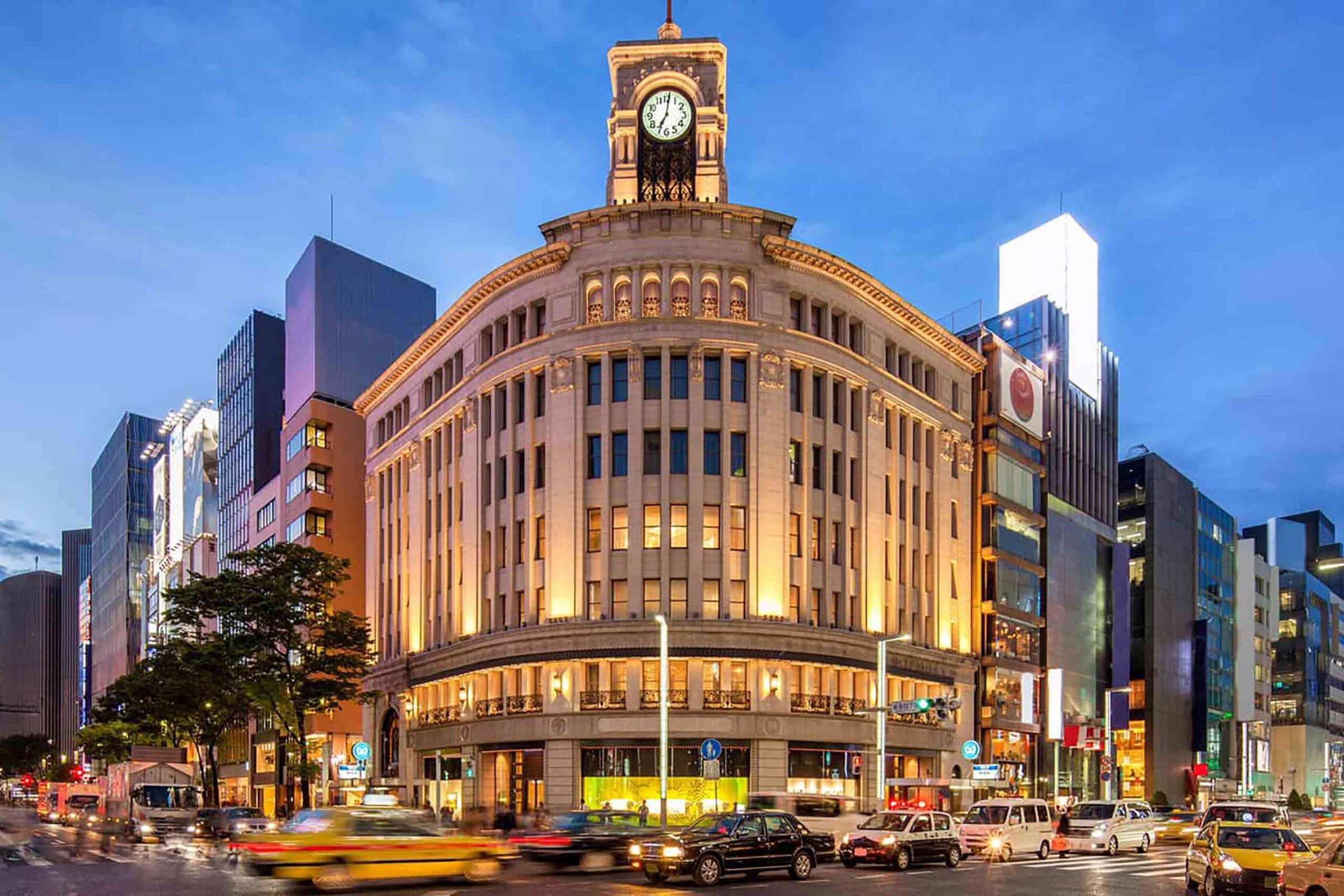
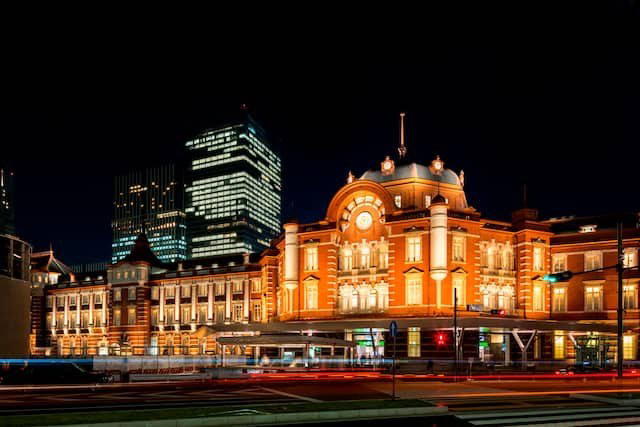
Michelin Plate · Tabelog 100 #15
Our verdict
YAUMAY occupies the second floor of Marunouchi's Nijubashi Square, bringing a Hong Kong-rooted dim sum format to central Tokyo at a mid-range price point. Holding a Michelin Plate in both 2024 and 2025, and ranked among Opinionated About Dining's top restaurants in Japan, it runs lunch and dinner service daily with a menu built around steamed dumplings, rice-noodle rolls, and Chinese tea.

Pearl is the En Primeur Club membership app, where members save venues, book tables and use the concierge.
The menu
What to order
- Dim sum
- Char siu bao
- Peking duck
- Scallop shumai
- Rice noodle rolls
Planning to Visit YAUMAY: What to Know First
Marunouchi's dining scene has matured considerably over the past decade, shifting from corporate-lunch territory to a stretch of addresses that hold their own against Ginza and Roppongi on any serious restaurant shortlist. Within that context, a dim sum specialist holding a Michelin Plate two years running, 2024 and 2025, and appearing in Opinionated About Dining's ranked list of leading restaurants in Japan for 2025 (placed at #602, following a recommended citation in 2023) sits in a specific and well-defined tier: recognised enough to attract out-of-neighbourhood visitors, accessible enough at the ¥¥¥ price point to invite repeat visits. YAUMAY, on the second floor of Nijubashi Square in Chiyoda City, occupies precisely that position.
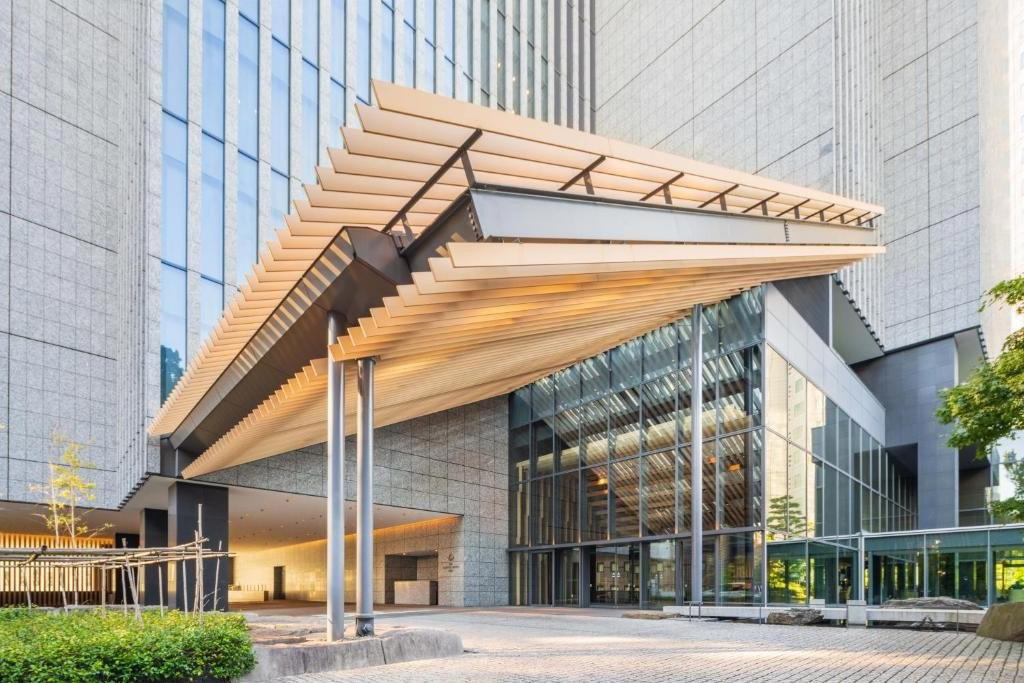
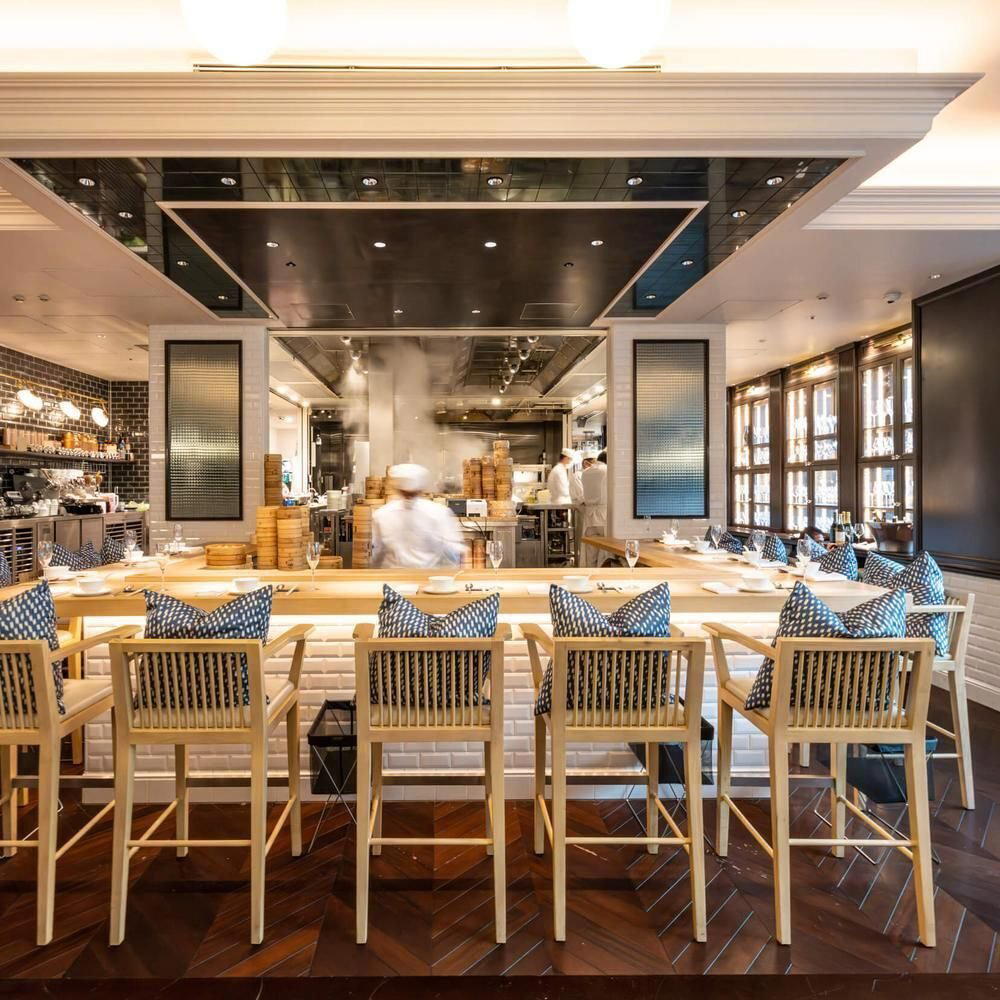
The red exterior, a deliberate departure from the neutral corporate tones of the surrounding Marunouchi architecture, signals something about the register inside. Dim sum, at its most faithful, is a format designed for noise, shared plates, and extended time at the table. That character is present here, and it is what sets YAUMAY apart from the restrained, often silent counters that dominate Tokyo's higher price tiers. If you are planning a visit, understanding that distinction shapes everything from who you bring to how long you should block in your diary.
The Dim Sum Format in Tokyo: Where YAUMAY Fits
Dim sum has a long footprint in Tokyo, but the city's relationship with Cantonese cuisine sits at an interesting cross-section. On one side, hotel Chinese restaurants at the leading end, often commanding ¥¥¥¥ pricing, serve a formal version of the tradition stripped of its communal energy. On the other, neighbourhood Cantonese spots in Shinjuku or Yokohama's Chinatown trade on affordability over refinement. A mid-range specialist that takes the craft seriously, holds Michelin recognition, and locates itself in the business district rather than in an established Chinese dining neighbourhood represents a distinct approach to the format.
The menu at YAUMAY follows the classic dim sum architecture: steamed scallop siu mai dumplings, steamed shrimp gyoza dumplings, jasmine-smoked pork, and rice-noodle rolls wrapped in fried tofu skin. These are foundational dishes, the kind that serious dim sum practitioners use as a measure of kitchen precision, since there is nowhere to hide in a well-made har gow or siu mai. Pairing the food with Chinese tea, as the restaurant encourages, is not an upsell but a structural element of how dim sum is meant to be consumed. The tea service paces the meal and cuts through the fat in the pork and dumpling skins in a way that nothing else quite replicates.
Chef Akifumi Sakagami leads the kitchen, bringing a Japanese precision to a Chinese culinary tradition, a combination that has produced some of the most technically disciplined dim sum in East Asia across various formats and cities. Tokyo, with its deep culture of craft and exactitude at the kitchen level, is a natural home for that synthesis.
The Booking Reality
YAUMAY runs a conventional restaurant booking model rather than the allocation or months-in-advance formats associated with Tokyo's counter omakase tier. The hours are consistent across the week: Monday through Friday, the kitchen operates a lunch service from 11:15 am to 2:30 pm and a dinner service from 5 to 9 pm. On weekends, Saturday and Sunday, service runs continuously from 11 am to 9 pm, a Saturday format that suits visitors who want flexibility without committing to a fixed lunch or dinner window.
The Michelin Plate recognition and OAD ranking have not pushed YAUMAY into the territory where bookings require weeks of planning, but a Marunouchi address with consistent quality and a distinctive cuisine type means the dining room fills at peak times. Lunch on weekdays draws the business district crowd; weekend slots fill with visitors and Tokyo residents making a specific trip. The practical advice: weekend lunches, especially on Saturdays when the continuous service begins at 11 am, offer the most relaxed entry point.
The terrace, available when weather permits, shifts the experience again. Sitting outside in Marunouchi with dim sum and Chinese tea is a version of the format that few other cities could produce, the backdrop of the Imperial Palace grounds nearby, the pedestrian-scale streets of the district, and a menu built for grazing over two hours. It is not a detail to ignore when planning your visit during Tokyo's spring or autumn.
How This Compares to the Broader Tokyo Dining Week
Visitors building a full Tokyo dining itinerary will likely spend most of their high-budget nights at counter sushi or kaiseki addresses. Harutaka and RyuGin represent that tier, high-commitment, high-cost, deeply Japanese formats. French dining in Tokyo, at addresses like L'Effervescence, Sézanne, and Crony, fills another segment of the week. YAUMAY serves a different function in that itinerary: a lunch or early dinner slot that delivers Michelin-recognised quality at ¥¥¥ pricing, in a lively, communal format that provides contrast to the intensity of counter dining.
For those extending beyond Tokyo, comparable levels of recognition with distinct regional characters are found at HAJIME in Osaka, Gion Sasaki in Kyoto, akordu in Nara, Goh in Fukuoka, 1000 in Yokohama, and 6 in Okinawa. If your reference points for this style of cooking are international, say, the Cantonese-informed tasting menus at Le Bernardin or the Korean fine dining precision of Atomix in New York, YAUMAY occupies a more informal register than either, but the kitchen discipline that earns consistent Michelin recognition translates across formats.
For context on where YAUMAY fits within Tokyo's full dining spectrum, the EP Club Tokyo restaurants guide covers the range from high-end omakase to neighbourhood specialists. Further planning resources: the Tokyo hotels guide, the Tokyo bars guide, the Tokyo wineries guide, and the Tokyo experiences guide.
Know Before You Go
- Address: 2F Nijubashi Square, 3-2-3 Marunouchi, Chiyoda City, Tokyo 〒100-0005
- Cuisine: Dim sum (Cantonese) with Chinese tea service
- Price range: ¥¥¥
- Lunch hours: Monday–Friday 11:15 am–2:30 pm; Saturday–Sunday from 11 am (continuous service to 9 pm)
- Dinner hours: Monday–Friday 5–9 pm
- Recognition: Michelin Plate 2024 and 2025; OAD Leading Restaurants in Japan #602 (2025); OAD Recommended (2023)
- Terrace: Available in good weather, worth requesting when booking for spring or autumn visits
- Booking advice: Weekend slots and Friday lunches fill fastest; weekday lunch offers the most availability
Frequently asked questions
What kind of recognition has YAUMAY received?
YAUMAY has received recognition including: A specialist in dim sum, popular in cities around the world. The red exterior belies the classic dining experience within, which is lively on every visit. Enjoy the culture of dim sum with Chinese tea to your heart’s content. The full compl….
What's the address for YAUMAY?
YAUMAY is located at Japan, 〒100-0005 Tokyo, Chiyoda City, Marunouchi, 3 Chome−2−3 二重橋スクエアビル 2F, Tokyo.
What's the signature dish at YAUMAY?
The menu centres on a core set of Cantonese standards: steamed scallop siu mai dumplings, steamed shrimp gyoza dumplings, jasmine-smoked pork, and rice-noodle rolls wrapped in fried tofu skin. These are the dishes that earned YAUMAY a Michelin Plate in both 2024 and 2025, and an OAD ranking among Japan's top restaurants. The format is traditional dim sum paired with Chinese tea, served across lunch and dinner sittings throughout the week.
What style of cooking does YAUMAY do?
What's the pricing like at YAUMAY?
Pricing at YAUMAY is listed as ¥¥¥.
A Pricing-First Comparison
| Venue | Cuisine | Price | Awards | Notes |
|---|---|---|---|---|
| YAUMAYThis venue (the venue you are viewing) | Chinese Dim Sum | Not listed | Michelin Plate · Tabelog 100 #15 | Not listed |
| Harutaka | Edo-Style Omakase Sushi | $200–300 | 3 Michelin Stars · World's 50 Best #76 | Sushi |
| RyuGin | Modern Kaiseki | $500+ | 3 Michelin Stars · World's 50 Best #41 | Kaiseki, Japanese |
| L'Effervescence | Modern French with Japanese Influences | $200–300 | 3 Michelin Stars · World's 50 Best #69 | French |
| HOMMAGE | Modern French with Japanese Influences | $150–200 | 2 Michelin Stars · World's 50 Best #78 | Innovtive French, French |
| MAZ | Innovative Peruvian-Japanese Fusion | $150–200 | 2 Michelin Stars · World's 50 Best #28 | Innovative |
Recognition history
Dated appearances from independent guides and award organizations, with the underlying list record or original source where available.
Michelin Plate
Michelin
Tabelog 100 #15 · No. 15
Tabelog · Tabelog 100 - Chinese cuisine - TOKYO - 2026
Opinionated About Dining Top Restaurants in Japan Ranked #602
Opinionated About Dining
Full recognition history (6 entries)
Michelin Plate
Michelin
Michelin Plate
Michelin
Opinionated About Dining Top Restaurants in Japan Recommended
Opinionated About Dining