Yama's Fish Market
On Young Street in the Makiki district, Yama's Fish Market occupies a functional tier of Honolulu eating that fine-dining rooms rarely touch: the counter-style, cash-and-carry fish market where plate lunches and fresh poke are assembled with the same seriousness locals bring to any seafood purchase. It sits in a category defined by proximity to the source, daily turnover, and the kind of repeat custom that comes from getting the product right.
Pearl is the En Primeur Club membership app — saves, bookings, and concierge access live there. Same editors, same standards.
- Address
- 2332 Young St, Honolulu, HI 96826
- Phone
- +18089419994
- Website
- yamasfishmarket.com
- Directions
- Get directions
 Saves & bookings on Pearl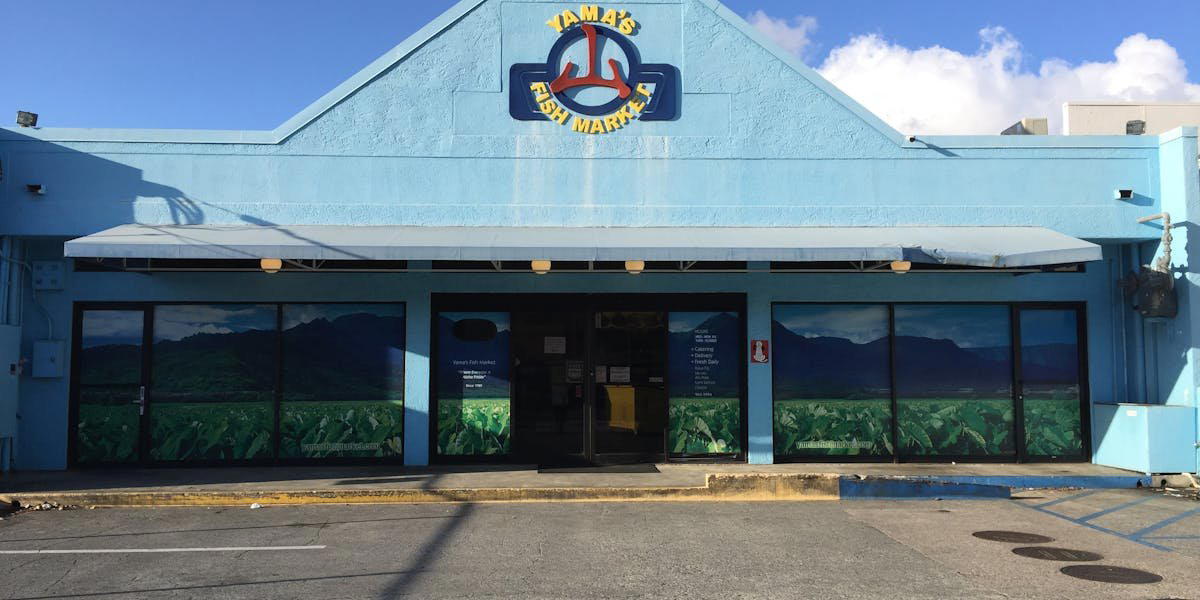
The Counter at the End of Young Street
Walk into the Makiki neighbourhood on a weekday morning and the signals are olfactory before they are visual. The faint brine of fresh fish, the warm starch of rice cooking in bulk, the clean sharpness of soy and sesame, these are the signature notes of Honolulu's fish market tradition, a category of eating that predates the city's restaurant industry in any formal sense. At 2332 Young Street, Yama's Fish Market occupies a working position in that tradition: a market-counter format where the logic is product first, atmosphere second, and anything resembling theatre a distant third.
Honolulu's fish market tier operates differently from the city's dining room circuit. Where restaurants like 3660 On the Rise or 53 By The Sea translate Hawaii's seafood access into composed, plated experiences, the fish market format keeps the transaction direct. You see what came in. You choose from what's there. The staff know the regulars by order, not by name on a reservation. This is a category built on daily accountability to product quality in a way that no amount of tableside presentation can substitute for.
Hawaii's Poke Tradition and What It Demands
Poke in Honolulu exists at a different register than the mainland bowl-shop version that spread through American cities during the 2010s. The original format, cubed raw fish, typically ahi, dressed with soy, sesame oil, sea salt, limu (seaweed), and inamona (roasted kukui nut), is a dish built around the quality of a single primary ingredient. Freshness is not a selling point in this context; it is the minimum condition of entry. Markets operating in this tier turn their fish daily, and regulars calibrate their visits around delivery schedules in the same way that serious wine buyers track allocation releases.
This creates a form of localized quality signal that differs from award-driven recognition. Operations like Yama's are not seeking coverage in the publications that review Le Bernardin in New York City or The French Laundry in Napa. Their authority derives from neighbourhood repetition, from being the place that Makiki residents return to on a Tuesday without deliberation. That kind of loyalty, built over years of consistent product, is its own credentialing system.
The Plate Lunch Format in Context
Hawaii's plate lunch is one of the more historically layered fast formats in American food. It emerged from the plantation labour culture of the late nineteenth and early twentieth centuries, when workers from Japan, the Philippines, Korea, China, and Portugal needed portable, calorie-dense midday meals that could be assembled quickly and eaten in the field. The two-scoop rice, macaroni salad, and protein structure that defines the format today is a direct inheritance from that period, a set of conventions that have proven durable because they work logistically and satisfy the specific hunger of physical labour.
Fish markets that serve plate lunches, as Yama's does, sit at the intersection of that plantation-era tradition and the Japanese-Hawaiian fish-handling culture that gave the islands their poke vocabulary. It is a combination that makes sense geographically: if you are already breaking down whole fish for market sale, the trim and secondary cuts that don't move at the counter become the protein for prepared plates. Waste minimization and culinary tradition converge in the same refrigerated case.
The broader Honolulu dining scene has moved in multiple directions simultaneously. On one side, farm-to-table New American formats like Fête have developed a sophisticated local-ingredient vocabulary. On another, venues like 855-ALOHA and Ahaaina Luau address the cultural experience dimension of Hawaii eating. The fish market tier addresses neither of those things. It addresses the question of where someone who lives in Makiki gets poke on a Wednesday without planning in advance.
Positioning Within Honolulu's Eating Spectrum
Honolulu's food economy spans a wider range than most American cities of comparable size, partly because of tourism's structural effect on the premium end and partly because of the dense, multigenerational local population that sustains the everyday eating tier. Fish markets occupy a position in that second category. They are not destinations in the visitor-economy sense, the way that Providence in Los Angeles or Addison in San Diego draw from a regional and national pool of diners. They serve a hyperlocal function, and their quality signals travel by word of mouth within defined residential catchments.
That said, the Makiki location of Yama's places it within reasonable distance of several central Honolulu neighbourhoods, and the fish market format is accessible to visitors who know to look for it. The price differential between a counter plate lunch and a dining room meal in Honolulu is substantial. For a category of traveller who prioritizes product quality over presentation format, fish markets represent one direct path to the same raw materials that more expensive kitchens are working with downstream.
For those building an itinerary that also includes more formal dining, say, an omakase bar or the kind of composed seafood experience that places like Atomix in New York City or 8 1/2 Otto e Mezzo Bombana in Hong Kong represent in their respective cities, Yama's occupies the opposite end of the format spectrum without any reduction in the seriousness of the underlying ingredient.
Planning Your Visit
| Detail | Yama's Fish Market | Comparable Format (Honolulu) | Dining Room Tier |
|---|---|---|---|
| Format | Market counter / plate lunch | Fish market counter | Seated restaurant |
| Booking | Walk-in, no reservation | Walk-in | Reservation required |
| Price tier | Low (counter pricing) | Low | Mid to high |
| Leading timing | Midday / early afternoon | Midday | Evening |
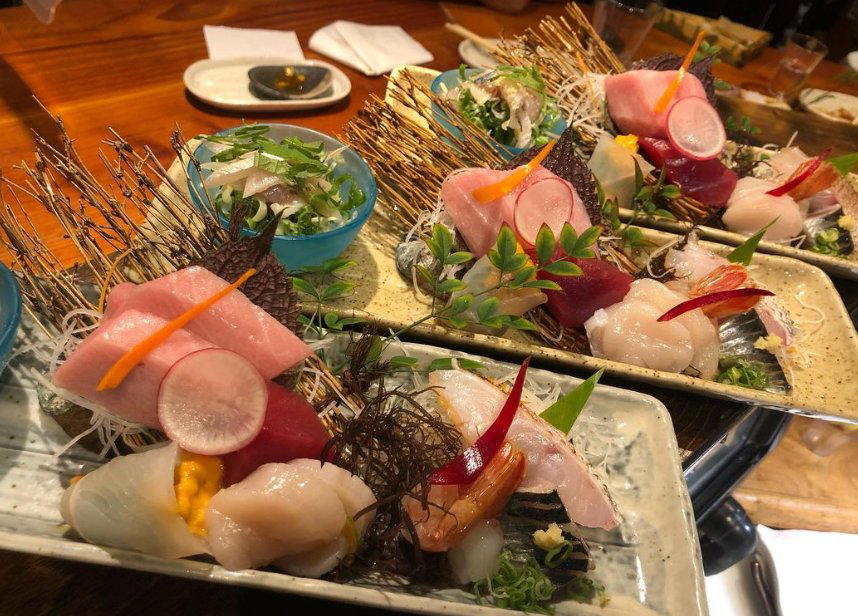
| Primary draw | Poke, plate lunch, fresh fish | Poke, fresh fish | Composed seafood plates |
- Lau Lau
- Kalua Pig
- Ahi Poke
- Haupia
- Mochiko Chicken
- Pastele
Same-City Peers
Comparable venues nearby, for context on price, style, and recognition.
| Venue | Cuisine | Price | Notes |
|---|---|---|---|
| Yama's Fish MarketThis venue — the venue you are viewing | Hawaiian & Local Plate Lunch | $ | Not listed |
| Heavenly - Waikiki | Farm-to-Table Hawaiian | $$ | Waikiki |
| Mud Hen Water | Modern Hawaiian Fusion | $$ | Kaimuki |
| Pork Tamago Onigiri | Okinawan Pork Tamago Onigiri | $ | Waikiki |
| Izakaya Pau Hana Base | Authentic Japanese Izakaya | $ | Waikiki |
| Mitsu-Ken | Japanese Okazuya Bento | $ | Kalihi-Palama |
At a Glance
- Casual
- Rustic
- Casual Hangout
- Solo
- Family
- Group Dining
- Standalone
- Local Sourcing
- Sustainable Seafood
Current opening hours
- Monday
- Closed
- Tuesday
- 9 AM–5 PM
- Wednesday
- 9 AM–5 PM
- Thursday
- 9 AM–5 PM
- Friday
- 9 AM–7 PM
- Saturday
- 9 AM–7 PM
- Sunday
- 9 AM–5 PM
Hours can change for holidays and private events. Last verified .
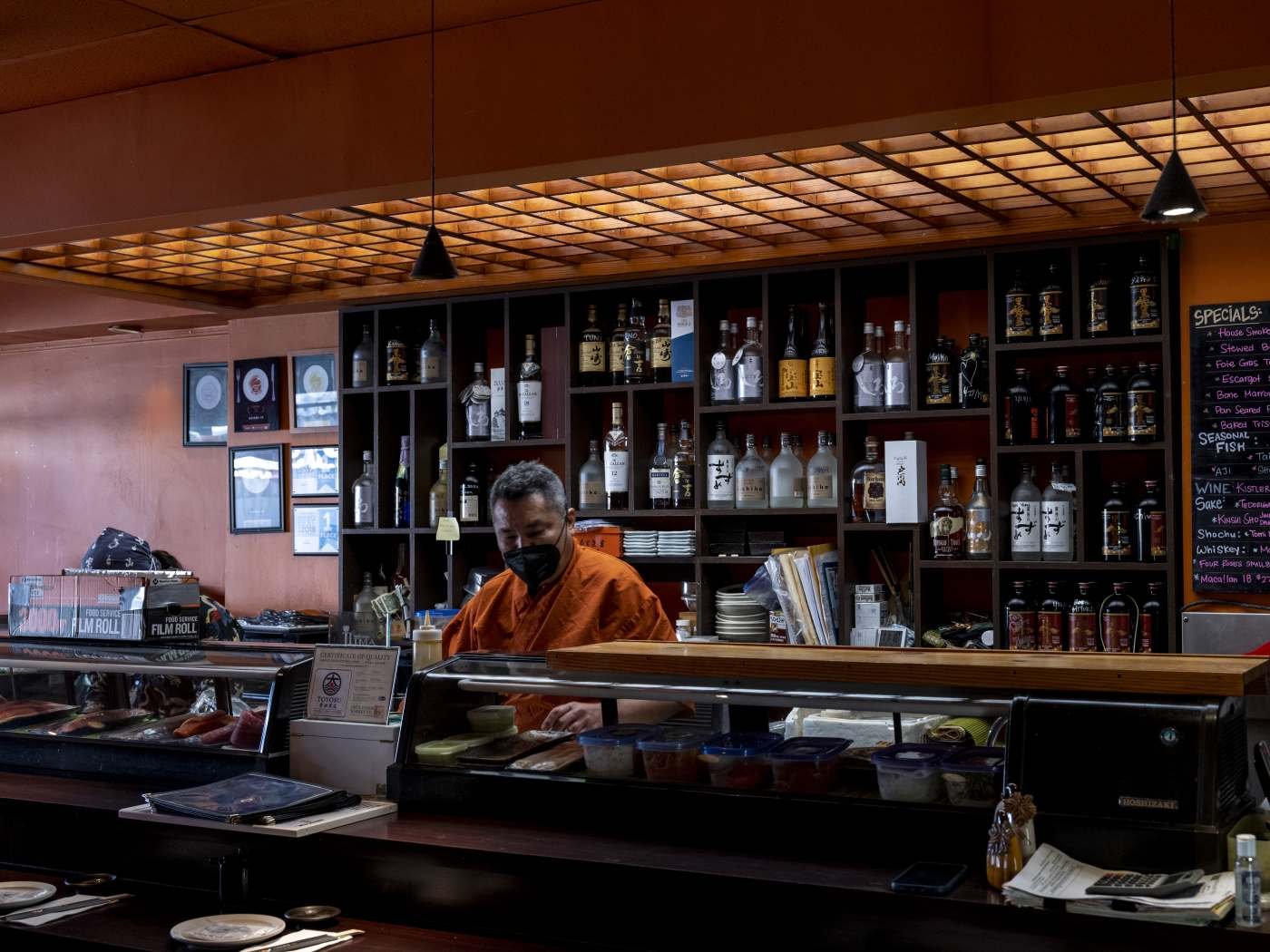
Casual hole-in-the-wall market atmosphere with a no-frills, authentic local vibe that appeals to residents over tourists.