Yamagoe Udon

Yamagoe Udon belongs to Kagawa’s serious sanuki udon circuit, where spring water, wheat handling, and speed matter more than ceremony. The Ayauta-gun shop pairs a low-price, no-reservation format with Tabelog 100 Udon Kagawa 2024 recognition, making it a useful benchmark for travelers comparing rural noodle houses rather than city dining rooms.
Pearl is the En Primeur Club membership app — saves, bookings, and concierge access live there. Same editors, same standards.
- Address
- 香川県綾歌郡綾川町羽床上602‐2
- Phone
- +81878780420
- Website
- yamagoeudon.com
 Saves & bookings on Pearl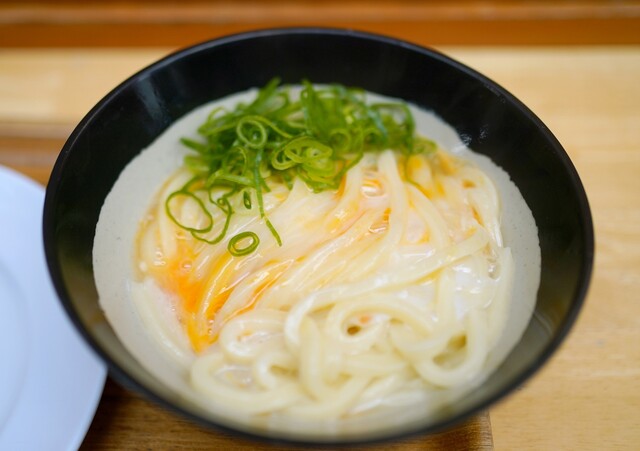
The approach to a Kagawa udon house is often less about dining-room theatre than movement: cars filtering into broad parking areas, families arriving early, trays moving quickly, and the smell of boiling wheat doing the work that chandeliers do elsewhere. In Ayauta-gun, that rhythm is part of the point. Sanuki udon is not a luxury format dressed down for effect; it is a regional craft built around water, flour, kneading, resting, cutting, and timing, then served with the efficiency of a place that expects volume.
Yamagoe Udon sits inside that tradition rather than outside it. Its recognition on Tabelog 100 - Udon - Kagawa - 2024 places it among a narrow group of Kagawa udon addresses that matter to serious noodle travelers, but the useful signal is not prestige for its own sake. It is consistency at scale: a 90-seat setting, counter and table seating, takeout, BYO drinks, and a price band under JPY 999. That combination explains why Kagawa udon remains such a different proposition from Tokyo counter dining. The value is not scarcity, it is precision repeated through a busy morning and lunch service.
Sanuki udon, judged by water, wheat, and pace
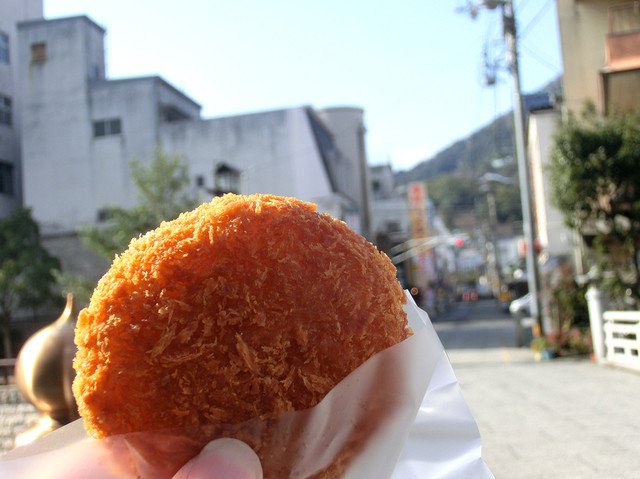
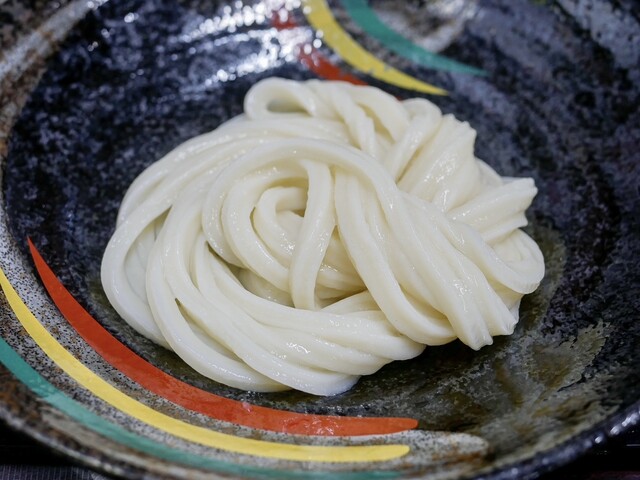
Kagawa’s udon culture rewards restraint. The noodle has to carry the meal, so sourcing and handling become visible even when the bowl looks plain. Ayagawa sits in central Kagawa, a region associated with clear spring water, and that context matters because sanuki udon is built on texture before garnish. The measure is chew, elasticity, and how cleanly the noodle holds broth or dipping sauce. Deep-fried foods often sit alongside the noodles, but they are supporting architecture, not the reason to come.
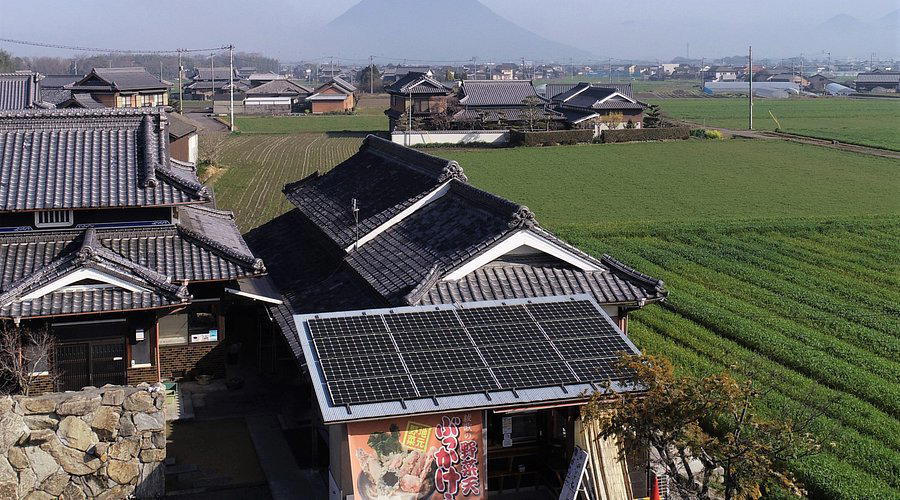
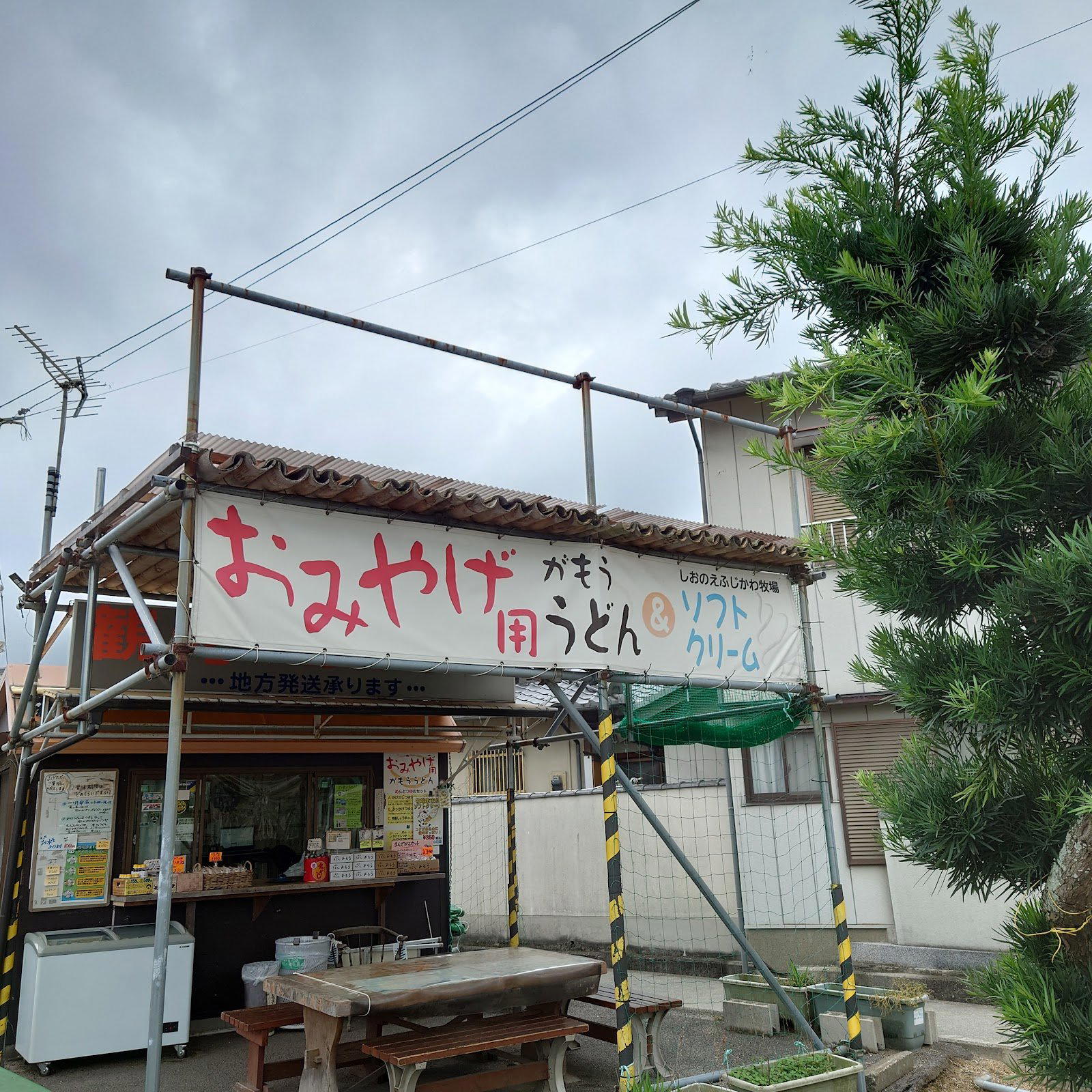
This is where rural Kagawa can be harder to read than metropolitan Japanese dining. A high-end sushi counter signals seriousness through seat count, chef lineage, and price. Udon houses signal it through repetition, turnover, and local trust. A place founded as a noodle shop in 1941 and serving at the storefront since 1992 belongs to that longer pattern: production first, restaurant second. The courtyard and takeout shop add to the practical feel, but the editorial point is simpler. In this category, craft is not hidden behind formality.
Among Ayauta-gun peers, the comparison is unusually price-aligned. Honkaku Teuchi Udon Hayuka, Teuchi Udon Tamura, and Oka Seimensho all sit in the same sub-JPY 999 band, which means the decision is not about spending up. It is about format, timing, access, and what kind of sanuki udon experience the traveler wants. Honkaku Teuchi Udon Okasen and Inamoku widen the local map, but the broader lesson remains the same: Ayauta-gun is a noodle district where small price differences matter less than rhythm and route planning.
A courtyard noodle house built for volume, not ceremony
The room format says a great deal about the experience. Counter seats, table seats, open terrace space, wheelchair access, stroller-friendly entry, and children welcome point to a democratic model of eating. This is not a hushed tasting-menu environment. It is a morning-to-early-afternoon udon operation designed for families, friends, solo eaters, and road-trippers working through Kagawa’s noodle circuit.
Reservations are unavailable, which is common sense for a shop built around queue flow rather than fixed seating times. The more useful planning detail is the operating pattern: service runs on weekdays and Saturdays, with Wednesday and Sunday closures, and holiday periods can change the rhythm. Long weekends may start earlier, while Golden Week, Silver Week, Obon, and New Year periods can affect closures. For travelers, that turns Yamagoe Udon into a timing exercise. Arrive with flexibility, bring cash, and treat it as a daytime stop rather than an evening meal.
Access also shapes the experience. The shop is listed about a 10-minute drive from Takamatsu Airport and about a 10-minute drive from Kotoden Takimiyama Station, with parking across three locations and 200 spaces. Public transport is possible via the Koto Bus from Kotoden Ayagawa Station to Hayadoko Ue, followed by a short walk, but the low bus frequency makes a car the cleaner option for anyone pairing several udon houses in one day. That is why Ayauta-gun dining often feels closer to a regional food route than a single-restaurant reservation plan.
For a wider local itinerary, use Our full Ayauta-gun restaurants guide as the anchor, then build around timing and transport rather than meal categories. The surrounding travel frame can broaden through Our full Ayauta-gun hotels guide, Our full Ayauta-gun bars guide, Our full Ayauta-gun wineries guide, and Our full Ayauta-gun experiences guide, though udon remains the region’s clearest food lens.
How to place it in a wider Japan eating itinerary
Yamagoe Udon is strongest as a benchmark for Kagawa’s ingredient-led simplicity. It will not behave like a destination dining room in Kamakura, Tokyo, Osaka, or Sapporo, and that contrast is exactly why it belongs on a serious Japan food route. A traveler moving between regional formats could set it against beef-focused cooking at -Grilled beef Sukiyaki- KAMAKURA TANUKIAN 鎌倉 たぬき庵 in Kamakura, seafood and charcoal at. 鮪と炭火焼き うお炭 秋葉原店 in Tokyo, café culture at.cafe in Osaka, or contemporary dining at.know in Kumamoto. Those comparisons are not about hierarchy; they show how Japan’s eating culture changes when the main variable shifts from service format to staple ingredient.
The same idea applies beyond Japan. (Shoku) Vietnam in Kawasaki, [Curry Senmon Ten] Maruyama Kyoju. in Sapporo, Jōdo Saké Bar in Los Angeles, and Onigiri Time in Pasadena each frame comfort food through a different urban or diasporic lens. Kagawa udon is more elemental. Its appeal rests on a short chain of decisions: water, flour, noodle structure, broth or sauce, speed of service, and price discipline. For travelers who care about where food comes from and how a region turns ordinary ingredients into a durable identity, that is enough reason to build a stop around it.
Snapshot
Comparable venues by cuisine and price in the same metro.
| Venue | Cuisine | Price | Notes |
|---|---|---|---|
| Yamagoe UdonThis venue — the venue you are viewing | Traditional Sanuki udon shop | $ | Not listed |
| Honkaku Teuchi Udon Okasen | Sanuki Udon | $ | Utazu |
| Honkaku Teuchi Udon Hayuka | Traditional Sanuki Udon | $ | Ayagawa Town |
| Teuchi Udon Tamura | Traditional Sanuki udon shop | $ | Ayagawa Town, Ayauta District |
| Oka Seimensho | Japanese Udon Shop | $ | Ayauta-gun |
| Inamoku | Traditional Sanuki udon | $ | . Ayagawa-cho, Ayauta-gun |
Recognition history
Dated appearances from independent guides and award organizations, with the underlying list record or original source where available.
Tabelog 100 #85 · No. 85
Tabelog · Tabelog 100 - Udon - KAGAWA - 2024
Continue exploring
More in Ayauta-gun
Restaurants in Ayauta-gun
Browse all →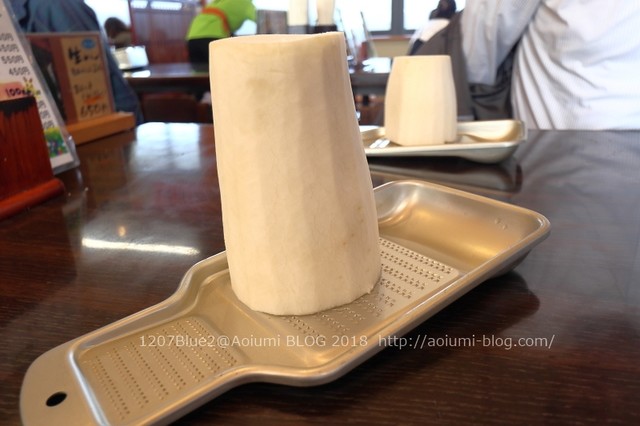
At a Glance
- Scenic
- Classic
- Rustic
- Well Known
- Cozy
- Solo
- Family
- Group Dining
- Casual Hangout
- Brunch
- Garden
- Courtyard
- Standalone
- Historic Building
- Local Sourcing
- Garden
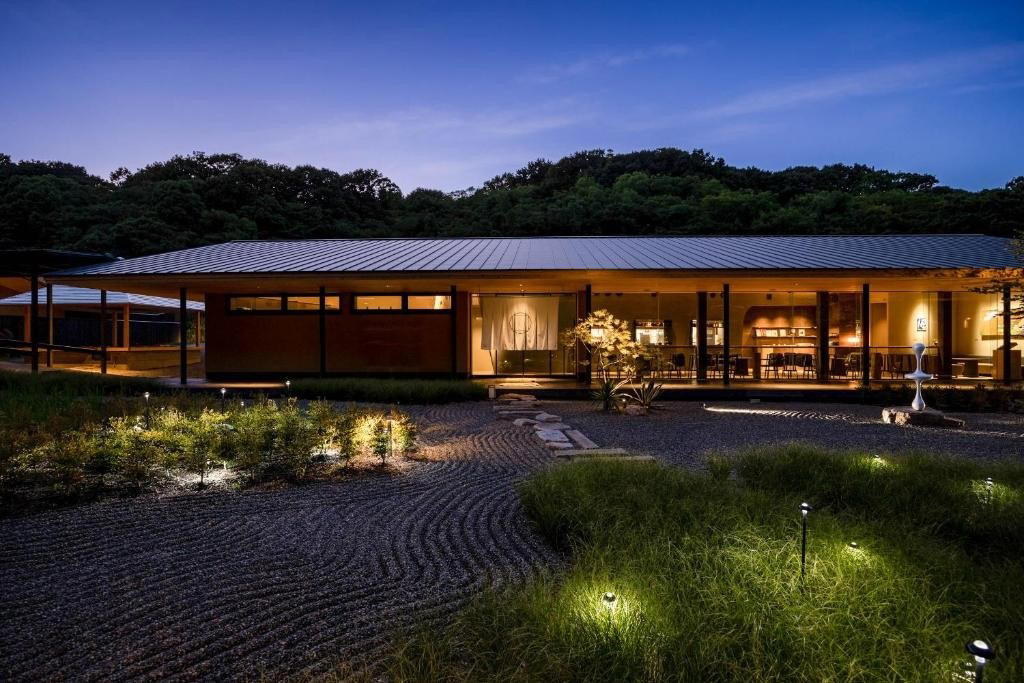
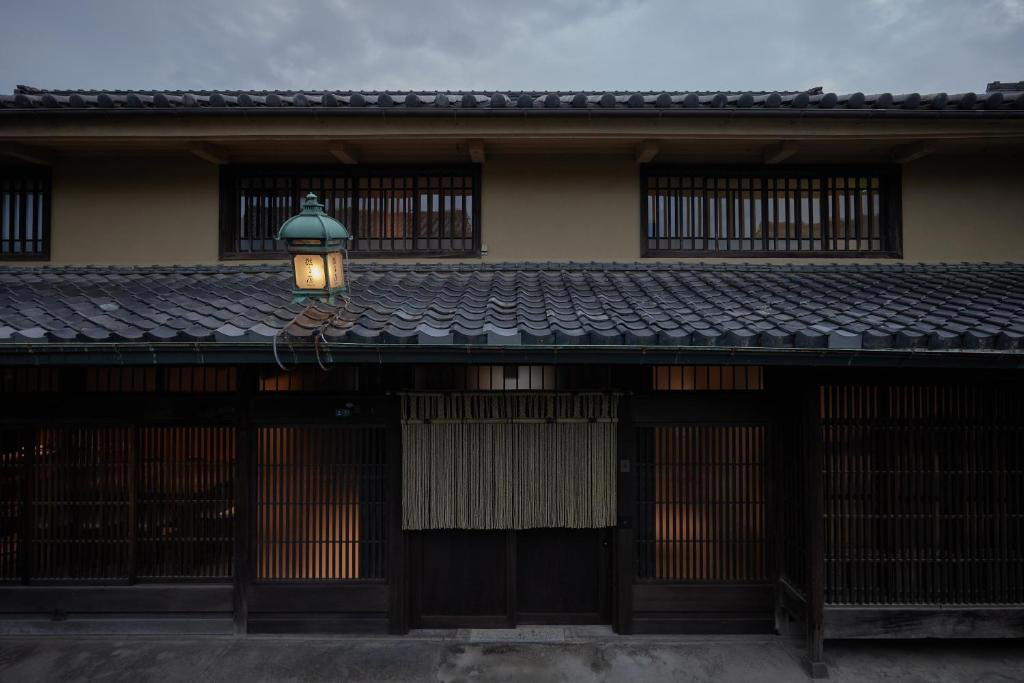
Daytime-only, casual Sanuki udon shop with a bustling, canteen-like pace, simple interior seating, and a charming Japanese garden that creates a relaxed, countryside feel despite the long lines of fans.