Honkaku Teuchi Udon Okasen

Kagawa’s udon culture is built on wheat, water, pressure, and timing rather than luxury signals. Honkaku Teuchi Udon Okasen belongs to the serious end of that everyday tradition: a Tabelog 100 Udon Kagawa 2024 selection where handmade noodles, regional cooking, and a no-reservations format define the experience more than ceremony.
Pearl is the En Primeur Club membership app — saves, bookings, and concierge access live there. Same editors, same standards.
- Address
- Japan, 〒769-0208 Kagawa, Ayauta District, Utazu, Hama8bancho, 129−10
- Phone
- +81 877-49-4422
- Website
- okasen.com
 Saves & bookings on Pearl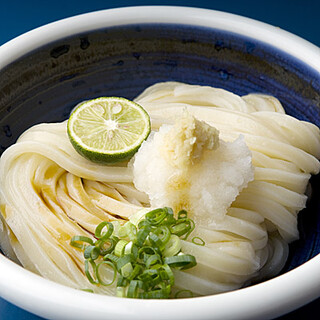
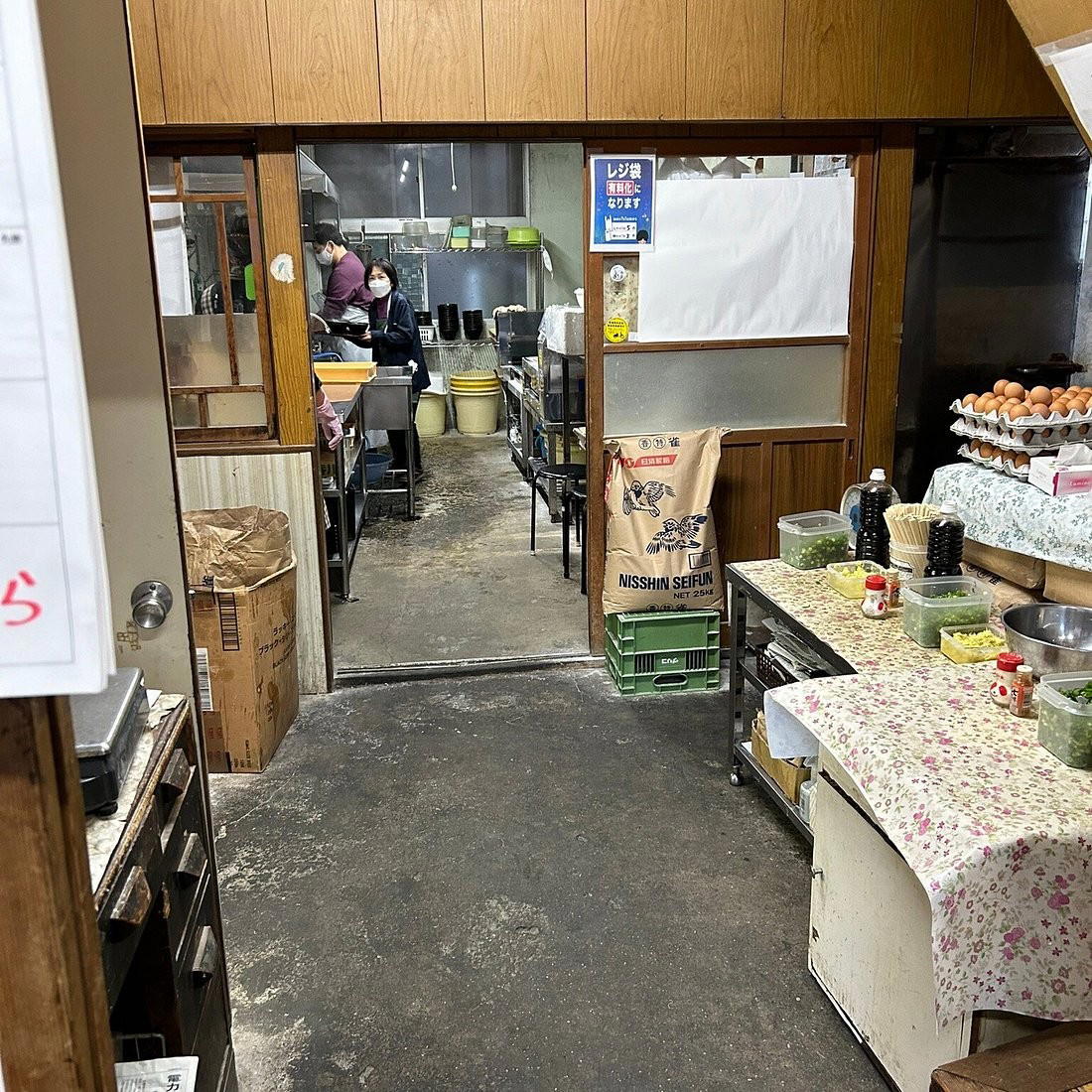
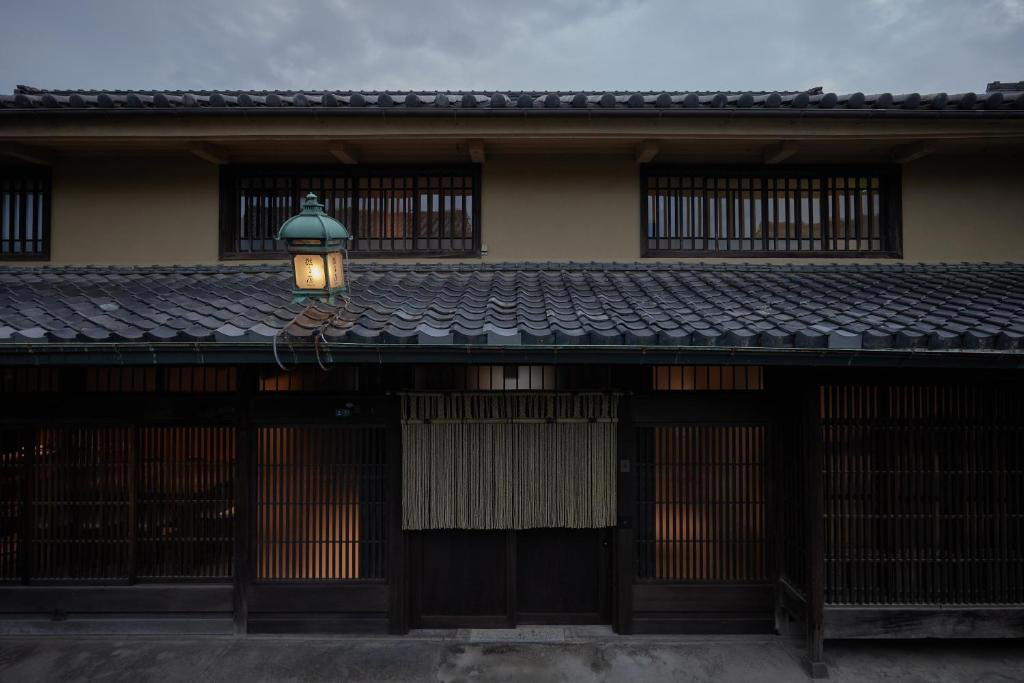
Approaching an udon shop in Kagawa is not the same ritual as entering a Tokyo counter restaurant. The cues are plainer: a line that forms around lunch, families moving quickly through the room, and the particular rhythm of a noodle house built for repeat local use rather than destination dining theater. Honkaku Teuchi Udon Okasen sits in that tradition, where the measure of seriousness is not linen or stemware but how much control a kitchen can impose on flour, water, humidity, and time.
Kagawa, historically known as Sanuki, has turned udon into a daily language. The region’s noodle culture prizes elasticity, clean broth logic, and speed without carelessness. That makes ingredient handling central. Wheat noodles reveal small errors quickly: dough strength, resting time, boiling discipline, and ambient conditions all register in the final bowl. In that context, an udon house selected for Tabelog 100 Udon Kagawa 2024 is not being rewarded for rarity; it is being measured against a dense local field where inexpensive bowls can carry severe expectations.
Sanuki udon, treated as craft rather than comfort food
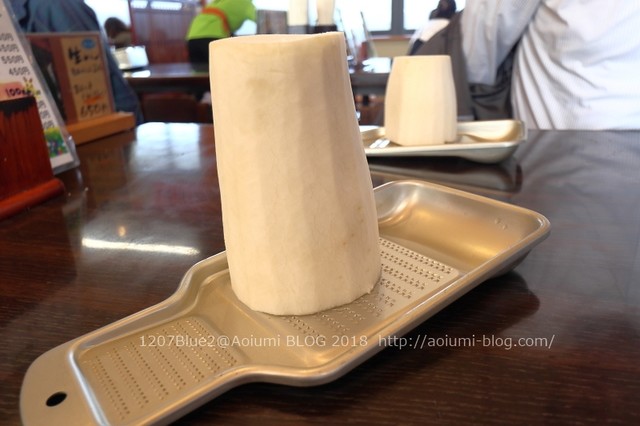
The meaningful distinction here is the shop’s commitment to honkaku teuchi, full handmade udon. The kitchen’s stated process centers on kneading the dough five times over four hours, adding pressure gradually while reading the dough’s response. That detail matters because Sanuki udon is a texture-first cuisine. The noodle has to carry chew without becoming heavy, and the kitchen has to adjust for temperature and humidity rather than repeat a fixed mechanical routine.
This is where Kagawa’s udon culture differs from many noodle traditions aimed at spectacle. The ingredient list is modest, yet the margin for error is narrow. A bowl under JPY 999 can involve more technical discipline than a far pricier meal elsewhere, because the craft is compressed into one staple item. The point is not abundance; it is consistency. Okasen’s repeated Tabelog 100 Udon selections across 2017, 2018, 2019, 2020, 2022, and 2024 place it inside a small group of udon shops that sustain recognition across cycles rather than appearing for a single season.
Within Kagawa, the useful comparison is not between luxury and casual dining, but between different expressions of the same noodle grammar. Honkaku Teuchi Udon Hayuka, Inamoku, Oka Seimensho, Teuchi Udon Tamura, and Yamagoe Udon all sit within the broader Kagawa conversation, where self-service counters, noodle factories, and full-service shops can compete on craft despite radically different formats. Okasen’s angle is more structured: 50 seats, a non-smoking room, tatami seating alongside table seating, and a regional-cuisine category that frames udon as part of a local meal rather than a snack stop.
A regional noodle room with practical discipline
The dining room format says plenty about the audience. This is not a chef’s-counter model designed to slow the meal down. It is a local udon room with enough capacity for families and groups, yet not a place where reservations reset the hierarchy. The absence of private rooms and private-use service keeps the focus public and democratic, which is exactly how Sanuki udon functions in Kagawa: serious food, ordinary cadence.
That ordinary cadence does not mean casual planning. No-reservations udon houses reward timing, especially in a region where sought-after shops can draw visitors from outside the immediate neighborhood. Okasen’s parking provision, including a second lot, signals a customer base arriving by car as well as by rail. Utazu is not central Tokyo; the meal fits more naturally into a Kagawa itinerary built around multiple udon stops, coastal towns, and short regional rail or driving segments.
Payment is another useful signal. Credit cards and electronic money are not accepted, so the experience belongs to Japan’s older cash-first dining culture. That detail is not inconvenience so much as context: many serious regional noodle shops operate on speed, low pricing, and high repetition rather than the infrastructure of metropolitan reservation dining. For travelers, it changes the preparation; for locals, it is part of the daily mechanics.
The drinks note is equally restrained. Sake is listed, but udon remains the center of gravity. This is regional cooking where the sourcing and handling of the noodle carry the editorial interest. The kitchen’s own language about adjusting kneading to the day’s conditions points to a craft closer to breadmaking than assembly. Flour behaves differently depending on weather; Kagawa’s serious udon shops are judged by how little the diner notices those variations.
Where it fits in an Ayauta-gun food itinerary
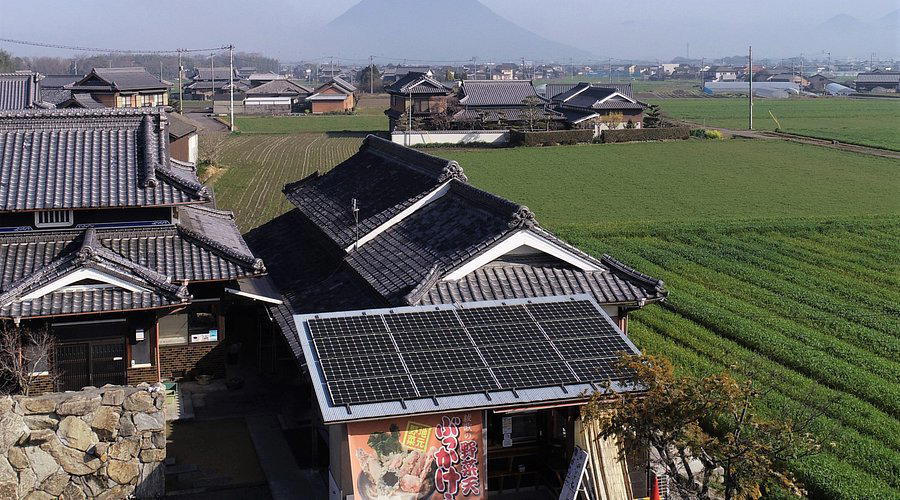
Ayauta-gun does not need the restaurant theatrics of larger Japanese cities to reward a food-focused detour. The area’s strength lies in everyday specialism: shops that commit to a narrow category and let repetition create authority. Okasen’s Tabelog score of 3.79 and 2024 Hyakumeiten selection give it a measurable place in that field, but the stronger argument is cultural. In Kagawa, udon is not a side note to regional identity; it is a primary reason to travel through the prefecture with appetite and patience.
For a wider local plan, Our full Ayauta-gun restaurants guide gives the food context, while Our full Ayauta-gun hotels guide, Our full Ayauta-gun bars guide, Our full Ayauta-gun wineries guide, and Our full Ayauta-gun experiences guide help place the meal inside a broader stay. Readers extending a Japan dining itinerary beyond Kagawa can also compare category-led cooking through -Grilled beef Sukiyaki- KAMAKURA TANUKIAN 鎌倉 たぬき庵 in Kamakura. 鮪と炭火焼き うお炭 秋葉原店 in Tokyo.cafe in Osaka.know in Kumamoto, (Shoku) Vietnam in Kawasaki, [Curry Senmon Ten] Maruyama Kyoju. in Sapporo, Jōdo Saké Bar in Los Angeles, and Onigiri Time in Pasadena.
The editorial case for Honkaku Teuchi Udon Okasen is clear: it represents a regional food culture where craft is affordable, repetition is a credential, and sourcing begins with the behavior of dough. Travelers expecting luxury cues may misread the room. Readers interested in why Kagawa remains Japan’s udon reference point will understand it quickly.
Comparison Snapshot
Comparable venues by cuisine and price in the same metro.
| Venue | Cuisine | Price | Notes |
|---|---|---|---|
| Honkaku Teuchi Udon OkasenThis venue — the venue you are viewing | Sanuki Udon | $ | Not listed |
| Honkaku Teuchi Udon Hayuka | Traditional Sanuki Udon | $ | Ayagawa Town |
| Oka Seimensho | Japanese Udon Shop | $ | Ayauta-gun |
| Yamagoe Udon | Traditional Sanuki udon shop | $ | Ayagawa-cho |
| Teuchi Udon Tamura | Traditional Sanuki udon shop | $ | Ayagawa Town, Ayauta District |
| Inamoku | Traditional Sanuki udon | $ | . Ayagawa-cho, Ayauta-gun |
Recognition history
Dated appearances from independent guides and award organizations, with the underlying list record or original source where available.
Tabelog 100 #92 · No. 92
Tabelog · Tabelog 100 - Udon - KAGAWA - 2024
Continue exploring
More in Ayauta-gun
Restaurants in Ayauta-gun
Browse all →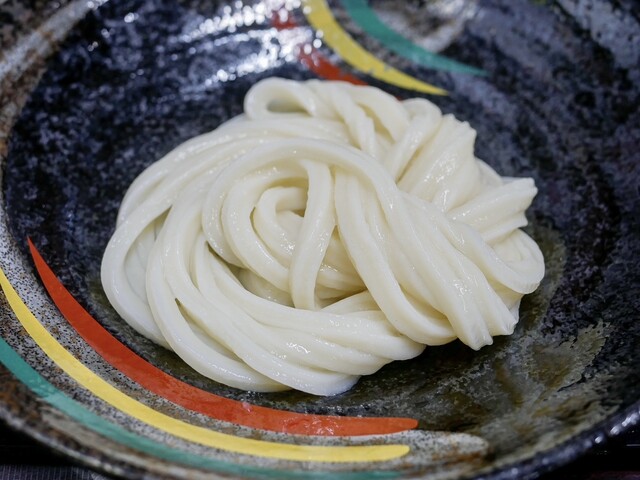

At a Glance
- Classic
- Cozy
- Family
- Solo
- Casual Hangout
- Standalone
- Beer Program
Current opening hours
- Monday
- Closed
- Tuesday
- Closed
- Wednesday
- 11 AM–7 PM
- Thursday
- 11 AM–7 PM
- Friday
- 11 AM–7 PM
- Saturday
- 10:45 AM–7 PM
- Sunday
- 10:45 AM–7 PM
Hours can change for holidays and private events. Last verified .
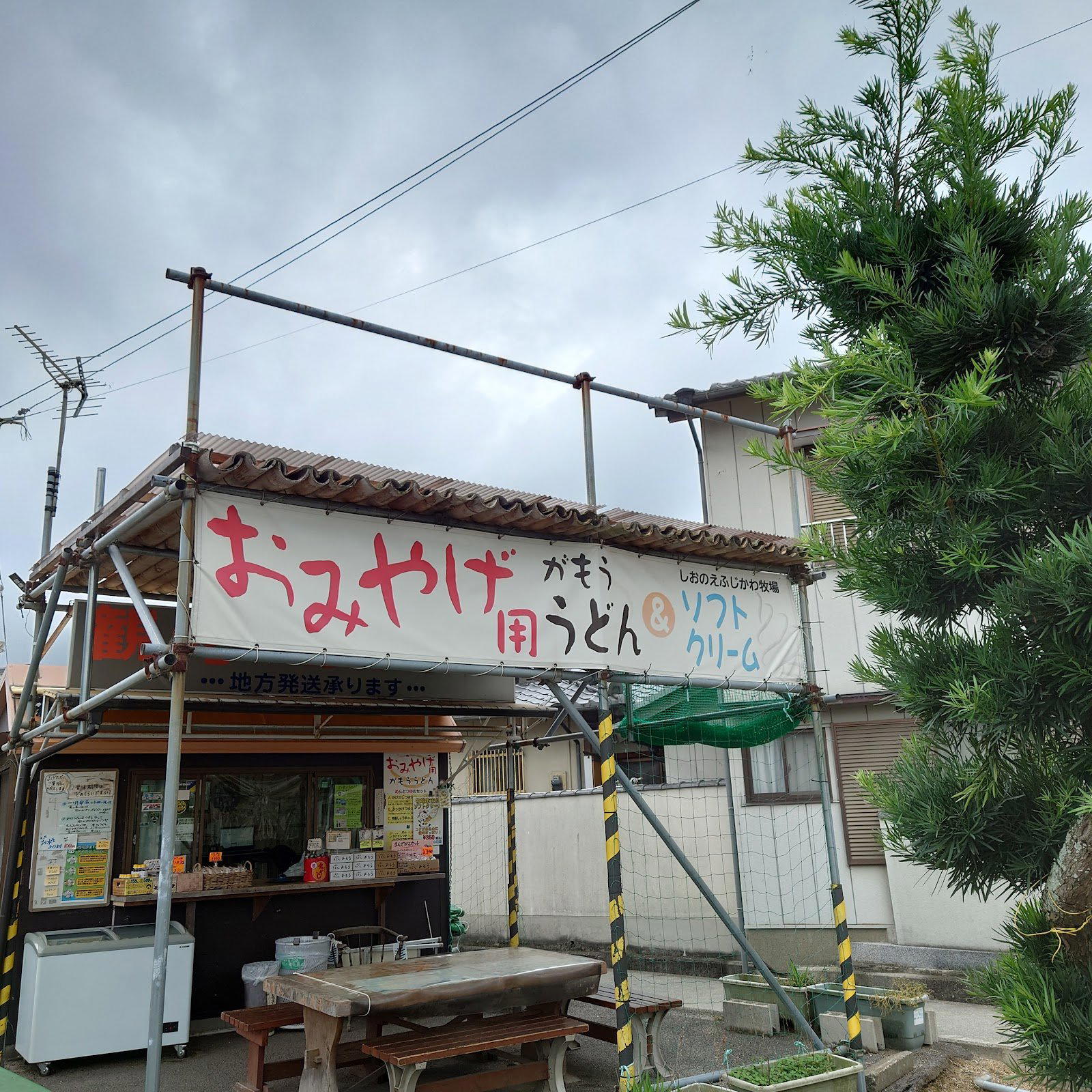
Simple, traditional udon-shop atmosphere with a practical, no-frills feel focused on fast turnover and takeaway convenience.