Inamoku

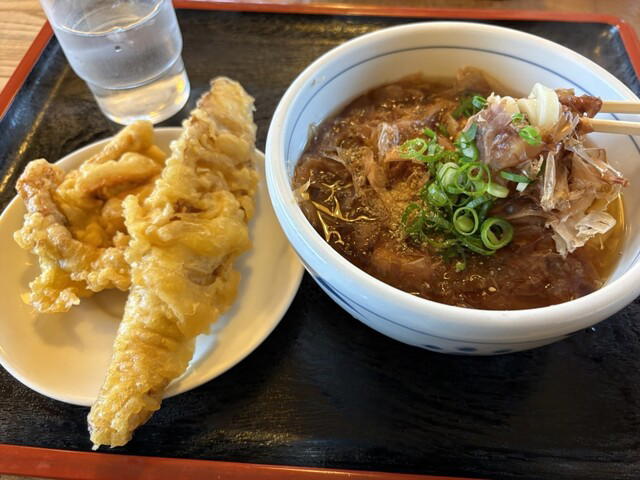
Inamoku places rural Kagawa udon in the conversation usually dominated by busier Sanuki circuits. Its Tabelog 100 - Udon - KAGAWA - 2024 selection, house-restaurant setting, take-out option, and sub-¥1,000 average spend make it a sharp counterpoint to Ayauta-gun’s more familiar noodle stops.
Pearl is the En Primeur Club membership app — saves, bookings, and concierge access live there. Same editors, same standards.
- Address
- Japan, 〒761-2202 Kagawa, Ayauta District, Ayagawa, Sogishonishi, 西甲1420−3
- Phone
- +81 87-814-4154
- Website
- instagram.com
- Directions
- Get directions
 Saves & bookings on Pearl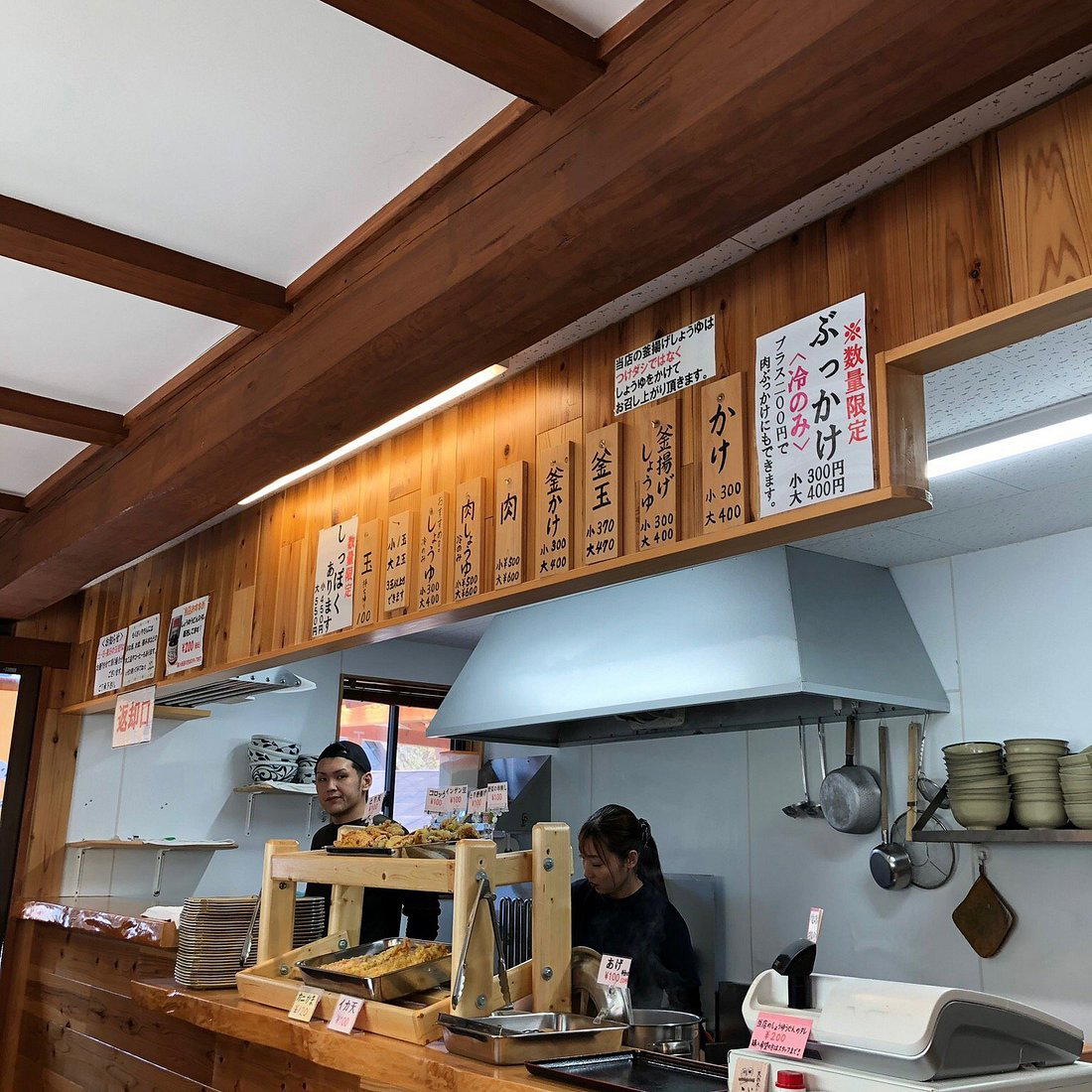
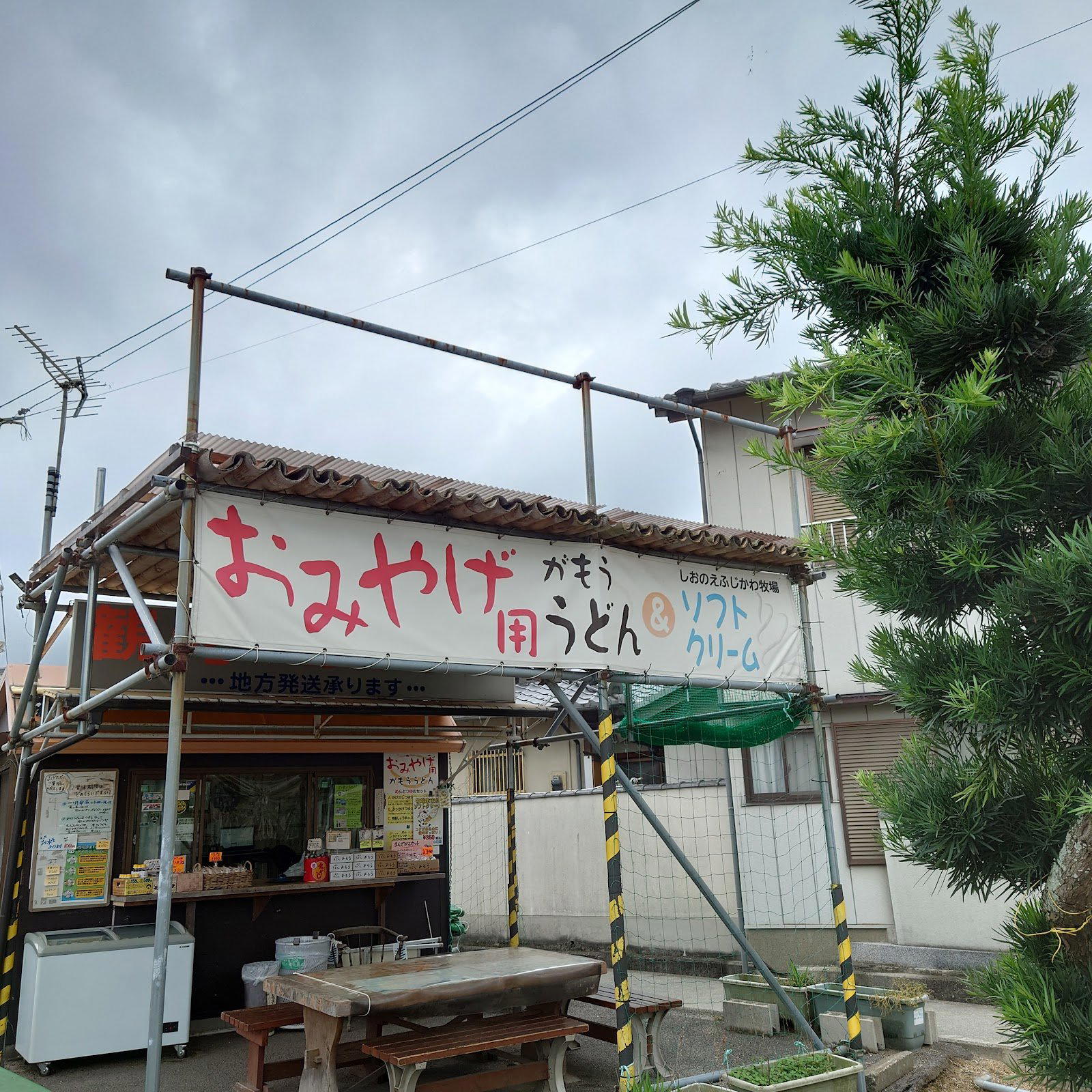
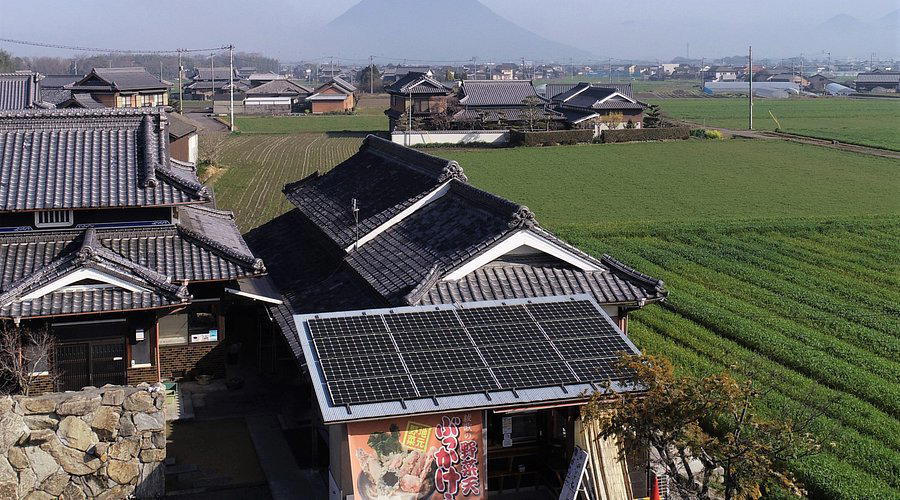
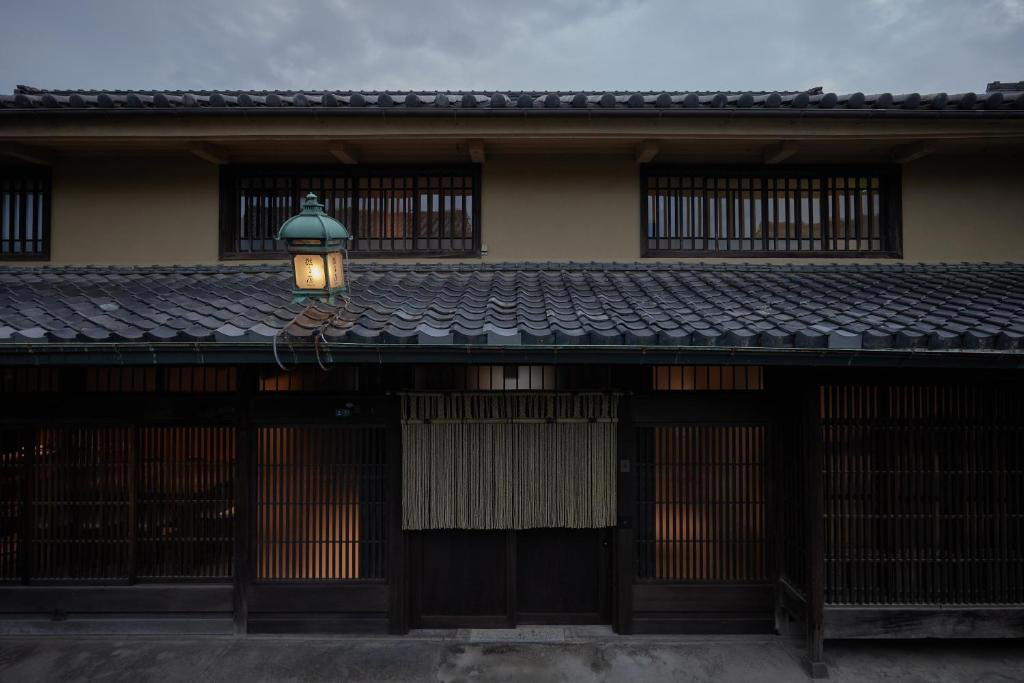
Approach Ayagawa’s udon country and the city rhythm drops away: fields, low houses, practical roads, and the kind of daytime eating culture built around wheat, water, and speed rather than ceremony. Inamoku belongs to that Kagawa tradition, but it reads differently from the high-throughput Sanuki shops that define many first trips through the prefecture. The setting is a house restaurant with counter seating, tatami space, a detached building, and terrace seating, which makes the meal feel tied to place before the first bowl arrives.
Kagawa udon is not a luxury category in the usual sense. Its seriousness comes from repetition, local expectation, and small differences in texture, broth, and pacing. That is why a Tabelog 100 - Udon - KAGAWA - 2024 selection matters here: it places a modest-format noodle shop inside a prefecture where the baseline is already demanding. In a region dense with specialists, recognition is less about spectacle than about consistency in a dish locals treat as everyday food.
Ayagawa udon, read through wheat rather than theatre
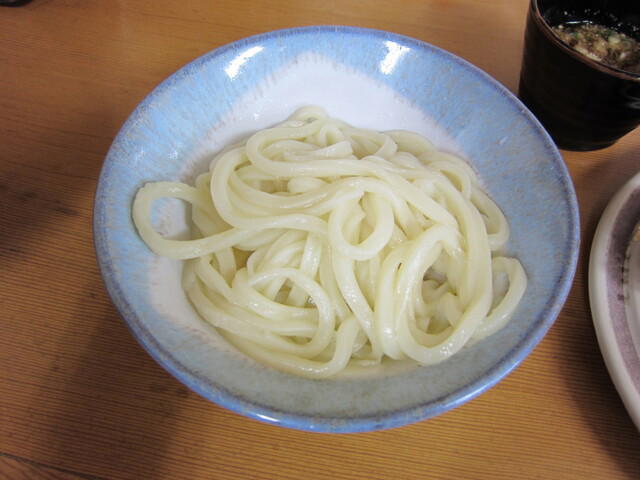
The useful way to understand Inamoku is through sourcing and restraint. Sanuki udon’s reputation rests on wheat noodles with bite, clear regional habits around broth and toppings, and a service style that keeps attention on the bowl rather than the room. The category rewards directness. A shop can be inexpensive, family-friendly, and critically noticed at the same time because Kagawa’s udon culture does not separate seriousness from accessibility.
Ayauta-gun sits in a particularly strong cluster for this style. Honkaku Teuchi Udon Hayuka, Honkaku Teuchi Udon Okasen, Oka Seimensho, Teuchi Udon Tamura, and Yamagoe Udon all sit within the same wider conversation: wheat noodles as regional identity, not restaurant ornament. In that company, Inamoku’s distinction is not a chef narrative or a luxury format, but the way a rural, low-cost, daytime udon house can earn attention without changing the grammar of the meal.
The comparison with Oka Seimensho and Yamagoe Udon is instructive because all operate in the sub-¥1,000 udon bracket. At that price level, the reader should not expect the signals used for Tokyo sushi, Kyoto kaiseki, or hotel dining. The signals are operational and cultural: a short daytime window, a narrow food identity, a local audience that understands the category, and enough recognition to separate a serious stop from a casual convenience.
A house-restaurant format that suits the Sanuki rhythm
The room arrangement matters because udon in Kagawa is often eaten alone, with children, or as one stop in a longer day of driving between towns. Inamoku’s 35-seat setup, spread across a main building and additional seating areas, gives it more flexibility than a tiny counter-only shop. Counter seating supports solo dining; tatami and terrace seating broaden the occasion without turning the meal into an event. The house-restaurant character also fits rural Ayagawa, where the line between domestic architecture and commercial food culture can feel porous.
That format changes the reader’s decision. This is not a place to build a long evening around, and it is not trying to be one. It is a daytime udon stop with take-out available, no private rooms, and a non-smoking dining policy, with an outside smoking area separate from the restaurant. Children are welcome, including babies, preschoolers, and school-age children, which aligns with the broader Kagawa habit of treating udon as a normal family meal rather than an adult-only pursuit.
The practical discipline is part of the appeal. A restaurant that opens in a narrow lunch window and closes when supply runs out belongs to a different logic from reservation-led dining. For visitors moving through Ayauta-gun, that means timing matters more than ceremony. The region rewards early movement, a car-based plan, and an appetite for shops that may be simple in format but exacting in the expectations placed on their noodles.
How to place it within an Ayauta-gun eating day
Inamoku is strongest as part of a Kagawa udon itinerary rather than as a standalone destination meal in the metropolitan sense. Pairing it mentally with Oka Seimensho or Yamagoe Udon clarifies the category: low spend, focused cooking, and a meal measured in texture and local rhythm. The award selection gives it a useful trust signal, but the more persuasive point is how neatly it fits the prefecture’s food culture, where ordinary-looking shops often carry the weight of regional technique.
For broader planning, Our full Ayauta-gun restaurants guide is the relevant next layer; Our full Ayauta-gun hotels guide, Our full Ayauta-gun bars guide, Our full Ayauta-gun wineries guide, and Our full Ayauta-gun experiences guide help frame the rest of the trip without pretending Ayagawa is a late-night dining district. The area is better read through daytime eating, rural movement, and specific food traditions.
Travellers building a wider Japan food map can set this against different formats elsewhere: -Grilled beef Sukiyaki- KAMAKURA TANUKIAN 鎌倉 たぬき庵 in Kamakura for beef-led set dining. 鮪と炭火焼き うお炭 秋葉原店 in Tokyo for urban seafood and charcoal cooking.cafe in Osaka for a cafe register.know in Kumamoto, (Shoku) Vietnam in Kawasaki, and [Curry Senmon Ten] Maruyama Kyoju. in Sapporo for regional variety beyond noodles. Abroad, Jōdo Saké Bar in Los Angeles and Onigiri Time in Pasadena show how Japanese food formats are translated outside Japan. Against those references, Kagawa udon remains stubbornly local: affordable, specific, and dependent on the discipline of a single staple.
Snapshot
Comparable venues by cuisine and price in the same metro.
| Venue | Cuisine | Price | Notes |
|---|---|---|---|
| Inamoku | Traditional Sanuki udon | $ | . Ayagawa-cho, Ayauta-gun |
| Honkaku Teuchi Udon Hayuka | Traditional Sanuki Udon | $ | Ayagawa Town |
| Honkaku Teuchi Udon Okasen | Sanuki Udon | $ | Utazu |
| Yamagoe Udon | Traditional Sanuki udon shop | $ | Ayagawa-cho |
| Teuchi Udon Tamura | Traditional Sanuki udon shop | $ | Ayagawa Town, Ayauta District |
| Oka Seimensho | Japanese Udon Shop | $ | Ayauta-gun |
Recognition history
Dated appearances from independent guides and award organizations, with the underlying list record or original source where available.
Tabelog 100 #83 · No. 83
Tabelog · Tabelog 100 - Udon - KAGAWA - 2024
Continue exploring
More in Ayauta-gun
Restaurants in Ayauta-gun
Browse all →
Bars in Ayauta-gun
Browse all →
At a Glance
- Quiet
- Cozy
- Rustic
- Solo
- Family
- Casual Hangout
- After Work
- Group Dining
- Standalone
- Local Sourcing
- Mountain
Current opening hours
- Monday
- Closed
- Tuesday
- Closed
- Wednesday
- Closed
- Thursday
- Closed
- Friday
- 10:30 AM–2 PM
- Saturday
- 10:30 AM–2 PM
- Sunday
- 10:30 AM–2 PM
Hours can change for holidays and private events. Last verified .
A calm, simple udon shop with around 35 seats, offering a relaxed, local atmosphere in a rural mountain setting, focused on efficient self-service rather than elaborate design.