Honkaku Teuchi Udon Hayuka

Honkaku Teuchi Udon Hayuka belongs to Kagawa’s low-priced, craft-driven udon culture, where sourcing, noodle handling, and turnover matter more than ceremony. The Ayauta-gun shop has Tabelog 100 Udon Kagawa 2024 recognition, a 3.84 Tabelog score, 72 seats, take-out, and a cash-only format, keeping it firmly in the everyday Sanuki udon bracket rather than the luxury dining lane.
Pearl is the En Primeur Club membership app — saves, bookings, and concierge access live there. Same editors, same standards.
- Address
- 2222-5 Hayukashimo, Ayagawa, Ayauta District, Kagawa 761-2308, Japan
- Phone
- +81 87-876-5377
- Website
- tabelog.com
 Saves & bookings on Pearl
Approaching a house-style udon shop in rural Kagawa changes the terms of evaluation. The setting is built not around spectacle but throughput, local habit, and the quiet discipline of wheat noodles served before the day turns heavy. In Ayauta-gun, serious udon conversation is less about decoration than the decisions behind a bowl: flour, water, kneading, cutting, boiling, broth, and how quickly it reaches the table.
That is the context for Honkaku Teuchi Udon Hayuka. The name matters because the shop has been selected for Tabelog 100 - Udon - KAGAWA - 2024 and carries a 3.84 Tabelog score, but the larger story is Kagawa’s ability to keep craft udon inexpensive. With spending listed at JPY 999 or below, it sits in the same low-cost Sanuki udon economy as Yamagoe Udon and Teuchi Udon Tamura, where price signals not simplicity but how deeply the format is embedded in local life.
Sanuki udon is a sourcing story before it is a comfort-food story
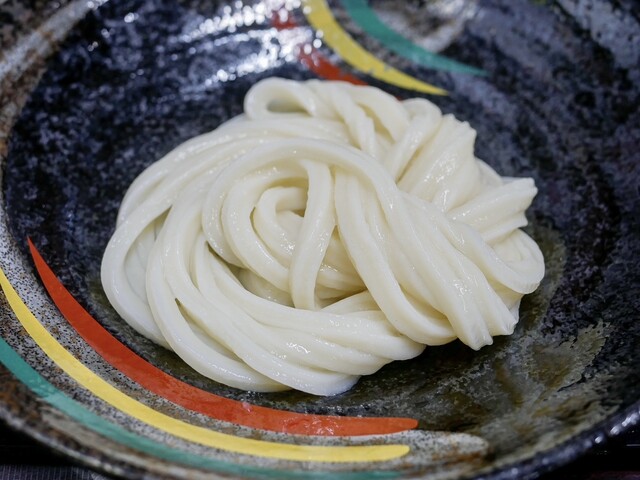
Kagawa’s udon reputation rests on agricultural plainness meeting technical precision. Wheat noodles need little luxury garnish to reveal weakness; texture carries the argument. Here, a good bowl depends on noodle elasticity, broth salinity and clarity, and service pace. The regional style rewards shops that treat udon as daily infrastructure, not occasional dining theatre.
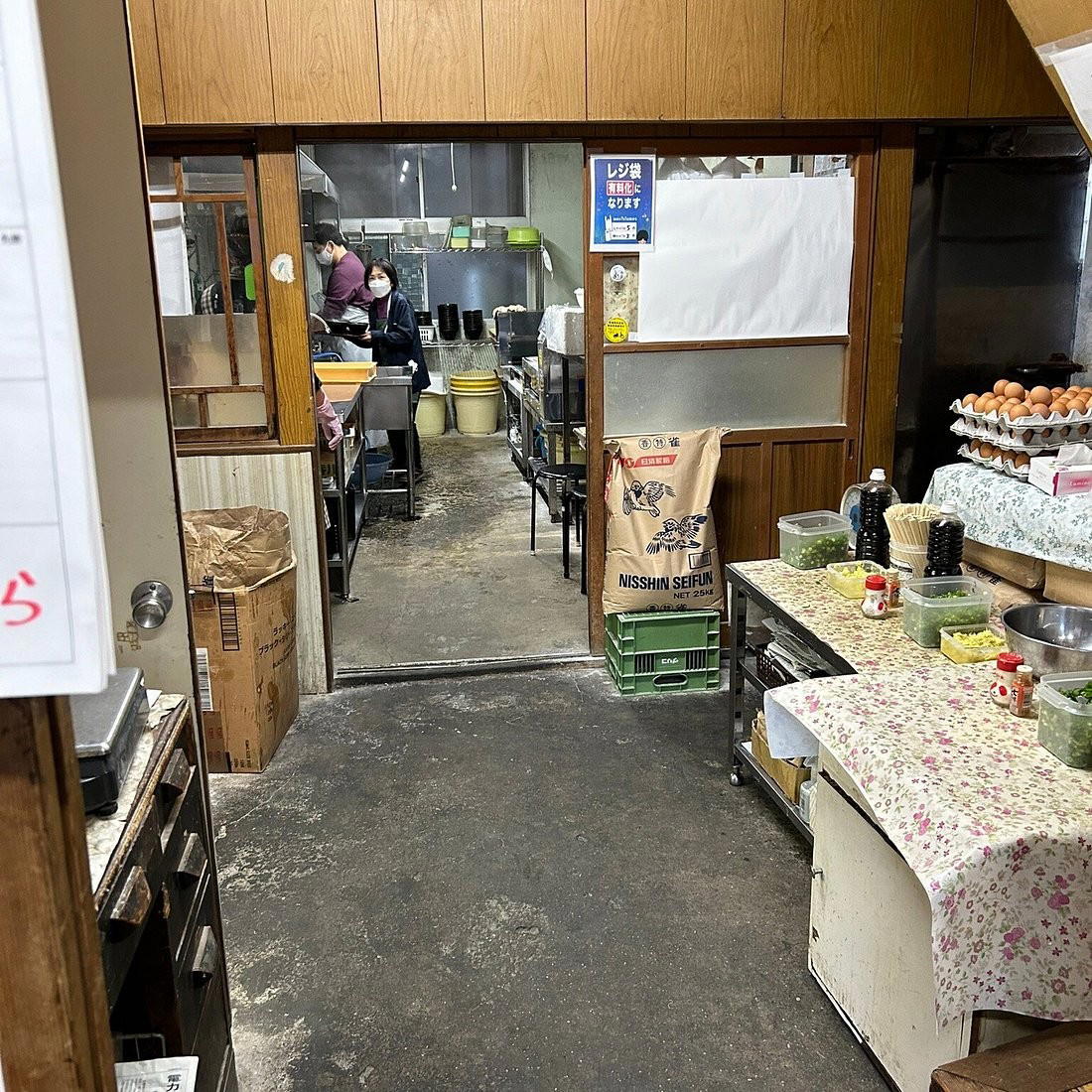
Honkaku Teuchi Udon Hayuka fits that grammar. The category is udon, specifically wheat noodles, and the format is practical: table seating, tatami room seating, counter seating, take-out, and a no-smoking room. Sake and shochu are listed, but the center of gravity remains the noodle. In Kagawa, ingredient sourcing is expressed not through imported luxury produce but through repeatable handling of a humble base ingredient. The point is consistency at volume, not rarity.
The shop opened on 15 December 2003, placing it among Kagawa udon addresses that matured during the broader domestic boom in noodle tourism. By 2026, the restaurant is more than two decades old, long enough for local reliability to matter more than novelty. Multiple Tabelog 100 selections across 2017, 2018, 2019, 2020, 2022, and 2024 reinforce that it is not a single-season curiosity.
Ayauta-gun gives the experience a different rhythm from urban counter dining. For broader local mapping, Our full Ayauta-gun restaurants guide is the useful starting point, while non-restaurant planning sits separately in Our full Ayauta-gun hotels guide, Our full Ayauta-gun bars guide, Our full Ayauta-gun wineries guide, and Our full Ayauta-gun experiences guide. Those links matter because Kagawa udon days are often planned by area and transport, not a single reservation.
The room belongs to family lunches, noodle pilgrims, and repeat locals
The 72-seat setup is a clue. This is not the hushed small counter model of high-end sushi or kappo, but a larger, casual udon room with table and tatami seating, children welcome, and no private rooms. The combination points to democratic dining: groups of friends, families, solo diners, and udon-focused travelers can pass through without formal social choreography.
Reservations are unavailable, which suits the category. Sanuki udon shops are judged partly by flow. A meal here belongs to daytime eating rather than late-evening dining, and the listed hours concentrate service into a short lunch-led window. Payment is also part of the experience: credit cards, electronic money, and QR code payments are not accepted. The transaction stays close to the old udon-shop model: fast, local, and cash-based.
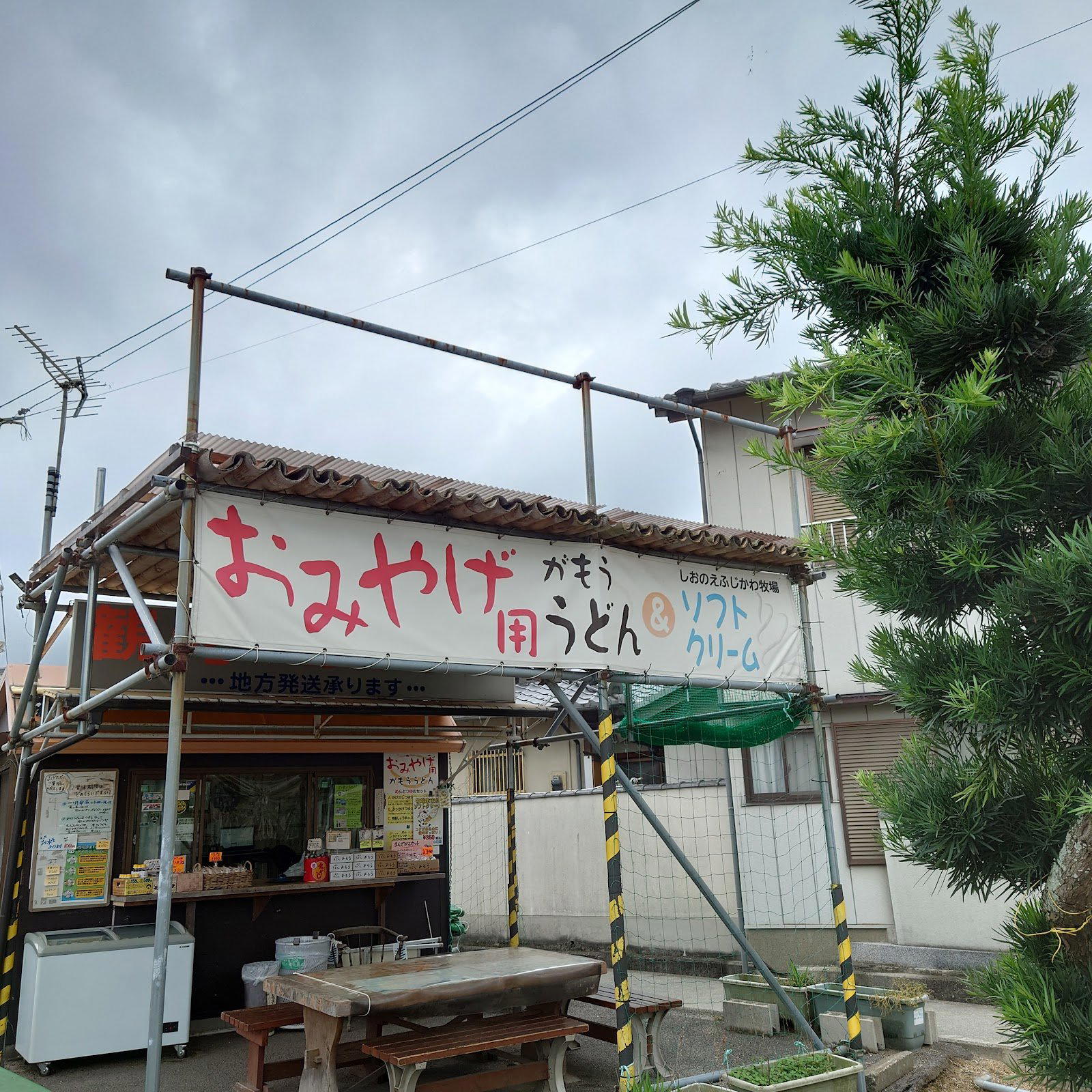
Parking for 23 cars signals how people use the address. Kagawa udon itineraries often work by car, linking rural and suburban shops rather than staying within one station district. The nearest station is Hayuka, and the location is described as a house restaurant, explaining why the atmosphere reads more local than polished. Logistically, it is closer to a noodle stop folded into daily movement than a destination dining room asking for a whole evening.
Among Ayauta-gun peers, the comparison is not about luxury. Honkaku Teuchi Udon Okasen, Inamoku, and Oka Seimensho sit in the same regional appetite for direct, affordable noodle craft. The sharper distinction is format and setting: house-style dining, 72 seats, take-out, family suitability, and repeated Hyakumeiten recognition give Hayuka a clear role in the local circuit.
Where this fits in a Japan food itinerary
Travelers used to Japan’s tasting-menu hierarchy can misread Kagawa udon because prices are low and rooms plain. That is the mistake. The better comparison is with regional food cultures where repetition sharpens judgment: soba towns, ramen districts, market sushi counters, onigiri specialists. The experience is not competing with luxury dining; it shows how a prefecture can turn a simple staple into a serious object of comparison.
That wider Japanese context runs from local specialty rooms to city formats: -Grilled beef Sukiyaki- KAMAKURA TANUKIAN 鎌倉 たぬき庵 in Kamakura frames beef through a different regional lens;. 鮪と炭火焼き うお炭 秋葉原店 in Tokyo speaks to urban seafood-and-grill dining;.cafe in Osaka.know in Kumamoto, (Shoku) Vietnam in Kawasaki, and [Curry Senmon Ten] Maruyama Kyoju. in Sapporo show how Japan’s casual categories can be as identity-rich as its formal restaurants. For readers extending the theme beyond Japan, Jōdo Saké Bar in Los Angeles and Onigiri Time in Pasadena offer diaspora reference points for how Japanese staples are translated abroad.
The editorial case for Honkaku Teuchi Udon Hayuka is narrow and strong: go for Kagawa udon as regional craft, not ceremony. The evidence is practical and public: Tabelog 100 Udon Kagawa 2024 selection, a sub-JPY 1,000 spend, 72 seats, children welcome, take-out, no-smoking service, and cash-only payment. In a prefecture where udon is both breakfast habit and travel pursuit, those details say more than a long menu ever could.
Snapshot
Comparable venues by cuisine and price in the same metro.
| Venue | Cuisine | Price | Notes |
|---|---|---|---|
| Honkaku Teuchi Udon HayukaThis venue — the venue you are viewing | Traditional Sanuki Udon | $ | Not listed |
| Teuchi Udon Tamura | Traditional Sanuki udon shop | $ | Ayagawa Town, Ayauta District |
| Oka Seimensho | Japanese Udon Shop | $ | Ayauta-gun |
| Inamoku | Traditional Sanuki udon | $ | . Ayagawa-cho, Ayauta-gun |
| Honkaku Teuchi Udon Okasen | Sanuki Udon | $ | Utazu |
| Yamagoe Udon | Traditional Sanuki udon shop | $ | Ayagawa-cho |
Recognition history
Dated appearances from independent guides and award organizations, with the underlying list record or original source where available.
Tabelog 100 #88 · No. 88
Tabelog · Tabelog 100 - Udon - KAGAWA - 2024
Continue exploring
More in Ayauta-gun
Restaurants in Ayauta-gun
Browse all →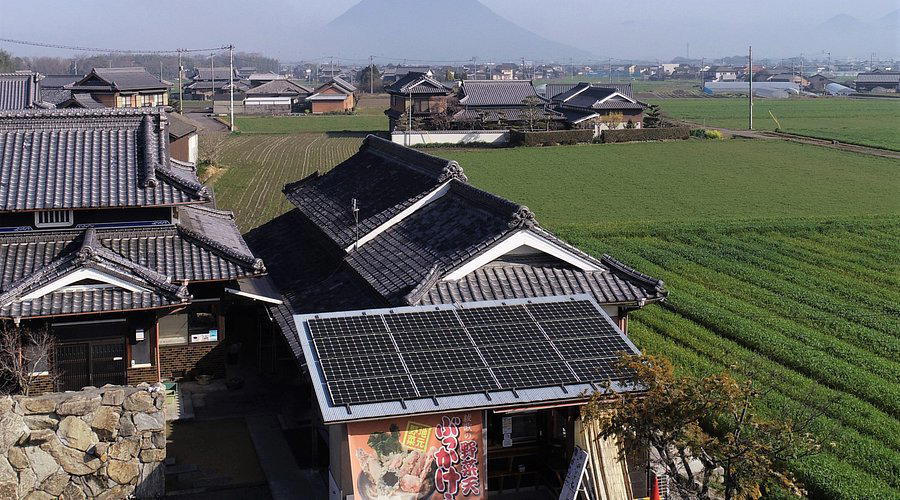
At a Glance
- Lively
- Classic
- Rustic
- Family
- Casual Hangout
- Solo
- Group Dining
- After Work
- Standalone
- Sake Program
Current opening hours
- Monday
- Closed
- Tuesday
- 10 AM–3 PM
- Wednesday
- 10 AM–3 PM
- Thursday
- 10 AM–3 PM
- Friday
- 10 AM–3 PM
- Saturday
- 10 AM–3 PM
- Sunday
- 10 AM–3 PM
Hours can change for holidays and private events. Last verified .
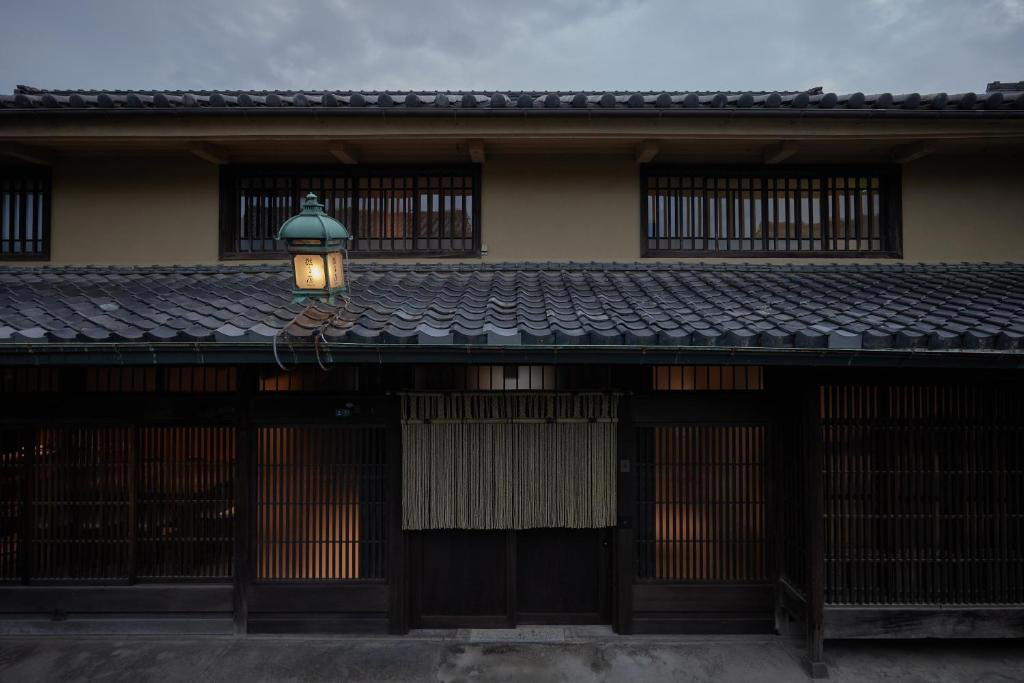
Bright, bustling self-service udon shop with a casual, family-friendly feel, simple table and tatami seating, and the atmosphere of a standalone countryside house restaurant.