Oka Seimensho

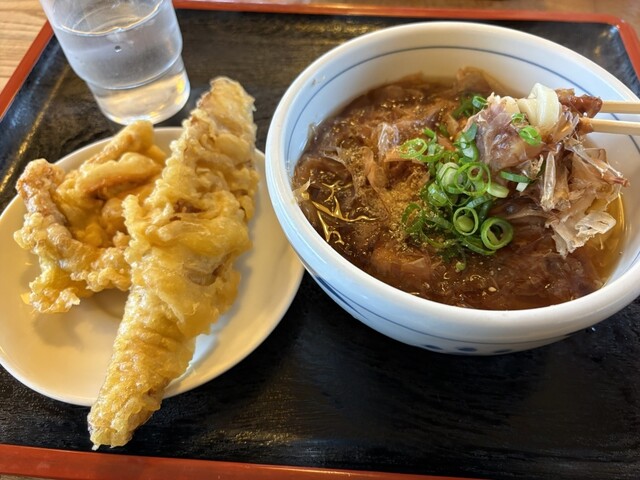
Oka Seimensho belongs to Kagawa’s low-cost, ingredient-led udon culture, where wheat noodles, counter seating, and quick daytime service matter more than ceremony. The Ayauta-gun shop is a Tabelog 100 Udon Kagawa 2024 selection, with udon and deep-fried foods priced under JPY 999, making it a precise stop for travelers reading Sanuki udon through craft rather than luxury signals.
Pearl is the En Primeur Club membership app — saves, bookings, and concierge access live there. Same editors, same standards.
- Address
- 甲1949−8 Yamadakami, Ayagawa, Ayauta District, Kagawa 761-2203, Japan
- Phone
- +81 87-878-1780
- Website
- instagram.com
 Saves & bookings on Pearl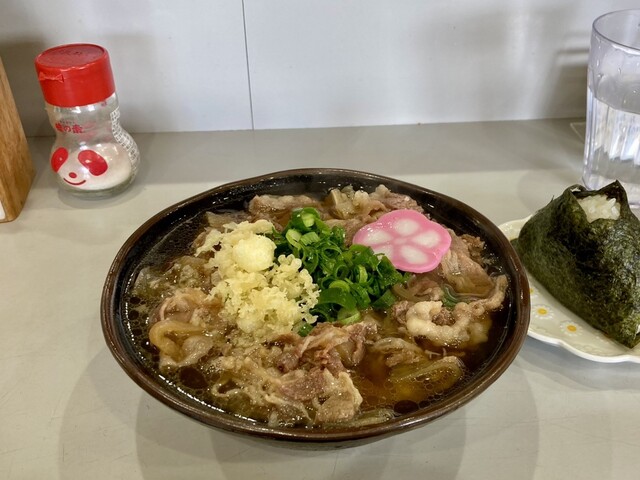
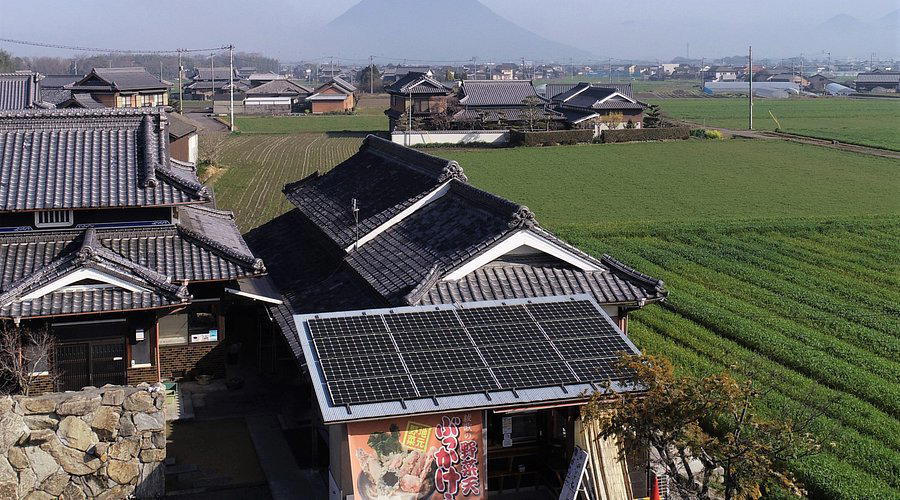
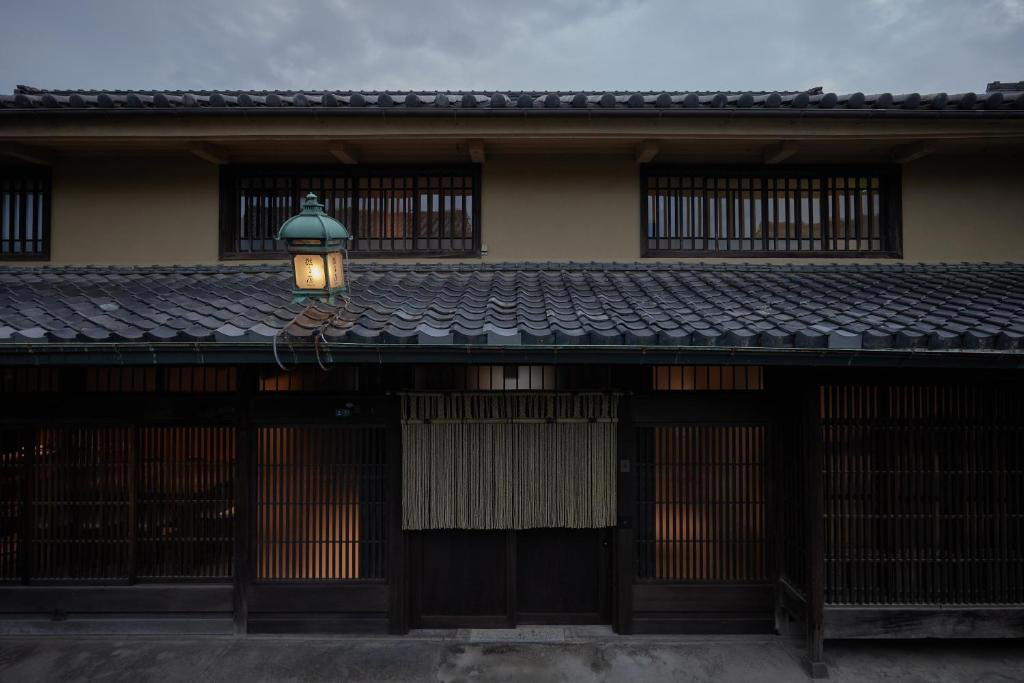
The approach to rural Kagawa udon is rarely theatrical. The stronger signal is usually the plain room, the short service window, and the practical rhythm of people arriving for noodles rather than an occasion. Oka Seimensho fits that grammar: a house-restaurant setting in Ayagawa, counter seating, and a menu built around udon and deep-fried foods. In a prefecture where Sanuki udon is judged through texture, wheat character, broth discipline, and turnover, the experience is closer to a working food culture than a dressed-up regional tasting.
Kagawa’s udon scene rewards specificity. The price band is modest, but the competition is serious because the baseline is high and local diners are fluent. Oka Seimensho’s selection for Tabelog 100 Udon Kagawa 2024 places it inside a recognized group of prefectural specialists, not a broad tourist roundup. That distinction matters: udon in Kagawa is not scarce, but credible udon with repeat local attention sits in a narrower lane. Nearby names such as Honkaku Teuchi Udon Hayuka, Honkaku Teuchi Udon Okasen, Inamoku, Teuchi Udon Tamura, and Yamagoe Udon form the useful comparison frame: low prices, high expectations, and almost no tolerance for weak fundamentals.
Sanuki udon judged by sourcing, texture, and turnover
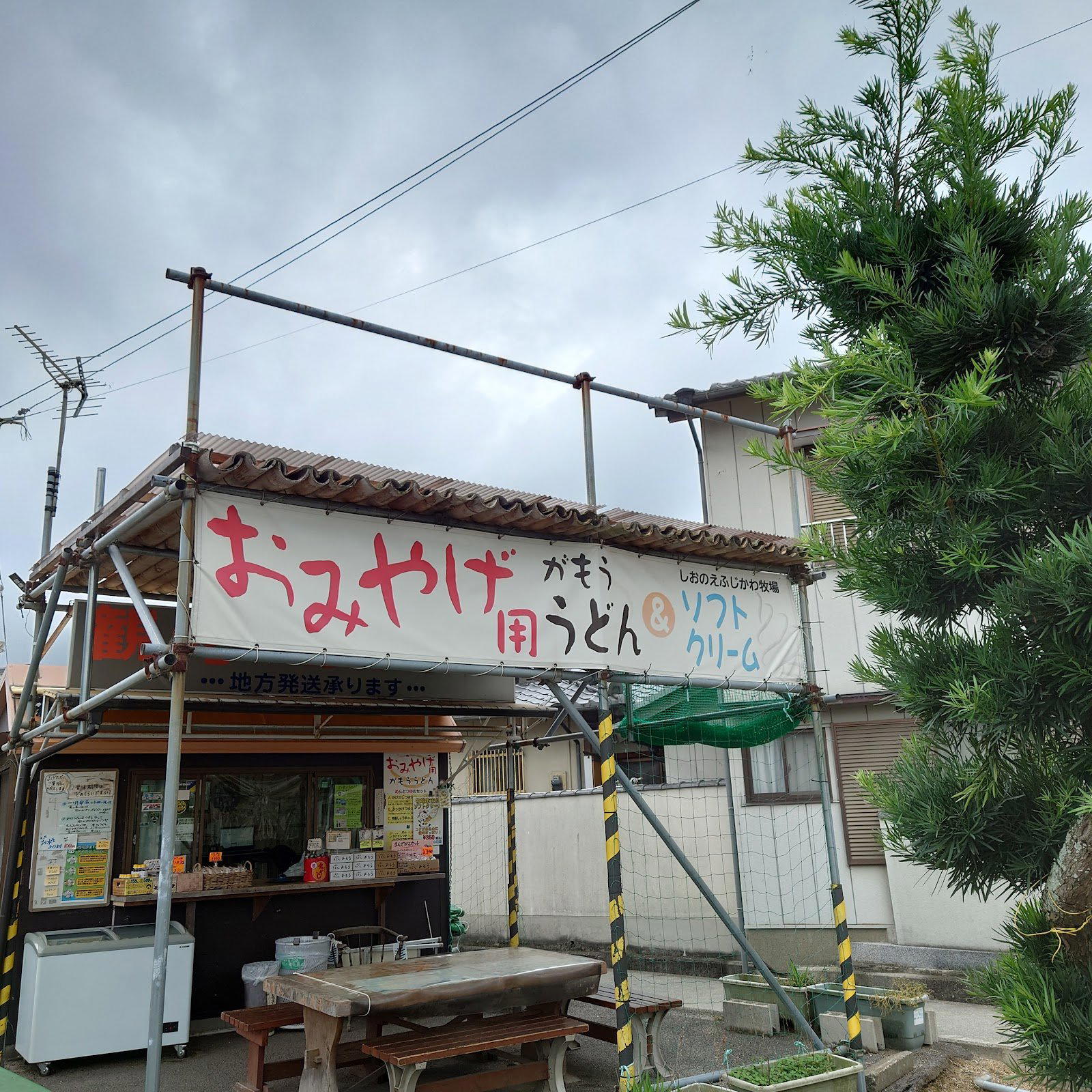
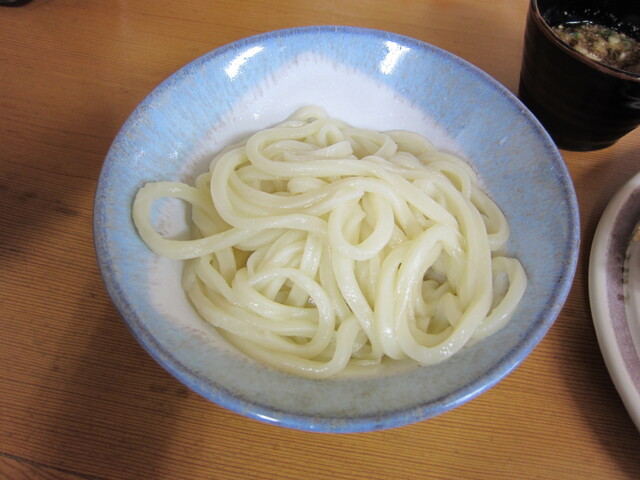
The ingredient story here is not luxury sourcing in the hotel-restaurant sense. It is the older Kagawa question of what happens when a shop commits its identity to noodles. Oka Seimensho is categorized around wheat noodles and deep-fried foods, and its mail-order fresh noodles are described as additive-free, an unusually concrete clue in a category where the value often sits in production rather than plating. Fresh noodles sold in sets of 15, 30, and 45 portions also point to a workshop logic: the noodle is not merely a dish component, it is the product.
That matters because Sanuki udon is a texture cuisine. The regional standard privileges chew, elasticity, and clean wheat presence, while accompaniments tend to support rather than dominate. Deep-fried foods are part of the expected grammar, giving contrast and speed without changing the central measure. For travelers who usually read Japanese dining through omakase counters, kaiseki rooms, or ramen queues, Kagawa udon requires a different calibration. The meal is short, the spend is low, and the craft is compressed into a bowl that local diners can assess in seconds.
The Tabelog score of 3.69 should be read with that context. In Japan’s user-review ecosystem, especially for narrow regional categories, scores in this range can indicate sustained local credibility rather than destination-dining spectacle. The more useful signal is the combination of score, 2024 Tabelog 100 selection, and the tightly defined category. The restaurant is not competing with broad casual dining in Ayauta-gun; it sits in the prefecture’s udon conversation, where is unforgiving and price is not a proxy for ambition.
A counter-format meal in Ayagawa, not a long lunch
The room format reinforces the food’s purpose. Twenty seats and counter seating point to an efficient udon stop rather than a lingering restaurant meal. Private rooms and private use are unavailable, and the non-smoking policy keeps the experience aligned with a quick daytime noodle shop. Solo dining is a natural fit in this format, as is a small group moving through the area for multiple udon stops. Families can make it work because the price is low and the format is informal, but the counter-led setup is not designed around extended table service.
Wider Ayauta-gun circuit is worth planning as a food map rather than a single reservation. The restaurant operates in the same low-cost bracket as Inamoku, Yamagoe Udon, and Honkaku Teuchi Udon Hayuka, which makes comparison both easy and revealing. One shop may emphasize speed, another noodle thickness or broth preference, another rural setting. The point is not to declare a winner; the interest is in how a compact region can sustain multiple specialists at under JPY 999. For broader trip planning, Our full Ayauta-gun restaurants guide gives the dining frame, while Our full Ayauta-gun hotels guide, Our full Ayauta-gun bars guide, Our full Ayauta-gun wineries guide, and Our full Ayauta-gun experiences guide help place the meal inside a wider Kagawa itinerary.
For readers building a Japan food itinerary beyond Kagawa, the contrast is instructive. A regional udon counter in Ayauta-gun has little in common with beef-focused dining such as -Grilled beef Sukiyaki- KAMAKURA TANUKIAN 鎌倉 たぬき庵 in Kamakura, urban izakaya formats such as. 鮪と炭火焼き うお炭 秋葉原店 in Tokyo, café culture at.cafe in Osaka, contemporary local dining at.know in Kumamoto, or specialist casual formats such as (Shoku) Vietnam in Kawasaki and [Curry Senmon Ten] Maruyama Kyoju. in Sapporo. It also reads differently from Japanese food culture abroad, including Jōdo Saké Bar in Los Angeles and Onigiri Time in Pasadena. Kagawa’s lesson is narrower and sharper: ingredient handling, noodle production, and local repetition can carry more authority than design or ceremony.
Planning around a short daytime window
The practical discipline is simple but unforgiving. The restaurant is a daytime udon stop with a short operating window, Tuesday closure, no reservations, and cash-only payment. Parking is listed for 20 cars, which suits the rural Kagawa udon circuit better than a rail-first itinerary. Access is also practical by local standards: about 10 minutes on foot from Minamiyama bus stop, 20 minutes by car from Fuchu Lake Smart IC, and 7 to 8 minutes by car from Takamatsu Airport. Sunday has a different rhythm, with sales only, so travelers should treat timing as part of the meal rather than an afterthought.
The editorial case for the restaurant is strongest for diners who want Kagawa udon at its working scale: low spend, limited seating, recognized local category standing, and a noodle-first identity. It is not the place to look for luxury cues, chef biography, or a long-form tasting structure. Its value is in how clearly it expresses the prefecture’s udon economy, where craft can be inexpensive, service can be brief, and a serious meal can be finished before the rest of the day has properly begun.
How It Stacks Up
Comparable venues by cuisine and price in the same metro.
| Venue | Cuisine | Price | Notes |
|---|---|---|---|
| Oka SeimenshoThis venue — the venue you are viewing | Japanese Udon Shop | $ | Not listed |
| Inamoku | Traditional Sanuki udon | $ | . Ayagawa-cho, Ayauta-gun |
| Honkaku Teuchi Udon Okasen | Sanuki Udon | $ | Utazu |
| Yamagoe Udon | Traditional Sanuki udon shop | $ | Ayagawa-cho |
| Honkaku Teuchi Udon Hayuka | Traditional Sanuki Udon | $ | Ayagawa Town |
| Teuchi Udon Tamura | Traditional Sanuki udon shop | $ | Ayagawa Town, Ayauta District |
Recognition history
Dated appearances from independent guides and award organizations, with the underlying list record or original source where available.
Tabelog 100 #76 · No. 76
Tabelog · Tabelog 100 - Udon - KAGAWA - 2024
Continue exploring
More in Ayauta-gun
Restaurants in Ayauta-gun
Browse all →

At a Glance
- Solo
- Casual Hangout
- Standalone
Current opening hours
- Monday
- 10 AM–2 PM
- Tuesday
- Closed
- Wednesday
- 10 AM–2 PM
- Thursday
- 10 AM–2 PM
- Friday
- 10 AM–2 PM
- Saturday
- 10 AM–2 PM
- Sunday
- Closed
Hours can change for holidays and private events. Last verified .