
Yamada Gohei Mochi Ten gives Inuyama’s castle-town snacking culture a clear focal point: handmade gohei mochi, grilled to order and priced in the under-¥999 bracket. Its 2023 Tabelog 100 selection for Japanese traditional sweets places a humble regional rice cake shop inside a serious wagashi conversation, not just a quick stop between sightseeing routes.
Pearl is the En Primeur Club membership app — saves, bookings, and concierge access live there. Same editors, same standards.
- Address
- 愛知県犬山市大字犬山字東古券776
- Phone
- +81568610593
- Website
- jfsoft.web.fc2.com
 Saves & bookings on Pearl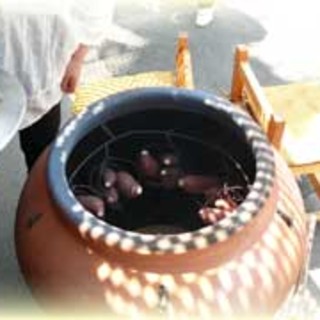
The approach to Inuyama’s old castle-town streets changes the appetite before any order is placed. Shopfronts tighten, day-trippers slow, and the food shifts from restaurant meal to handheld local craft: skewered rice, heat, sauce, and a few minutes’ wait. In that setting, Yamada Gohei Mochi Ten belongs to a tradition less about ceremony than repetition, the snack culture that survives because a town keeps eating it.
Gohei mochi sits apart from Kyoto wagashi or Tokyo department-store confections. It comes from central Japan’s mountain-and-river belt, where pounded rice is shaped around a skewer, grilled, and coated with a sweet-savoury sauce often drawing on miso, nuts, sesame, or household regional variations. The point is not delicacy alone, but rice as fuel, sauce as local memory, and grilling as the final act that turns a staple into street food with place attached.
Castle-town sweets built around rice, sauce, and heat
Inuyama rewards travellers who understand that its food culture is scaled to walking. The castle, old merchant streets, and small sweet shops create a grazing rhythm rather than a long lunch itinerary. A shop like this keeps gohei mochi public and portable: not plated nostalgia or a tasting-menu interpretation, but a regional sweet eaten where visitors are already moving.
The sourcing angle starts with rice, easy to overlook because sauce commands attention. Gohei mochi depends on cooked rice pressed enough to hold shape while retaining grain-based chew; that middle texture separates an industrial-feeling rice cake from one that reads as handmade. Sauce then becomes the shop’s identity marker. Yamada Gohei Mochi Ten is built around handmade gohei mochi with a house sauce, important in a category where small shifts in sweetness, salt, nut aroma, and grill contact define the experience.
The format is revealing. Each piece is grilled to order, with cooking taking about three minutes. That detail places the snack in the short-wait economy of Japanese sightseeing towns, where speed matters but reheating would flatten the reason to stop. Warm rice cake and sauce are the proposition; anything more elaborate would move it away from the tradition it represents.
Recognition gives the shop a useful benchmark. Its selection for the Tabelog 100 Japanese traditional sweets / Japanese sweets cafe EAST list in 2023 places it among serious regional specialists, not just polished urban dessert counters. A Tabelog score of 3.56 is not the point alone, but with that award category it signals execution within a narrow craft. For travellers using Our full Inuyama restaurants guide, the distinction is useful: not a full-meal substitute, but a sharp expression of the city’s snack grammar.
A compact stop rather than a drawn-out meal
Japan’s regional sweets scene often splits in two. One side leans toward formal wagashi, seasonality, tea service, and visual precision. The other is direct: griddles, skewers, shaved ice, soft serve, and sweets attached to station streets or temple approaches. Inuyama’s gohei mochi culture sits firmly in the second camp, making it easier to read for travellers and easier to underestimate.
Compared with out-of-metro casual restaurants such as Seimen Misaku in the ¥2,000 to ¥2,999 range or Mendo Hitohira in the ¥1,000 to ¥1,999 range, this shop works in a smaller-spend category. That changes the decision: it does not ask for a slot in the dining day, but fits between a castle visit, coffee, and the next train. Botefuku sits in a similar under-¥999 bracket, yet the editorial interest here is category specificity: gohei mochi is local food with clear regional identity, while many low-cost stops elsewhere compete on broader comfort-food terms.
Seasonal extensions underline that logic without changing the core. Baked sweet potatoes appear in winter; soft serve and kakigori carry the warmer months. Those additions suit a sweets-cafe context, but rice cake remains the anchor because it ties the shop to Inuyama rather than a generic dessert circuit. For a broader stay, pair this daytime stop with Our full Inuyama hotels guide, then use Our full Inuyama bars guide, Our full Inuyama wineries guide, and Our full Inuyama experiences guide to build the day around the town rather than one meal.
How to place it within a Japan food itinerary
For travellers moving across Japan, this is the kind of address that adds regional texture between larger dining reservations. It sits closer to everyday craft than chef-led cuisine, so comparisons with formal restaurants are less useful. A sukiyaki meal such as -Grilled beef Sukiyaki- KAMAKURA TANUKIAN 鎌倉 たぬき庵 in Kamakura or a seafood-and-charcoal format like . 鮪と炭火焼き うお炭 秋葉原店 in Tokyo belongs to another rhythm. Here, the value is concentration: one regional preparation, short cooking time, and a direct link between ingredient and place.
That lens separates it from contemporary cafe culture. .cafe in Osaka and .know in Kumamoto speak to modern urban cafe habits, while gohei mochi asks travellers to notice older carbohydrate economies: rice pressed, skewered, sauced, and grilled because it was practical before it became touristic. The difference is small in spend and large in meaning.
It belongs in the same mental file as other focused Japanese casual formats, from (Shoku) Vietnam in Kawasaki to [Curry Senmon Ten] Maruyama Kyoju. in Sapporo, [ki:] in Kyoto, #肉といえば松田 奈良本店 in Kashihara, 1/3 HAMBURGER FACTORY in Kanazawa, 1000 in Yokohama, and 1000mヒュッテ 1000m Hut in Kutchan. Outside Japan, the parallel is not cuisine but specificity: Jōdo Saké Bar in Los Angeles and Onigiri Time in Pasadena show how tightly framed food formats can carry cultural context when they avoid overexplaining themselves.
The editorial read is simple: Yamada Gohei Mochi Ten is compelling because it does not inflate a regional snack into luxury performance. It keeps the essential chain intact: rice, handmade preparation, house sauce, grill, immediate eating. In a castle town where visitors drift toward souvenirs and photo stops, that clarity is the reason to pay attention.
How It Stacks Up
Comparable venues by cuisine and price in the same metro.
| Venue | Cuisine | Price | Notes |
|---|---|---|---|
| Yamada Gohei Mochi TenThis venue — the venue you are viewing | Traditional Japanese Gohei Mochi | $ | Not listed |
| 麺dining 月乃家 | Japanese Ramen | $ | 有田川町 |
| Yoshinoya (吉野家 178号線豊岡店) | Japanese Beef Bowl (Gyudon) | $ | 下陰 |
| Machida Shiruba Shio-Ramen Shinka (町田汁場 しおらーめん進化) | Shio Ramen Specialist | $ | Machida |
| ぎょうざ 湖月 | Traditional Japanese Gyoza Specialist | $ | 北浜 |
| Hekkelun | Classic Japanese Kissaten | $ | Toranomon/Shinbashi |
Recognition history
Dated appearances from independent guides and award organizations, with the underlying list record or original source where available.
Tabelog 100 #70 · No. 70
Tabelog · Tabelog 100 - Japanese traditional sweets / Japanese sweets cafe - EAST - 2023
Continue exploring
More in Inuyama
Restaurants in Inuyama
Browse all →



At a Glance
- Cozy
- Classic
- Rustic
- Casual Hangout
- Family
- Solo
- Group Dining
- Standalone
- Historic Building
- Street Scene
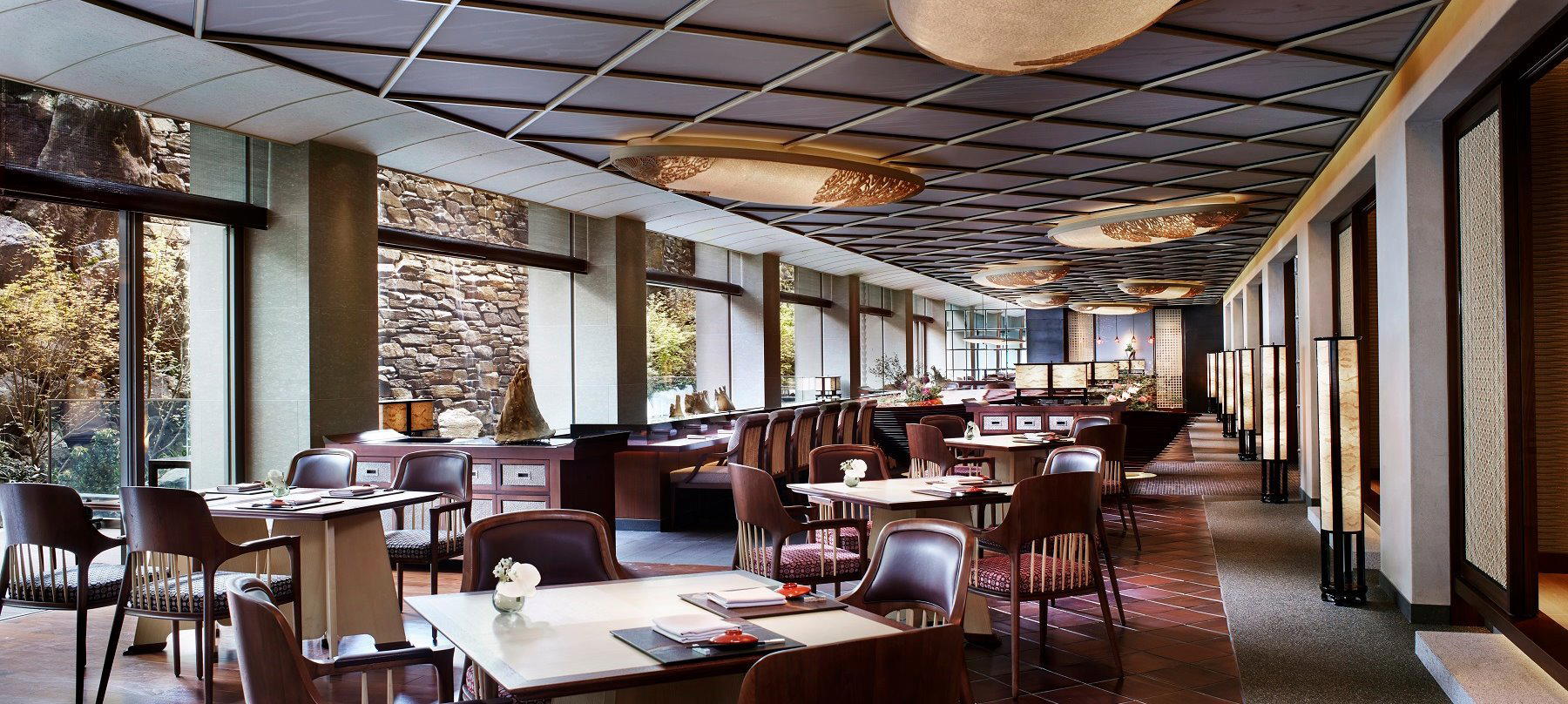
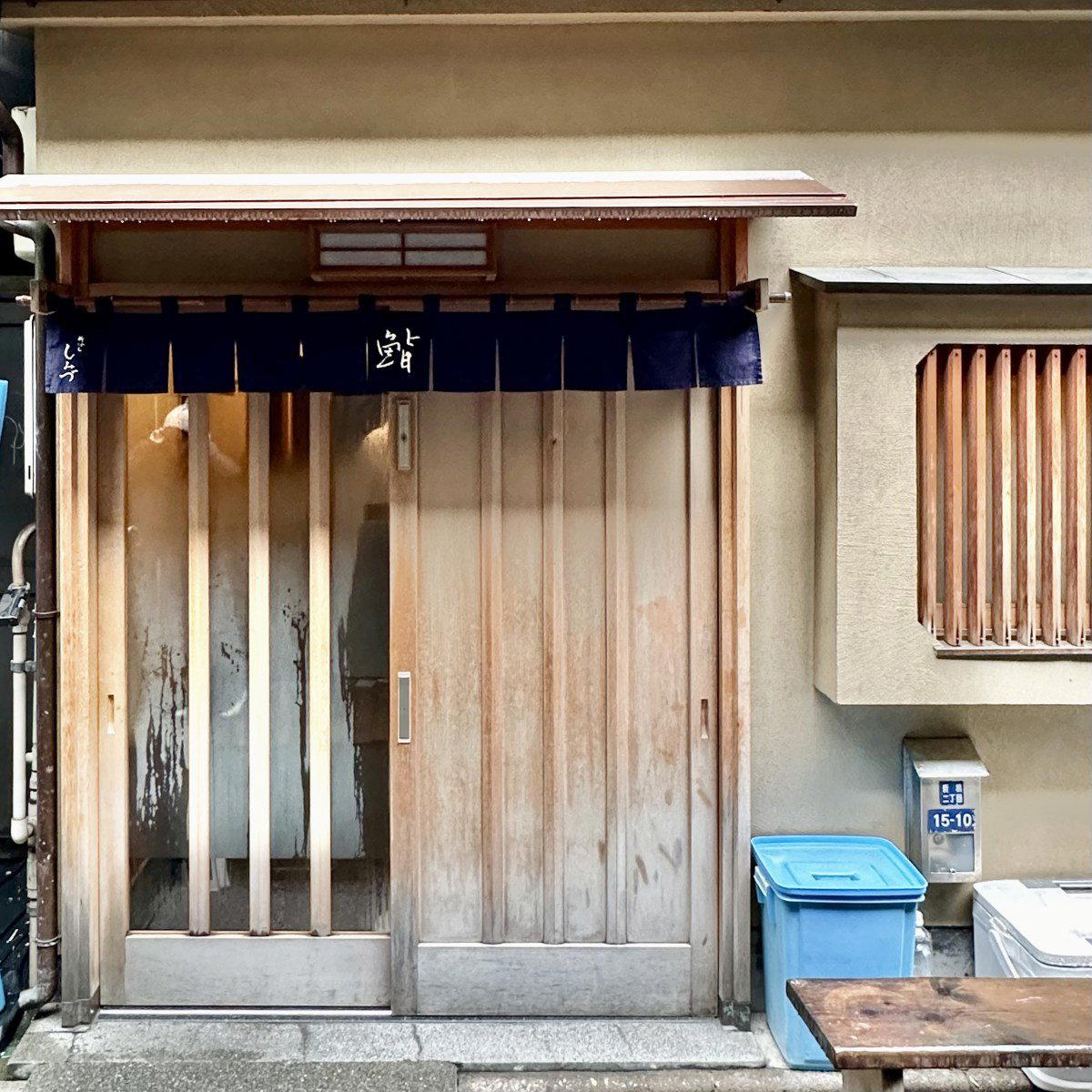
A simple, traditional snack-stop atmosphere in a historic castle-town setting, with a casual street-food feel and a small, tourist-friendly footprint.