
Tabelog 100 #93
Our verdict
Yakiyaki Okamoto places Osaka’s griddle culture in a tighter, more adult register: teppanyaki, okonomiyaki, and stir-fried noodles handled with counter-side pacing rather than street-stall speed. Its Tabelog 100 Steak / Teppanyaki WEST selections in 2024 and 2025 make it a useful address for understanding how everyday Kansai comfort cooking can move into a serious dinner bracket without losing its informality.

Pearl is the En Primeur Club membership app — saves, bookings, and concierge access live there. Same editors, same standards.
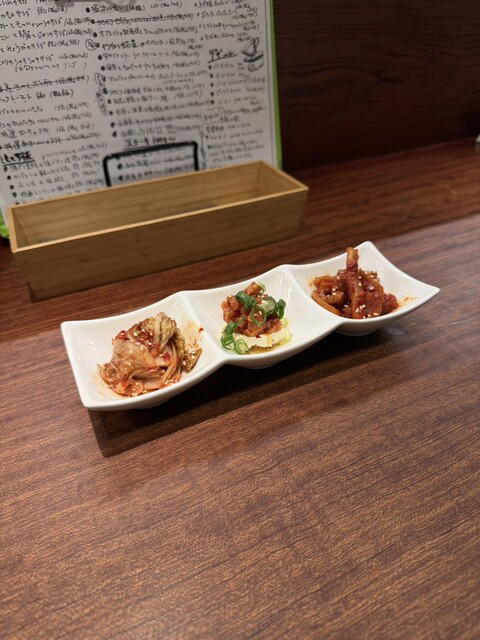
The menu
What to order
- Wagyu teppanyaki
- Okonomiyaki (Japanese savory pancake)
- Stir-fried noodles (yakisoba)
Osaka’s griddle restaurants announce themselves before the first order: metal warming, sauce caramelising, spatulas tapping, conversation folding around the counter. In Osaka, the ritual has its own tempo within the city’s dining rush. The room is built for close-range cooking, where the meal is watched as much as eaten and timing matters: batter setting, noodles loosening, ingredients taking heat in stages, the final turn arriving only when the surface is ready.
That is the useful way to read Yakiyaki Okamoto. It belongs to Osaka’s konamon tradition, but not the quick-snack version travellers often meet first. Teppanyaki, okonomiyaki, and stir-fried noodles share one grammar here: hot iron, short movements, controlled browning, and a table that rewards patience. Tabelog Hyakumeiten recognition in 2025 places it in a curated regional bracket rather than the city’s broad casual field, a distinction that matters where griddle cooking ranges from late-night fuel to attentive counter dining.
For a wider map of the city’s dining range, Our full Osaka restaurants guide shows how this address sits beside other Osaka dining rooms and different formats across the city. These meals do not compete directly. Rather, Osaka’s food identity is unusually fluent across price and formality, and griddle cooking is one of its clearest bridges between the two.
Osaka griddle cooking, slowed down to counter pace
Okonomiyaki is often reduced to a pancake. In Kansai, it is closer to a social contract: a shared plate, steady heat, and a cook’s judgement about when softness, cabbage, batter, and sauce have found balance. Teppanyaki adds performance, but the better version is not theatre for its own sake. The appeal lies in sequence: ingredients arrive to the iron in a logic the diner can follow, and the cooking makes that logic visible.
Yakiyaki Okamoto sits between comfort cooking and specialist craft. The categories are familiar, but the recognition places it among notable Osaka griddle addresses. A Tabelog score of 3.62 is meaningful in Japan’s review culture, where high numbers are harder won than many international diners expect. These signals do not make the meal a formal tasting-menu exercise; they suggest a kitchen operating above routine neighbourhood execution.
Osaka also shapes the experience. As a dinner choice, it reads less like a checklist stop than a local dining decision. Nearby comparison clarifies the register: Ueroku wine in Osaka points to a wine-led night; Yakitori Matsuoka narrows the meal around skewers; Hozan and Teruya occupy different Japanese dining price bands. Against that set, Yakiyaki Okamoto offers the tactile pleasure of the iron plate with a listed dinner budget of JPY 5,000 - JPY 5,999.
The ritual is casual, but the signals are serious
Griddle meals work well for dates, friends, and small groups because the cooking gives the table something to watch without demanding silence, while shared dishes reduce the stiffness of more formal Japanese dining. The format is built around proximity and heat, with the pleasure coming from watching the iron plate do its work as each dish takes shape.
The meal’s rhythm is direct and social. Teppanyaki, okonomiyaki, and stir-fried noodles all encourage ordering in stages, tasting as the surface changes, and letting the table settle into the pace of the grill. That makes Yakiyaki Okamoto useful for diners who want Osaka comfort cooking treated with more care than a quick snack stop.
For travellers building a full Osaka itinerary, the contrast helps. Other Osaka dining shows the city’s appetite for many imported and local forms, but okonomiyaki and teppanyaki remain native to how Osaka likes to eat: directly, socially, and without over-explaining itself. After dinner, a broader Osaka bars guide is the better next step than forcing another restaurant into the same night; for lodging decisions, a full Osaka hotels guide keeps the geography practical.
How to place it in a Japan dining itinerary
Yakiyaki Okamoto is strongest when an itinerary already includes sushi, kappo, or ramen and needs a meal that speaks specifically to Osaka. It is not competing with ceremonious counter omakase or luxury washoku. Its value is cultural: the Kansai griddle tradition treated as dinner, not a quick snack between train stations.
That distinction sharpens against Japan’s broader regional specialisation. A traveller moving between cities might compare Osaka’s griddle informality with other dining styles elsewhere in Japan, from rice-focused comfort and charcoal cooking to curry specialism and regional casual rooms. Osaka’s contribution is not delicacy as restraint; it is heat, appetite, and timing.
The practical read is simple. This is a reservation-worthy Osaka dinner for travellers wanting the city’s griddle culture in a more selective setting, with enough informality for friends or family and enough recognition to justify planning around it. For adjacent trip planning beyond restaurants, broader Osaka winery and experiences guides round out the city view without blurring what this meal is for: a close seat to the iron, and a clear lesson in how Osaka turns comfort food into craft.
Recognition, Side-by-Side
Comparable venues side-by-side for orientation.
| Venue | Cuisine | Price | Awards | Notes |
|---|---|---|---|---|
| Yakiyaki OkamotoThis venue (the venue you are viewing) | Teppanyaki & Okonomiyaki | $50–100 | Tabelog 100 #93 | Not listed |
| Fukutarou Honten | Osaka okonomiyaki & teppanyaki | Not listed | Not listed | Chūō |
| Watanabe Curry Shinsaibashi ten | Japanese Curry House | $20–30 | Tabelog 100 #30 | Chūō |
| Oban | Traditional Yakiniku Counter | $30–50 | Tabelog 100 #72 | Kita |
| Taisho Salon Hige to Boin | Creative Japanese Standing Bar (Obanzai) | $20–30 | Tabelog 100 #42 | Taishō |
| Épais Coup | Specialty Tonkatsu Counter | $30–50 | Tabelog 100 #12 | Suita |
Recognition history
Dated appearances from independent guides and award organizations, with the underlying list record or original source where available.
Tabelog 100 #93 · No. 93
Tabelog · Tabelog 100 - Steak / Teppanyaki - WEST - 2025
Continue exploring
More in Osaka
Restaurants in Osaka
All restaurants in Osaka →


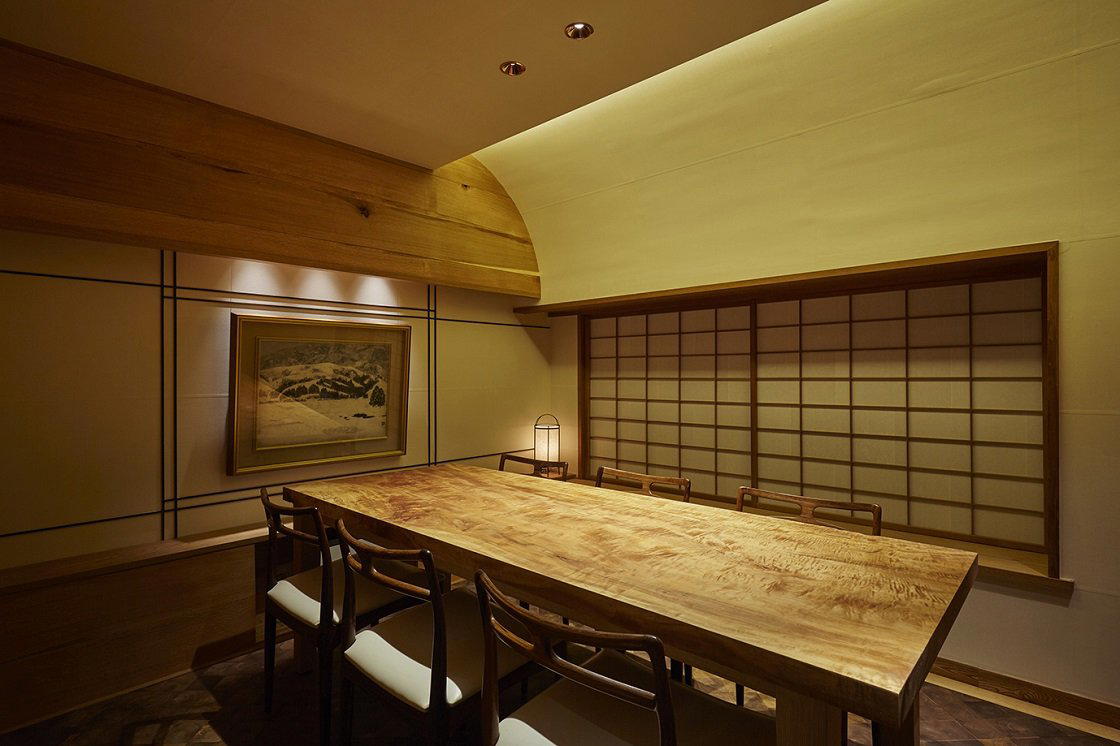

Bars in Osaka
All bars in Osaka →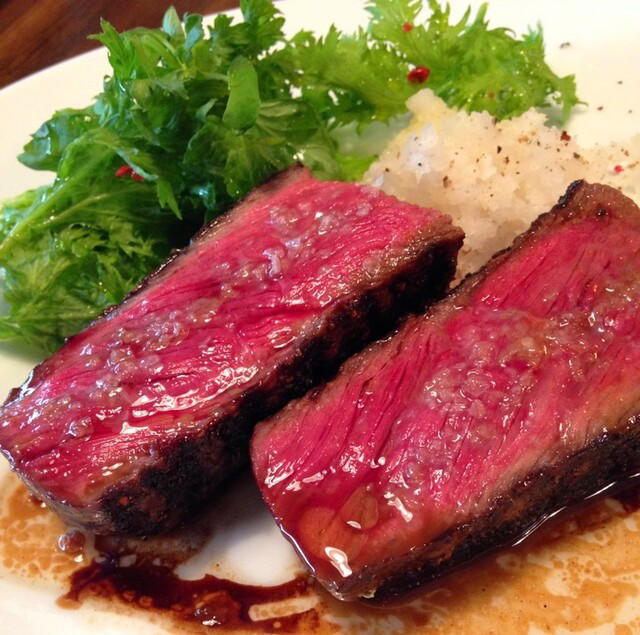

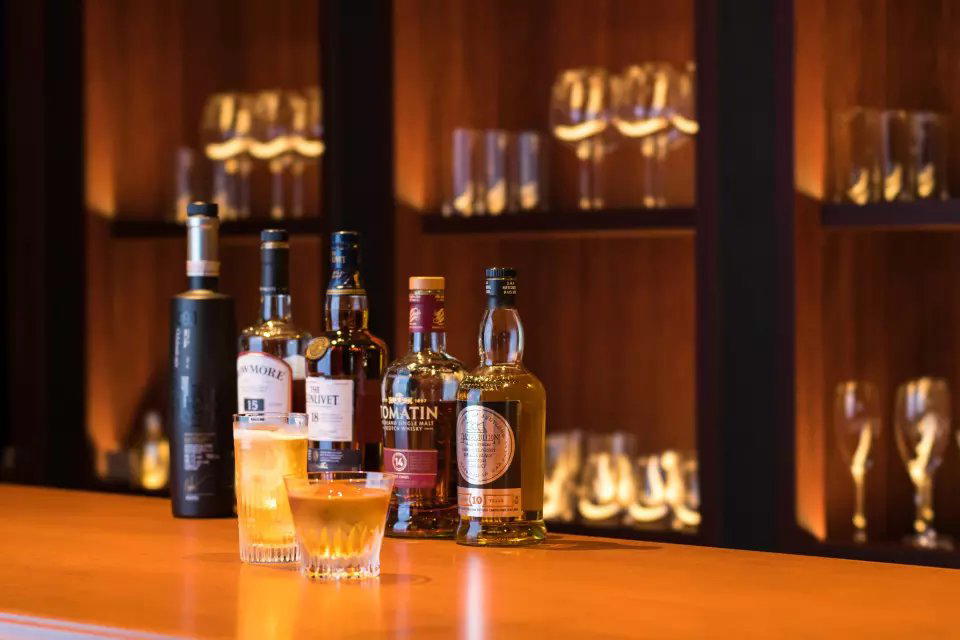

Hotels in Osaka
All hotels in Osaka →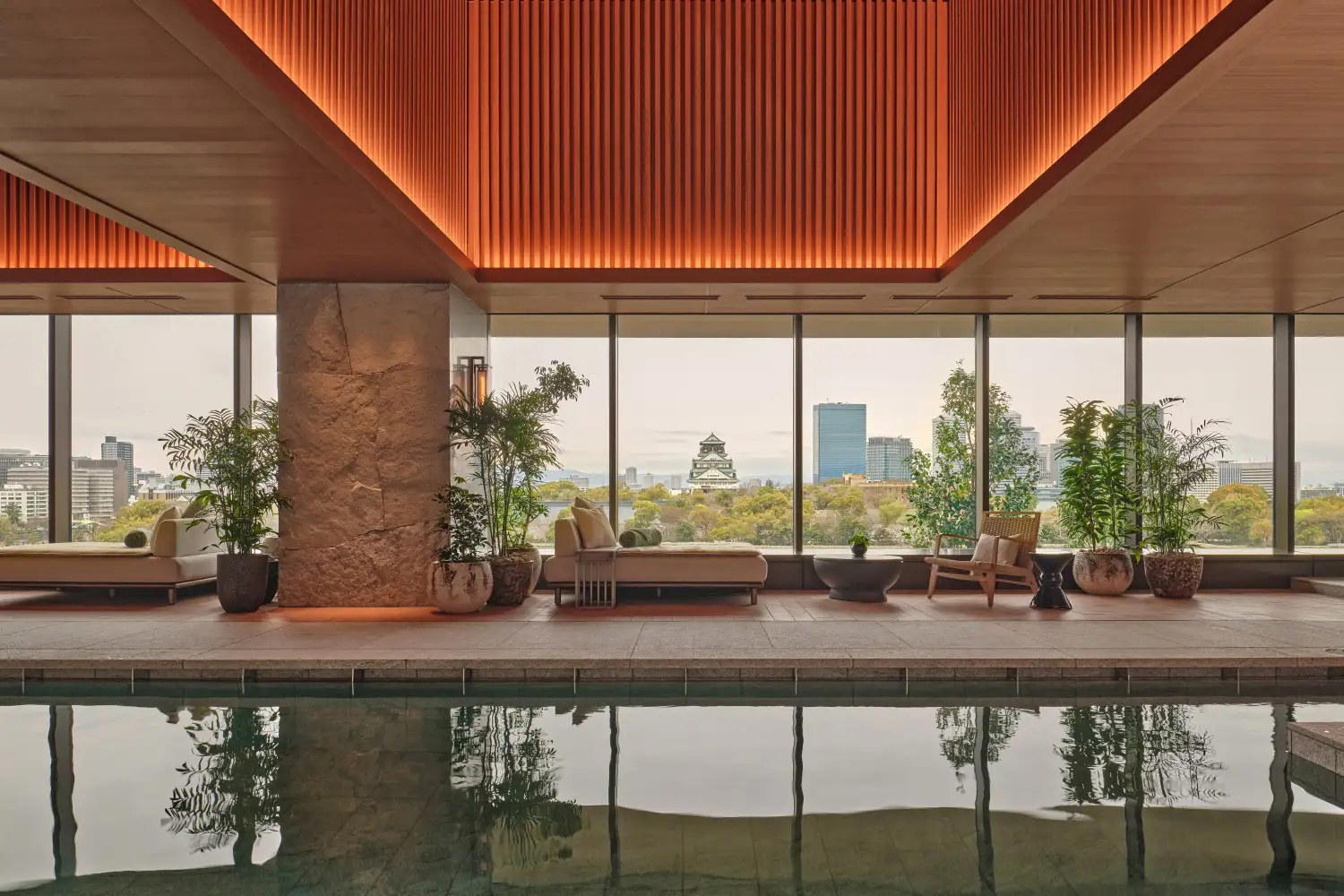




Wineries in Osaka
Browse all →
Yakiyaki Okamoto
The wine
- Wine program
- Curated wine list
- Extensive wine list
Details
- Cozy
- Intimate
- Classic
- Date Night
- Family
- Group Dining
- Casual Hangout
- Special Occasion
- Chefs Counter
- Open Kitchen
- Standalone
- Extensive Wine List
- A La Carte
- Counter Dining
- Wine
- Shochu
A small, non‑smoking hideout with counter seating and a relaxed, homey feel, suited to families, dates, and friends gathering around the teppan for an unhurried dinner.