
Tabelog 100 #72
Our verdict
Oban puts Osaka yakiniku into a Kitashinchi register: compact, counter-led, late-night, and more intimate than the city’s larger grill rooms. Its place on Tabelog’s Yakiniku WEST 100 list for 2025, alongside repeated selections since 2021, gives the room a clear quality signal without pushing it into ceremonial fine-dining territory.

Pearl is the En Primeur Club membership app, where members save venues, book tables and use the concierge.
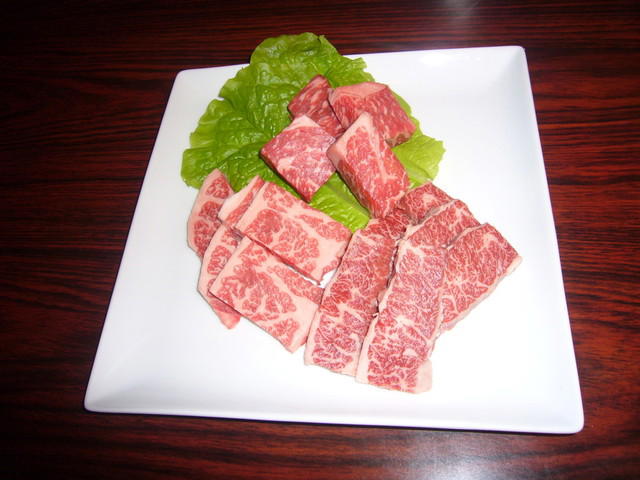
Osaka changes register after dark. The city’s office polish gives way to elevator lobbies, counter restaurants and rooms built for people who already know where they are going. In that setting, yakiniku becomes less about spectacle and more about proximity: smoke, drinks, and the rhythm of meat cooked close enough that the table itself feels part of the meal.
Oban belongs to Osaka’s yakiniku category. The format is best understood through the city’s appetite for direct, satisfying meals rather than through the language of formality. That matters. Yakiniku changes the social contract: the meal is focused on heat, timing and appetite, and less about a long sequence of composed plates. The category is not just a label; it shapes the pace.
Osaka yakiniku in a focused key
Osaka’s grill culture has several faces. There is the casual, noisy version built around groups; the beef-specialist version where ordering drives the conversation; and the urban dinner version, where yakiniku sits comfortably beside bars, sushi counters and late suppers after work. Oban fits within that Osaka pattern. It is not priced like the city’s most formal Japanese dining rooms, and it is not trying to behave like them.
The useful comparison is not with a high-ticket sushi counter such as Sushi Murakami Jiro, where the format and spend imply a different kind of evening. Nor is it with Kitashinchi Gyoza Ya Honten, which occupies a more casual, dumpling-led lane in the same broader dining ecosystem. The point here is a tighter niche: Japanese barbecue in Osaka, recognised within the western Japan yakiniku category but still grounded in practical appetite.
Tabelog selected Oban for its Yakiniku WEST 100 list in 2025. In Japan, that kind of recognition is especially useful for visitors because it signals category strength rather than generic visibility. Yakiniku is a crowded field; an Osaka restaurant needs repeat local conviction to stay prominent.
What the recognition says about the meal
The award signal should be read carefully. This should not be approached as a tasting-menu temple or as a restaurant trying to turn grilled beef into ceremony. The stronger read is that the restaurant has earned attention in a genre where ordering, heat, sauce and timing all matter, but where the pleasure remains direct. The listed category is yakiniku, keeping the experience firmly Japanese barbecue.
That distinction is important in Osaka, a city where eating well often means choosing formats with confidence rather than chasing formality. A meal here sits at the intersection of local habits: beef grilled at the table, evening dining, and a style of eating where the distance between cooking and eating is short. The cooking category may be familiar to anyone who has eaten Japanese barbecue, but the Osaka setting gives it a clear local cadence.
For travellers building an Osaka food itinerary, Oban works as a contrast point. It shows a different side of the city from other casual counters, bakery stops, café circuits, Italian rooms, pizza addresses and unnamed Osaka dining rooms. Those comparisons are useful because Osaka rewards range: specialist grills, pastry, gyoza, sushi, and non-Japanese cooking all compete for the same evening slots.
Who should choose this kind of Osaka dinner
This is the right shape of meal for diners who want Osaka without turning every reservation into a formal performance. The yakiniku format favours concentration over ceremony, and the city favours flexible movement rather than rigid sightseeing schedules. The decision is clear: choose it for warmth, smoke and immediacy, not for a meal that needs to announce itself as formal.
Its strongest use is as an Osaka night anchor. Start with the premise that the city is restaurant-dense, then choose the meal according to appetite and tempo. A yakiniku dinner makes sense when the evening calls for a direct, satisfying format and a short distance between cooking and eating. For a broader map of the city’s dining range, use Our full Osaka restaurants guide; for the rest of a trip, the companion guides to Osaka hotels, Osaka bars, Osaka wineries and Osaka experiences help place dinner inside the wider itinerary.
Readers comparing Japanese regional formats beyond Osaka can look to other beef-led dining, charcoal cooking, sake-bar framing, or compact casual formats in Japan and beyond. Other city contrasts underline the same lesson: Japan’s dining strength is often format-specific, not just cuisine-specific.
The critical read is simple. Oban is compelling because it expresses an Osaka style of yakiniku: direct, social, and serious enough to earn Yakiniku WEST 100 recognition without asking the diner to treat grilled beef as ceremony. In a city where appetite often outruns hierarchy, that is exactly the point.
Same-City Peers
Comparable venues for orientation by cuisine and category.
| Venue | Cuisine | Price | Awards | Notes |
|---|---|---|---|---|
| ObanThis venue (the venue you are viewing) | Traditional Yakiniku Counter | $30–50 | Tabelog 100 #72 | Not listed |
| Sushi Murakami Jiro | Michelin 1-Star Omakase Sushi | $300–500 | 1 Michelin Star · Tabelog Bronze #294 | Sushi |
| Kitashinchi Gyoza Ya Honten | Gyoza & Chinese Izakaya | Not listed | Tabelog 100 #39 | JPY 1,000 - JPY 1,999 |
| 焼鳥 YAMATO | Japanese Udon | Not listed | Tabelog 100 #44 | Not listed |
| LIBRO VERDE | Innovative Chef’s Counter with Japanese, French & Creative Cuisine | $150–200 | Tabelog 100 #53 | JPY 20,000 - JPY 29,999 |
| Tada | Edomae Omakase Sushi | $200–300 | Tabelog Bronze #441 | Not listed |
Recognition history
Dated appearances from independent guides and award organizations, with the underlying list record or original source where available.
Tabelog 100 #72 · No. 72
Tabelog · Tabelog 100 - Yakiniku - WEST - 2025
Continue exploring
More in Osaka
Restaurants in Osaka
All restaurants in Osaka →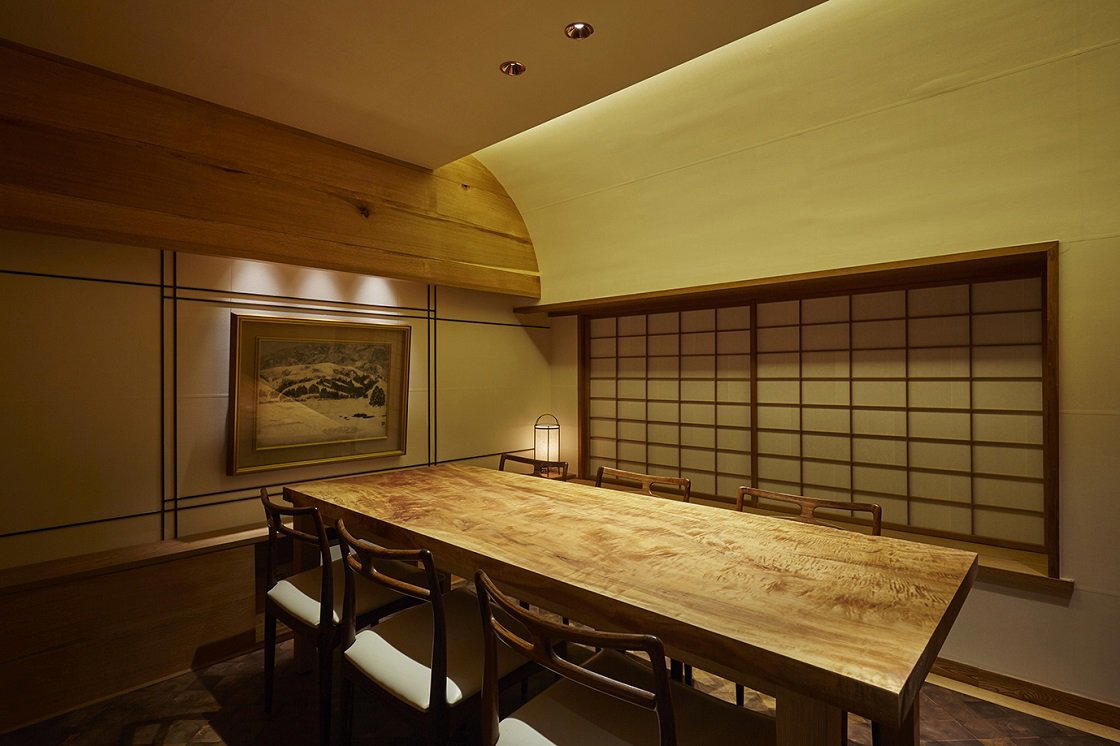
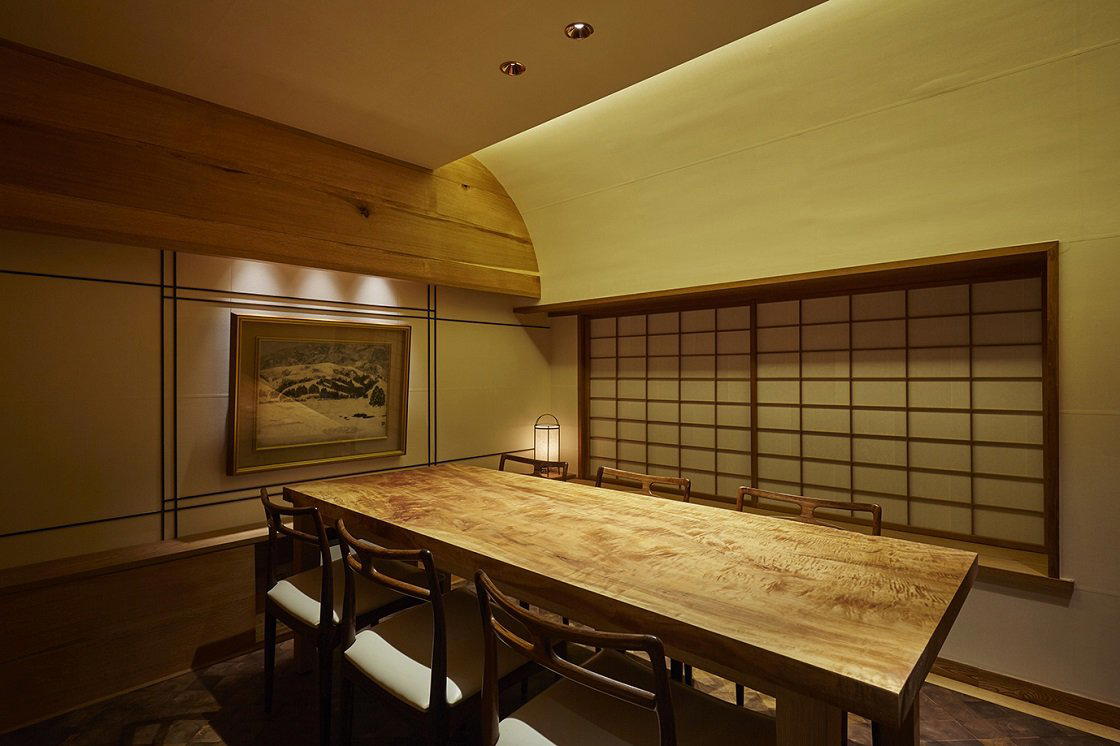



Bars in Osaka
All bars in Osaka →



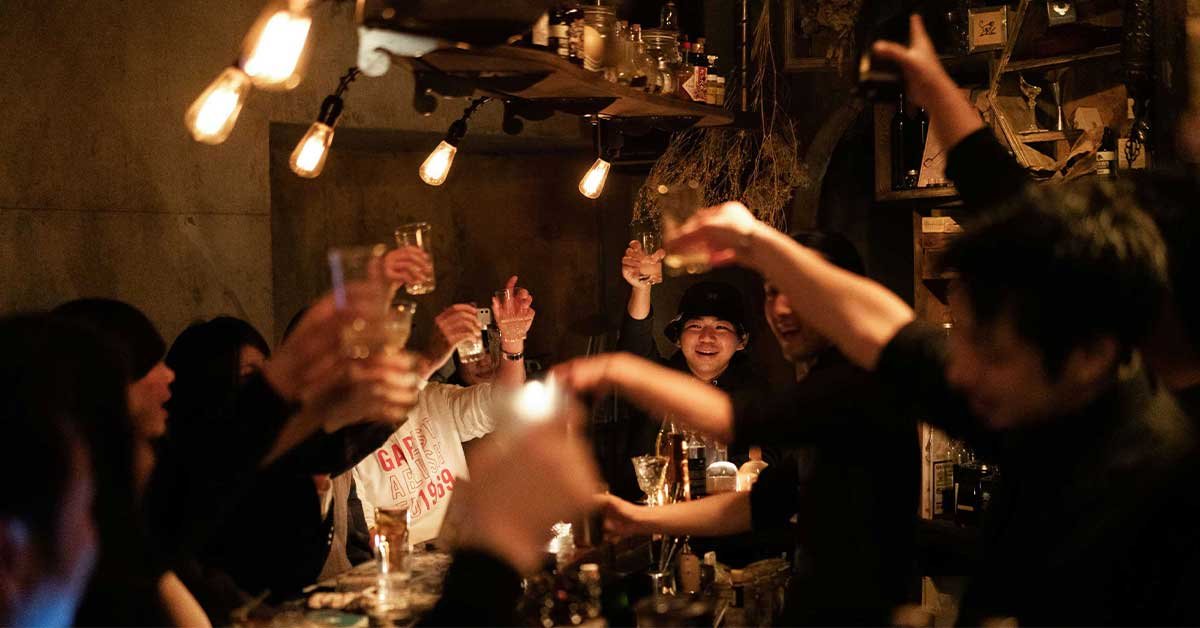
Hotels in Osaka
All hotels in Osaka →



Wineries in Osaka
Browse all →
Details
- Cozy
- Intimate
- Classic
- Energetic
- After Work
- Casual Hangout
- Date Night
- Solo
- Late Night
- Group Dining
- Chefs Counter
- Standalone
- Sake Program
- Beer Program
- Local Sourcing
- A La Carte
- Counter Dining
- Sake
- Beer
- Shochu
Current opening hours
- Monday
- 6 PM–3 AM
- Tuesday
- 6 PM–3 AM
- Wednesday
- 6 PM–3 AM
- Thursday
- 6 PM–3 AM
- Friday
- 6 PM–3 AM
- Saturday
- 6–11 PM
- Sunday
- Closed
Hours can change for holidays and private events. Hours as of .
A nostalgic, cozy counter-only space with just ten seats, where guests sit close to the grill and interact with a friendly owner and cheerful staff; the atmosphere is warm, adult-oriented, and lively into the early hours rather than polished or formal.