Yakiya
Our verdict
Yakiya sits on Colima Road in Hacienda Heights, a stretch of the San Gabriel Valley where Japanese dining traditions run alongside the area's dense concentration of East Asian cuisines. The restaurant draws from the yakitori and Japanese grill tradition, placing it in a neighborhood that rewards deliberate exploration rather than casual stumbling. For the San Gabriel Valley diner, it represents one node in a wider circuit worth mapping.

Pearl is the En Primeur Club membership app — saves, bookings, and concierge access live there. Same editors, same standards.
- Address
- Colima &, 17188 Colima Rd, S Azusa Ave Suite C, Hacienda Heights, CA 91745
- Phone
- (626) 581-0080
- Hours
- Mon–Sat 4:30–10 PMSun 11:30 AM–10 PM
- Website
- yakiya-us.com
- Directions
- Get directions
- Booking
- Book on the venue's website
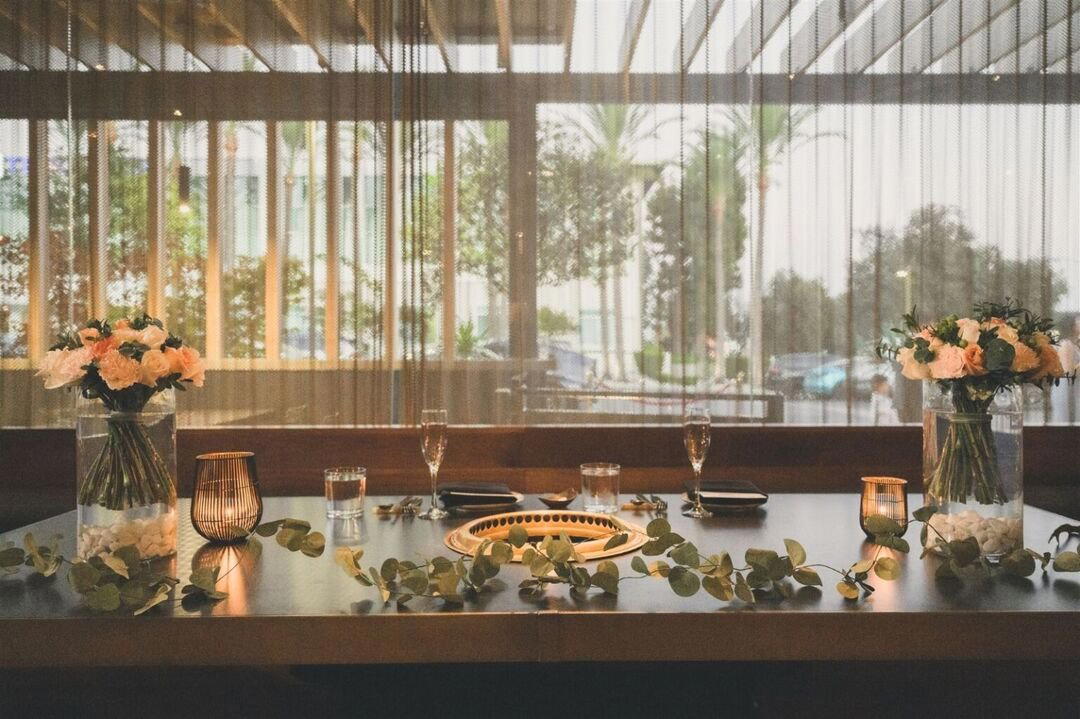
Colima Road and the Japanese Grill Tradition in the San Gabriel Valley
The San Gabriel Valley does not announce itself. Along Colima Road in Hacienda Heights, strip-mall frontages give way to dining rooms that, once entered, carry the weight of culinary traditions transplanted from across East Asia and refined across decades of suburban California life. This is not a district that performs its own importance. The restaurants here compete on cooking, not atmosphere, and repeat customers rather than first-timers fill most seats on a given weeknight. Yakiya occupies this context, a Japanese-inflected address on a corridor that has quietly become one of the more concentrated stretches of serious Asian dining in the greater Los Angeles region.
The yakitori and Japanese grill format has a specific cultural logic. In Japan, the neighborhood yakitoriya occupies the same social role as the French bistro or the Cantonese roast-meat shop: a place where the cooking is technically demanding, the menu disciplined, and the occasion essentially democratic. Skewered chicken, grilled over bincho charcoal, demands precision of temperature and timing that rewards a cook who has done it thousands of times. The leading versions are not theatrical. They are repetitive in the leading sense, the repetition of craft.
Hacienda Heights as a Dining Address
Hacienda Heights sits roughly twenty miles east of downtown Los Angeles, in a part of the San Gabriel Valley where the dining density is disproportionate to the area's profile in mainstream food media. The corridor running along Colima Road and the surrounding blocks contains a meaningful concentration of Japanese, Chinese, and Taiwanese restaurants that draw from both the local residential community and from food-focused visitors willing to drive from Los Angeles proper. Venues like Foo Foo Tei and Malan Noodles illustrate the range: a Japanese comfort-food specialist on one end, a hand-pulled noodle shop with northwestern Chinese roots on the other. The common thread is cooking that reflects a specific cultural lineage rather than a generalized pan-Asian menu. Yakiya belongs to the same pattern.
For the reader accustomed to the award-heavy dining tier, it is worth placing this context clearly. The restaurants earning Michelin attention in the broader California circuit, such as Providence in Los Angeles, The French Laundry in Napa, or Single Thread Farm in Healdsburg, operate in a different register: formal tasting menus, extensive wine programs, and dining rooms designed to hold attention for three hours. The San Gabriel Valley operates on a different but equally legitimate premise: depth of cultural specificity at a neighborhood scale, without the overhead of the fine-dining apparatus. The comparison is not competitive; it is categorical. See our full Hacienda Heights restaurants guide for a broader map of the area.
The Cultural Register of the Japanese Grill
Japanese grill cooking, whether yakitori-focused or broader, carries a set of cultural assumptions that differ sharply from the tasting-menu format that dominates fine dining in American cities. The meal is structured by the diner rather than the kitchen. Skewers arrive as ordered, or in a rhythm set loosely by the cook, and the pace is conversational rather than ceremonial. In Japan, these rooms are associated with the after-work ritual of colleagues unwinding over grilled chicken and cold beer, a social function as much as a gastronomic one. When transplanted to the San Gabriel Valley, that social function adapts to the local community: family tables, multigenerational groups, and regulars who know what they want before sitting down.
This is a meaningfully different dining posture from what you find at, say, Alinea in Chicago or Lazy Bear in San Francisco, where the kitchen controls the sequence and the diner surrenders to it. It is also different from the Korean fine-dining model represented by Atomix in New York City, where traditional ingredients are reframed through a contemporary tasting format. The Japanese grill tradition resists that kind of reframing. Its authority comes from fidelity to the craft, not from transformation of it.
Other American cities have their own versions of this calculus. Le Bernardin in New York City and Addison in San Diego represent the formal, award-validated tier. Meanwhile, neighborhood specialists across the country, from Bacchanalia in Atlanta to Brutø in Denver, operate at the intersection of regional identity and serious cooking, a tier that the San Gabriel Valley participates in through its own distinct culinary grammar.
Visiting Yakiya: Practical Notes
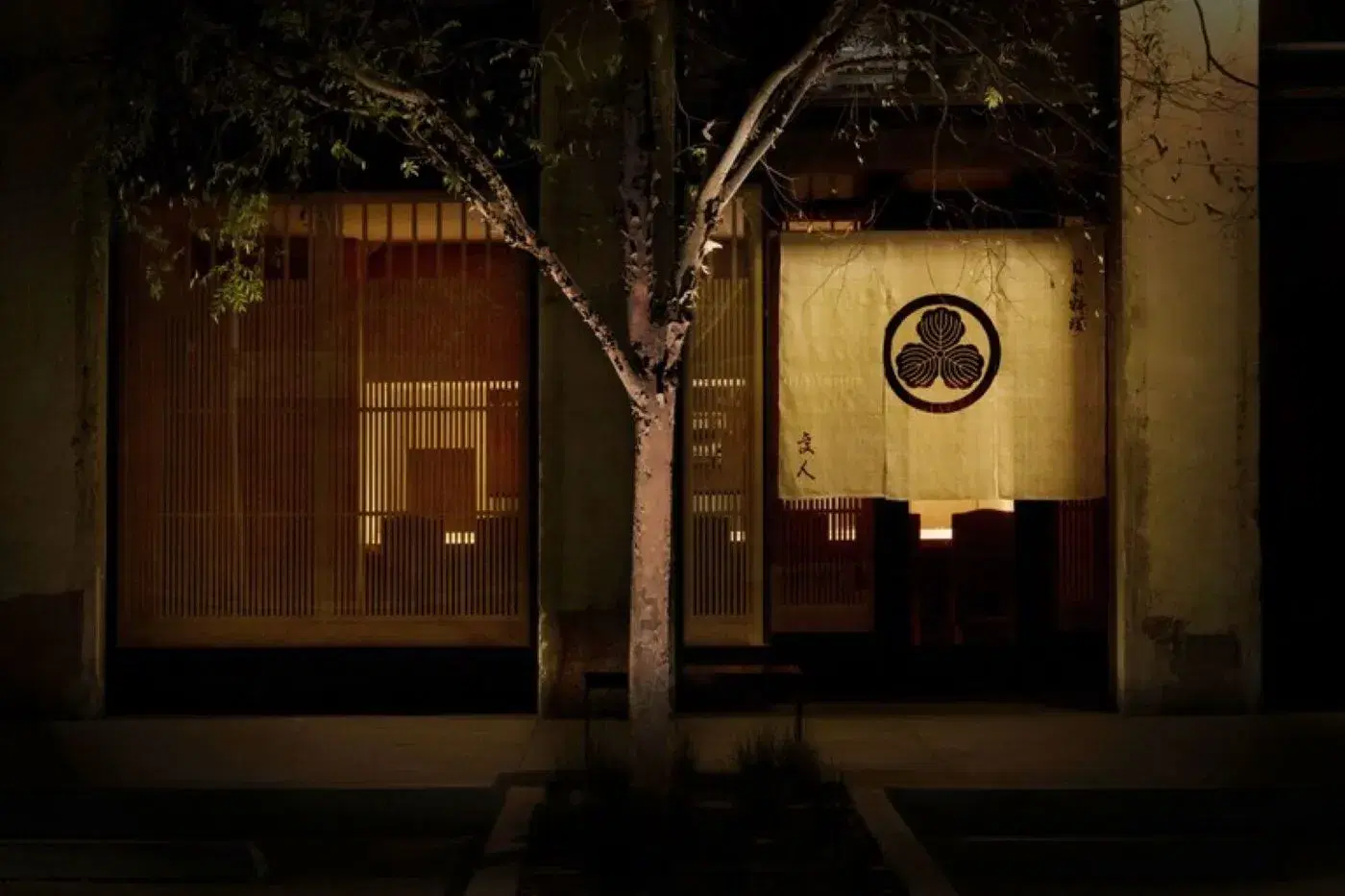
Yakiya is located at 17188 Colima Road, Suite C, in Hacienda Heights, at the intersection with South Azusa Avenue. The address places it in a multi-tenant commercial space typical of the area, where signage is functional rather than decorative and the parking lot is the real entrance lobby. For visitors coming from Los Angeles, the drive along the 60 Freeway takes roughly twenty to thirty minutes depending on traffic, with the Hacienda Heights exits placing you within a short distance of the Colima Road corridor.
The broader Colima Road stretch rewards treating an evening at Yakiya as part of a wider exploration rather than a standalone destination. The concentration of Japanese and East Asian dining options within a short radius means that pre- or post-dinner stops are genuinely possible without significant travel. For readers building a multi-stop San Gabriel Valley evening, combining a visit here with other addresses in the corridor reflects how the local dining community actually uses this area. Venues like Emeril's in New Orleans, Blue Hill at Stone Barns in Tarrytown, The Inn at Little Washington, Causa in Washington, D.C., and 8 1/2 Otto e Mezzo Bombana in Hong Kong each represent their own regional dining tier; the San Gabriel Valley operates at a different scale but with comparable seriousness of purpose within its own category.
Frequently asked questions
Is Yakiya a family-friendly restaurant?
Yakiya's strip-mall setting on Colima Road in Hacienda Heights is typical of the San Gabriel Valley's informal dining culture, which tends to be accommodating across age groups. Japanese grill formats generally work well for families, as the cooking style is approachable and the atmosphere is relaxed rather than formal.
Is Yakiya better for a quiet night or a lively one?
Grill-focused Japanese restaurants in the San Gabriel Valley corridor tend toward convivial rather than hushed, with open kitchen activity and the rhythms of a working grill setting the tone. Yakiya's Suite C address at 17188 Colima Road places it in a multi-tenant retail context, which generally reads as casual and neighbourhood-oriented rather than destination-dining formal. Expect a relaxed, sociable register rather than a white-tablecloth quiet.
What makes Yakiya worth seeking out along Colima Road compared to other San Gabriel Valley Japanese restaurants?
Yakiya sits at the intersection of Colima Road and South Azusa Avenue in Hacienda Heights, a stretch of the San Gabriel Valley that carries a higher-than-average concentration of Asian dining relative to its population density. The Japanese grill format it represents is less common in this corridor than Cantonese or Sichuan cooking, giving it a degree of category differentiation within the local scene. Hacienda Heights is roughly twenty miles east of downtown Los Angeles, meaning it draws a neighbourhood-anchored clientele rather than destination tourists.
What do people recommend at Yakiya?
What is clear is that Yakiya operates within the Japanese grill tradition, a format where skewered and grilled preparations are central.
Cost and Credentials
Comparable venues nearby, for context on price, style, and recognition.
| Venue | Cuisine | Price | Notes |
|---|---|---|---|
| YakiyaThis venue — the venue you are viewing | Japanese Yakiniku Steakhouse | $50–100 | Not listed |
| Foo Foo Tei | Japanese Ramen House | $20–30 | Hacienda Heights, Japanese Ramen House |
| Earthen Restaurant | Northern Chinese Dumplings & Noodles | Not listed | Hacienda Heights, Northern Chinese Dumplings & Noodles |
| Malan Noodles | Northern Chinese Noodles | $10–20 | Hacienda Heights, Northern Chinese Noodles |
| Guppy House | Hacienda Heights, Asian Fusion Tea House | Not listed | Not listed |
| Wagyu Master | Japanese A5 Wagyu Shabu-Shabu AYCE | Not listed | El Paseo de Saratoga, Japanese A5 Wagyu Shabu-Shabu AYCE |
Continue exploring
More in Hacienda Heights
Restaurants in Hacienda Heights
Browse all →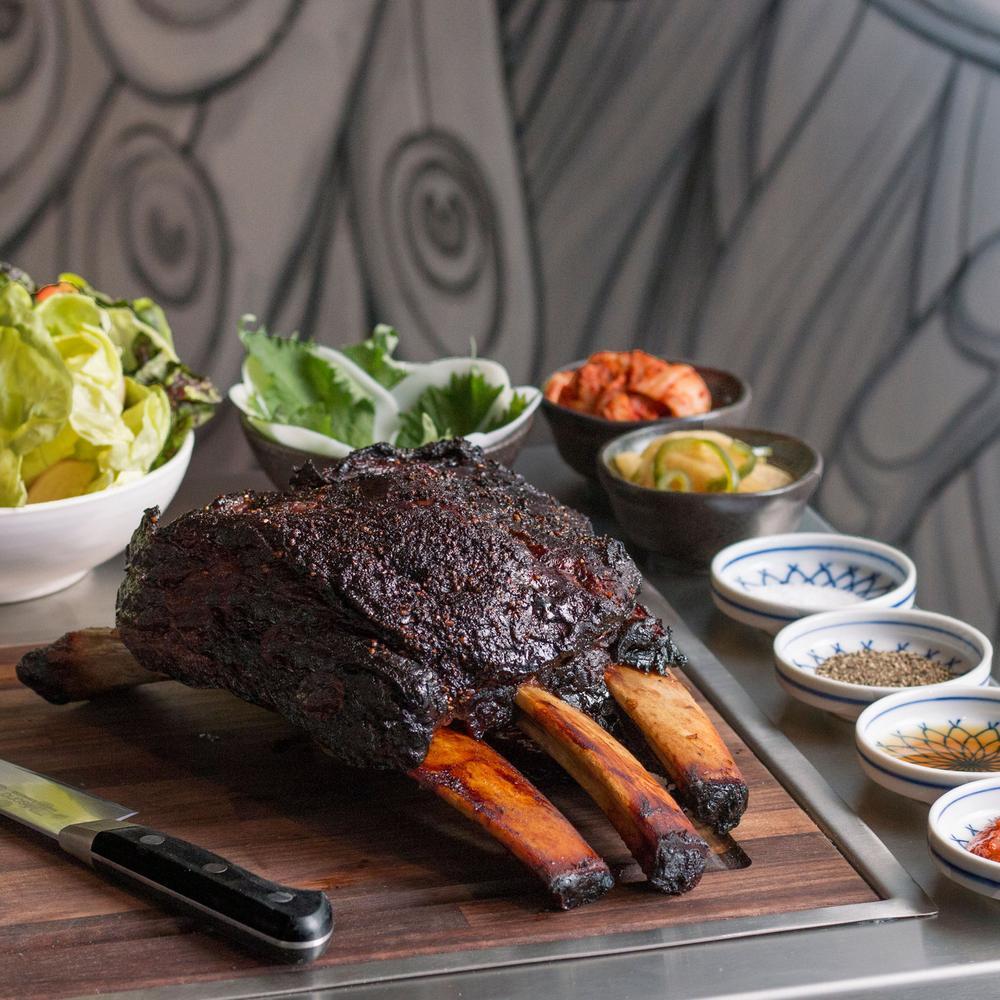
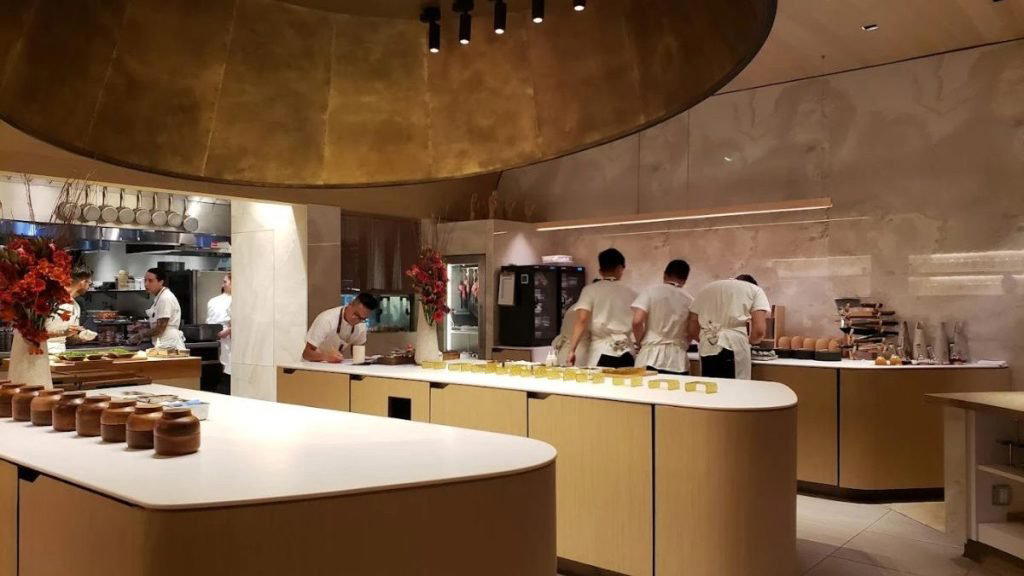
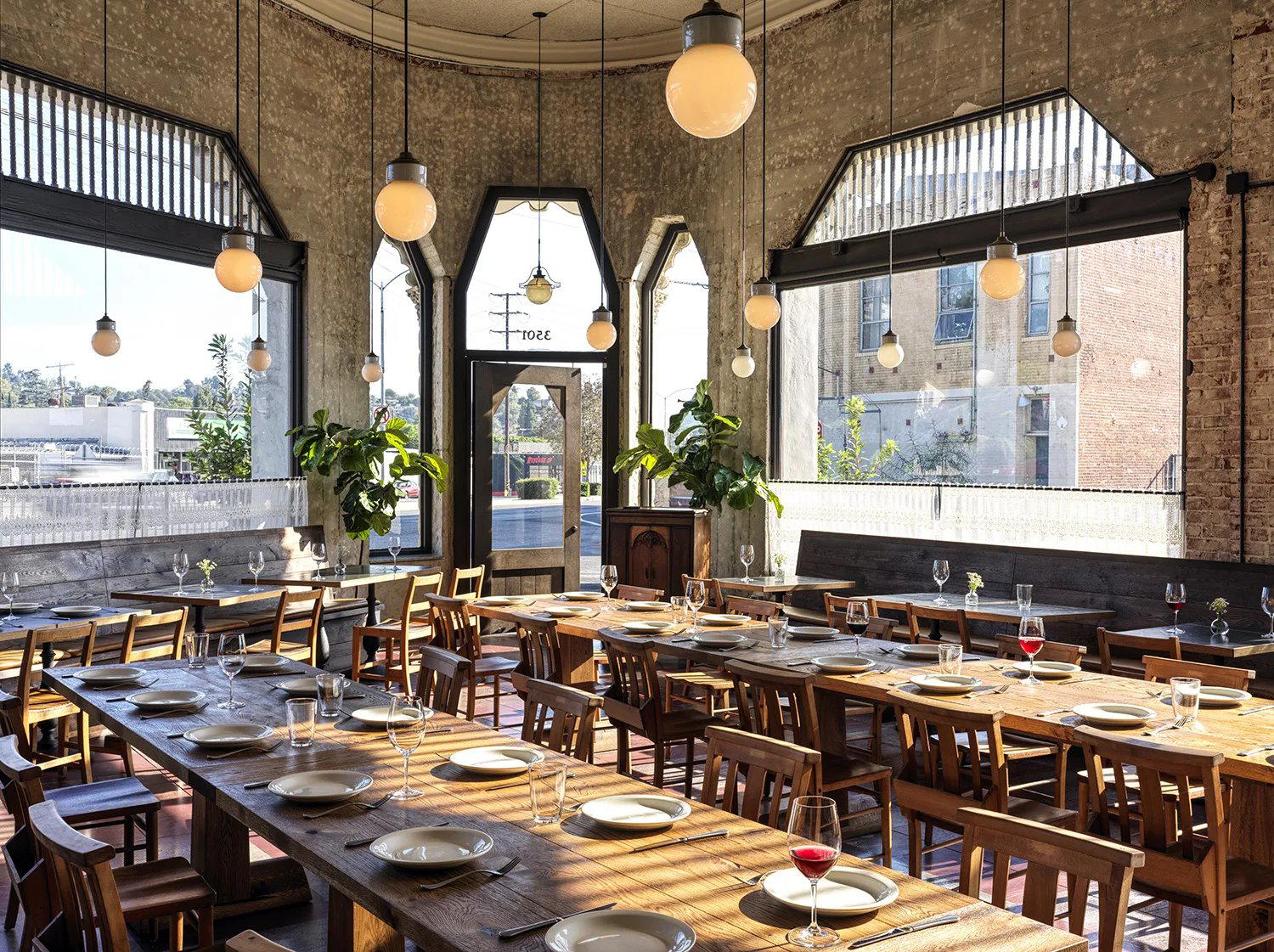
Bars in Hacienda Heights
Browse all →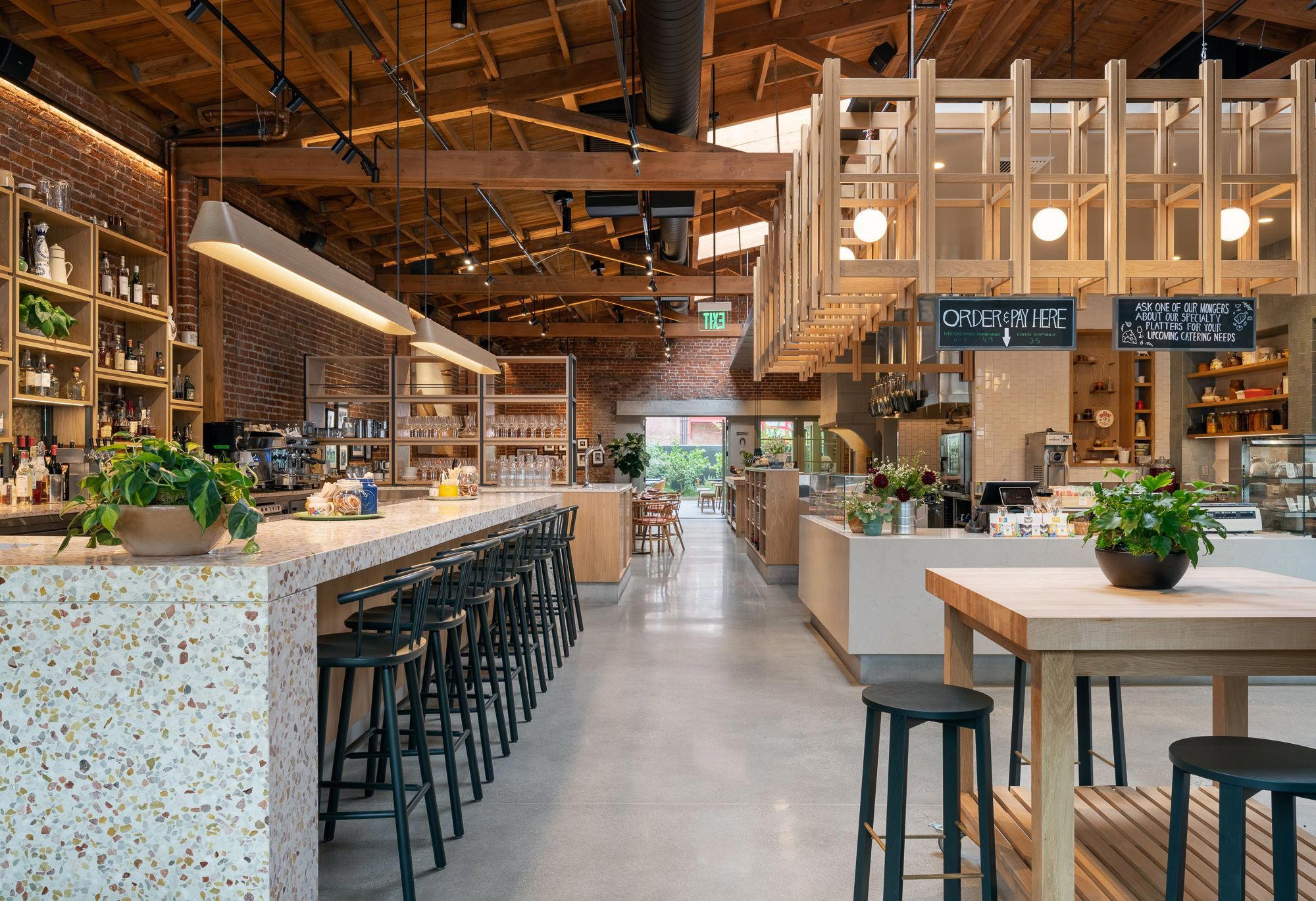
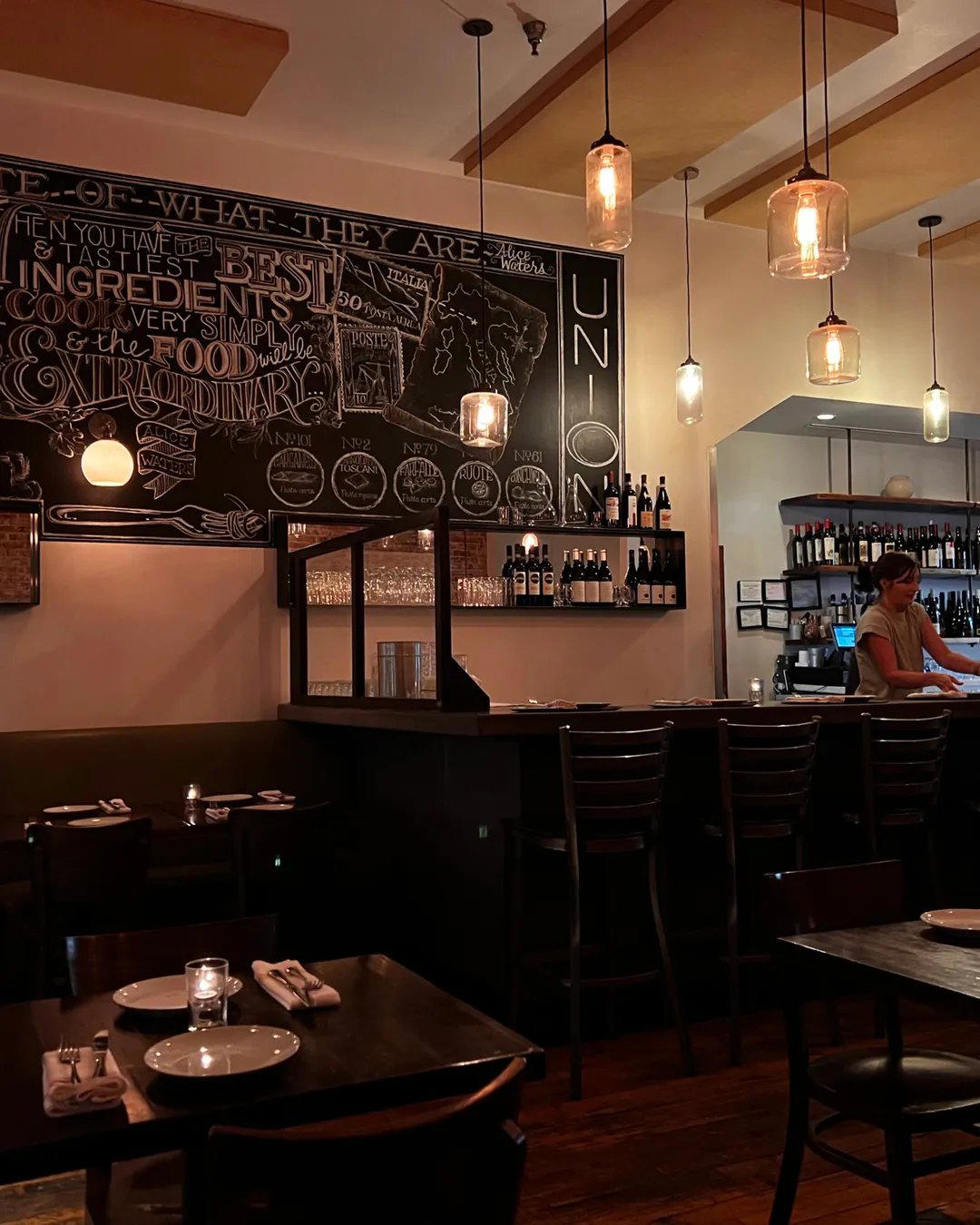
Hotels in Hacienda Heights
Browse all →
Wineries in Hacienda Heights
Browse all →
Yakiya
The wine
- Wine program
- Curated wine list
- Sake program
- Craft cocktails
Details
- Elegant
- Modern
- Intimate
- Sophisticated
- Date Night
- Special Occasion
- Business Dinner
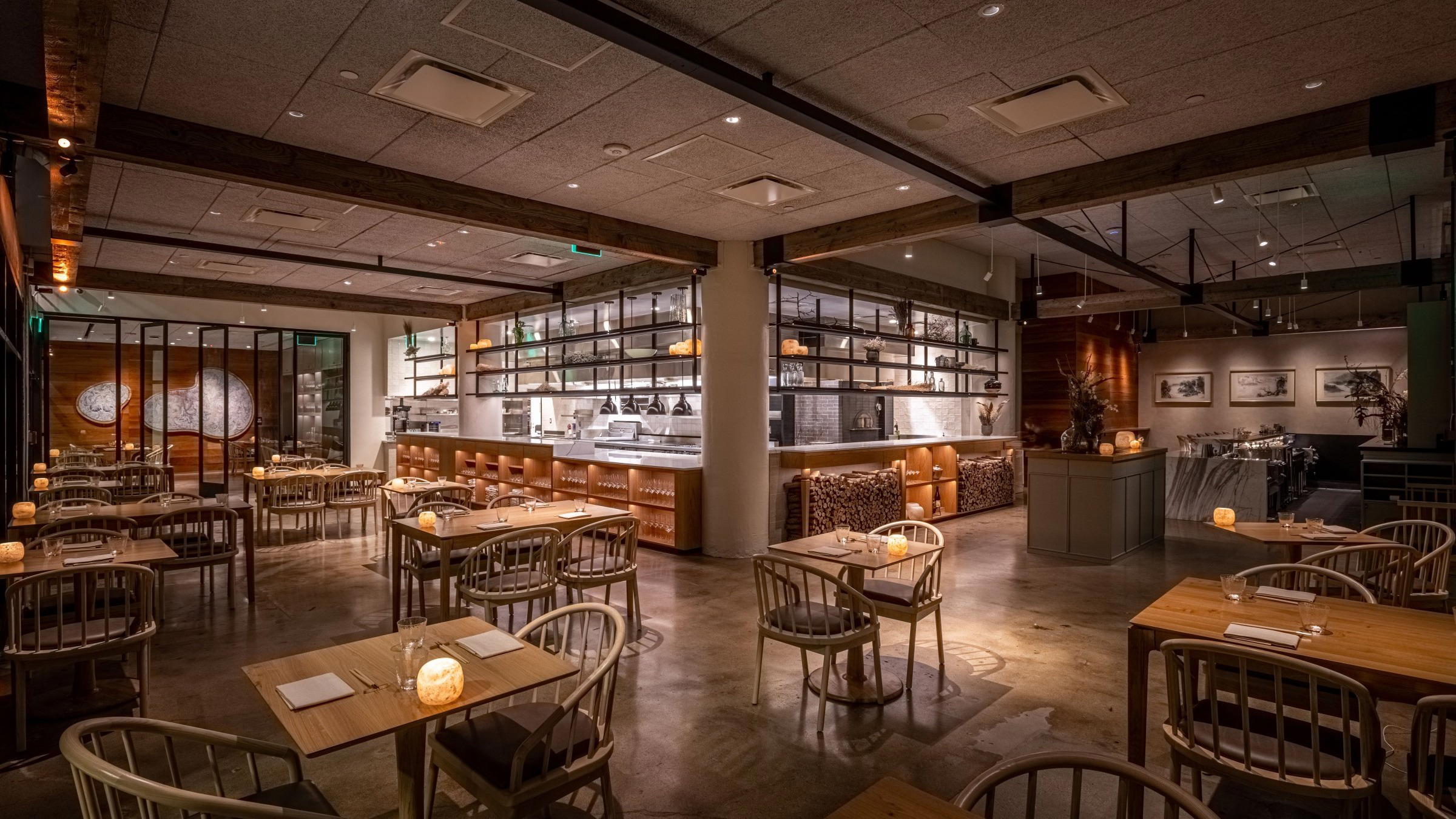
- Open Kitchen
- Sake Program
- Craft Cocktails
- Prix Fixe
- A La Carte
Current opening hours
- Monday
- 4:30–10 PM
- Tuesday
- 4:30–10 PM
- Wednesday
- 4:30–10 PM
- Thursday
- 4:30–10 PM
- Friday
- 4:30–10 PM
- Saturday
- 4:30–10 PM
- Sunday
- 11:30 AM–10 PM
Hours can change for holidays and private events. Last verified .
Refined and modern atmosphere with moderate noise levels, intimate dining spaces, and luxurious inviting feel.