Foo Foo Tei
Our verdict
Foo Foo Tei sits on Clark Avenue in Hacienda Heights, California, within one of the San Gabriel Valley's most concentrated corridors of Japanese dining. The restaurant draws a committed local following in a suburb where ingredient-focused cooking and unpretentious settings have long coexisted. For visitors cross-referencing the broader SGV dining circuit, it represents a specific register of neighborhood-level Japanese that rewards attention.

Pearl is the En Primeur Club membership app — saves, bookings, and concierge access live there. Same editors, same standards.
- Address
- 15018 Clark Ave, Hacienda Heights, CA 91745
- Phone
- (626) 937-6585
- Hours
- Mon ClosedTue–Sun 11:30 AM–2 PM, 5:30–9 PM
- Website
- foofootei.com
- Directions
- Get directions
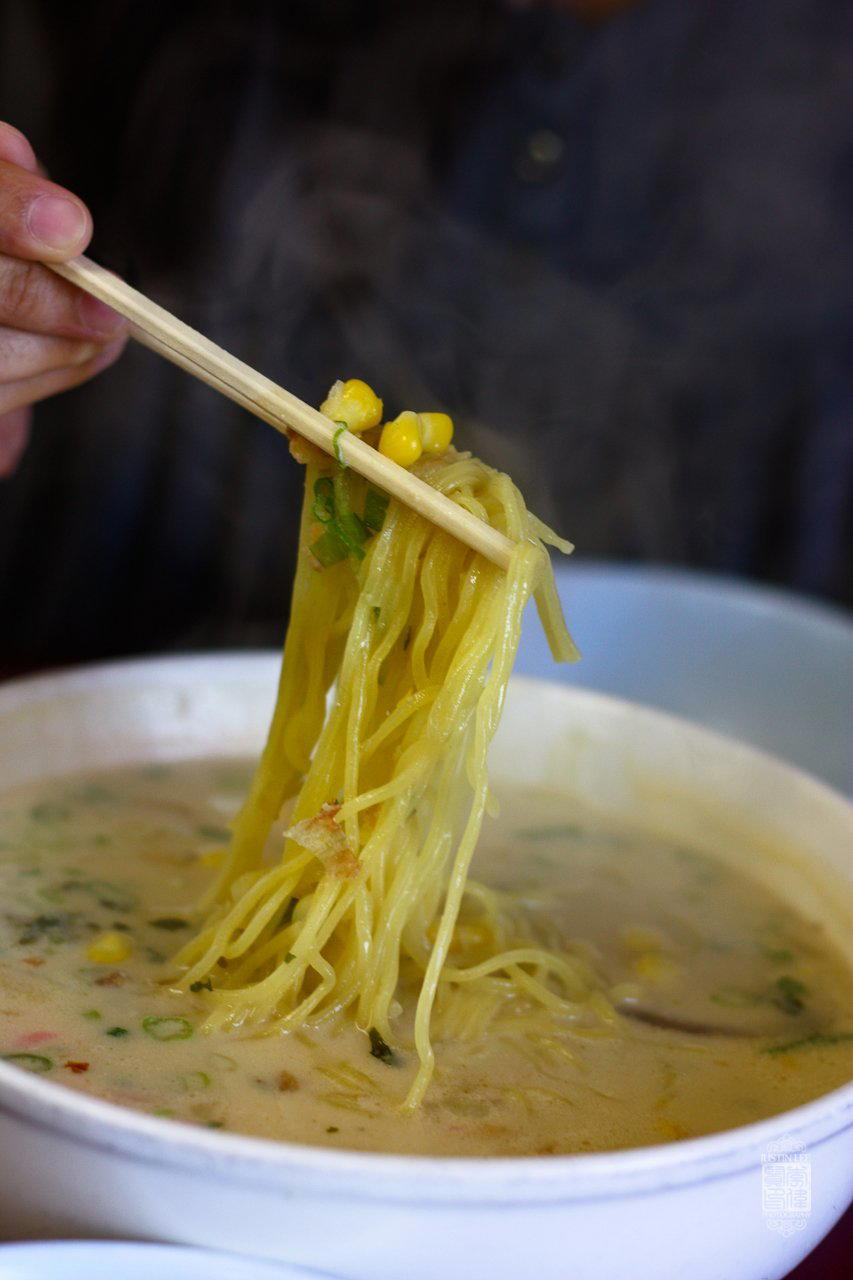
The menu
What to order
- Curry ramen
- Menudo ramen
- White cream ramen
Clark Avenue and the Japanese Dining Corridor of the San Gabriel Valley
Hacienda Heights sits at the eastern edge of the San Gabriel Valley, a stretch of suburban Los Angeles that has spent decades accumulating one of the most concentrated collections of Asian dining in the United States. The dynamic here differs sharply from the high-concept Japanese restaurants that populate urban dining lists — places like Atomix in New York City or ITAMAE in Miami, where the format and the credential are as much the draw as the food itself. In the SGV, the operative logic is different: proximity to a dense immigrant community, competitive pricing pressure, and an audience that measures quality against memory rather than against a tasting menu benchmark.
Within that context, Foo Foo Tei occupies a Clark Avenue address at 15018, a commercial strip that runs through the residential fabric of Hacienda Heights rather than performing as a dining destination in the conventional sense. Approaching the block, there is no marquee moment — the built environment is functional California strip-mall architecture, low-slung and practical. That physical register is worth understanding before arrival, because it frames everything that follows. The cooking in rooms like this one earns its audience without the support of designed atmosphere or curated interiors. The food has to carry the visit.
Where Ingredient Logic Defines the Category
Japanese cooking in the SGV sits in a specific tradition that connects back to the sourcing priorities of everyday Japanese food culture: freshness over spectacle, seasonal availability over menu consistency, and supplier relationships over branding. This is the tradition that places like The French Laundry in Napa or Single Thread Farm in Healdsburg have absorbed and reimagined at the luxury tier, but which in the SGV operates without the fine-dining apparatus. The sourcing discipline is present; the ceremony around it is not.
That means the quality signal at a restaurant like Foo Foo Tei is embedded in the ingredient itself rather than narrated by the service. In Japanese food culture broadly, this reflects a longstanding hierarchy: the supplier, the market, and the seasonal calendar carry authority that no amount of tableside explanation can substitute for. For diners accustomed to venues where provenance is announced, the way Blue Hill at Stone Barns in Tarrytown treats its farm-to-table sourcing as a central editorial statement, the SGV approach can read as reticent. It is not reticent. It is structured around the assumption that a diner who knows what they are tasting does not need it explained.
The broader SGV corridor has produced restaurants at every tier along this axis. At the neighborhood end, spots like Foo Foo Tei and Yakiya share a Hacienda Heights zip code and a similar operating logic: no-frills room, ingredient-led menu, local regulars who return on a weekly cycle. These are not aspirational venues in the way that Addison in San Diego or Providence in Los Angeles are aspirational, they are functional community restaurants that happen to take sourcing seriously.
The neighborhood is not a destination dining corridor in the sense that, say, a visitor would plan a trip specifically to eat here the way they might plan around Le Bernardin in New York City or Lazy Bear in San Francisco. The value proposition is local specificity, competitive pricing relative to the Los Angeles metro, and access to Japanese cooking that exists outside the usual channels of critical recognition.
Comparative reference points help calibrate expectations. At the Michelin-awarded end of the California Japanese spectrum, restaurants operate with formal booking windows, tasting menu formats, and supplier relationships that are documented and publicized. In the SGV, the sourcing relationships are real but operate through community networks that rarely surface in press coverage. The result is that ingredient quality can be high at price points that would be impossible in a more media-facing context. For diners who have calibrated against venues like Smyth in Chicago or Frasca Food and Wine in Boulder, the register shift requires adjustment, but the underlying sourcing logic is not entirely different.
Within Hacienda Heights specifically, Malan Noodles represents the Chinese end of the neighborhood's dining range, while Foo Foo Tei and Yakiya anchor the Japanese side. The two culinary traditions coexist in a suburb where neither is performing for an outside audience, which gives both an authenticity of purpose that more visible neighborhoods sometimes lose when they begin attracting destination diners.
Planning a Visit: What to Know Before You Go
The address, 15018 Clark Ave, Hacienda Heights, CA 91745, is confirmed, but hours, current menu format, and pricing should be confirmed through a direct call or a current third-party listing search before making the trip from central Los Angeles. The suburban location means driving is the practical mode of arrival; the Clark Avenue corridor has surface parking consistent with its strip-commercial character. No dress code applies at this tier of the SGV dining circuit. For the broader neighborhood context and additional venue recommendations, the full Hacienda Heights restaurants guide covers the area in detail. Visitors cross-referencing against more formally documented California dining at venues like The Wolf's Tailor in Denver, Emeril's in New Orleans, or The Inn at Little Washington should recalibrate: the operating model here is neighborhood-focused, not destination-focused, and the experience should be approached on those terms. Ingredient-sourcing discipline and community continuity are the relevant measures of quality in this context, not award tier or service formality. For those who value the former, the SGV continues to deliver at a consistency that the broader California dining conversation underreports.
Frequently asked questions
Is Foo Foo Tei suitable for children?
Nothing in the available record flags Foo Foo Tei as adults-only. Located on Clark Avenue in Hacienda Heights, the restaurant sits in a neighborhood where family dining is a practical norm rather than a niche offering.
Is Foo Foo Tei better for a quiet night or a lively one?
Hacienda Heights operates outside the destination-dining circuit of central Los Angeles, which tends to produce a more neighborhood-paced atmosphere at local restaurants rather than a high-energy scene. The available record carries no data on noise levels, seating density, or music policy, so expectations should be set by calling ahead or checking recent visitor accounts before you go.
How does Foo Foo Tei fit into the broader Japanese restaurant scene of the San Gabriel Valley?
The San Gabriel Valley holds one of the densest concentrations of Japanese restaurants outside Japan in the continental United States, making Hacienda Heights a credible address for the cuisine rather than an outlier.
What do people recommend at Foo Foo Tei?
Foo Foo Tei operates within the San Gabriel Valley's Japanese dining corridor, a region where ingredient sourcing and preparation precision tend to drive local word-of-mouth. Check the venue's official channels for the latest details.
How It Stacks Up
Comparable venues nearby, for context on price, style, and recognition.
| Venue | Cuisine | Price | Notes |
|---|---|---|---|
| Foo Foo TeiThis venue — the venue you are viewing | Japanese Ramen House | $20–30 | Not listed |
| Earthen Restaurant | Northern Chinese Dumplings & Noodles | Not listed | Hacienda Heights |
| Malan Noodles | Northern Chinese Noodles | $10–20 | Hacienda Heights |
| Guppy House | Asian Fusion Tea House | Not listed | Hacienda Heights |
| Yakiya | Japanese Yakiniku Steakhouse | $50–100 | Hacienda Heights |
| Chiso Cafe | Japanese home-style café | $20–30 | Echo Park |
Continue exploring
More in Hacienda Heights
Restaurants in Hacienda Heights
Browse all →
Bars in Hacienda Heights
Browse all →
Hotels in Hacienda Heights
Browse all →



Wineries in Hacienda Heights
Browse all →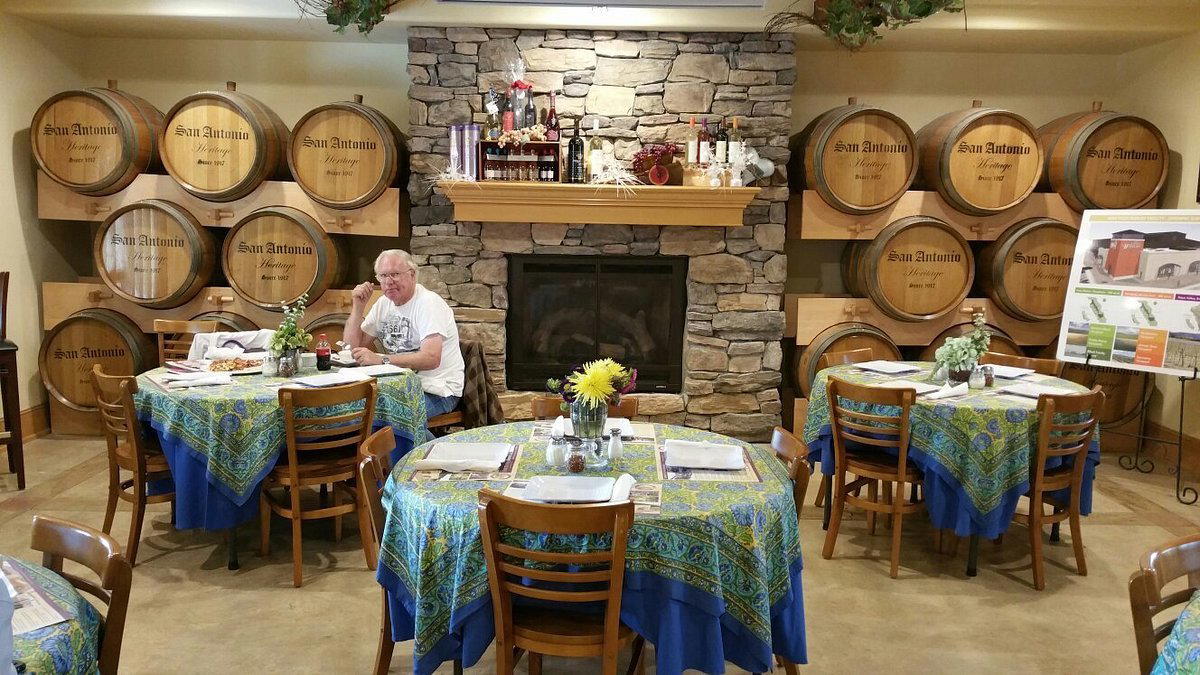
Details
- Cozy
- Family
- Casual Hangout
- Sake Program
- A La Carte
- Small Plates
- Sake
- Vegetarian Friendly
Current opening hours
- Monday
- Closed
- Tuesday
- 11:30 AM–2 PM, 5:30–9 PM
- Wednesday
- 11:30 AM–2 PM, 5:30–9 PM
- Thursday
- 11:30 AM–2 PM, 5:30–9 PM
- Friday
- 11:30 AM–2 PM, 5:30–9 PM
- Saturday
- 11:30 AM–2 PM, 5:30–9 PM
- Sunday
- 11:30 AM–2 PM, 5:30–9 PM
Hours can change for holidays and private events. Last verified .
Modest, homey interior with plain furnishings and a casual, busy atmosphere focused on comforting Japanese comfort food.