
Yakitori Kokure sits in Osaka’s Fukushima ward, where small counter restaurants define much of the after-dark dining culture around the station. The nine-seat counter, yakitori focus, sake program, and Tabelog 100 Yakitori WEST selections from 2022 through 2025 place it in a serious specialist bracket rather than the casual skewer-shop lane.
Pearl is the En Primeur Club membership app — saves, bookings, and concierge access live there. Same editors, same standards.
- Address
- 大阪府大阪市福島区福島1-5-3
- Phone
- +819047427241
- Website
- tabelog.com
 Saves & bookings on Pearl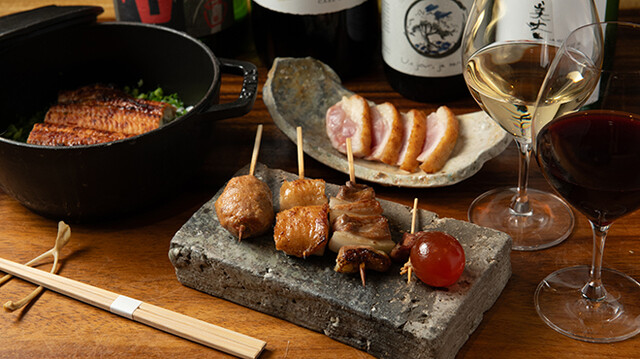
Fukushima’s restaurant streets work at close range: narrow frontages, low-lit counters, and rooms where the grill organizes the evening. In Osaka, yakitori sits between everyday drinking food and controlled counter cuisine; at the serious end, rhythm, heat management, and the chef’s ability to turn chicken into a sequence matter more than a pile of skewers. Yakitori Kokure belongs to that smaller, counter-led tier.
The address places it in Fukushima-ku, a district central enough for Osaka diners and compact enough to reward tight specialization. This is not a broad-menu izakaya for after-work groups. It is a nine-seat counter, which changes the contract: pacing is visible, conversation quieter, and the grill central to the meal. In yakitori, the line between casual and serious often lies less in luxury ingredients than in timing, temperature, and the order in which parts appear.
A nine-seat counter in Osaka's serious yakitori lane
Yakitori’s cultural weight in Japan comes from economy and precision. It turns a whole bird into a grammar of cuts, textures, and heat levels, then links that grammar to drinking culture. Osaka’s version is rarely as formal as Ginza’s tasting-counter world, but the city has a deep appetite for specialist rooms. A counter this size pushes the experience toward concentration: fewer seats, fewer distractions, narrower margin for error.
Recognition reinforces that positioning. Yakitori Kokure was selected for Tabelog 100 Yakitori WEST in 2025, with previous selections in 2022, 2023, and 2024. In Japan, Tabelog’s Hyakumeiten lists are useful signals for genre specialists, especially where Michelin coverage is uneven and local diner consensus matters. A 3.75 Tabelog score places the restaurant above the casual neighborhood baseline without making it a trophy-room abstraction.
The category listing is instructive: yakitori, chicken dishes, and Japanese cuisine, with sake as the drink focus. That is a coherent frame, not a maximalist one. In this price band, the question is whether the counter can justify a tighter, more deliberate evening than a larger izakaya. Here, the evidence points to a restaurant built around grill and counter, not breadth.
Fukushima’s wider dining mix clarifies the choice. A diner might compare it with the more casual drinking bracket represented by Ponshuya Santoku Rokumi Fukushima honten, or move into other genres through age, Agu Buta Shabushabu Senmon Ten Toriou Bettei, Asia Shokudo Chouku, Bistro Mikasa, and CAFE BAHNHOF. The value of this yakitori counter is focus: chicken, charcoal, sake, and close observation.
Why the format matters more than ornament
High-level yakitori is often mistaken by travelers for a checklist of rare cuts. The form is sequential and cumulative. A good counter controls momentum through salt, tare, fat, smoke, and pause, and asks diners to accept the chef’s timing rather than treat the meal as conventional à la carte. Even without a named tasting format listed, the nine-seat counter signals the attention expected.
The price range sets expectations. At JPY 8,000 to JPY 9,999 for dinner, Yakitori Kokure sits above the spontaneous skewer-and-beer tier but below Japan’s most expensive destination counters. That middle-premium position is where Osaka often performs well: serious technique without the full ceremony of luxury omakase. Credit cards are accepted; electronic money and QR code payments are not, a useful practical distinction for travelers used to cashless urban dining elsewhere.
The room is non-smoking, has no private rooms, and is available for private use. Those details define the occasion: a counter for pairs or small parties rather than a flexible group venue. The listing’s occasion signal points toward dates, which fits the scale and price, but the broader read is this: choose it when the evening benefits from intimacy and concentration, not when a table must absorb mixed appetites and loose timing.
For travelers mapping a Fukushima night, treat the district as a compact dining zone rather than a single-address errand. Broader planning can start with Our full Fukushima restaurants guide, then branch into Our full Fukushima hotels guide, Our full Fukushima bars guide, Our full Fukushima wineries guide, and Our full Fukushima experiences guide. The point is not to over-schedule, but to understand that Fukushima rewards close-grain movement: dinner, a drink, and a short walk often beat cross-city commuting.
The decision: specialist counter, not general Osaka night out
The case for the restaurant is strongest for diners who already understand why yakitori deserves a full evening. The repeated Tabelog 100 Yakitori WEST selections, nine-seat counter, sake orientation, and dinner price all point the same way: a compact specialist room in a city that respects genre discipline. It is less persuasive for families, large groups, or travelers seeking a broad Osaka sampler.
That distinction helps because Fukushima has range. One night can lean yakitori; another can move across shabu-shabu, bistro cooking, coffee, or casual regional formats. Outside the district, Japan’s dining spread runs from -Grilled beef Sukiyaki- KAMAKURA TANUKIAN 鎌倉 たぬき庵 in Kamakura and. 鮪と炭火焼き うお炭 秋葉原店 in Tokyo to.cafe in Osaka.know in Kumamoto, (Shoku) Vietnam in Kawasaki, and [Curry Senmon Ten] Maruyama Kyoju. in Sapporo. For sake-led Japanese dining abroad, Jōdo Saké Bar in Los Angeles offers another lens, while Onigiri Time in Pasadena shows how narrow Japanese formats travel into casual American contexts.
Within that wider map, the Fukushima counter has a clear editorial role. It represents the Japanese dining format where small scale is not design affectation but technical condition. The grill sets the tempo, the counter compresses the room, and the category demands attention to sequence. For a traveler choosing one serious yakitori meal in this part of Osaka, those signals carry more weight than decorative language.
Cost Snapshot
Comparable venues by cuisine and price in the same metro.
| Venue | Cuisine | Price | Notes |
|---|---|---|---|
| Yakitori KokureThis venue — the venue you are viewing | Not listed | $$$ | Not listed |
| Sakenameshi Brio | Not listed | $$$ | Fukushima, Reservation-only Japanese izakaya course |
| Tempura Osakaya Sotetsu | Fukushima, Tempura | $$$ | Not listed |
| Sumibi Yakitori Torio | Fukushima, Yakitori Izakaya | $$ | Not listed |
| Udon Sanku | Fukushima, Japanese Udon & Tempura | $ | Not listed |
| Tachinomi Jack to Machilda | Not listed | $ | Fukushima, Standing Japanese sake bar (tachinomi izakaya) |
Recognition history
Dated appearances from independent guides and award organizations, with the underlying list record or original source where available.
Tabelog 100 #34 · No. 34
Tabelog · Tabelog 100 - Yakitori - WEST - 2025
Continue exploring
More in Fukushima
Restaurants in Fukushima
Browse all →




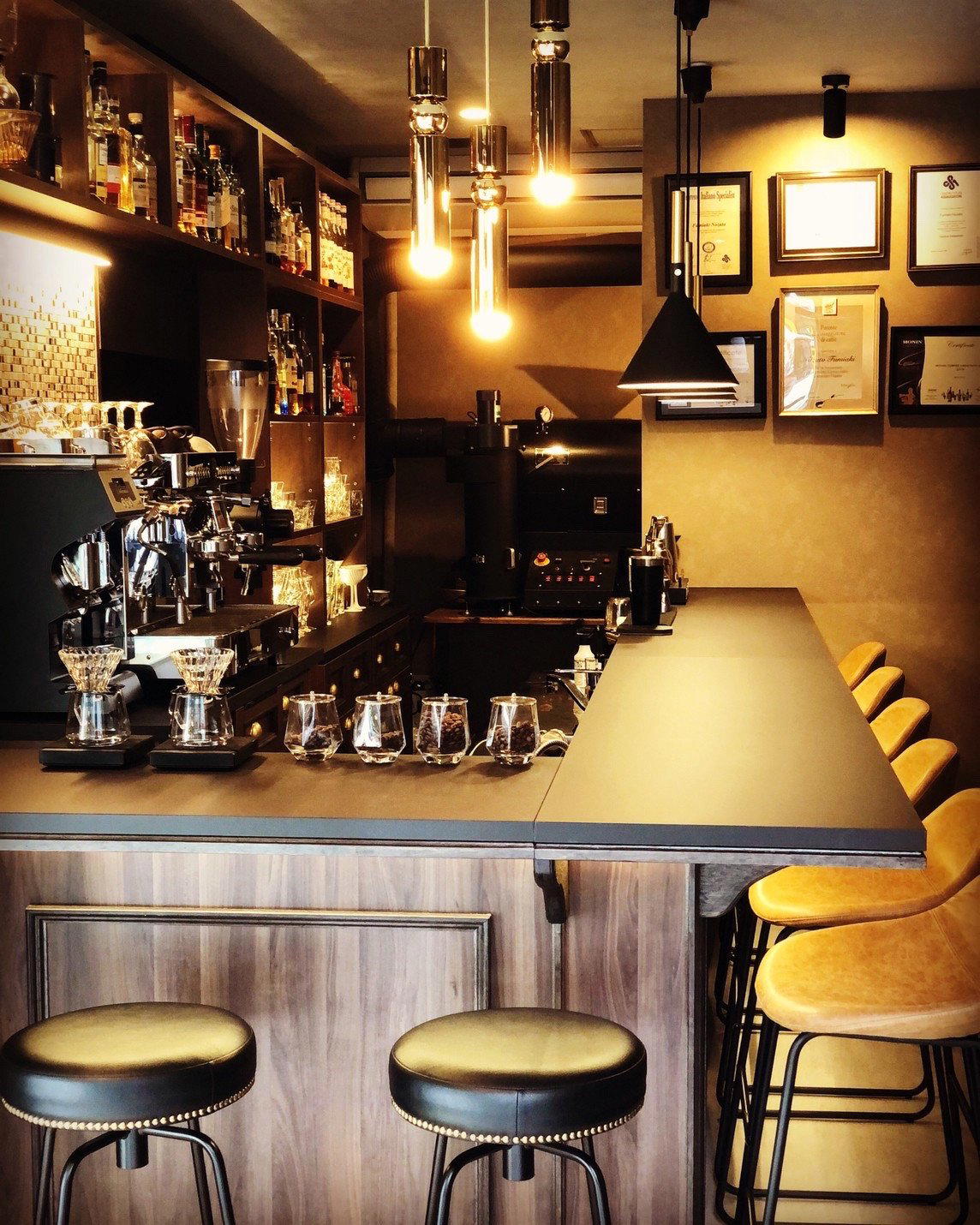
Bars in Fukushima
Browse all →



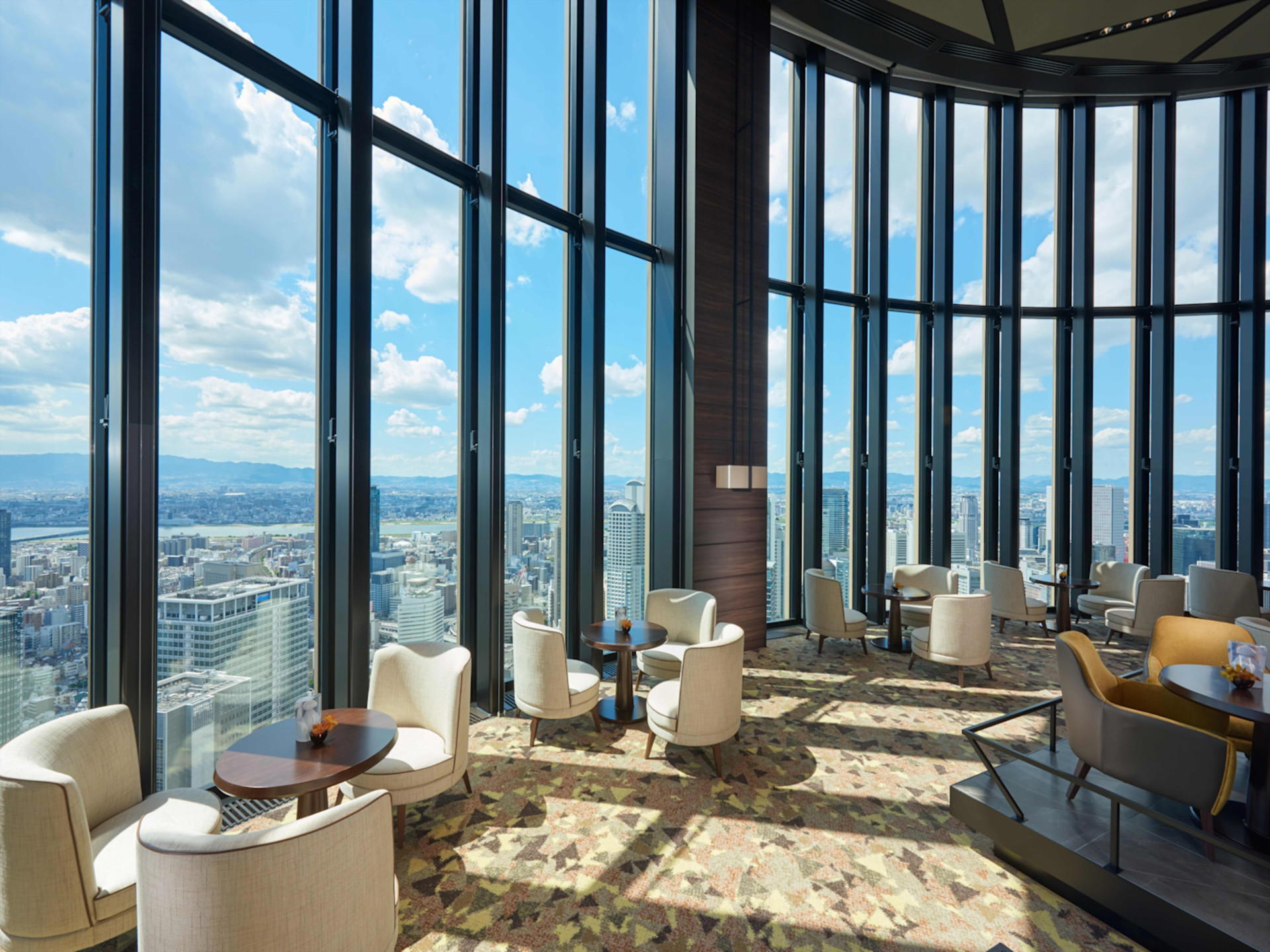
Hotels in Fukushima
Browse all →



Wineries in Fukushima
Browse all →
At a Glance
- Elegant
- Cozy
- Intimate
- Modern
- Date Night
- After Work
- Solo
- Special Occasion
- Chefs Counter
- Standalone
- Natural Wine
- Sake Program
- Natural Wine
- Local Sourcing
A stylish yet relaxed Japanese space built around a single wooden counter, with a calm, date-friendly atmosphere and non-smoking, cozy feel.