Smoke, Counter, Repeat: How Suminoya Reads Against Sydney's Japanese Dining Tier Hosking Place is the kind of lane the CBD swallows whole on a weekday lunch rush, all suited foot traffic and the faint percussion of kitchen exhaust fans. Suminoya...
Pearl is the En Primeur Club membership app — saves, bookings, and concierge access live there. Same editors, same standards.
- Address
- 1 Hosking Pl, Sydney NSW 2000, Australia
- Phone
- +61429180492
- Website
- suminoya.com.au
- Directions
- Get directions
 Saves & bookings on Pearl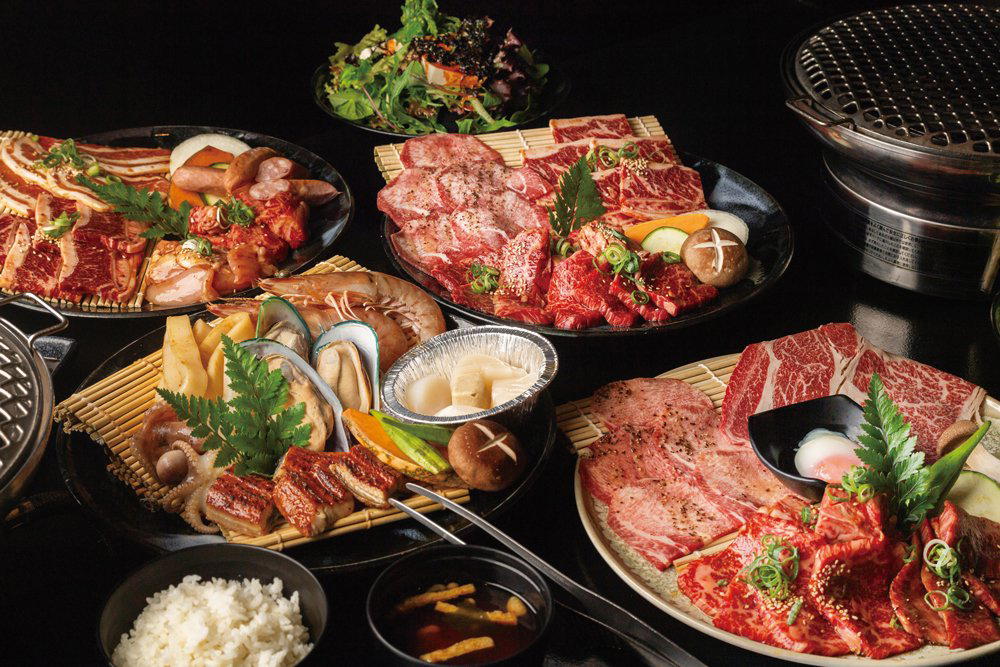
Smoke, Counter, Repeat: How Suminoya Reads Against Sydney's Japanese Dining Tier
Hosking Place is the kind of lane the CBD swallows whole on a weekday lunch rush, all suited foot traffic and the faint percussion of kitchen exhaust fans. Suminoya occupies that compressed urban register well. The address, 1 Hosking Place, places it inside Sydney's central business district at a point where Japanese dining has quietly accumulated enough critical mass to sustain genuine comparison across formats: conveyor sushi chains, omakase counters charging north of two hundred dollars a head, and the more modest yakitori and yakiniku rooms that anchor themselves to the working crowd. Suminoya belongs to the smoke-and-grill tradition, a category that rewards attention to sourcing and timing more than plating theatre.
What the Menu Architecture Reveals
The yakiniku and robata formats that define Suminoya's category are built around a logic that differs structurally from a tasting menu restaurant. There is no single narrative arc enforced by a kitchen; instead, the menu is organised around cuts, proteins, and supplementary sides that a table assembles into its own sequence. This places significant editorial weight on the menu itself: the range of cuts available, how they are grouped, and whether the kitchen signals a point of view about order and proportion. In the leading versions of this format, the menu architecture does the work that a tasting menu does with pacing, teaching the diner how to move from lighter preparations toward richer ones, from offal and secondary cuts toward centrepiece proteins.
Sydney's Japanese grill scene occupies a different competitive tier than the omakase rooms that draw international attention, comparable in spirit to the role izakayas play in Tokyo's dining ecosystem: essential, frequently excellent, and largely invisible to the award circuit that tracks fine dining. That positioning is structural rather than qualitative. Places like Rockpool and Saint Peter operate in a different tier entirely, where a single chef's sourcing philosophy shapes every plate. The grill format distributes that editorial control between kitchen and table, which is part of its appeal and part of what makes it harder to evaluate on conventional critical terms.
The CBD Japanese Dining Context
Sydney's CBD has historically supported Japanese dining at two poles: high-volume delivery formats and formal dining rooms commanding significant spend per head. The middle tier, comprising genuine grill and izakaya formats, has been thinner on the ground than comparable cities like Melbourne, where the inner suburbs have sustained a denser ecosystem of Japanese specialists. For context, Attica in Melbourne and Brae in Birregurra anchor the fine-dining end of the Australian conversation, while the grill format operates largely beneath that recognition tier, valued more by regulars than by the award circuit.
The Hosking Place address puts Suminoya inside a short walk of the George Street transport corridor and the Wynyard station precinct, which shapes its customer base toward CBD workers and pre-theatre diners from the nearby entertainment district. That foot traffic pattern is relevant to how the menu is calibrated: a restaurant serving a lunch and early-dinner CBD crowd prices and portions differently than a destination restaurant drawing diners who have committed a full evening. Other Sydney operators working the same geography include 10 Pounds and 10 William St, though both operate in distinct cuisine registers.
Smoke as the Structural Principle
The robata and yakiniku traditions both use live fire as the primary cooking medium, but they differ in how that fire is managed and who controls it. Robata, where the kitchen grills and serves, creates a more curated experience; yakiniku, where diners cook their own cuts over tableside charcoal, redistributes control entirely. Suminoya's format sits within the charcoal-grill tradition that has found a consistent audience in Australian cities with significant Japanese diaspora communities and a dining public that has grown comfortable with participatory formats. The Korean barbecue wave of the 2010s normalized the cook-your-own model broadly, which has benefited adjacent Japanese grill formats by reducing the friction of explanation.
In cities like New York, where Atomix represents the formal end of Korean-influenced fine dining and Le Bernardin anchors French precision, the live-fire grill tradition operates in a wholly separate critical conversation. Sydney is no different: the smoke register and the white-tablecloth register rarely intersect, and the venues doing serious work in each tend to be evaluated by different audiences.
The Table Experience and What to Expect
Ordering at a yakiniku counter requires more active engagement than most Sydney restaurants demand. A table that orders too many similar cuts in quick succession will find the experience flattens; the menu rewards a deliberate approach, alternating between fatty and leaner preparations, building toward richer proteins rather than front-loading them. Supplementary items such as rice, broth, and pickled vegetables serve a palate-resetting function that matters more as the meal extends. For nearby comparisons in terms of CBD dining engagement, 1021 Mediterranean and Bayly's Bistro in Kirribilli offer a sense of how Sydney operators across cuisine types are calibrating the balance between accessibility and depth.
For readers moving across the broader Australian dining circuit, Johnny Bird in Crows Nest, bills in Bondi Beach, and Bar Carolina in South Yarra represent different register points in the same informal-to-mid-formal continuum. Regional operators like Hungry Wolfs in Newcastle, Jaani Street Food in Ballarat, and Kulcha in Wollongong complete the picture of how Australian dining outside the major-city fine-dining tier is developing its own momentum. Barry Cafe in Northcote offers a contrasting Melbourne day-trade reference point for those mapping Australian café and casual dining culture across cities.
Our full Sydney restaurants guide maps the broader dining field across neighbourhoods and cuisine types.
Planning Your Visit
Suminoya is located at 1 Hosking Place, Sydney NSW 2000, within easy walking distance of Wynyard station. For allergy and dietary requirements, raise them at the time of booking or upon arrival; the kitchen's capacity to accommodate will depend on the format and specific menu items ordered on the day.
How Suminoya Sydney compares with similar nearby venues.
| Venue | Cuisine |
|---|---|
| BENTLEY Restaurant & Bar | Australian Modern |
| Rockpool | Australian Cuisine |
Continue exploring
More in Sydney
Restaurants in Sydney
Browse all →
Bars in Sydney
Browse all →
Hotels in Sydney
Browse all →

At a Glance
- Cozy
- Modern
- Group Dining
- Casual Hangout
- Open Kitchen
- Sake Program
Current opening hours
- Monday
- 12–2:30 PM, 5:30–9:30 PM
- Tuesday
- 12–2:30 PM, 5:30–9:30 PM
- Wednesday
- 12–2:30 PM, 5:30–9:30 PM
- Thursday
- 12–2:30 PM, 5:30–10 PM
- Friday
- 12–2:30 PM, 5:30–10 PM
- Saturday
- 12–2:30 PM, 5:30–10 PM
- Sunday
- Closed
Hours can change for holidays and private events. Last verified .
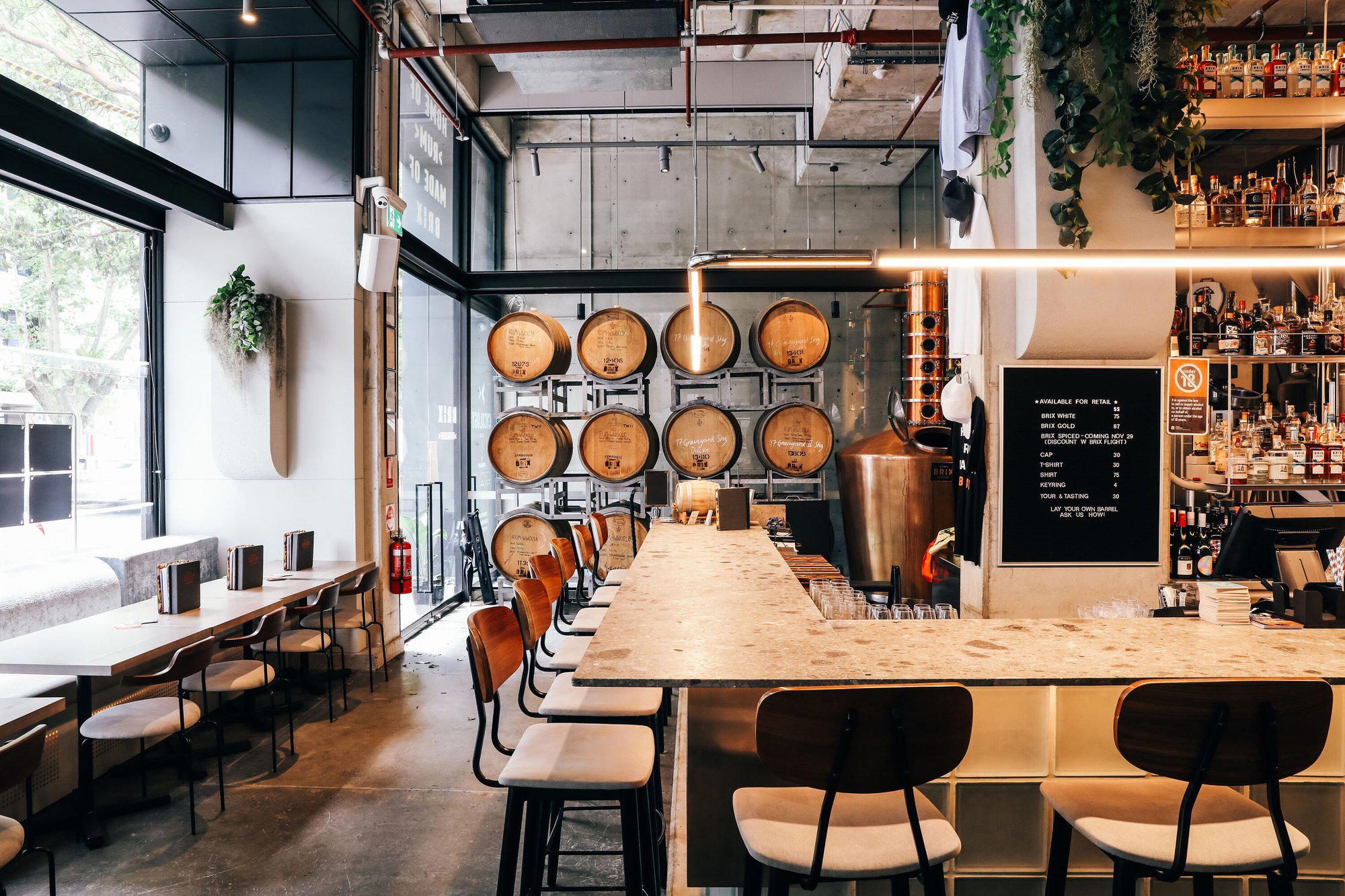
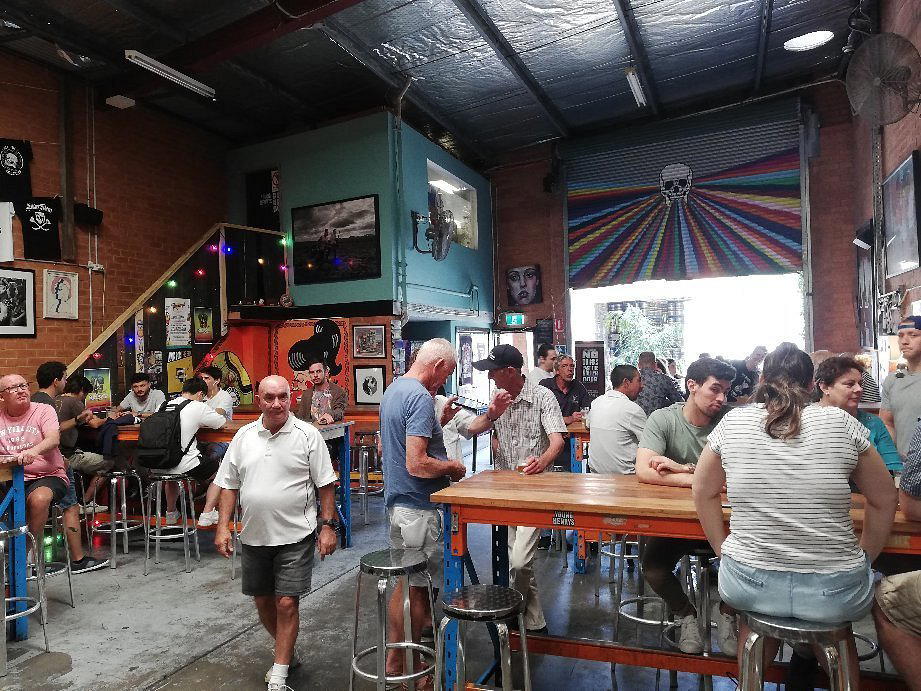
Cozy loft atmosphere with smooth jazz and energetic BBQ grilling.
Know Before You Go
- Getting there
- 1 Hosking Pl, Sydney NSW 2000, Australia