
Yakiniku Horumon Odoru sits in Kyobashi’s compact, grill-led dining circuit, where offal and beef cuts matter as much as brand-name luxury. Its 2025 Tabelog 100 Yakiniku WEST selection, small-room format, and horumon focus place it in Osaka’s more serious yakiniku tier rather than the casual barbecue category.
Pearl is the En Primeur Club membership app — saves, bookings, and concierge access live there. Same editors, same standards.
- Address
- 大阪府大阪市都島区片町2-5-7 ロッソ京橋 2F
- Phone
- +81664674333
- Website
- tabelog.com
 Saves & bookings on Pearl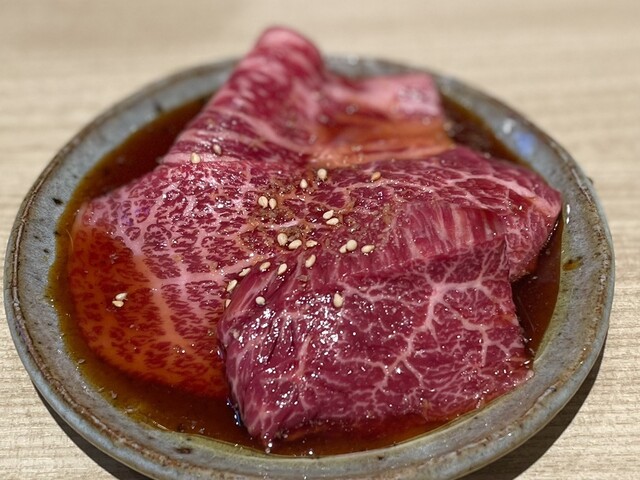
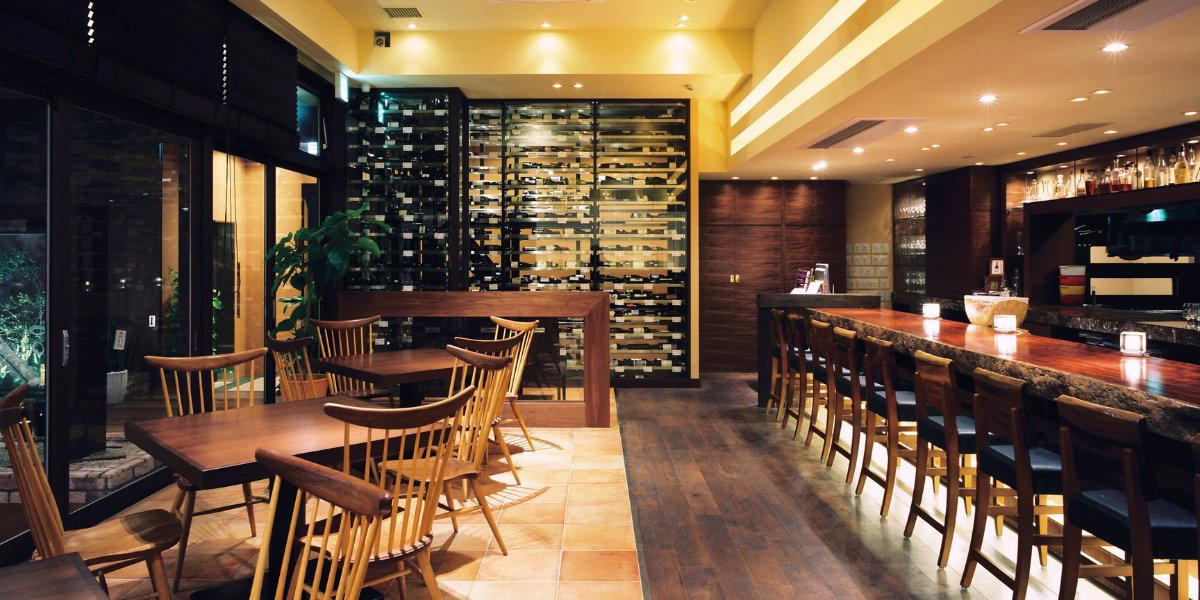
The first signal is scale: a compact second-floor room in Kyobashi, built around counter heat, table grills, and the close rhythm of meat moving from kitchen to flame. Osaka has always been comfortable with food that is direct, smoky, and social, but yakiniku asks for a sharper kind of attention. The pleasure is not only beef; it is cut, fat, timing, and the confidence to treat offal as a main event rather than a supporting act.
That is where Yakiniku Horumon Odoru belongs in the city’s dining conversation. Its 2025 selection for Tabelog 100 Yakiniku WEST gives it a clear marker in a category where local regulars often judge more ruthlessly than tourists. The price tier sits above everyday grill shops and below luxury wagyu temples, a useful middle band for diners who care about sourcing, portioning, and grill control without turning dinner into ceremony.
Kyobashi grill culture rewards cuts, not theatre
Kyobashi’s strength is density. The area around the station runs on after-work eating, quick decisions, and small venues that earn repeat custom through consistency rather than spectacle. Yakiniku fits that ecology because the format is democratic on the surface and demanding underneath. A table can order familiar lean cuts, but the room’s real credibility is tested through horumon: intestine, stomach, and other secondary cuts that need precise cleaning, seasoning, and heat management.
In Kansai, offal cooking carries different weight from the steakhouse idea of beef. The value is not softness alone. Texture matters: spring, chew, crisped edges, and the way fat renders over direct heat. Ingredient sourcing becomes visible because these cuts give less room for disguise. Poor handling shows quickly; careful sourcing and prep turn inexpensive anatomy into the reason to choose one grill room over another.
Within Osaka’s broader eating map, this puts the venue closer to specialist counters than casual meat chains. Kyoshoran Honten occupies a similar spend band in Osaka, which makes it a useful price reference, while Izakaya Toyo and Washington Shokudo show how much of the city still runs on lower-cost, high-turnover formats. Oku, with its unagi focus, sits in a separate tradition of grill craft, but the comparison is instructive: both categories depend on ingredient handling before flame ever enters the picture.
Horumon makes sourcing legible
Premium beef branding can flatten a meal into labels. Horumon does the opposite. It forces attention back to freshness, trimming, marinade discipline, and the ability to serve cuts that retain character rather than becoming anonymous sweetness. In a city that prizes takoyaki, kushikatsu, udon, sushi, and kappo with equal seriousness, this kind of yakiniku appeals because it is technical without asking diners to sit still through a tasting-menu script.
Yakiniku Horumon Odoru’s recognition matters because Tabelog’s Hyakumeiten lists are category-specific. Selection in the Yakiniku WEST group places it among venues judged inside the beef-grill category rather than across all restaurants. That distinction is useful for travelers: a general restaurant accolade can reward ambience, service, or breadth, while a yakiniku-specific nod points more directly to meat quality, grilling format, and local demand.
The small-seat format also changes the meal. Compact yakiniku rooms tend to make ordering more deliberate: fewer distractions, quicker grill turnover, and less distance between diners and staff. For horumon, that intimacy has practical consequences. Cuts arrive in a sequence that can be managed at the grill, and the table has to pay attention. This is not passive dining; it is a shared task where the reward comes from getting heat and timing right.
For a wider Osaka itinerary, the contrast is part of the point. A morning pastry run at 52CHO-ME BAKERY, a casual stop at 551 Horai (551蓬莱), or coffee at .cafe shows the city’s easygoing side. Dinner here shifts the lens to ingredient selection and grill discipline. For Italian and pizza counterpoints, a canto (Italian) and 99 Pizza Napoletana Gourmet belong to a different Osaka appetite: imported technique filtered through local demand.
How to place it in an Osaka night
This is a sharper choice for diners who want yakiniku as the main event, not a backup dinner near the station. The case for going is strongest when the table is comfortable ordering beyond safe lean cuts and treating horumon as central. Diners looking for long-course quiet, chef biography, or luxury staging will find Osaka has other formats for that. Here, the intelligence sits in procurement, prep, and the grill’s immediate feedback.
Travelers building a broader city plan should use it as one Kyobashi anchor rather than try to make it represent all Osaka dining. The full spread is wider: Our full Osaka restaurants guide covers the restaurant field, while Our full Osaka hotels guide, Our full Osaka bars guide, Our full Osaka wineries guide, and Our full Osaka experiences guide help place dinner inside the larger trip.
For readers comparing Japanese dining beyond Osaka, the useful thread is specialization. Beef-focused meals such as -Grilled beef Sukiyaki- KAMAKURA TANUKIAN 鎌倉 たぬき庵 in Kamakura sit in a different tradition of sweetness and simmering;. 鮪と炭火焼き うお炭 秋葉原店 in Tokyo puts charcoal beside seafood;.know in Kumamoto, (Shoku) Vietnam in Kawasaki, [Curry Senmon Ten] Maruyama Kyoju. in Sapporo, and [ki:] in Kyoto show how narrow formats can carry a whole meal. Across the Pacific, Jōdo Saké Bar in Los Angeles and Onigiri Time in Pasadena reflect the same lesson in diaspora form: when sourcing and format are tight, a small menu can say more than a sprawling one.
Price Lens
Comparable venues at the same tier.
| Venue | Cuisine | Price | Notes |
|---|---|---|---|
| Yakiniku Horumon OdoruThis venue — the venue you are viewing | Miyakojima, Japanese Yakiniku & Horumon | $$$ | Not listed |
| Takuya | Kita, Modern tonkatsu & pork dishes | $$$ | Not listed |
| epais | Kita, Premium Tonkatsu & Curry | $$$ | Not listed |
| Yakiniku Kappa Kajioka | Not listed | $$$ | Toyonaka, Traditional Yakiniku (Japanese BBQ) |
| Kitashinchi Tentomi | Kita, Seasonal Tempura Omakase | $$$ | Not listed |
| Kiyo Suke | Chūō, Traditional Sukiyaki & Shabu-shabu | $$$ | Not listed |
Recognition history
Dated appearances from independent guides and award organizations, with the underlying list record or original source where available.
Tabelog 100 #57 · No. 57
Tabelog · Tabelog 100 - Yakiniku - WEST - 2025
Continue exploring
More in Osaka
Restaurants in Osaka
Browse all →




Bars in Osaka
Browse all →

Hotels in Osaka
Browse all →




Wineries in Osaka
Browse all →
At a Glance
- Lively
- Intimate
- Cozy
- Family
- Casual Hangout
- After Work
- Standalone
Small, high-demand neighborhood yakiniku restaurant with an intimate 14-seat layout and a lively, casual atmosphere centered on grilled beef and horumon.