
Tabelog 100 #93
Our verdict
Yadorigi brings Nagoya’s sushi conversation north of the station-core dining circuit, in Ozone-Kita-ku rather than the city’s usual hotel and central-ward addresses. Its Tabelog Sushi EAST 100 selection for 2025, compact counter-and-table format, sake focus, and fish-led identity place it in the serious local sushi tier without the ceremonial stiffness of a destination-only counter.

Pearl is the En Primeur Club membership app, where members save venues, book tables and use the concierge.
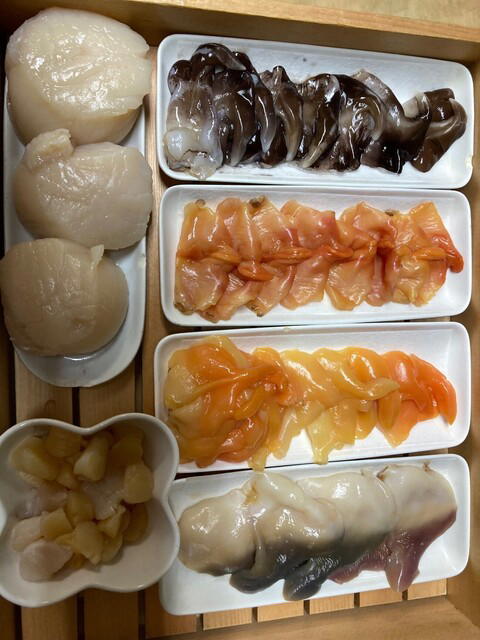
The menu
What to order
- Seasonal shellfish sushi
- Mackerel (saba) nigiri
- Kohada nigiri
- Horse mackerel (aji) nigiri
- Eel sushi
Approaching sushi in Nagoya means reading the city by local dining patterns, not trophy address. The city has business dinners, polished Japanese counters, and quieter restaurants built on repeat confidence rather than spectacle. Yadorigi fits: a seafood-led Nagoya restaurant where the meal matters more than the entrance.
Nagoya is not Tokyo. Sushi here sits in a different economy of expectation: fewer international pilgrims, more local regulars, and a clearer divide between ceremonial counters and restaurants that welcome everyday use without losing seriousness. Recognition in Tabelog Hyakumeiten in 2025 gives Yadorigi a public credential in a category shaped by exacting regional comparison. On the ground, the stronger signal is its place in the city’s sushi conversation rather than any claim of theatrical rarity.
Nagoya sushi with a counter rhythm, not destination-dining theatre
Nagoya frames the meal differently from Japan’s most internationally mapped sushi circuits, where dining can become itinerary architecture: formal reservations, layered courses, and an address as performance. In a local setting, stronger sushi rooms are judged by steadiness: fish handling, rice discipline, and whether the room can carry a serious meal without solemnity. Yadorigi belongs to this second category.
The cuisine spans sushi, Japanese cuisine, and seafood, which in Nagoya can mean broader meal grammar than nigiri alone. Its public recognition is useful in a city where sushi can lean austere or convivial. The serious detail is structural rather than signature-led: this is best read as a Nagoya sushi restaurant with enough recognition to draw attention beyond its immediate regulars.
Against Nagoya peers, the positioning is clear. Kojitsu sits in a Japanese-cuisine lane rather than a sushi-specific one. Myoan, LE PIGNON, Garden Restaurant Tokugawaen, and Tokugawa Cho Buta Fuku speak to different traditions or occasions within the city’s dining range. Yadorigi’s distinction is the sushi credential: its 2025 Tabelog Hyakumeiten recognition places it in a selection where category reputation and local diner approval matter more than luxury décor.
What the 2025 Tabelog Hyakumeiten signal means in Nagoya
Tabelog’s Hyakumeiten lists are not Michelin stars and should not be read as that hierarchy. Their value is different: they identify restaurants with enough category-specific reputation among Japanese diners to stand out in a crowded field. For sushi outside Tokyo’s international orbit, that matters. Nagoya has deep demand for Japanese cuisine, but its sushi scene gets less English-language attention than Japan’s most familiar sushi destinations. A Hyakumeiten selection separates a serious local counter from the large middle of competent restaurants that rarely travel beyond local word of mouth.
The attached score, 3.51, needs Japanese context. On Tabelog, ratings cluster tightly, and a mid-three score can signal meaningful traction, especially for smaller rooms and specialist categories. The category fit is more persuasive than spectacle: Yadorigi is listed for sushi, Japanese cuisine, and seafood, placing it squarely in the city’s fish-led dining conversation. This is not the usual international fantasy of sushi exclusivity; it is a Nagoya restaurant whose recognition comes through a domestic dining platform.
That balance is the editorial reason to pay attention. Serious sushi in Japan does not always announce itself through ascetic minimalism. In regional cities, revealing meals often happen where craft remains central but the restaurant still feels connected to regular life. Yadorigi’s listed dinner budget of JPY 15,000–JPY 19,999 and lunch budget of JPY 10,000–JPY 14,999 place it in a considered but not ultra-luxury band for Nagoya sushi.
How to place it in a Nagoya itinerary
For travellers using Nagoya as a cultural base rather than a transit stop, the city reshapes the evening. This is not a restaurant to treat only as a casual add-on between central stops; it makes more sense as a planned Nagoya meal. The detour is the point: dinner shifts into a less polished, more local register than the city’s most obvious visitor corridors.
Reservations, payment details, and opening patterns should be checked directly before going, as small Japanese specialist restaurants can change practical information quickly. These points are not glamorous, but they matter in Nagoya, where strong restaurants can sit outside the tourist grid and still run on tight local demand. The safer editorial read is to plan ahead and let the meal anchor the evening rather than treating it as an improvised stop.
Readers comparing broader Nagoya dining can use Our full Nagoya restaurants guide for the city’s restaurant spread, then branch into Our full Nagoya hotels guide, Our full Nagoya bars guide, Our full Nagoya wineries guide, and Our full Nagoya experiences guide to build the wider trip. Within the restaurant archive, compare the city’s range through other Nagoya dining rooms, from casual formats to more specialist counters. For wider Japan-and-beyond reading of casual and specialist formats, look to unnamed regional examples rather than using Yadorigi as a stand-in for the whole country’s sushi culture.
The critical read is simple: Yadorigi matters not because it flatters the traveller with rarity, but because it shows Nagoya sushi outside the most obvious dining corridors: compact in feel, seafood-led, and grounded in Japanese cuisine. The 2025 Tabelog Hyakumeiten recognition supplies external proof; the Nagoya setting explains why the meal carries a different charge from a central luxury counter.
Frequently asked questions
What part of town is Yadorigi in?
Yadorigi is located in Nagoya.
What price level is Yadorigi?
Pricing at Yadorigi is listed as Dinner: JPY 15,000 - JPY 19,999; Lunch: JPY 10,000 - JPY 14,999.
Is Yadorigi reservation-only?
Check directly with Yadorigi before visiting. The confirmed public profile here identifies it as a Nagoya restaurant in the sushi, Japanese cuisine, and seafood categories.
What has Yadorigi built its reputation on?
Yadorigi received Tabelog Hyakumeiten recognition in 2025, which is the clearest external signal here. Its listed categories are sushi, Japanese cuisine, and seafood, with pricing at JPY 15,000–JPY 19,999 for dinner and JPY 10,000–JPY 14,999 for lunch.
At a Glance
Comparable venues by cuisine and price in the same metro.
| Venue | Cuisine | Price | Awards | Notes |
|---|---|---|---|---|
| YadorigiThis venue (the venue you are viewing) | Casual Edomae Sushi Counter | $100–150 | Tabelog 100 #93 | Not listed |
| Kojitsu | Seasonal Kaiseki | $100–150 | Tabelog Bronze #196 | Japanese Cuisine, JPY 20,000 - JPY 29,999 JPY 10,000 - JPY 14,999 |
| Myoan | Seasonal Japanese Kappo / Kaiseki | $200–300 | Tabelog 100 #80 | JPY 30,000 - JPY 39,999 |
| LE PIGNON | Seasonal French fine dining in a traditional Japanese courtyard house | $100–150 | Tabelog 100 #23 | JPY 15,000 - JPY 19,999 JPY 8,000 - JPY 9,999 |
| Tokugawa Cho Buta Fuku | Traditional Tonkatsu (Pork Cutlet) | $20–30 | Tabelog 100 #7 | JPY 3,000 - JPY 3,999 JPY 2,000 - JPY 2,999 |
| Garden Restaurant Tokugawaen | Japanese-French Fine Dining in a Historic Garden | $100–150 | Tabelog 100 #48 | JPY 15,000 - JPY 19,999 JPY 8,000 - JPY 9,999 |
Recognition history
Dated appearances from independent guides and award organizations, with the underlying list record or original source where available.
Tabelog 100 #93 · No. 93
Tabelog · Tabelog 100 - Sushi - EAST - 2025
Continue exploring
More in Nagoya
Restaurants in Nagoya
All restaurants in Nagoya →




Details
- Cozy
- Intimate
- Classic
- Solo
- Family
- Date Night
- Group Dining
- Celebration
- Casual Hangout
- Special Occasion
- Chefs Counter
- Standalone
- Sake Program
- Byob
- Sustainable Seafood
- Omakase
- Counter Dining
- Set Menu
- Sake
- Shochu
- Beer
- Pescatarian Friendly
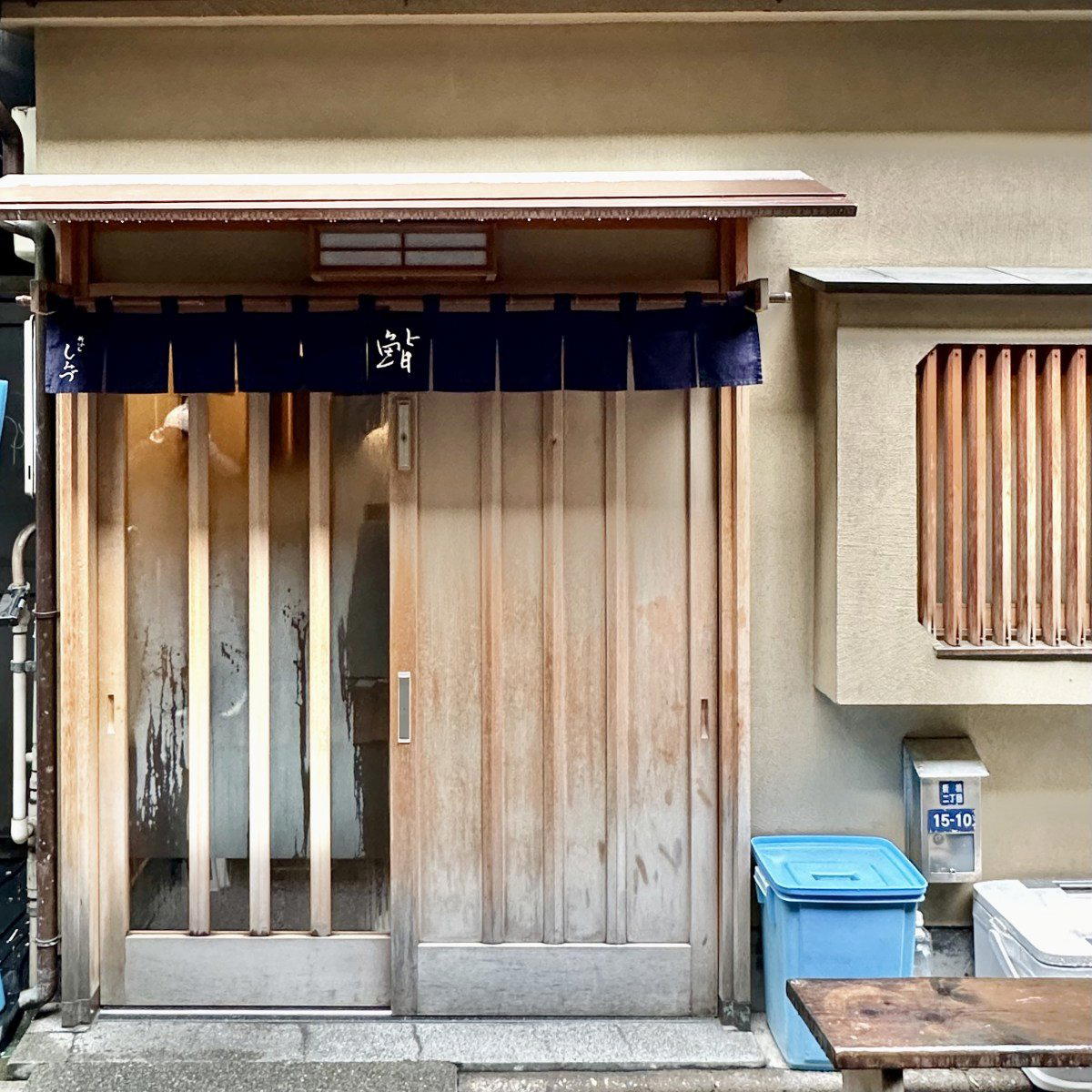
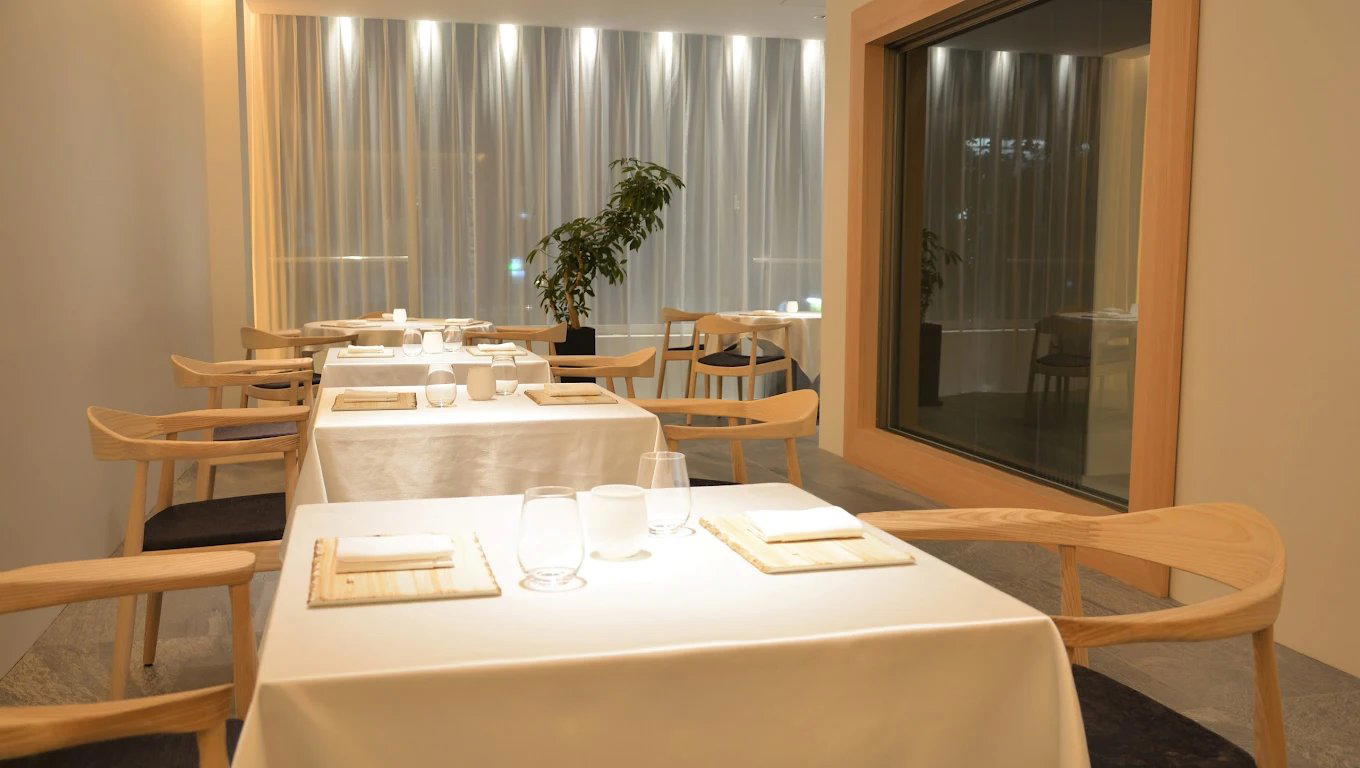
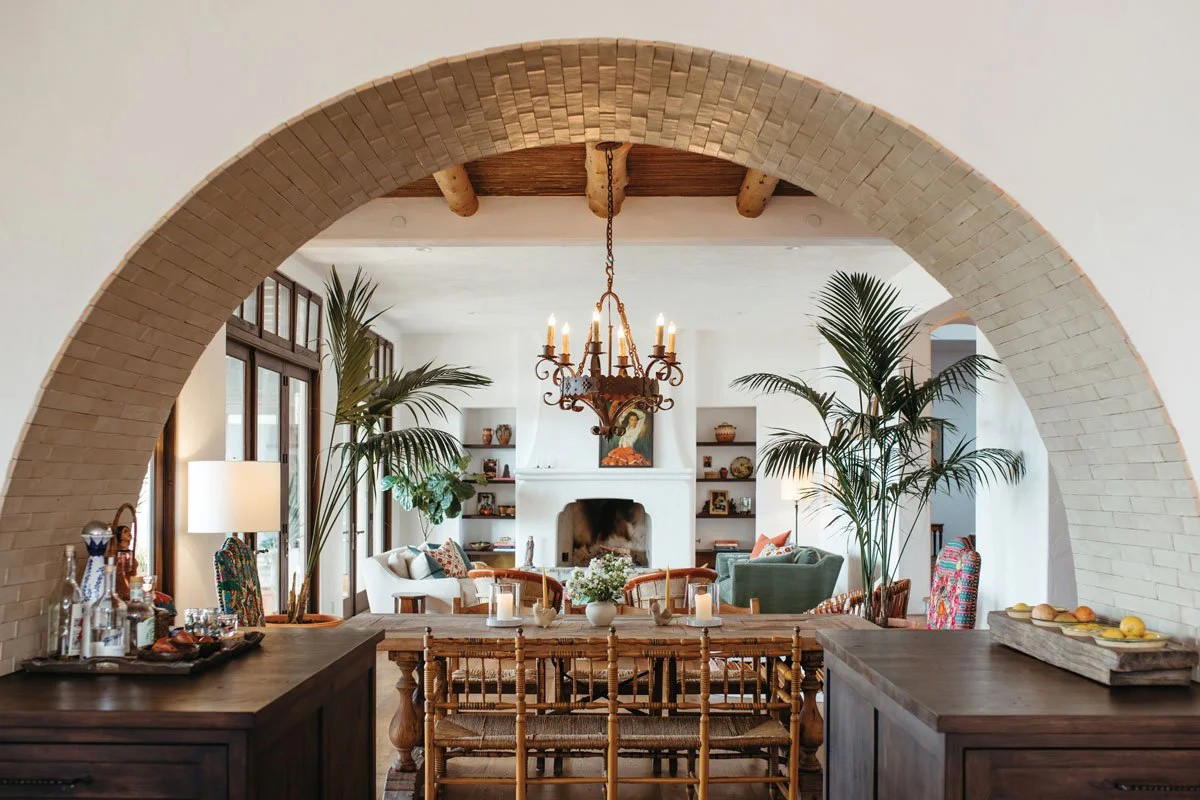
A small, non‑smoking sushi shop with 7 counter seats and 2 tables, relaxed and unpretentious, where guests interact closely with a friendly chef in a cozy, hideout-like atmosphere suitable for solo diners, couples, and families.