Matador
Matador occupies a corner of San Francisco's Tenderloin-adjacent Sutter Street corridor, where the city's bar scene skews local and unpretentious rather than destination-driven. The room draws a loyal crowd that returns for consistency rather than spectacle, placing it in a different register from the $$$$ tasting-menu venues that define the city's fine-dining tier. For visitors calibrating against San Francisco's broader hospitality range, Matador reads as a neighborhood fixture with repeat-customer credibility.
Pearl is the En Primeur Club membership app — saves, bookings, and concierge access live there. Same editors, same standards.
- Address
- 679 Sutter St, San Francisco, CA 94102
- Phone
- +14154309613
- Website
- matadorsf.com
- Directions
- Get directions
 Saves & bookings on Pearl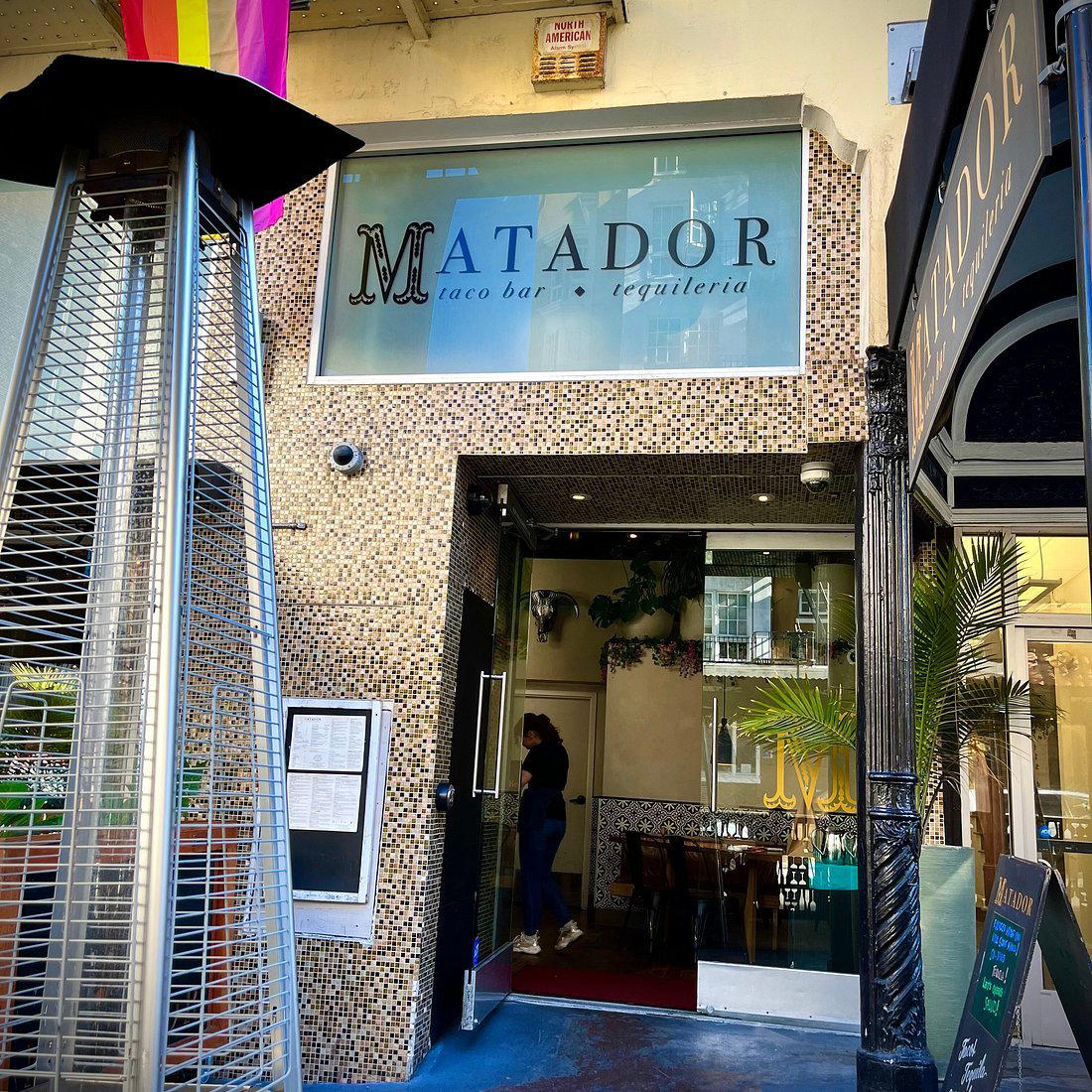
What the Regulars Know That First-Timers Don't
San Francisco's drinking culture has always operated on two tracks. One is the destination bar, engineered for recognition and optimized for first visits. The other is the neighborhood anchor, where the crowd is familiar, the bartenders remember orders, and the value of the place is inseparable from its regularity. Matador is an Authentic Mexican restaurant at 679 Sutter St, San Francisco, CA 94102. Matador, at 679 Sutter Street, belongs to the second category. The address sits in a stretch of the city that doesn't generate much editorial traffic, which is precisely why its repeat clientele value it. When the high-profile tasting-room circuit, venues like Lazy Bear, Atelier Crenn, and Benu, demands months of planning and four-figure spend, there is obvious appeal in a place that is easy to drop into.
Sutter Street in this block sits at the edge of the Tenderloin, a neighborhood that has historically been underrepresented in food and drink coverage despite supporting a dense, working population of residents and hotel guests. That positioning shapes the clientele. Regulars here aren't chasing a chef's tasting progression or a seasonal cocktail list refresh. They're after something more durable: a room that behaves the same way on a Tuesday as it does on a Friday, with staff who treat repeat visits as a relationship rather than a transaction.
A Room Built for Return Visits
The physical environment on Sutter Street in this part of San Francisco is low-key by design rather than by accident. The corridor doesn't have the foot traffic of Union Square two blocks south, nor the cultivated cool of the Mission or Hayes Valley. What it has is accessibility, BART and Muni lines within walking distance, a cluster of mid-tier hotels that feed a steady stream of guests who want something that isn't a hotel bar, and a residential density that keeps weeknight trade alive. That combination tends to produce bars and restaurants with genuine staying power, because they're not dependent on weekend tourism to survive.
For the loyalists who make Matador a regular stop, that stability is the product. San Francisco's hospitality scene experiences significant churn: concepts open, generate buzz, and close within eighteen months at a pace that frustrates anyone trying to build a regular routine. Venues that hold their position on a given block for multiple years earn a different kind of trust from their clientele. The commitment isn't to a menu or a format but to the fact of the place being there. This is a dynamic visible across American bar culture, from the durable neighborhood taverns of Chicago's North Side to the anchor cocktail bars in New Orleans' Marigny, and it plays out the same way in San Francisco's denser residential corridors.
Where Matador Sits in San Francisco's Broader Bar Tier
San Francisco's drinking scene in 2024 occupies a wide range. At the leading, there are hotel bars attached to luxury properties and the cocktail programs that support multi-course tasting menus at places like Quince and Saison. Below that, a middle tier of craft cocktail bars with recognizable programs and editorial profiles. Further down, the neighborhood bar, no awards, no Eater write-up, but consistent trade and a clientele that returns without prompting.
Matador operates in that lower-middle to neighborhood tier. It doesn't carry the Michelin or 50 Best credentials that define the competitive set for venues like The French Laundry in Napa, Single Thread Farm in Healdsburg, or Providence in Los Angeles. That absence simply defines a different kind of value. The regulars at a place like Matador aren't comparing it to Le Bernardin in New York City or Alinea in Chicago. They're comparing it to the question of whether they feel like going out at all, and the answer keeps coming back yes.
That loyalty metric is, in its own way, a form of recognition. It doesn't generate a star or a trophy, but it sustains a business through the economic pressures that have shuttered higher-profile operations. The bars and restaurants that survive in San Francisco's Sutter-Geary corridor tend to have earned that survival through a combination of price accessibility, operational consistency, and the kind of low-friction hospitality that doesn't require a reservation three weeks in advance.
The Unwritten Menu
In bar culture, the unwritten menu is what regulars order that doesn't appear on any list. It's the drink a bartender remembers from three visits ago, the off-menu ask that gets fulfilled because the staff knows the customer. This dynamic is more common in neighborhood venues than in destination programs, where the menu is the product and deviation from it is managed carefully. At venues without the editorial pressure of a Blue Hill at Stone Barns or an Atomix in New York City, the latitude for that kind of customization is wider.
For a first-time visitor to Matador, the practical implication is direct: the experience will be shaped more by how you engage with the room than by any particular menu engineering. Order what reads well on the list, talk to the bar staff if the room allows it, and calibrate expectations to neighborhood bar rather than cocktail destination. The regulars who keep returning have already worked through that calibration and found the venue worthwhile on its own terms.
San Francisco rewards this kind of flexibility. The city's dining infrastructure, from the farm-to-table rigor of venues comparable to Addison in San Diego down to the street-level taqueria, is built on a spectrum of value propositions. The Sutter Street corridor contributes to that spectrum at the accessible, habitual end. For visitors who have already planned a high-investment meal elsewhere in the city, Matador serves a different function: the before-drinks stop, the after-dinner wind-down, the place that doesn't require a plan.
Readers building a broader itinerary across American dining should consult our full San Francisco restaurants guide for context across price tiers and neighbourhoods, including venues like Bacchanalia in Atlanta, Emeril's in New Orleans, The Inn at Little Washington, and 8 1/2 Otto e Mezzo Bombana in Hong Kong for international comparison points.
Know Before You Go
- Address: 679 Sutter St, San Francisco, CA 94102
- Neighbourhood: Sutter Street corridor, adjacent to Union Square and the Tenderloin
- Price tier: $25 per person
- Reservations: Recommended
- Transit: Multiple MUNI lines within walking distance; accessible from Union Square BART
- Leading for: Pre- or post-dinner drinks; low-commitment local bar experience
The Essentials
Comparable venues nearby, for context on price, style, and recognition.
| Venue | Cuisine | Price | Notes |
|---|---|---|---|
| MatadorThis venue — the venue you are viewing | Nob Hill, Authentic Mexican | $$ | Not listed |
| Papalote | Mission, Mission-Style Mexican Burritos | $$ | Not listed |
| Tommy's Mexican Restaurant | Not listed | $$ | Outer Richmond, Traditional Yucatecan Mexican |
| Poc-Chuc | Mission, Authentic Yucatecan Mayan | $$ | Not listed |
| Yo También Cantina | Not listed | $$ | Inner Sunset, Farm-Fresh Mexican Counter-Serve |
| Gracias Madre | Mission, Plant-Based Mexican | $$$ | Not listed |
Continue exploring
More in San Francisco
Restaurants in San Francisco
Browse all →
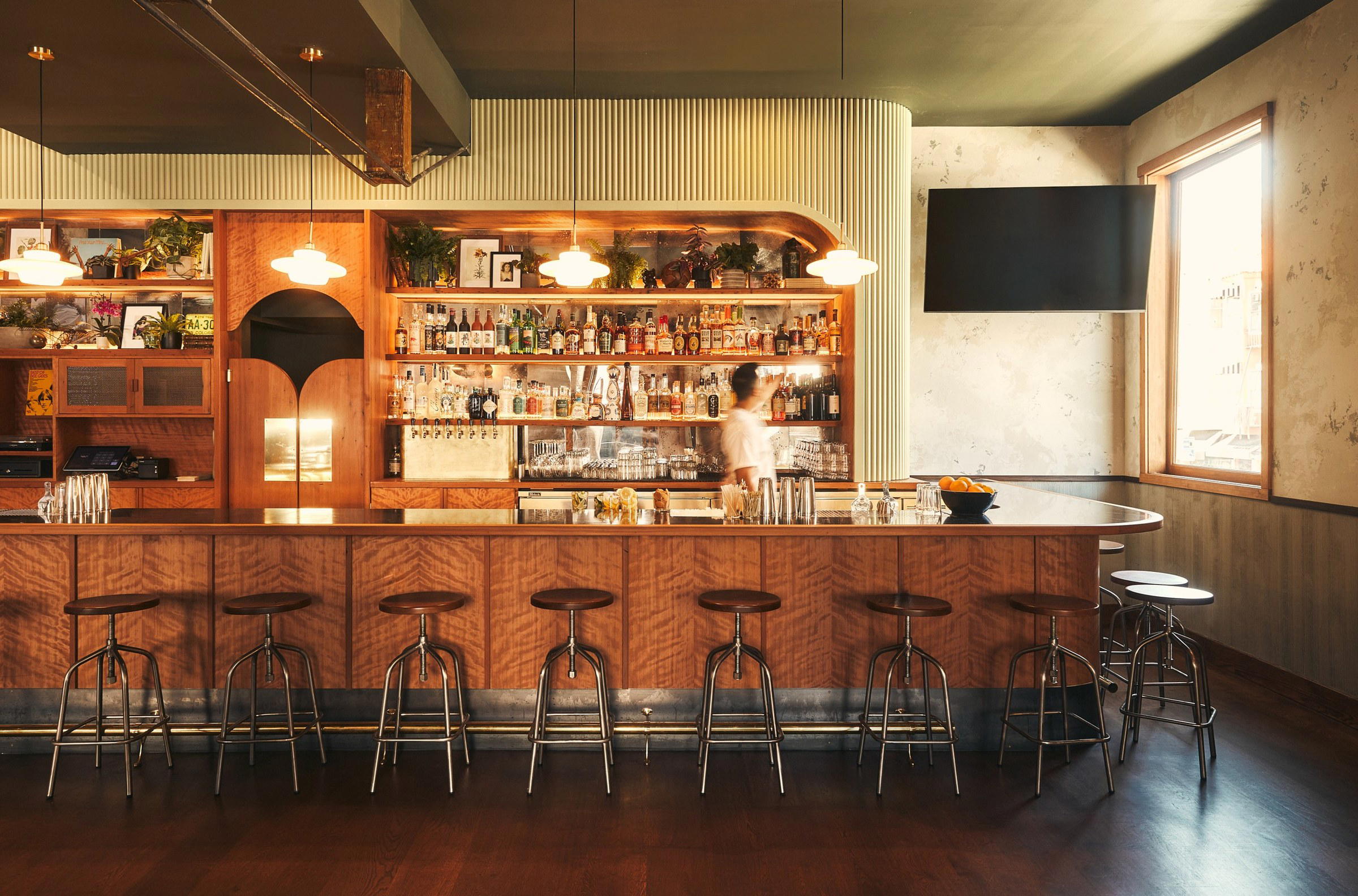
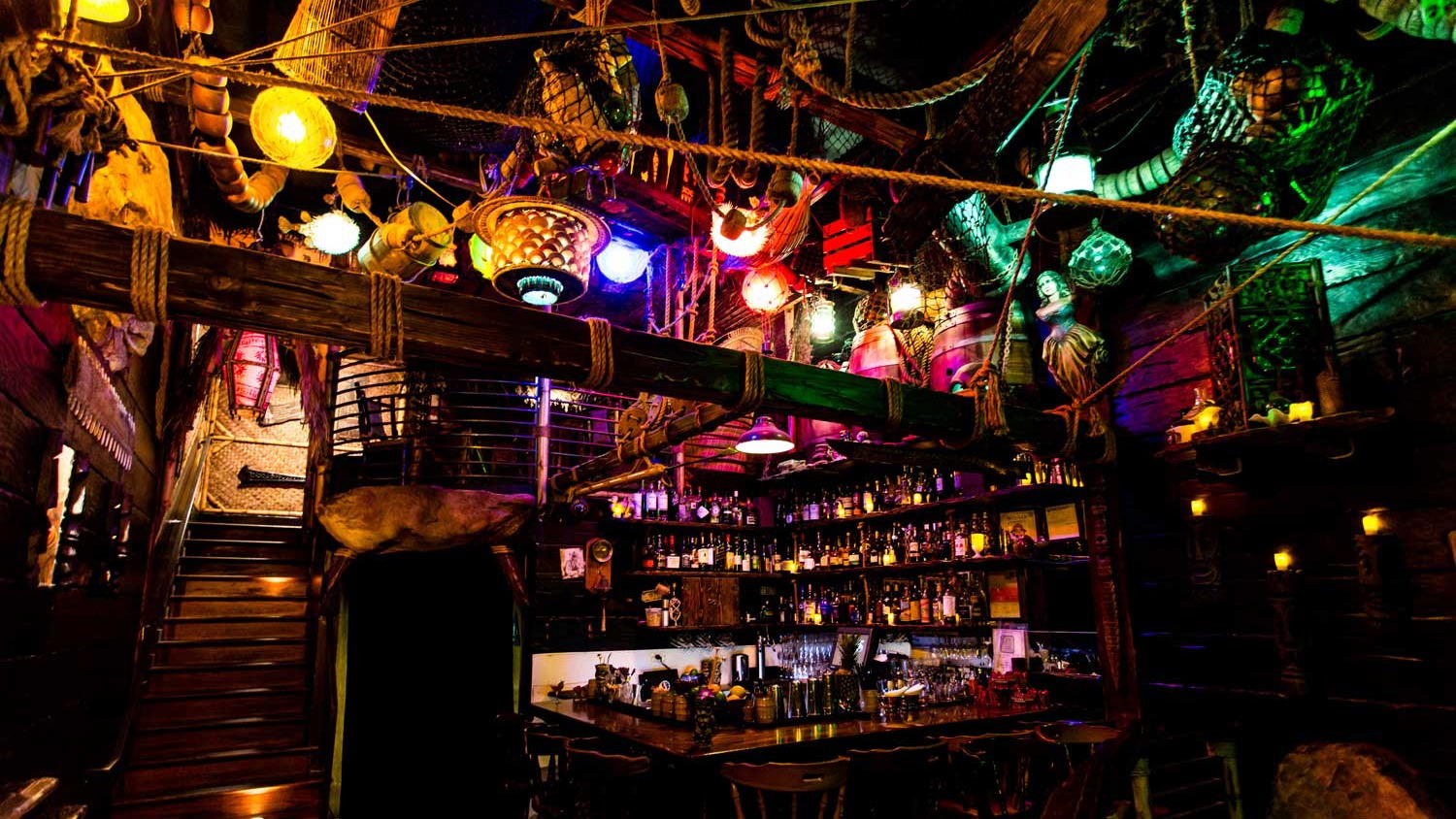
Bars in San Francisco
Browse all →
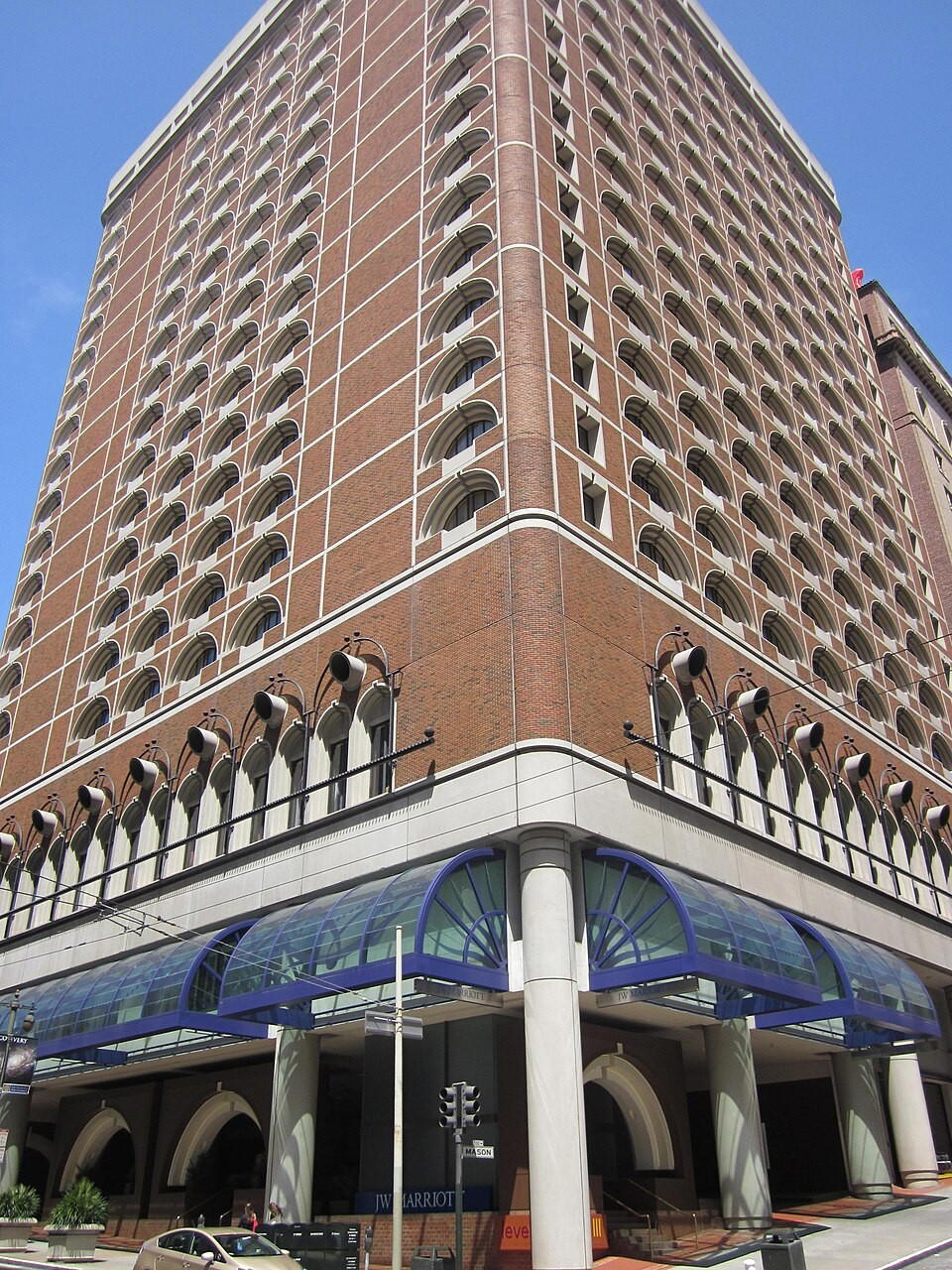
Hotels in San Francisco
Browse all →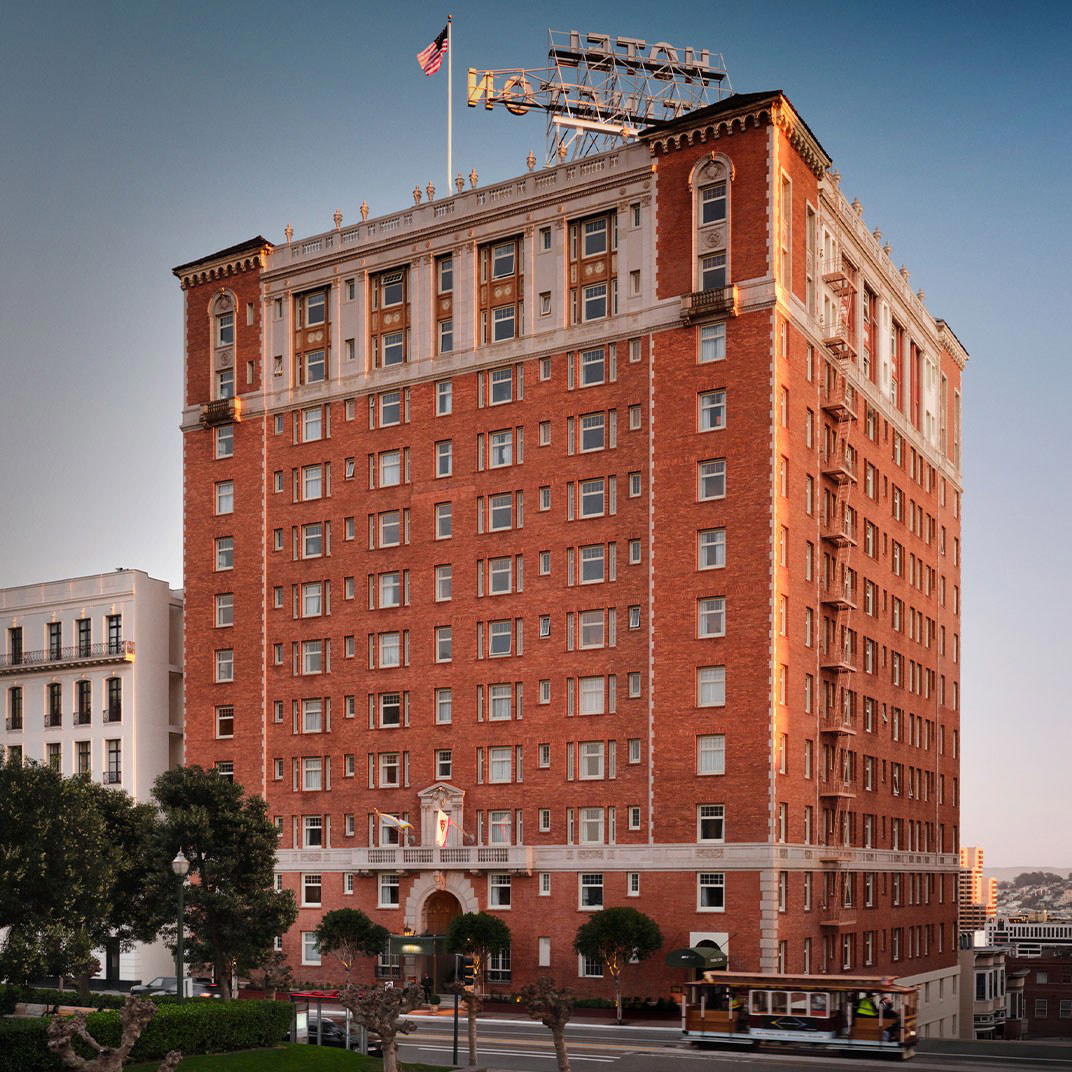
At a Glance
- Lively
- Trendy
- Casual Hangout
- Date Night
- Group Dining
- Open Kitchen
- Craft Cocktails
Current opening hours
- Monday
- 12–10 PM
- Tuesday
- 12–10 PM
- Wednesday
- 12–10 PM
- Thursday
- 12–10 PM
- Friday
- 12–11 PM
- Saturday
- 12–11 PM
- Sunday
- 12–10 PM
Hours can change for holidays and private events. Last verified .
Warm and inviting atmosphere with a lively, friendly vibe well-suited for casual meals.