
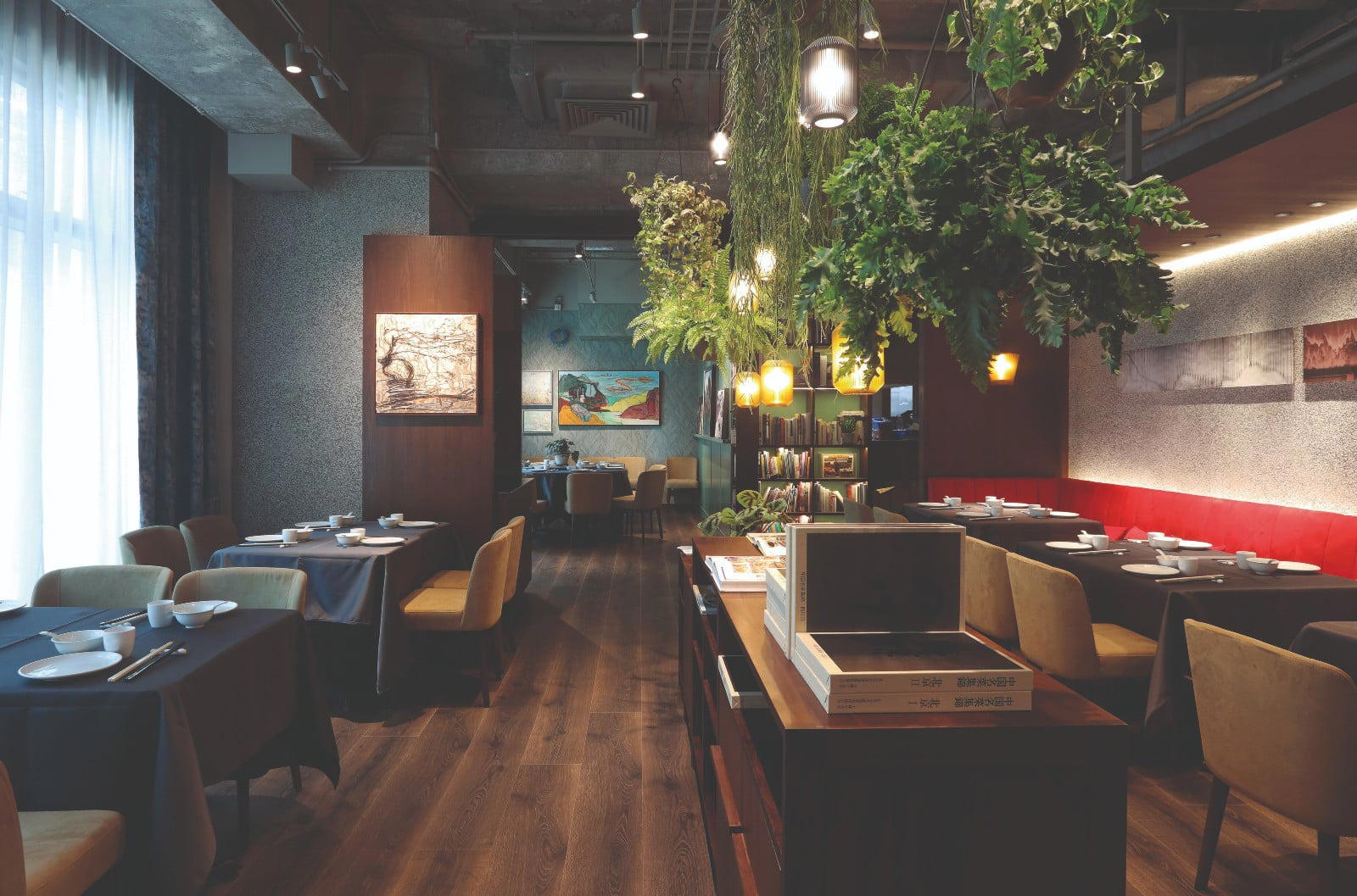
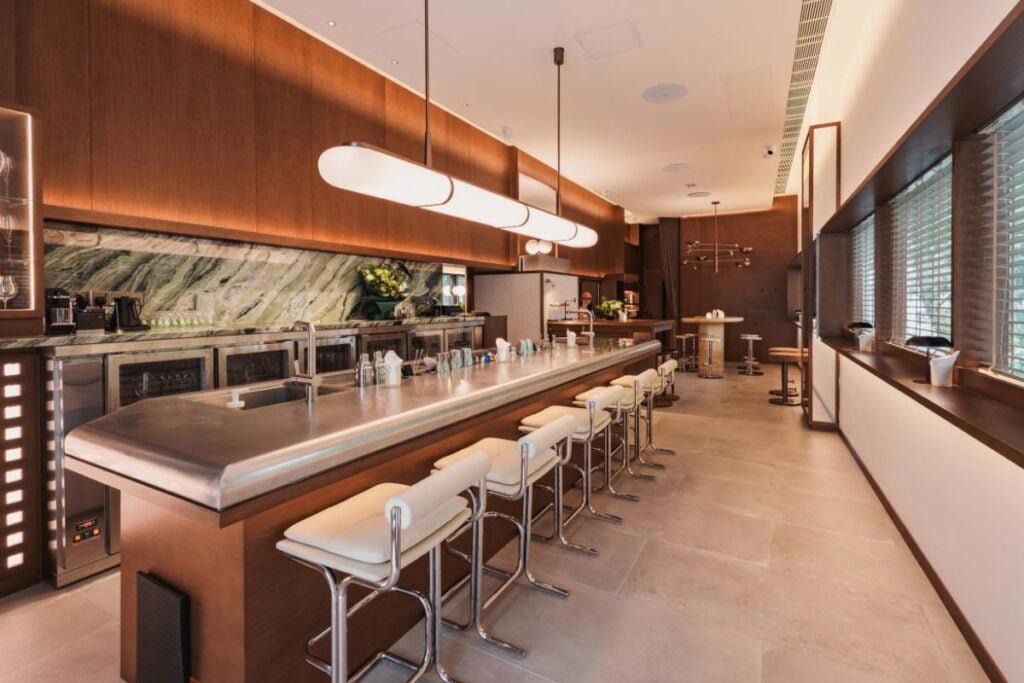
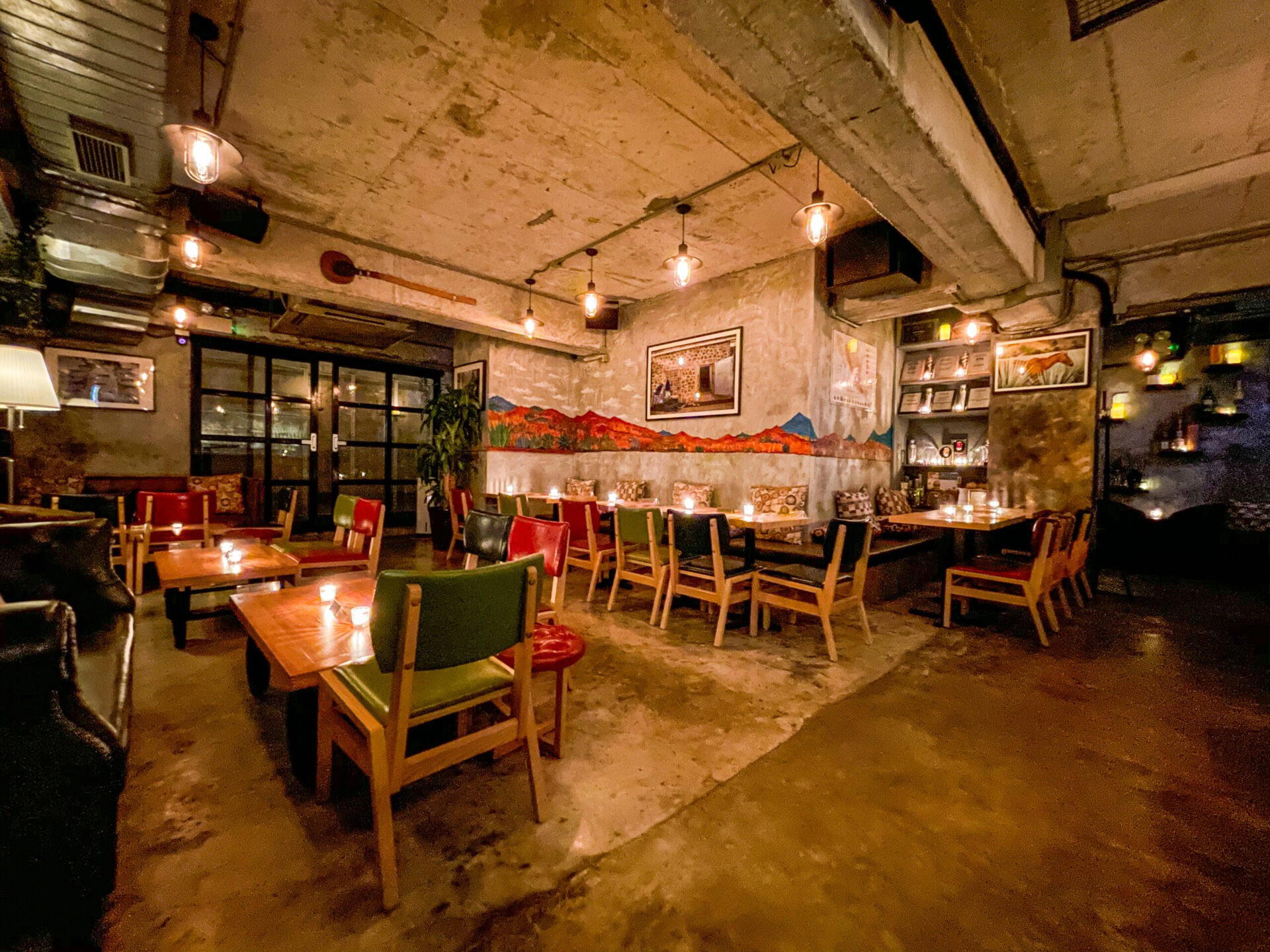
A bistro format brought to bear on Chinese regional cooking, Xiangjiao 湘椒 sits inside MixC World (万象天地), one of Shenzhen's most-frequented retail destinations. The relaxed atmosphere and approachable format make it a reference point for diners who want serious flavour without the formality of a tasting-menu room. Come ready to eat with intention.
Pearl is the En Primeur Club membership app — saves, bookings, and concierge access live there. Same editors, same standards.
- Address
- 深南大道9668号万象天地里巷L2层NL252号商铺, Shenzhen
- Directions
- Get directions
 Saves & bookings on Pearl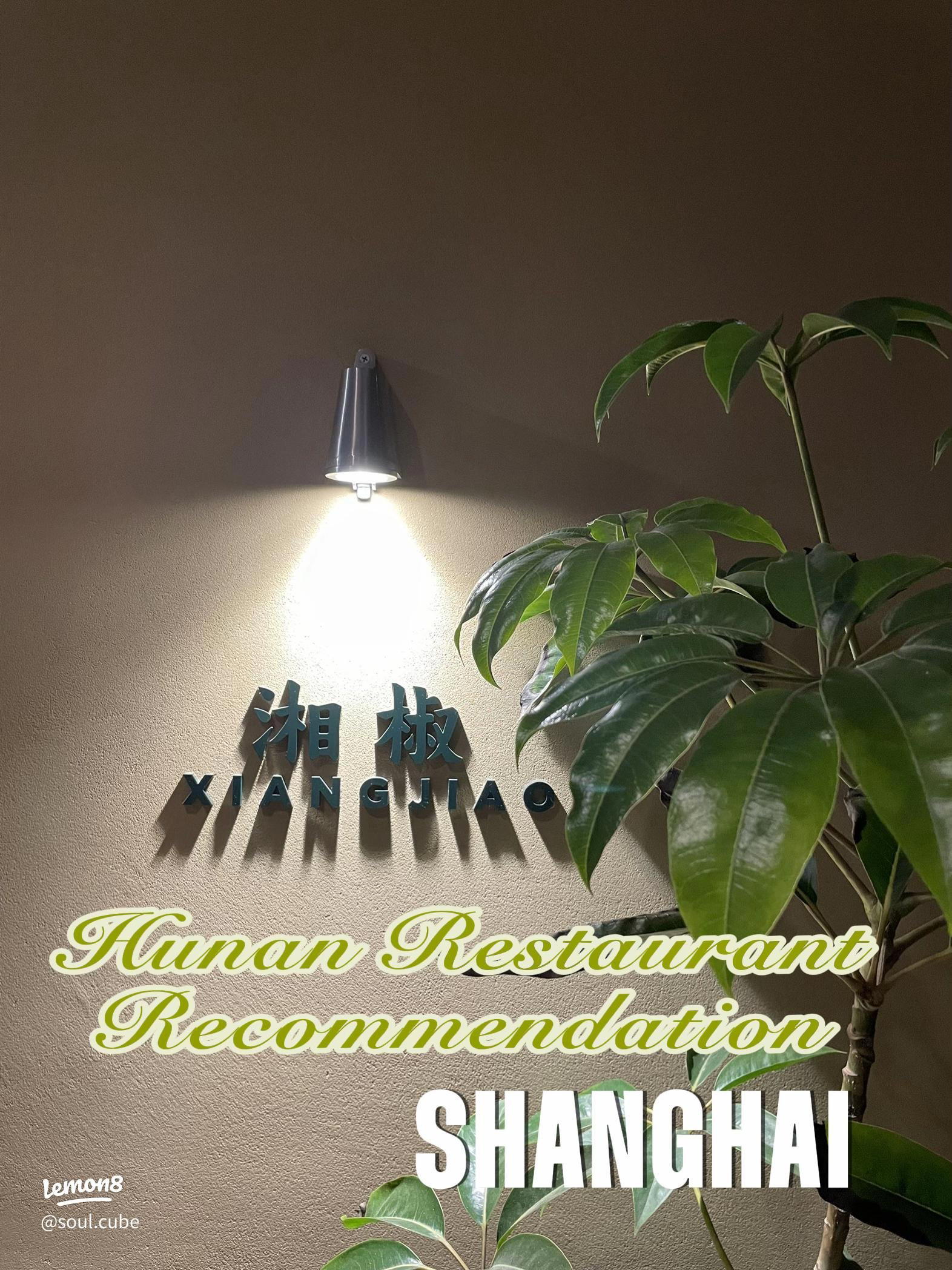
The Mall as Dining Destination: How Shenzhen Changed the Rules
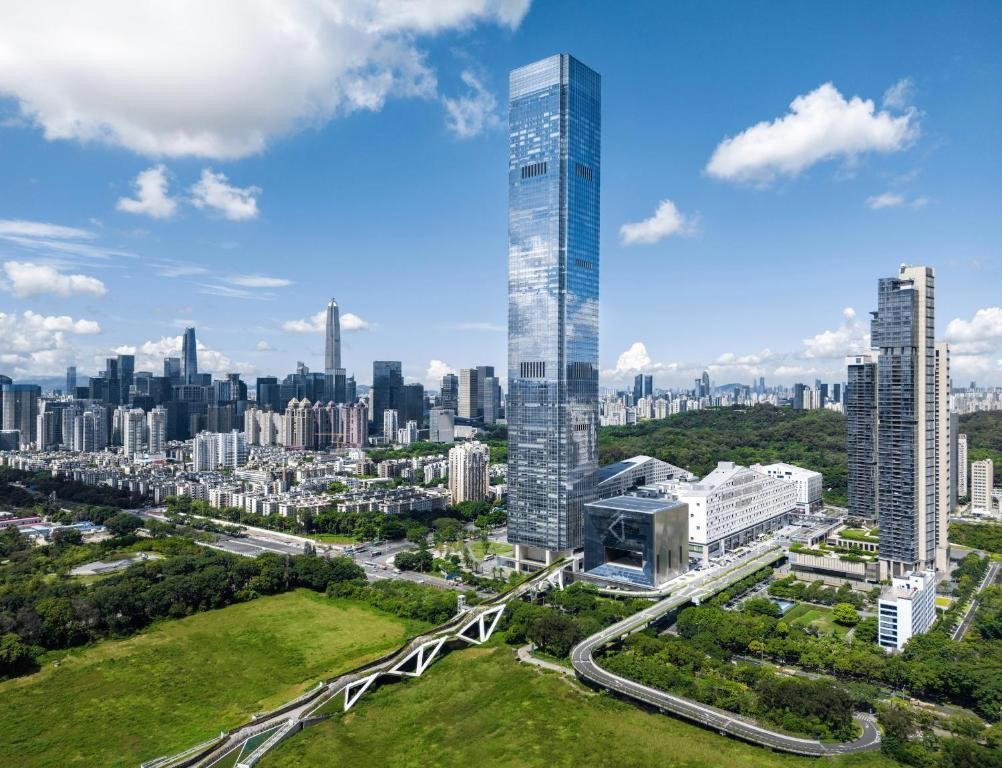
In most cities, a restaurant inside a shopping centre signals compromise. Shenzhen never quite accepted that logic. MixC World (万象天地), stretching along Shennan Avenue in the Nanshan district, has become one of the more consequential food-and-retail environments in southern China, drawing operators who treat the format seriously rather than treating the footfall as a substitute for quality. Xiangjiao 湘椒 occupies a shop unit on the L2 inner lane, address 深南大道9668号万象天地里巷L2层NL252号商铺, and positions itself as a bistro operating within Chinese culinary tradition rather than against it. The distinction matters: bistro here signals pacing and atmosphere, not cuisine origin.
For visitors accustomed to the formal register of Shenzhen's fine-dining rooms, the kind of experience you find at AVANT, Xiangjiao 湘椒 operates at a different frequency. The stakes are lower in price and formality; the cooking draws on regional Chinese tradition in a setting designed for lingering rather than ceremony.
The Ritual of the Chinese Bistro Meal
Chinese bistro dining in Shenzhen follows patterns that differ meaningfully from the shared-table banquet tradition and from the individual-course omakase model borrowed from Japanese fine dining. At a venue like Xiangjiao 湘椒, the rhythm is closer to the neighbourhood restaurant experience familiar across Hunan and the broader central-south region: dishes arrive in loose sequence, the table fills incrementally, and the meal is structured around the group rather than the individual diner's progression through courses.
This collective pacing is worth understanding before you sit down. Unlike the tasting-menu rooms, where timing is controlled and each course arrives on the kitchen's schedule, the bistro format here invites a different kind of attention. Ordering is participatory. The table builds its own arc through the meal, choosing between heat levels, textures, and cooking methods rather than surrendering that decision to a chef's pre-set sequence. For diners more accustomed to Western fine dining or Japanese omakase, this is an adjustment that rewards patience and benefits from some knowledge of how Chinese regional meals tend to be constructed.
Hunan cooking (湘菜), which the name signals, is one of China's Eight Great Cuisines and carries a distinct identity from the better-known Sichuan tradition with which outsiders frequently conflate it. Where Sichuan heat is primarily numbing (from the compound effect of málà spice), Hunan heat tends toward the direct and fresh, built on fresh chillies, dried chillies, and fermented black beans rather than Sichuan peppercorn. The cuisine also leans toward braising and steaming over wok frying, producing dishes that carry depth without requiring the high-heat theatrics associated with Cantonese cooking. Understanding that distinction is part of getting full value from a meal at a venue working in this tradition.
Context Inside Shenzhen's Casual Dining Tier
Shenzhen's mid-market Chinese dining scene has become increasingly interesting as the city's overall food culture has matured. A decade ago, the serious conversation about Chinese cuisine in the Pearl River Delta concentrated heavily in Guangzhou and Hong Kong; Shenzhen operated largely as an overflow city for those markets. That has shifted. Venues like CHI CHING CHIU CHOI and China Lodge represent a growing local confidence in Chinese cuisine across different registers, while the smoke-led format at Fumée shows how Shenzhen operators are willing to experiment with format and technique in ways that would have been unusual in the city five years ago.
The restaurant occupies the accessible tier of this local ecosystem. Its location inside MixC World places it in proximity to the city's densest concentration of young professionals and weekend diners, an audience that knows the difference between competent regional cooking and generic mall food, and expects the former. The bistro label is doing real work here: it signals that the environment is informal but that the kitchen is not treating its cuisine as background.
For comparison at other price points and registers across Chinese cities, the formal end of this tradition is visible at venues like Imperial Treasure Fine Chinese Cuisine in Guangzhou, while the tasting-menu approach to Chinese regional ingredients appears at Ru Yuan in Hangzhou. The bistro format that restaurant works within sits between these registers and serves a different kind of appetite: genuine regional cooking without the obligation of occasion dining.
Planning Your Visit
MixC World is accessible via Shenzhen Metro, making it one of the more direct destinations in the city for visitors staying in the central or western districts. The L2 inner-lane position means some navigation inside the mall is required; the lane configuration (里巷) is designed to feel like a pedestrianised street within the building, which helps orient visitors once they are on the correct floor.
Booking is recommended, and the price per person is about US$15. Given the venue's position inside a major shopping centre, walk-in capacity during peak weekend hours warrants a degree of caution. The broader MixC World dining environment gives the area some buffer, if the wait is significant, the surrounding venues absorb overflow, but arriving during off-peak hours on weekdays reduces that variable.
Travellers moving through the Pearl River Delta and broader southern China circuit will find useful reference points in venues like Xin Rong Ji on Xinyuan South Road in Beijing, 102 House in Shanghai, and Chef Tam's Seasons in Macau, all of which place Chinese regional cuisine in different price registers and formats. Xin Rong Ji in Chengdu provides a further reference for how regional Chinese cooking performs at the formal end of the spectrum.
Cuisine and Credentials
Comparable venues nearby, for context on price, style, and recognition.
| Venue | Cuisine | Price | Notes |
|---|---|---|---|
| Xiangjiao 湘椒This venue — the venue you are viewing | Hunan Bistro | $$ | Not listed |
| Wu Modern Chao | Modern Chaozhou Cuisine | $$$ | OCT Tower area |
| Rose Palace | Refined Chaoshan Cuisine | $$$ | Futian |
| Yun Jing Chinese Restaurant | Modern Cantonese | $$$ | Nanshan District |
| Xinrongji | Taizhou Cuisine | Not listed | Shenzhen |
| Shan Hai Zuo · Chinese Cuisine | Classic Cantonese Dim Sum | $$$ | OCT / Overseas Chinese Town |
Recognition history
Dated appearances from independent guides and award organizations, with the underlying list record or original source where available.
Star Wine List
Star Wine List
Continue exploring
More in Shenzhen
Restaurants in Shenzhen
Browse all →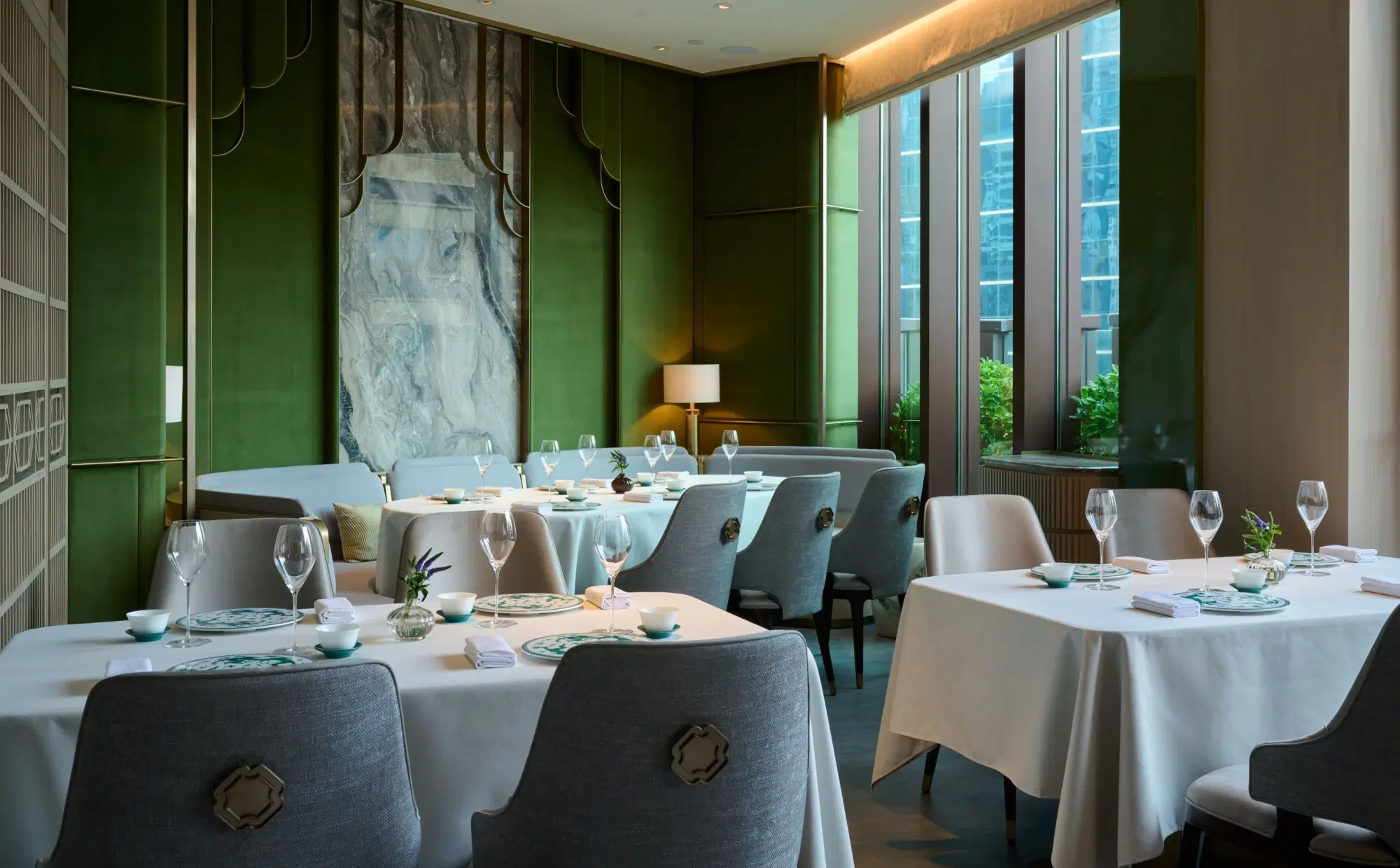
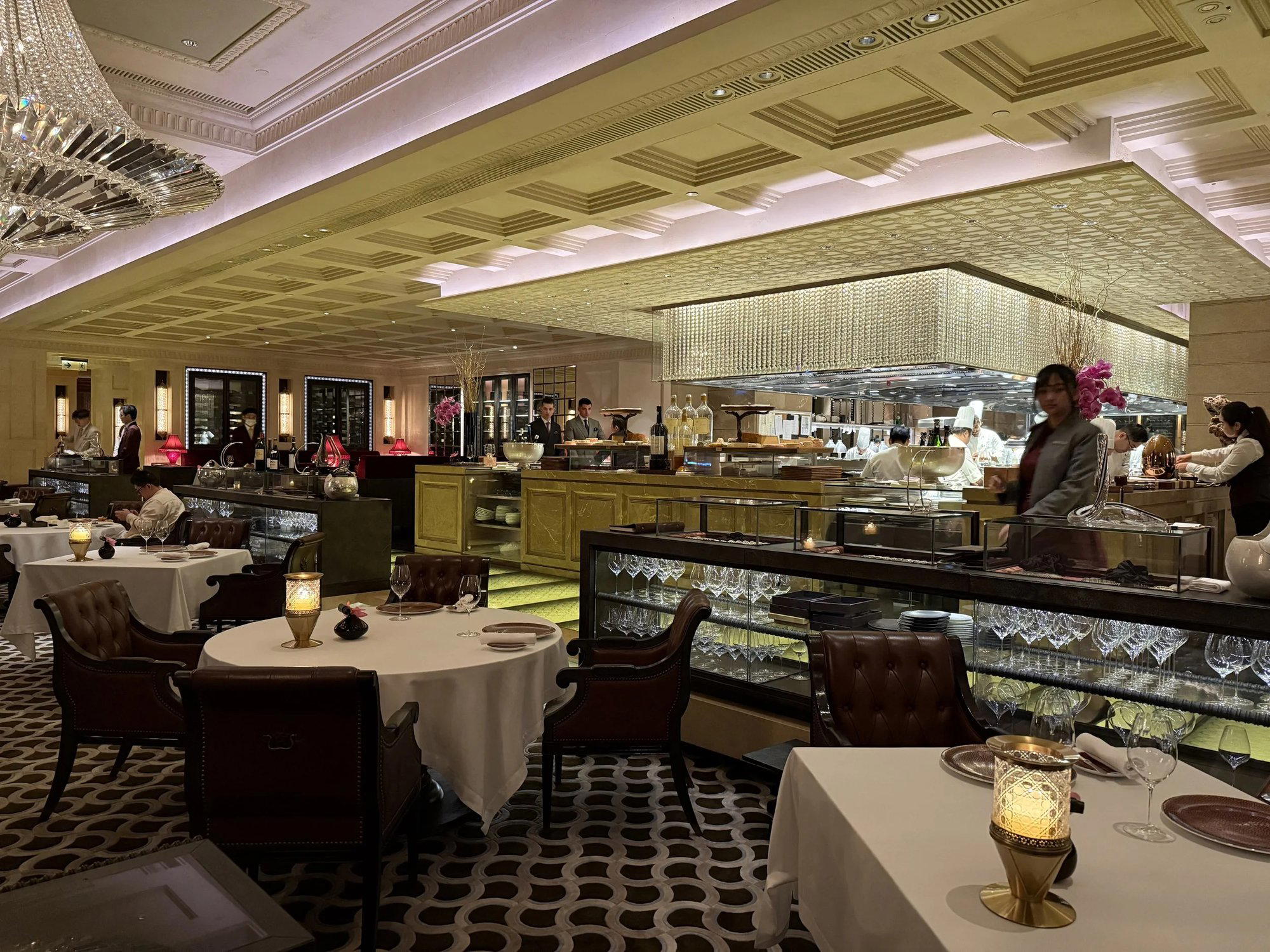
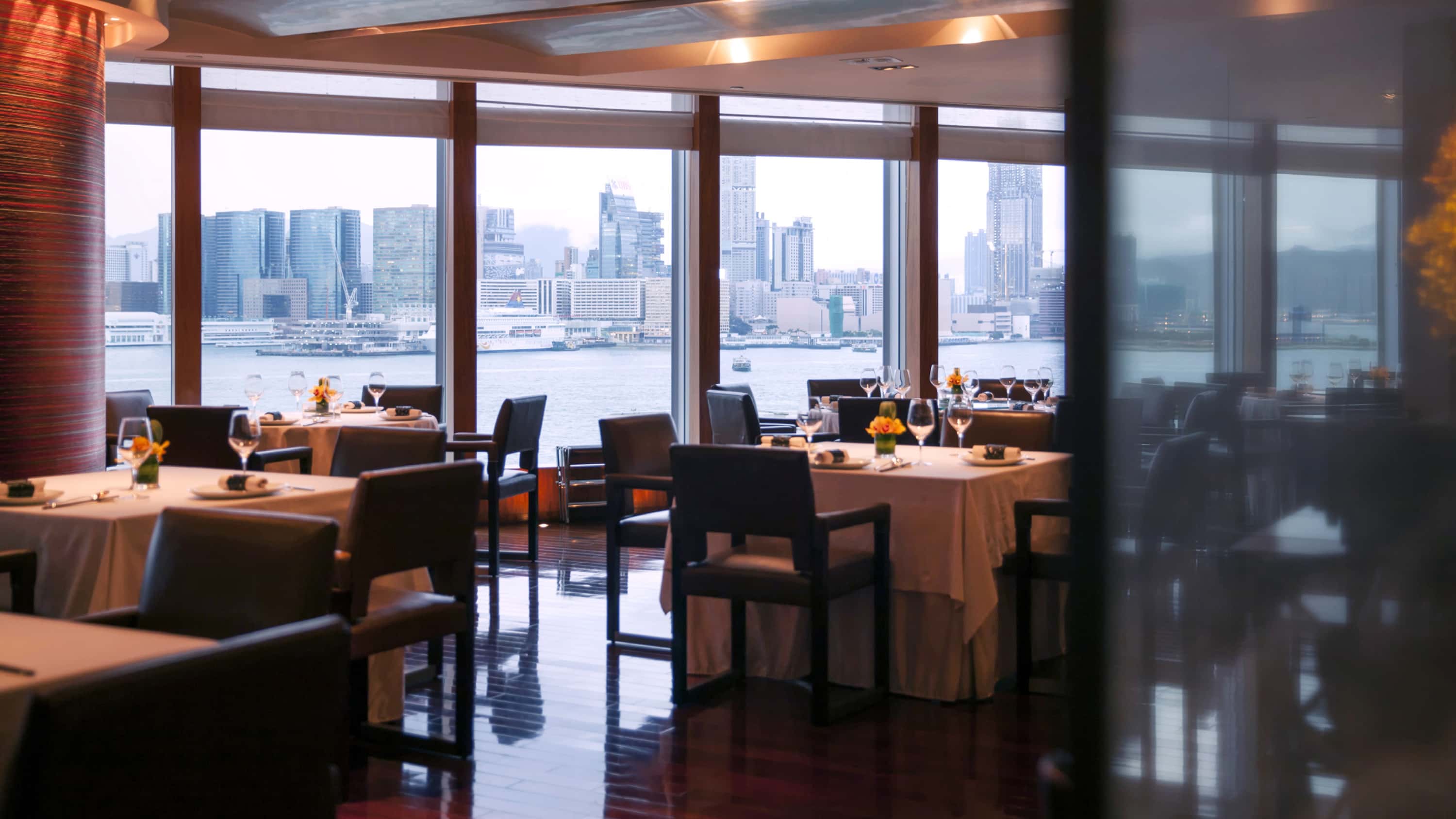
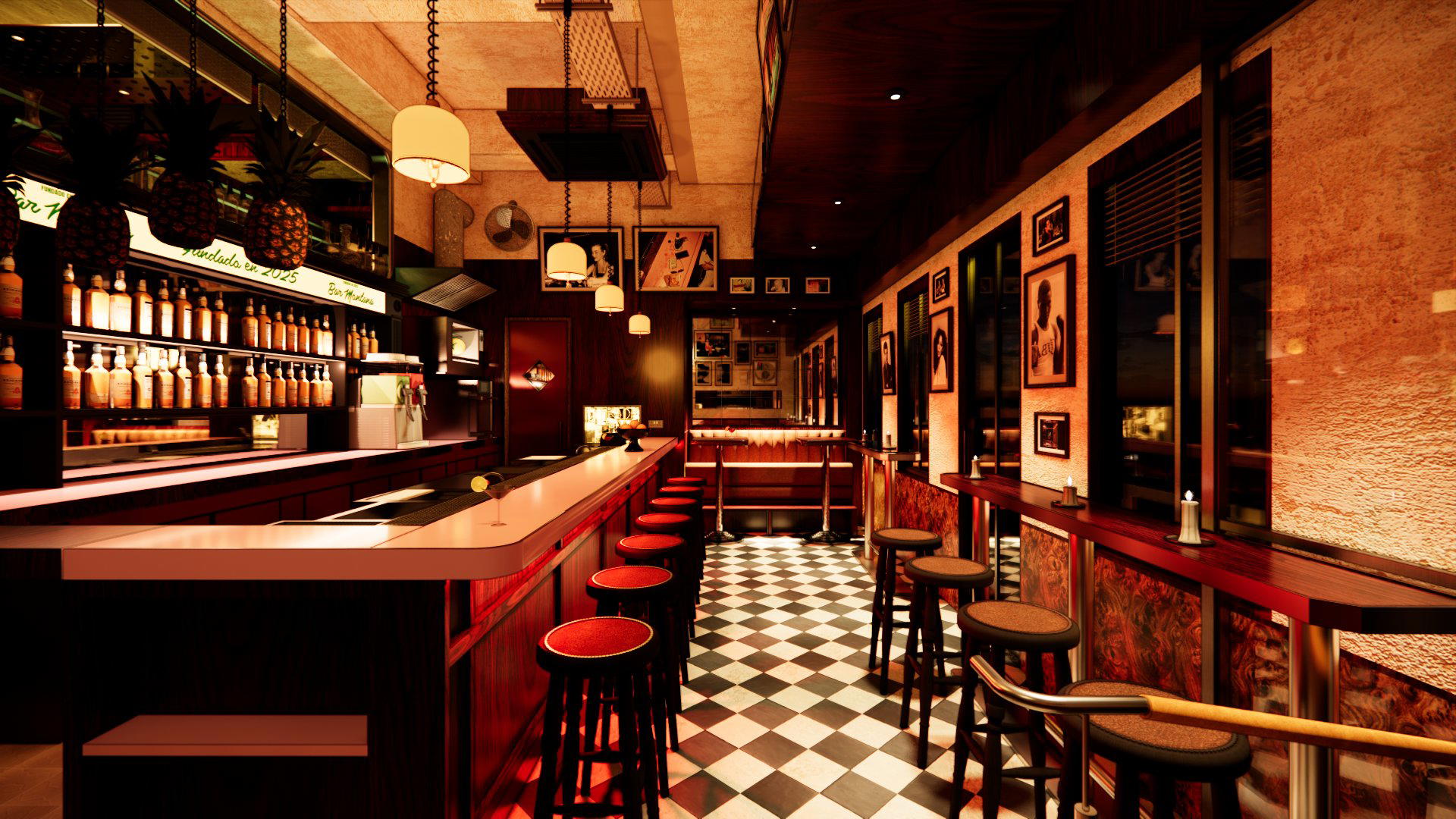
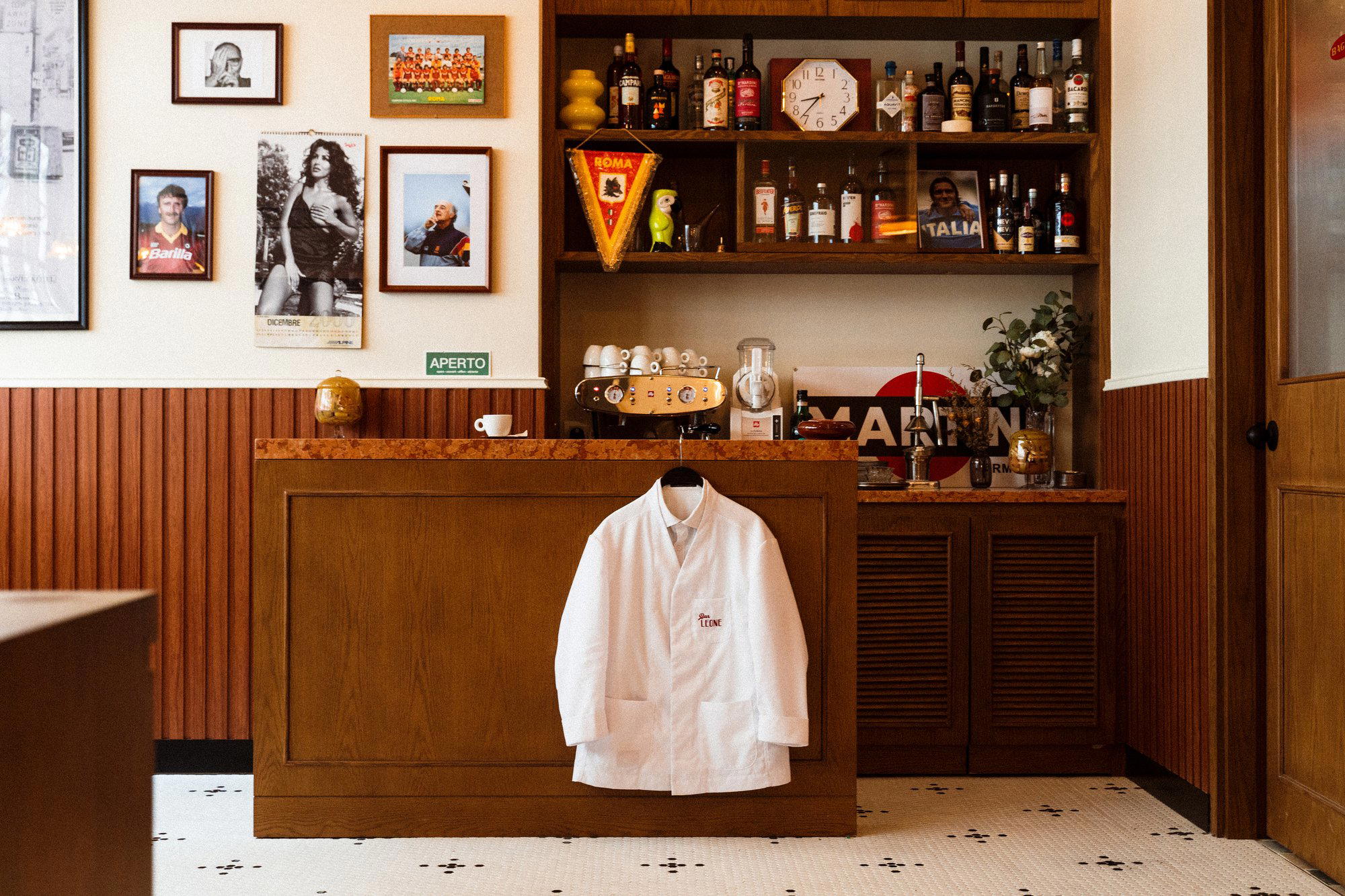
At a Glance
- Relaxed
- Lively
- Group Dining
- Casual Hangout
- Private Dining
- Corkage Allowed
Relaxed vibe in a popular shopping mall setting with a focus on bold, spicy dishes.