
Michelin Bib Gourmand
Our verdict
A Michelin Bib Gourmand recipient in Bunkyo City's Nezu neighbourhood, wokotote operates at the ¥¥ tier with a format that combines omakase and prix fixe structure, allowing à la carte additions. The kitchen draws on kaiseki tradition, producing sashimi with malted-rice dipping sauce and mixed drinking-snack platters.

Pearl is the En Primeur Club membership app, where members save venues, book tables and use the concierge.
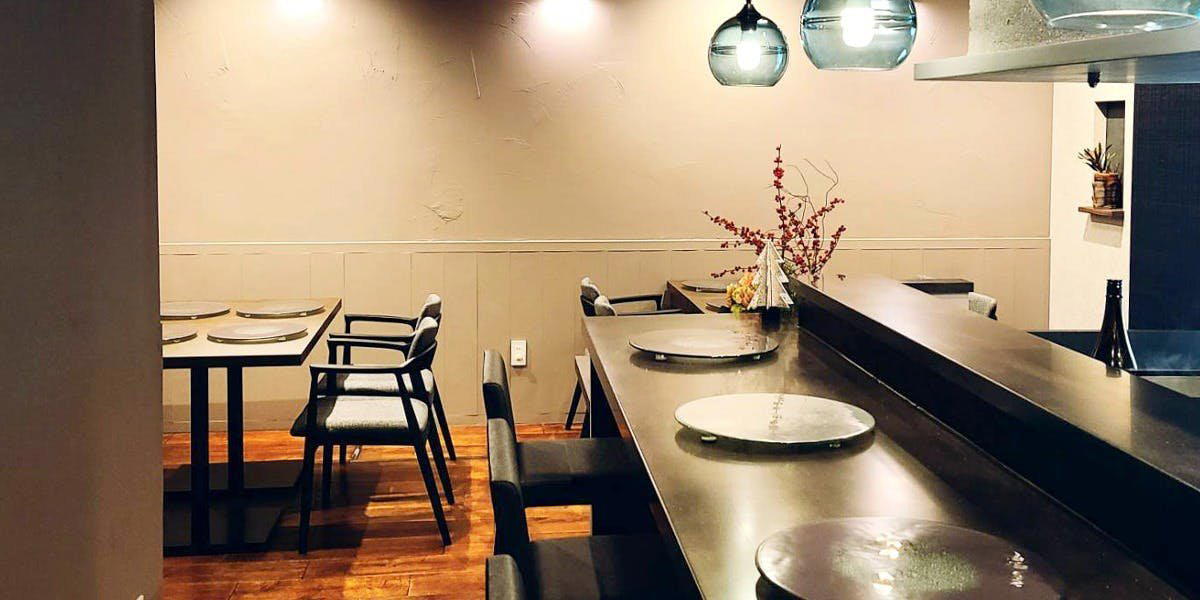
Planning a Visit to wokotote: What to Know Before You Go
The Bib Gourmand tier in Tokyo is, in many ways, the most competitive designation Michelin awards. It signals cooking that meets inspector standards for quality without the pricing structure of a starred counter, which makes it a magnet for knowledgeable locals and well-researched visitors alike. wokotote, located in Nezu in Bunkyo City, earned that recognition in 2024 and occupies a specific position within it: a Japanese restaurant operating at the ¥¥ price range, with a format built around flexibility rather than the rigid omakase-only progression that defines much of the city's high-attention dining.
If you are planning a trip to Tokyo and working out where Japanese cuisine at this price point sits in the broader picture, the EP Club full Tokyo restaurants guide maps the full range, from kaiseki counters to neighbourhood izakayas. wokotote fits into neither extreme of that spectrum, which is part of what makes it worth understanding on its own terms.
The Format and What It Means for Booking
Most serious Japanese restaurants in Tokyo ask you to commit fully to the chef's structure: you eat what is served, in the order it is served, at the price set. That discipline has its merits, but it also means the booking process carries additional weight. You are not just reserving a table; you are agreeing to a particular experience in advance, often months out.
wokotote works differently. The kitchen offers both omakase set meals and prix fixe formats to which à la carte items can be added. That structure lowers the planning stakes considerably. Diners who want the full tasting progression can follow it; those who prefer to anchor around a few specific dishes have that option available. For a city where the high-end kaiseki format at places like Azabu Kadowaki or Kagurazaka Ishikawa demands near-complete deference to the kitchen's direction, this is a notably more accommodating position.
The practical implication for booking: because the format is more accessible and the price point is lower than starred counterparts, demand at Bib Gourmand restaurants in Tokyo frequently runs ahead of availability.
Nezu as a Dining Neighbourhood
Bunkyo City does not carry the same international dining reputation as Ginza or Minami-Aoyama, but Nezu specifically is worth understanding on its own terms. The area retains low-rise streetscapes and a residential character that puts it at some remove from the densely curated restaurant corridors further south. Restaurants that open here tend to draw from a different logic than those positioning themselves for tourist or expense-account traffic. The neighbourhood audience skews local and repeat.
That context matters for how wokotote operates. The shop name itself is drawn from grammatical particles in Japanese, the small connective words that hold sentences together. The implication built into the name is one of connection: cuisine, people, drinks and interior working in relation to each other rather than any single element dominating. In a neighbourhood where the dining room is more likely to feel like someone's considered extension of their own table than a stage set, that framing reads as specific rather than generic.
For visitors building a broader Tokyo itinerary, the full Tokyo hotels guide, full Tokyo bars guide, and full Tokyo experiences guide provide context for planning across different parts of the city.
The Kitchen's Reference Points
Kaiseki is the tradition that underpins wokotote's kitchen approach. The multi-course format rooted in Japanese seasonality and craft has produced the country's most technically demanding restaurant category, and the chefs who study it carry a specific disciplinary vocabulary into whatever they cook afterwards. At the ¥¥¥¥ tier, that vocabulary shows up in places like Myojaku or Jingumae Higuchi. At the ¥¥ tier, it means the same foundational care applied inside a more accessible price architecture.
Two elements give some texture to what that looks like in practice at wokotote. Sashimi is served with a dipping sauce made from malted rice and fish sauce, a condiment that places fermentation technique at the centre of what could otherwise be a direct presentation. Mixed platters described as drinking snacks include both grilled and fried items, suggesting a kitchen comfortable across techniques rather than narrowed to a single method. These details are consistent with a kaiseki-trained cook building a format designed for relaxed, extended dining rather than ceremony.
The drinking-snack framing also positions the restaurant in relation to a broader Tokyo tradition of combining serious food with unhurried drinking, a different register from the pure omakase counter where pace is strictly controlled. For comparison across formats and price tiers in Japanese cuisine, Ginza Fukuju represents the Ginza-tier Japanese counter experience.
Japan in Context: Where This Fits
Tokyo sits at one end of a network of Japanese restaurant cities, each with its own kaiseki lineage and pricing conventions. Kyoto remains the canonical home of multi-course Japanese cuisine, and restaurants like Gion Sasaki and Isshisoden Nakamura represent that tradition at its most codified. Osaka runs a different register, with Kashiwaya Osaka Senriyama and HAJIME in Osaka operating in the city's own premium tier. Further afield, akordu in Nara, Goh in Fukuoka, 1000 in Yokohama, and 6 in Okinawa each mark distinct points on the country's dining map.
Within Tokyo specifically, wokotote's position is defined less by what it aspires to become and more by what it already does at a price point that remains accessible by the standards of the city's serious Japanese restaurant category. The full Tokyo wineries guide covers drinks-led venues for those building an evening around both food and wine.
Know Before You Go
| Detail | Information |
|---|---|
| Address | 2 Chome-35-1 Nezu, Bunkyo City, Tokyo 113-0031, Japan |
| Price Range | ¥¥ |
| Recognition | Michelin Bib Gourmand (2024) |
| Format | Omakase set meals and prix fixe with optional à la carte additions |
| Booking | |
| Phone / Website | Not publicly listed at time of publication |
Frequently asked questions
Who is the chef at wokotote?
The chef associated with wokotote is wokotote: Not Available.
What dish is wokotote famous for?
Wokotote does not anchor its reputation to a single signature preparation. The kitchen is kaiseki-trained, and the menu spans sashimi served with a malted rice and fish sauce dipping sauce alongside mixed platters of grilled and fried drinking snacks. The flexible prix fixe format, which allows à la carte additions to the set meal, means the experience shifts by visit rather than converging on one defining plate. The 2024 Michelin Bib Gourmand reflects the consistency of the cooking across that range rather than the performance of any single dish.
What's the price range at wokotote?
Pricing at wokotote is listed as ¥¥.
Price and Positioning
A short peer table to compare basics side-by-side.
| Venue | Cuisine | Price | Awards | Notes |
|---|---|---|---|---|
| wokototeThis venue (the venue you are viewing) | Modern Kaiseki | $100–150 | Michelin Bib Gourmand | Not listed |
| Harutaka | Edo-Style Omakase Sushi | $200–300 | 3 Michelin Stars · World's 50 Best #76 | Sushi |
| RyuGin | Modern Kaiseki | $500+ | 3 Michelin Stars · World's 50 Best #41 | Kaiseki, Japanese |
| L'Effervescence | Modern French with Japanese Influences | $200–300 | 3 Michelin Stars · World's 50 Best #69 | French |
| HOMMAGE | Modern French with Japanese Influences | $150–200 | 2 Michelin Stars · World's 50 Best #78 | Innovtive French, French |
| MAZ | Innovative Peruvian-Japanese Fusion | $150–200 | 2 Michelin Stars · World's 50 Best #28 | Innovative |
Recognition history
Dated appearances from independent guides and award organizations, with the underlying list record or original source where available.
Michelin Bib Gourmand
Michelin
Full recognition history (2 entries)
Michelin Bib Gourmand
Michelin
Continue exploring
More in Tokyo
Restaurants in Tokyo
All restaurants in Tokyo →

Bars in Tokyo
All bars in Tokyo →


Details
- Cozy
- Modern
- Intimate
- Relaxed
- Date Night
- Solo
- Business Dinner
- Sake Program
- Omakase
- Prix Fixe
- A La Carte
- Sake
Current opening hours
- Monday
- 6–10:30 PM
- Tuesday
- 6–10:30 PM
- Wednesday
- Closed
- Thursday
- 6–10:30 PM
- Friday
- 6–10:30 PM
- Saturday
- 6–10:30 PM
- Sunday
- 11:30 AM–2 PM, 6–10:30 PM
Hours can change for holidays and private events. Hours as of .
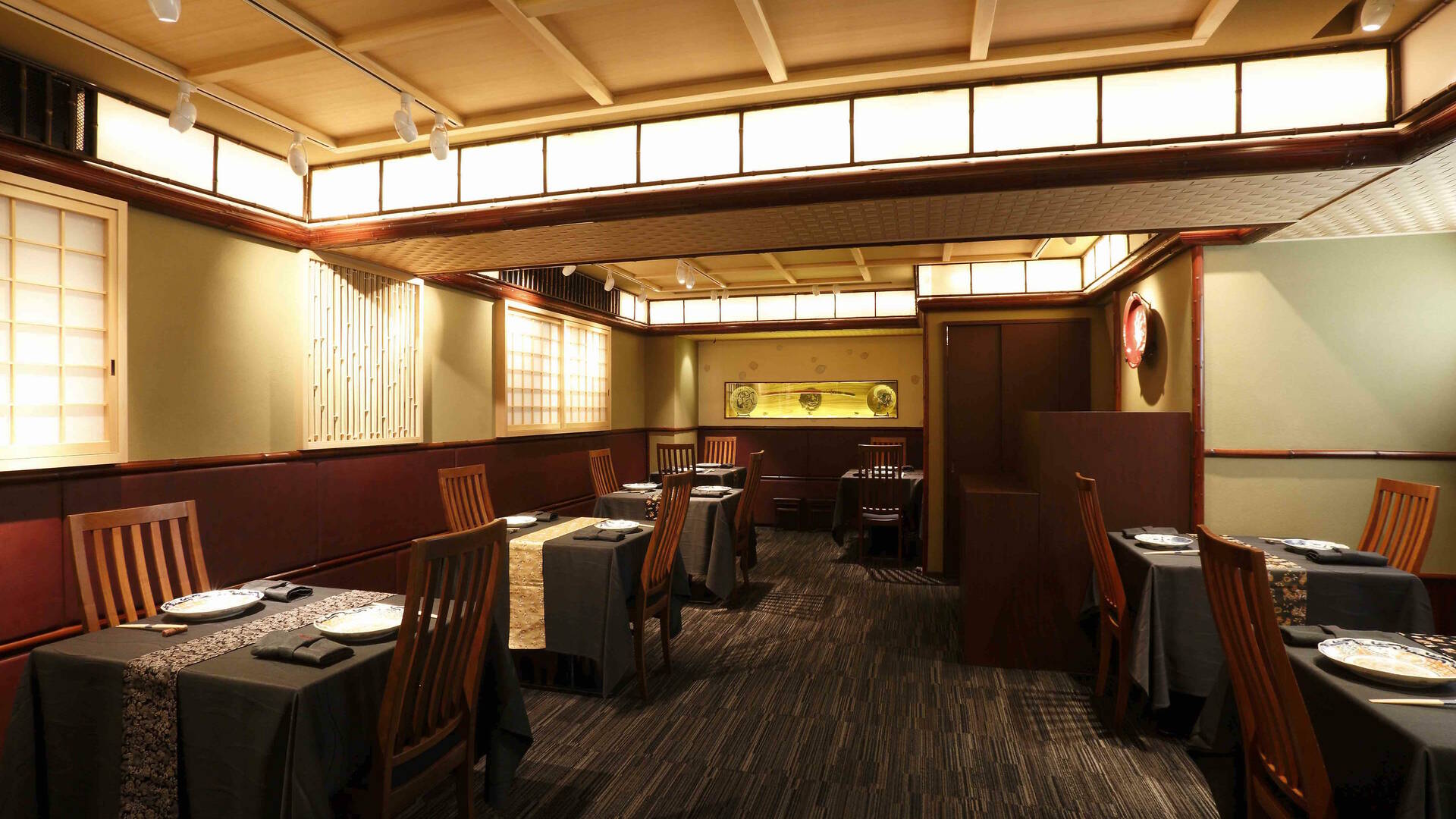
Relaxed yet refined warm atmosphere with cozy, modern Japanese design encouraging connection among guests.