Winklers

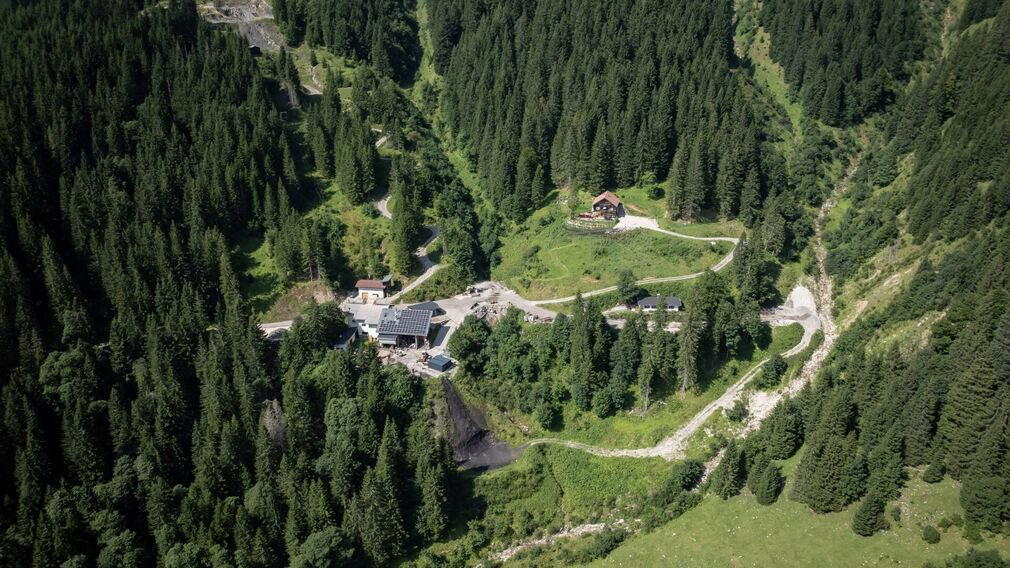
Winklers occupies a quiet address on Südtirolerstraße in Rattenberg, Austria's smallest town, where the region's alpine ingredient culture shapes the kitchen's direction. The setting rewards visitors who seek out dining tied to place rather than urban restaurant circuits. Check our full Rattenberg guide for broader context on the local scene.
Pearl is the En Primeur Club membership app — saves, bookings, and concierge access live there. Same editors, same standards.
- Address
- Südtirolerstraße 34, 6240 Rattenberg, Austria
- Phone
- +436503008492
- Website
- winklers-cuisine.com
- Directions
- Get directions
 Saves & bookings on Pearl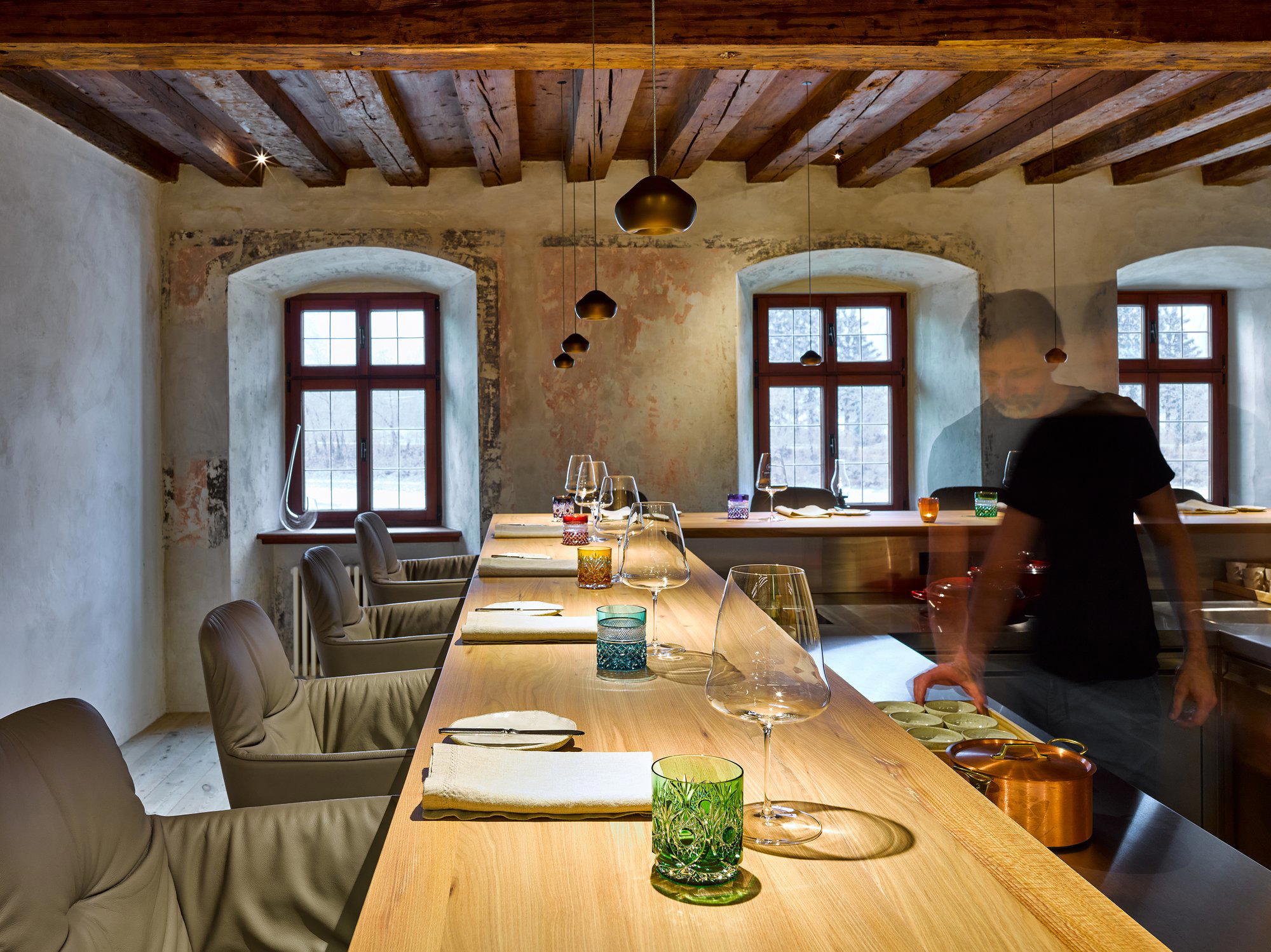
Rattenberg and the Alpine Ingredient Logic
Austria's smallest town by area sits in the Inn Valley between Kufstein and Wörgl, where the Tyrolean alpine corridor has historically shaped what ends up on a plate. In this stretch of the country, proximity to mountain pasture, river-fed valleys, and short-season produce is not a marketing posture — it is simply the condition of the kitchen. Restaurants operating here draw from a narrower, more localized supply chain than their urban counterparts in Vienna or Salzburg, and the cooking tends to reflect that directly. Winklers, at Südtirolerstraße 34, sits inside this tradition. The address alone orients the visitor: a small Tyrolean town, a main arterial road, a building that belongs to a working community rather than a curated tourist corridor.
This is the context that matters when reading Rattenberg's dining scene. The town's scale means nothing operates at volume. Whatever Winklers does, it does it for a local and regional audience that expects grounding in the landscape rather than abstraction from it.
The Inn Valley Sourcing Frame
The alpine ingredient logic common to Tyrolean kitchens at this latitude draws from a specific set of inputs: mountain herbs, aged dairy from higher-altitude farms, freshwater fish from the Inn River system, game from surrounding forests, and root vegetables that hold through the short growing season. Kitchens that work with these materials tend to develop a restrained style by necessity — the ingredients set the tempo rather than the chef's ambition for complexity. This stands in contrast to the more interventionist creative programs you find at places like Ikarus in Salzburg or the elaborate Austrian-creative formats at Steirereck im Stadtpark in Vienna, where the kitchen's vocabulary extends well beyond regional supply.
At the other end of the spectrum, places like Döllerer in Golling an der Salzach have built a serious reputation by treating alpine sourcing as a conceptual framework rather than a default. That kind of deliberate positioning, using provenance as both kitchen discipline and editorial identity, is increasingly the benchmark against which regionally-grounded Austrian restaurants are assessed, even when they operate at smaller scale and lower profile.
Winklers occupies a quieter position in this map. Without detailed menu data available, the specifics of sourcing approach remain to be confirmed on a visit, but the geography places certain constraints and possibilities on the kitchen that are worth understanding before you go. A Tyrolean address of this kind implies access to the same raw material network that defines the better-known alpine kitchens in the region.
Small-Town Dining in the Tyrolean Circuit
Rattenberg's position on the Tyrolean tourist route, close enough to the Kitzbühel Alps to catch passing traffic, but without the resort density of somewhere like Lech or Ischgl, shapes what restaurants here are actually doing. This is not the same market as Griggeler Stuba in Lech or Stüva in Ischgl, where ski-season demand supports high-ticket formats and resort-hotel backing. Rattenberg's dining is quieter and more embedded in local life.
That distinction matters for expectation-setting. Visitors arriving from the resort circuit expecting the same format, extended tasting menus, large wine programs, international press attention, may be misaligned. Those arriving from the direction of cultural tourism, drawn by the town's medieval architecture and glass-blowing heritage, tend to find the dining scene more naturally calibrated to their pace. The comparison property in Rattenberg worth reading alongside Winklers is Malerwinkel, which operates in the same compact local environment.
Austria's non-urban restaurant tier more broadly, from Obauer in Werfen to Landhaus Bacher in Mautern an der Donau, has demonstrated that serious cooking does not require a capital-city address. The Inn Valley corridor carries enough culinary credibility through its alpine ingredient access and regional food culture to support restaurants that operate with real kitchen discipline, even without the infrastructure of major urban competition.
How Winklers Fits the Regional Picture
Within Tyrol specifically, the benchmark for alpine-sourced ambition sits at places like Gourmetrestaurant Tannenhof in Sankt Anton am Arlberg or Schwarzer Adler in Hall in Tirol. These are the regional reference points that define what serious Tyrolean cooking looks like at its most developed. Winklers operates in a smaller, lower-profile town, which places it in a different functional tier, closer to the everyday expression of the same regional food culture than to the destination-restaurant format.
That is not a limitation so much as a different value proposition. For the traveller passing through the Inn Valley who wants to eat well without engineering a reservation at a recognized destination restaurant, a grounded local address like Winklers carries its own kind of utility. The same ingredient logic applies; the format is simply less formalized.
For a broader view of how the Austrian non-urban scene operates, the range from Ois in Neufelden to Taubenkobel in Schützen am Gebirge to Kräuterreich by Vitus Winkler in Sankt Veit im Pongau shows how much variation exists within what outsiders often flatten into a single category. Each operates from a regional base but with distinct kitchen orientations. Winklers' Rattenberg setting places it in the quieter, more locally-anchored end of that range.
Planning a Visit
Winklers is located at Südtirolerstraße 34 in Rattenberg, reachable by train via the Rattenberg-Kramsach station on the Innsbruck-Kufstein line, or by car along the A12 motorway. Given the town's scale, the dining options are limited and the rhythm is unhurried, this is not a place where you should expect to walk in without at least a phone call ahead during busier travel seasons. The same applies to menu and dietary information. See our full Rattenberg restaurants guide for additional context on the town's dining options and what to expect from the local scene.
How Winklers Rattenberg compares with similar nearby venues.
| Venue | Cuisine | Price |
|---|---|---|
| Sigwart's Tiroler Weinstuben | Classic Cuisine | €€€ |
Recognition history
Dated appearances from independent guides and award organizations, with the underlying list record or original source where available.
Falstaff Restaurant - 93 Falstaff Points
Falstaff
Continue exploring
More in Rattenberg
Restaurants in Rattenberg
Browse all →
Bars in Rattenberg
Browse all →
Hotels in Rattenberg
Browse all →

At a Glance
- Intimate
- Elegant
- Cozy
- Sophisticated
- Special Occasion
- Chefs Counter
- Historic Building
- Private Dining
- Sommelier Led
Current opening hours
- Monday
- 10 AM–9 PM
- Tuesday
- Closed
- Wednesday
- Closed
- Thursday
- 10 AM–9 PM
- Friday
- 10 AM–9 PM
- Saturday
- 10 AM–9 PM
- Sunday
- 10 AM–9 PM
Hours can change for holidays and private events. Last verified .
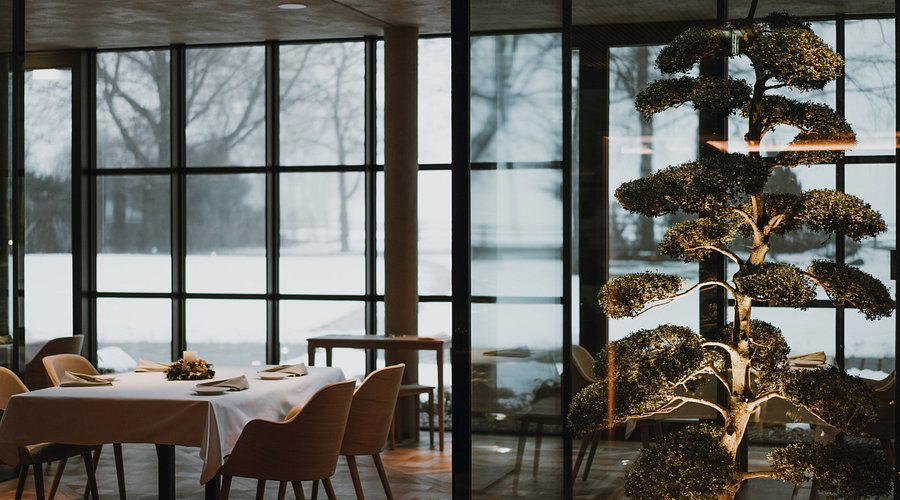
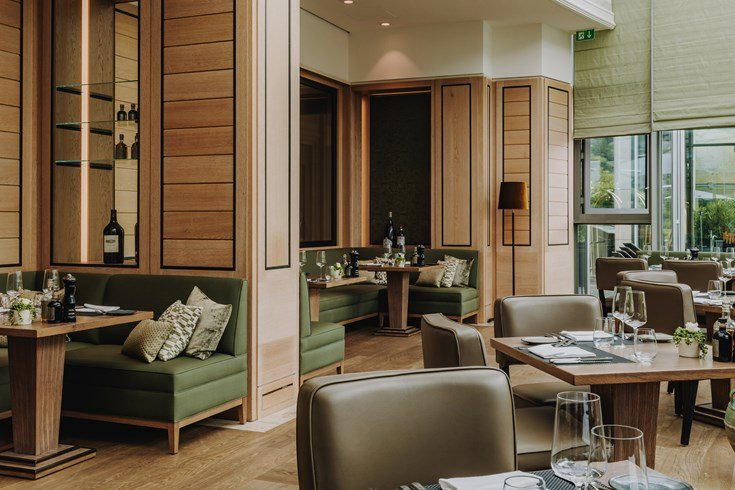
Tastefully timeless and cozy symbiosis of historical substance and design with personal hosting by the chef and sommelier.
Know Before You Go
- Getting there
- Südtirolerstraße 34, 6240 Rattenberg, Austria