.png)
A 16th-century Stube-style restaurant at the foot of the Tre Cime, Gratschwirt holds two consecutive Michelin Plates (2024 to 2025) for the kind of grounded Alto Adige cooking that defines the Dolomite table: dumplings in broth, herb-crusted lamb, apple strudel, and a beef tartare seasoned tableside. With a 4.7 Google rating across 354 reviews, it sits among the most consistent regional kitchens in the Toblach valley.
Pearl is the En Primeur Club membership app — saves, bookings, and concierge access live there. Same editors, same standards.
- Address
- Gratsch, 1, 39034 Dobbiaco BZ, Italy
- Phone
- +39 0474 972293
- Website
- gratschwirt.com
 Saves & bookings on Pearl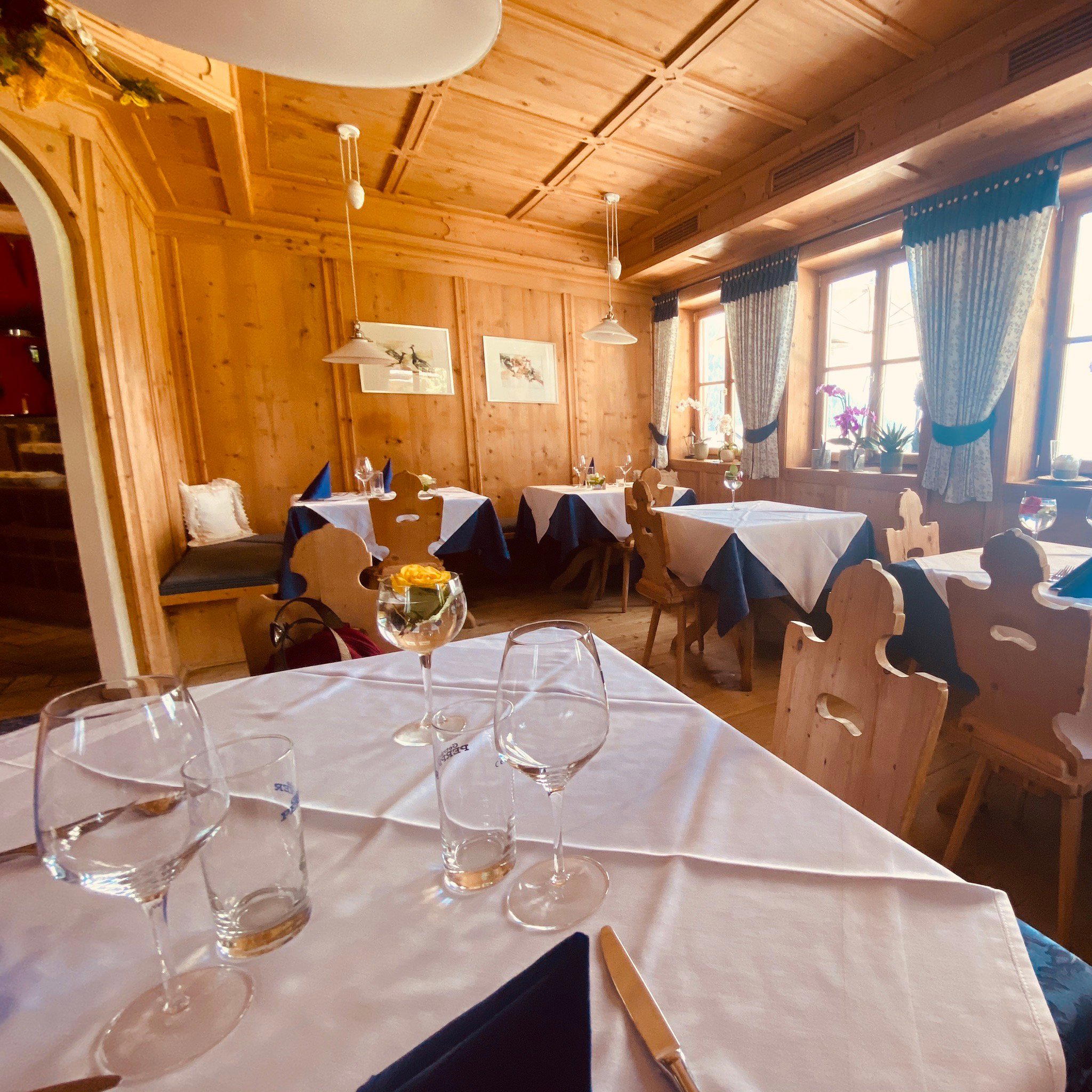
Where the Dolomite Kitchen Comes Into Focus
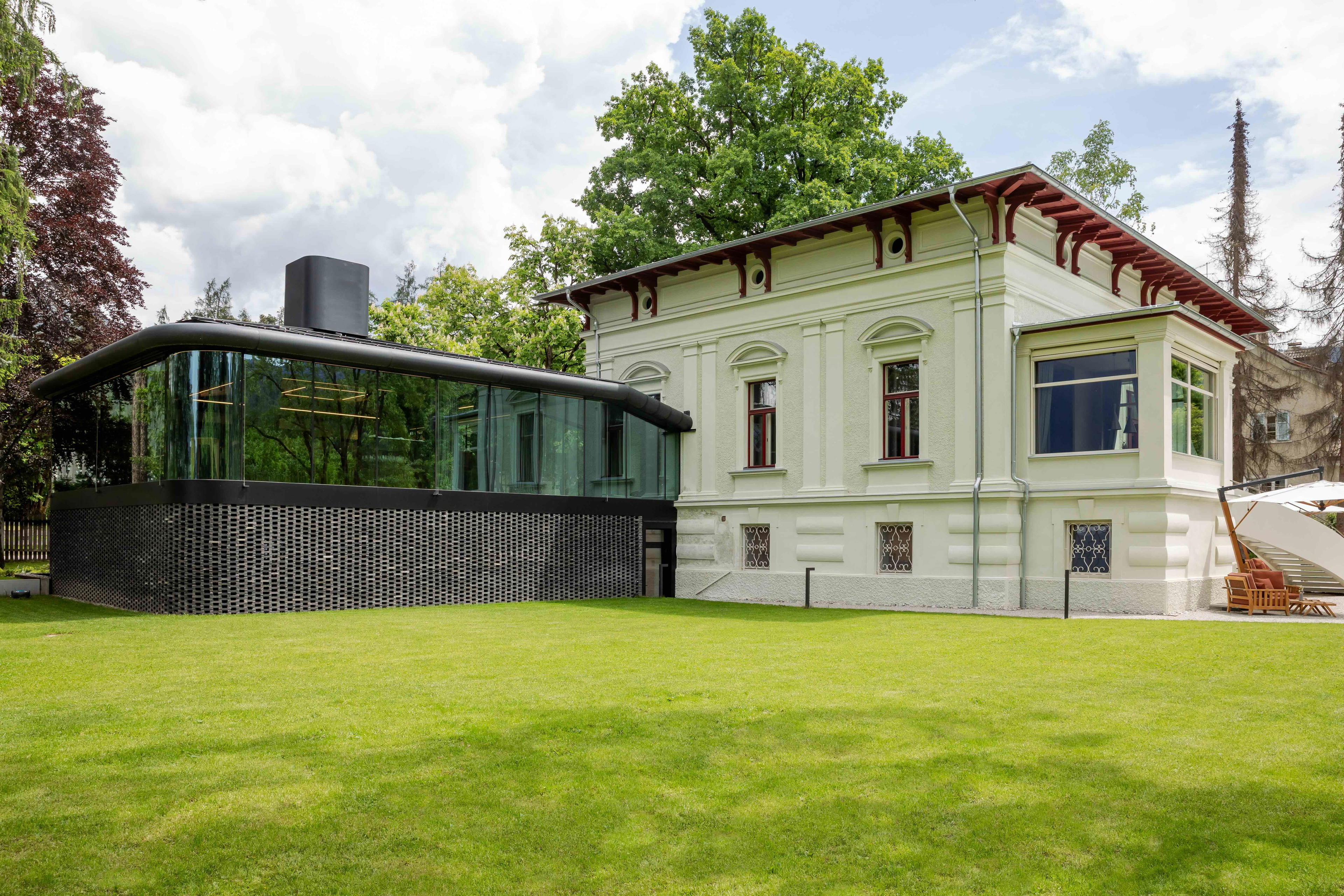
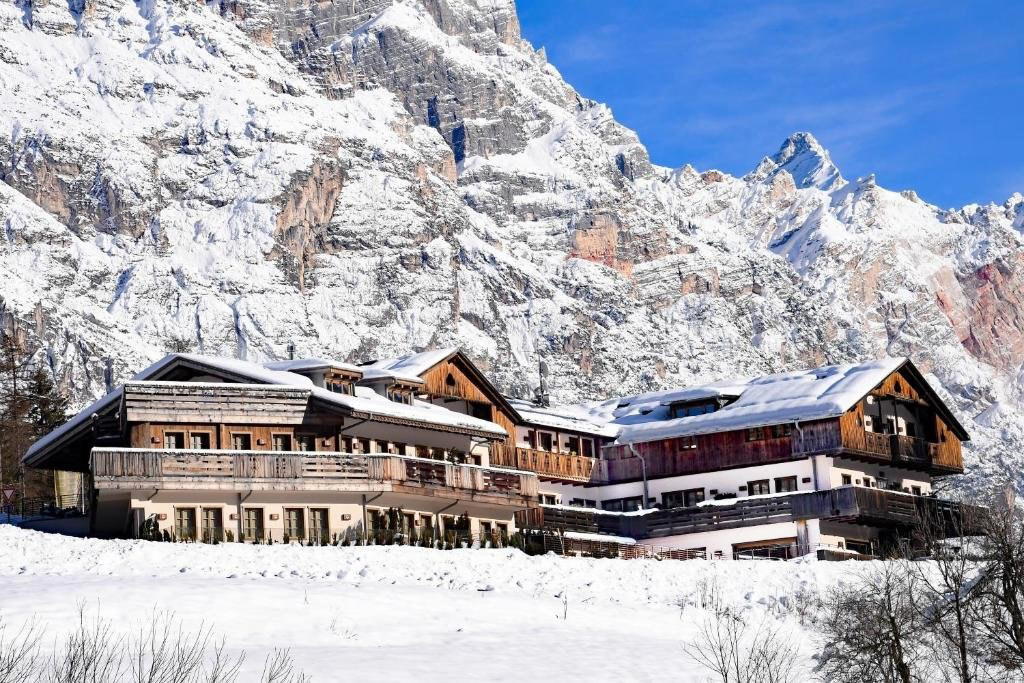
Approach Gratschwirt from the road toward Gratsch and the building communicates its intentions before the menu does. The structure dates to the 16th century, and the Stube format, low ceilings, wood-panelled walls, the specific warmth of a room that has been heating people through Alpine winters for generations, is not a design decision here. It is simply what the place is. That distinction matters in Alto Adige, where the Stube tradition anchors a regional dining culture that runs from farmhouse tables to Michelin-recognised kitchens. Gratschwirt belongs to the serious middle of that range: Michelin Plate recognition in both 2024 and 2025, a Google rating of 4.7 from 367 reviews, and a price tier (€€€) that places it comfortably above casual tourist dining without reaching the €€€€ bracket occupied by three-star operations like Atelier Moessmer Norbert Niederkofler in Brunico.
Alto Adige on the Plate: Where the Ingredients Come From
The cooking at Gratschwirt is inseparable from the geography that surrounds it. The Tre Cime di Lavaredo rises at the valley's end; the pastures and herb meadows that feed the kitchen are the same ones visible from the approach road. This is a consistent pattern across the stronger regional tables of South Tyrol: the sourcing radius is small by design, and the seasonal calendar governs the menu more reliably than any chef's whim.
Herb-crusted lamb from this part of the Dolomites carries a specific flavour profile shaped by high-altitude grazing, where shorter growing seasons concentrate aromatics in the grasses. The dumplings in broth, canederli in local dialect, are a test dish for any Alto Adige kitchen worth attention. The form is ancient and the variation narrow, which means quality shows immediately: the texture of the dumpling, the clarity of the broth, the ratio of bread to filling. Restaurants in this tradition that source well need very little else to make the dish work. Apple strudel at Gratschwirt draws on the same principle: the Vinschgau and the surrounding valleys produce apples with a tartness and density that don't require heavy intervention, and the strudel format rewards restraint. These are dishes that function as a direct expression of what the surrounding land produces at altitude.
The beef tartare represents a deliberate shift in register. Seasoned at the table, it introduces a more contemporary service gesture into what is otherwise a deeply traditional menu. The detail of tableside seasoning matters because it signals awareness of the diner's preference without dismantling the kitchen's regional identity, a balance that many Alpine restaurants miss when they attempt to modernise.
The Stube Format and Its Regional Peers
The Stube-style restaurant is one of the more coherent dining formats in northern Italy. The room type, the service register, and the menu logic all align around a particular set of values: warmth over spectacle, abundance over minimalism, regional fidelity over creative ambition. Gratschwirt sits squarely within this tradition, which places it in a different competitive frame than the creative Italian operations listed in Michelin's higher tiers. The comparison set for Gratschwirt is not Osteria Francescana in Modena or Le Calandre in Rubano. The relevant peers are kitchens like Gannerhof in Innervillgraten or Fahr in Künten-Sulz, regional-format restaurants in the Alpine corridor where sourcing locality and format integrity define the standard.
Within Toblach itself, the dining options reflect the town's position as a gateway to the Tre Cime. Tilia takes a more contemporary approach to modern cuisine, while Hebbo Wine & Deli operates in the innovative register. Gratschwirt occupies the regional-traditional anchor of the local dining map, a position it holds with the backing of consecutive Michelin recognition. For a fuller picture of eating and drinking in the valley, the full Toblach restaurants guide covers the range across price points and styles.
The Hotel Setting and What It Changes
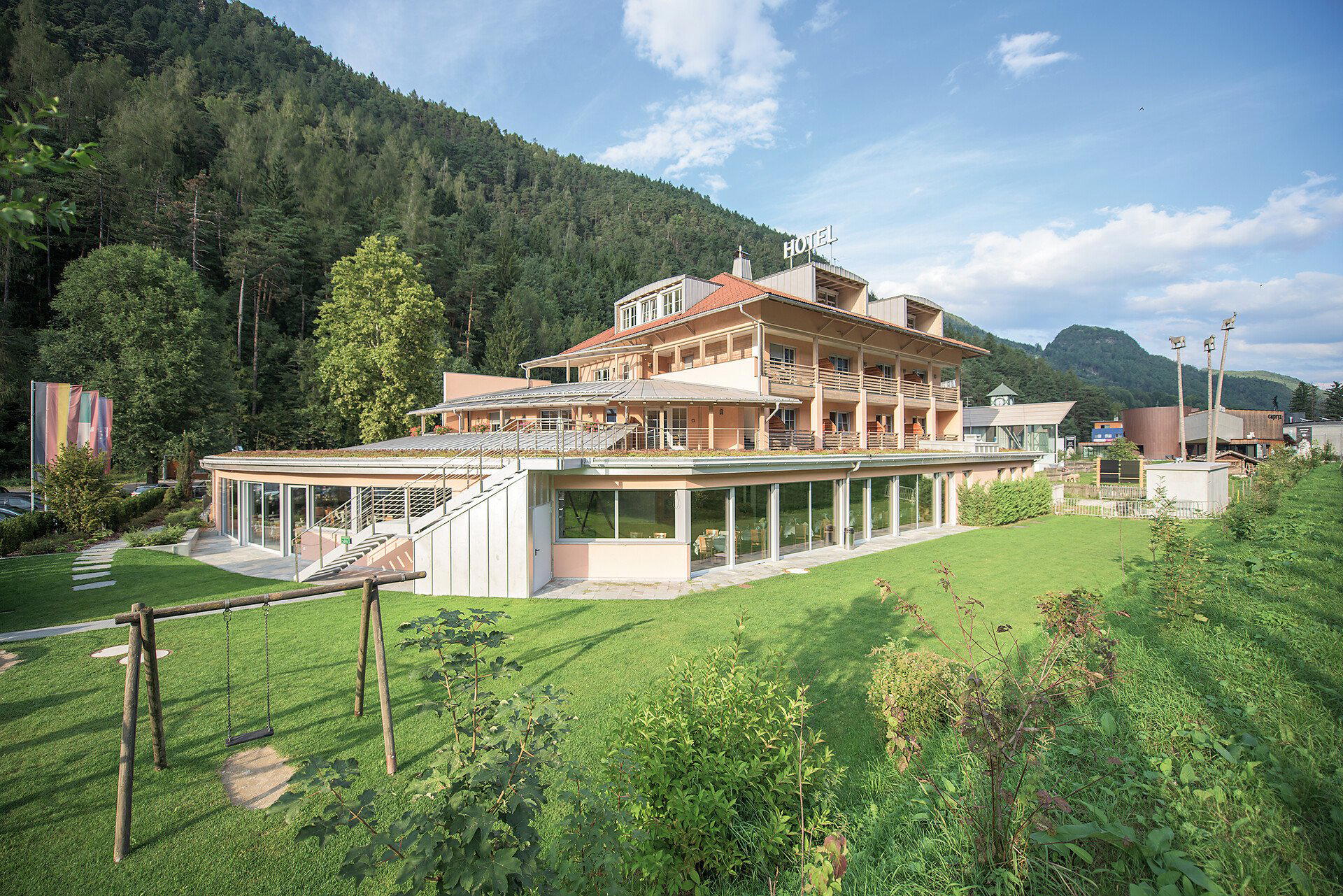
Gratschwirt operates as part of the hotel of the same name, a format common across Alto Adige where the Gasthaus or Gasthof tradition integrates accommodation and dining under one roof. This matters for the dining experience in a specific way: the kitchen serves guests who may be eating there across multiple nights, which tends to reinforce menu consistency and seasonal rotation over novelty. The audience is not purely destination-driven, and that changes the relationship between kitchen and diner. At its finest, this format produces cooking that is confident without being performative, the opposite of the one-visit showcase dynamic that shapes many standalone restaurants.
Guests exploring beyond the table can find further context in the full Toblach hotels guide, the bars guide, the wineries guide, and the experiences guide for the Toblach area. Italy's broader fine dining range, from Enoteca Pinchiorri in Florence to Piazza Duomo in Alba, Dal Pescatore in Runate, Enrico Bartolini in Milan, Quattro Passi in Marina del Cantone, and Reale in Castel di Sangro, reflects how varied Italy's regional kitchen cultures are, and how deliberately Gratschwirt has stayed within its own.
Planning a Visit
Gratschwirt is located at Gratsch 1, 39034 Dobbiaco (Toblach), at the foot of the road toward the Tre Cime di Lavaredo, making it a natural stop for walkers and climbers in the warmer months as well as for winter guests. The price tier at €€€ positions a full meal at a meaningful but not prohibitive spend relative to the wider Italian dining market. The restaurant is part of the hotel of the same name, so hotel guests have direct access; for outside diners, confirming availability in advance is advisable given the size constraints typical of Stube-format rooms. No phone or online booking details are listed in the current record, direct contact through the hotel is the reliable route. Given the venue's consistent Michelin Plate recognition and a Google score of 4.7 across a substantial review base, weekends during peak hiking season around the Tre Cime carry the highest demand.
In Context: Similar Options
Comparable venues nearby, for context on price, style, and recognition.
| Venue | Cuisine | Price | Awards | Notes |
|---|---|---|---|---|
| GratschwirtThis venue — the venue you are viewing | Traditional South Tyrolean | $$$ | Michelin Plate | |
| Winkelkeller | South Tyrolean & Mediterranean | $$$ | , | Dobbiaco |
| Tilia | Modern Regional Italian | $$$$ | Michelin 1 Star | Dobbiaco |
| Hebbo Wine & Deli | Contemporary Alpine Fine Dining | $$$$ | Michelin Plate | Dobbiaco |
| L'Ostì | Modern Creative Italian | $$$ | Michelin Plate | Corvara in Badia |
| Tana de 'l Ors | Modern Italian Farm-to-Table | $$$ | Michelin Plate | Forno di Zoldo |
At a Glance
- Cozy
- Rustic
- Elegant
- Scenic
- Family
- Special Occasion
- Historic Building
- Garden
- Extensive Wine List
- Local Sourcing
- Mountain
- Garden
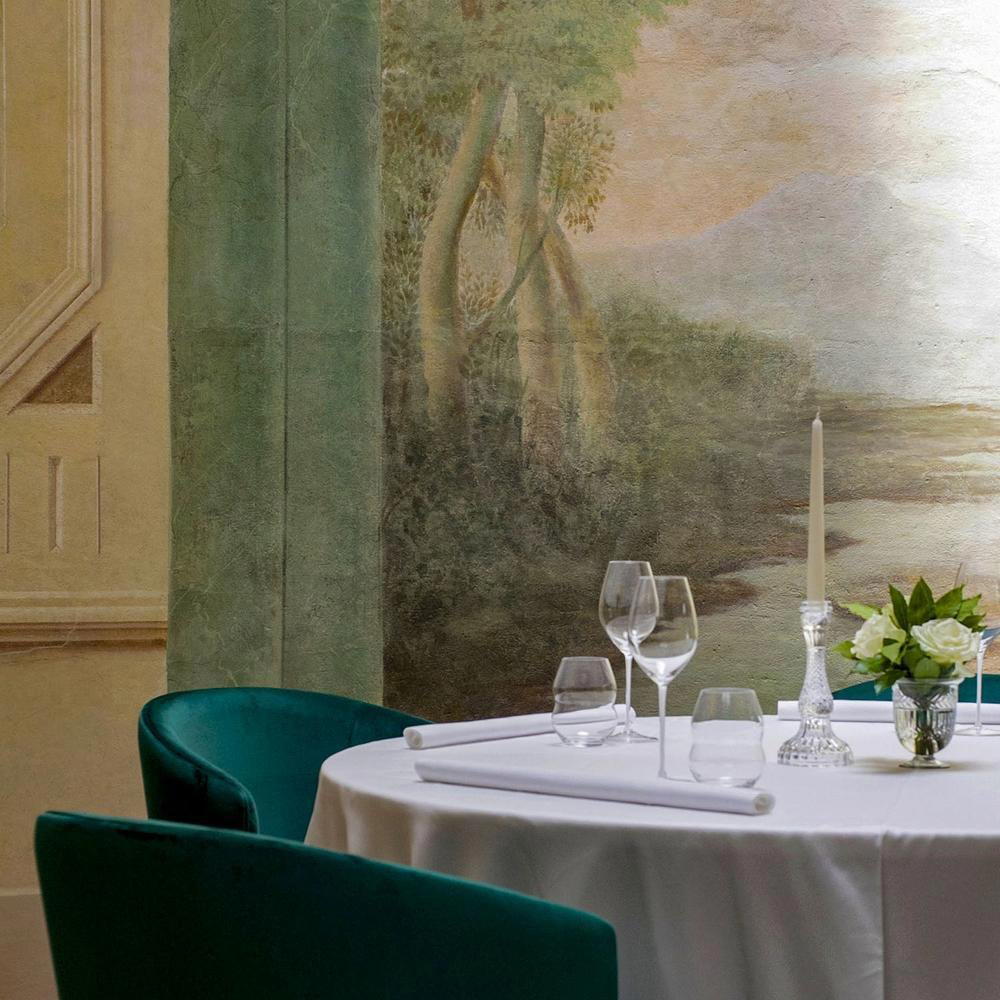
Cozy and elegant with candlelit dinners, mountain views from the garden, and a warm family atmosphere praised in guest reviews.