Willard Tea Room
Our verdict
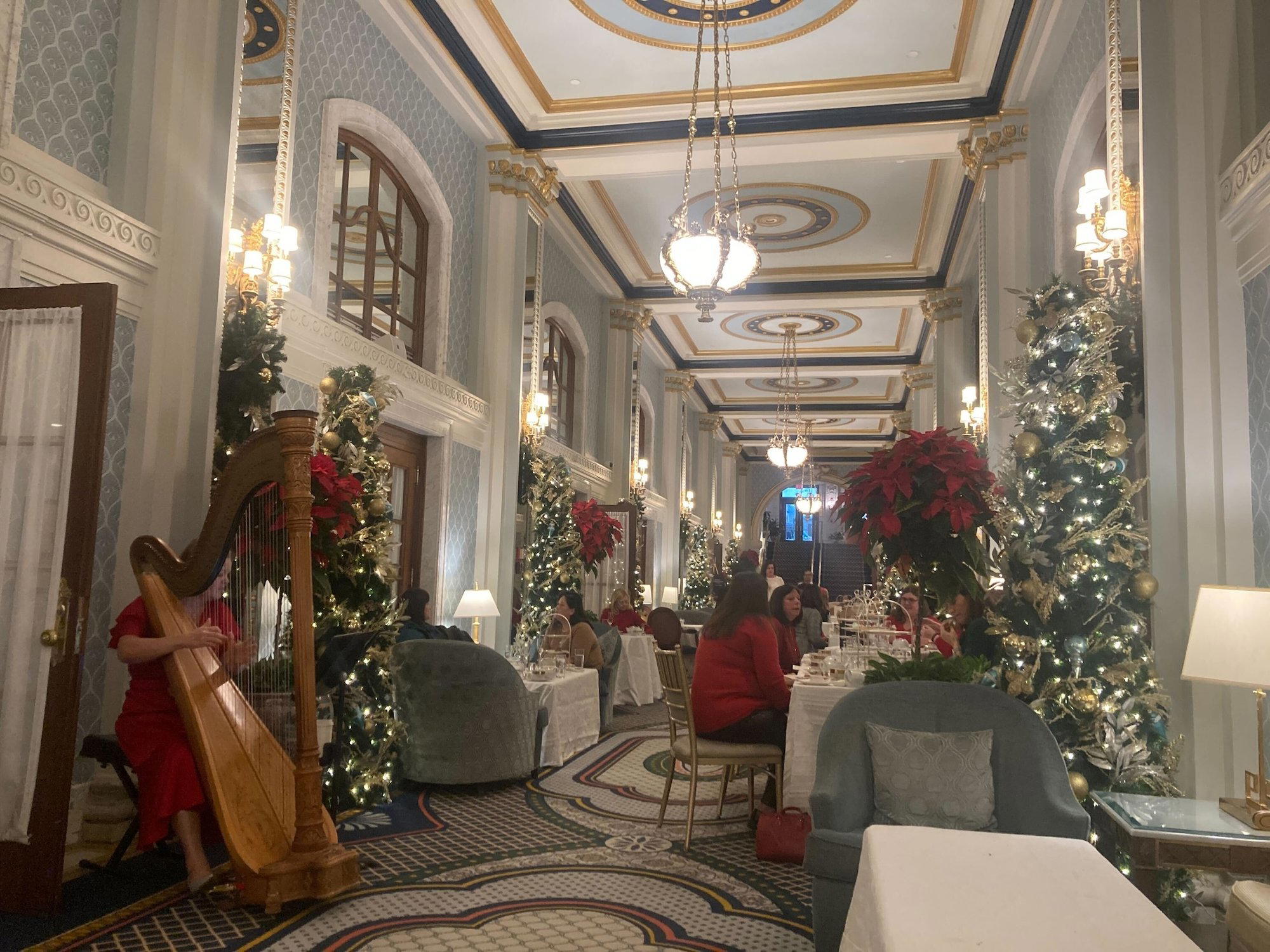
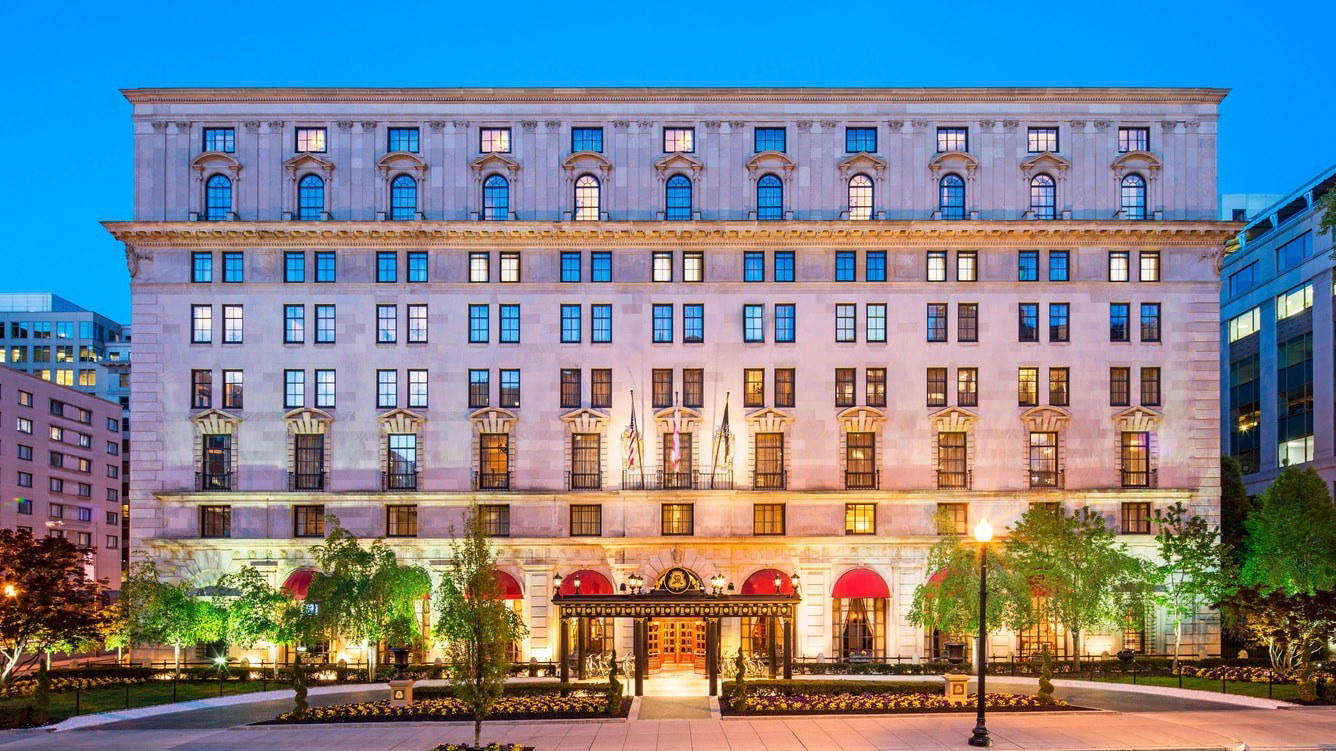
The Willard Tea Room occupies one of Pennsylvania Avenue's most historically freighted addresses, inside the Willard InterContinental hotel where presidents and lobbyists have gathered since the 1850s. As afternoon tea has cycled through periods of decline and revival across American hotel culture, the Willard's version has remained a reference point for the format in Washington, D.C., drawing visitors and locals to a room where the ceremony carries real institutional weight.

Pearl is the En Primeur Club membership app — saves, bookings, and concierge access live there. Same editors, same standards.
The menu
What to order
- Freshly baked scones
- Tea sandwiches
- Decadent pastries
A Room That Predates the Republic's Modern Rituals
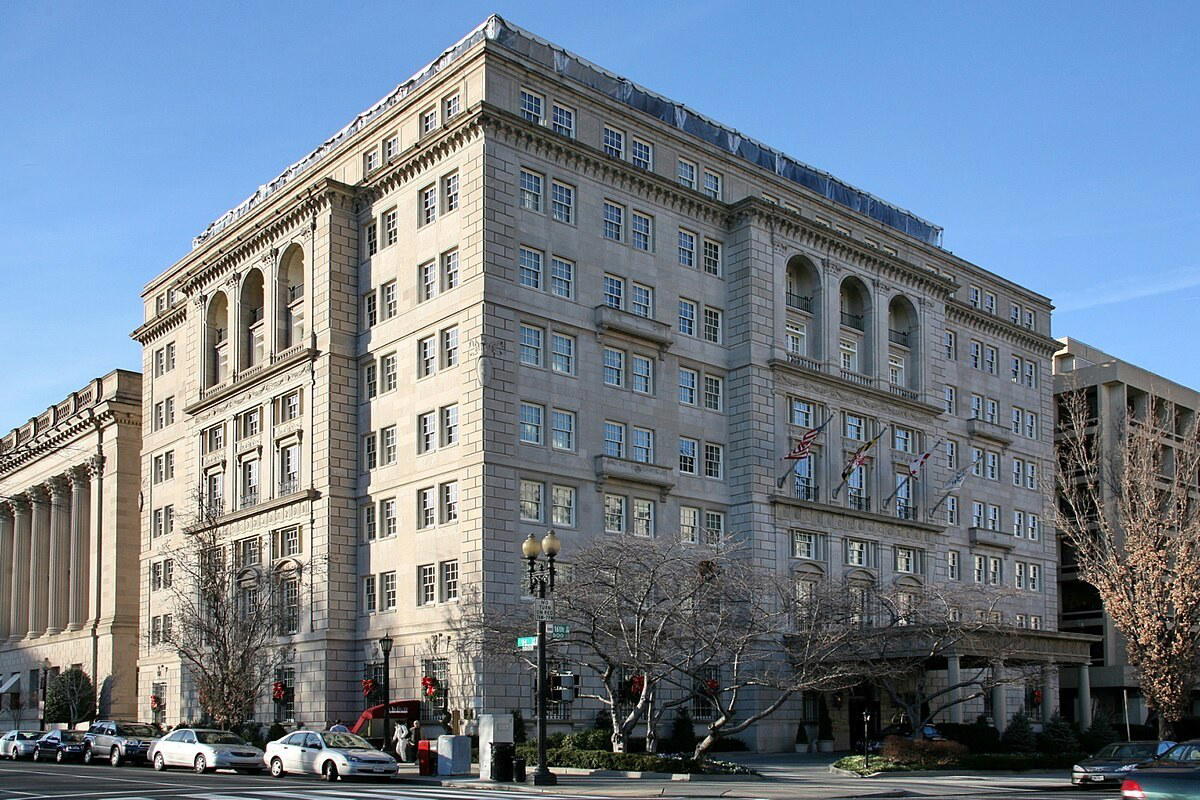
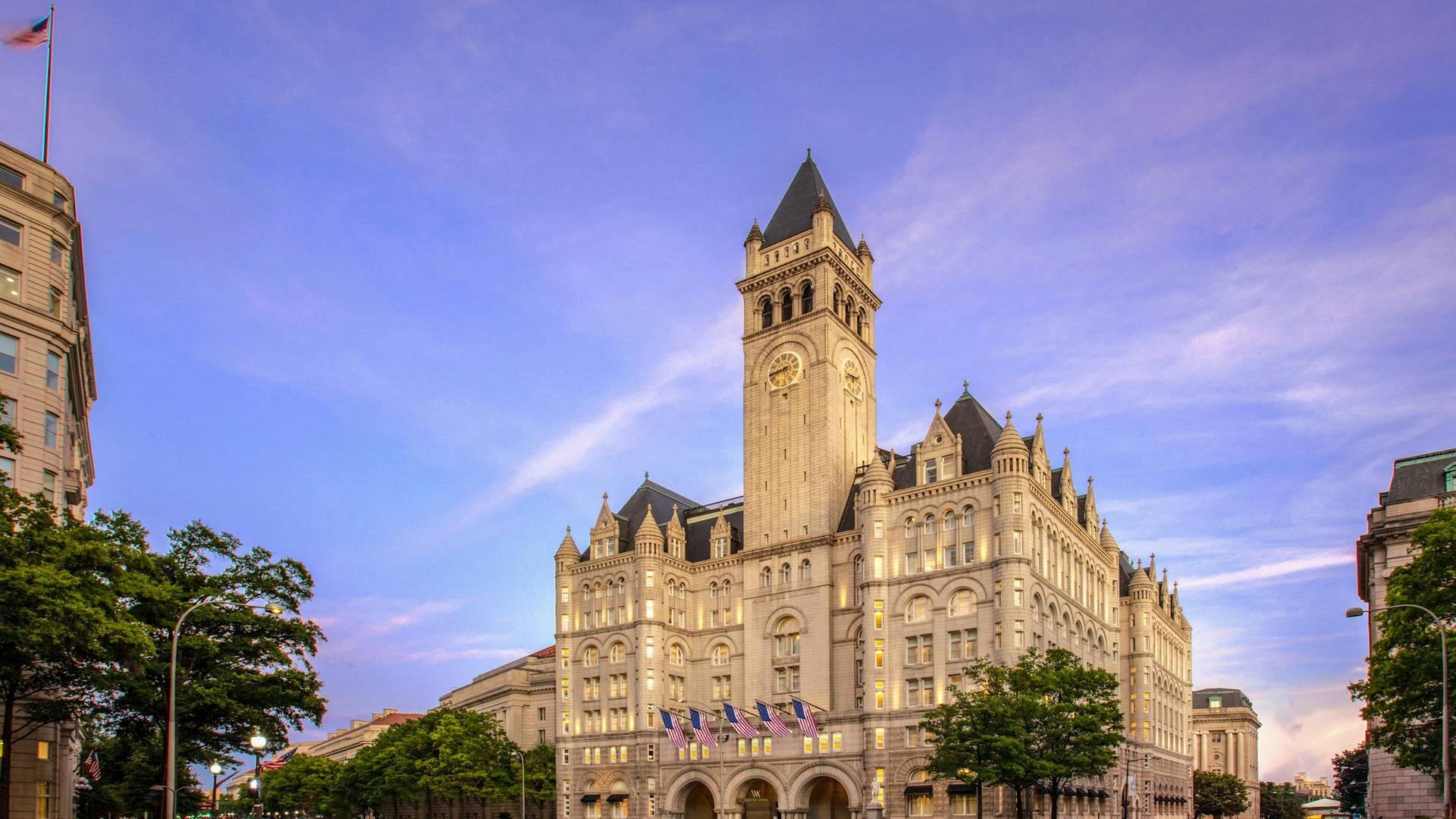
Pennsylvania Avenue does not lack for addresses weighted with history, but the stretch fronting the Willard InterContinental at 1401 carries a particular density of it. The hotel that anchors this block has operated in some form since the 1850s, and the rituals practiced inside its public rooms have tracked the city's political and social temperature across successive administrations. Afternoon tea in the United States has had an uneven century: dismissed as an anachronism through much of the mid-twentieth century, absorbed into hotel programming as a revenue amenity in the 1980s, and then slowly reassessed as a genuine hospitality format worth preserving on its own terms. The Willard Tea Room sits inside that arc, functioning as one of the more durable examples of the format in a city where ceremony tends to serve political purpose first and pleasure second.
How the Format Has Shifted Over Time
The evolution of afternoon tea at grand American hotels follows a recognizable pattern. The earliest versions were social rather than culinary events, organized around access and visibility rather than the quality of the food on tiered stands. By the late twentieth century, most hotel tea services had contracted into something closer to a branded amenity, a line item on the room service menu given a tablecloth and a silver pot. The more considered revival of recent decades has pushed in the opposite direction, with properties in major cities treating the tea hour as a distinct hospitality product with its own sourcing logic, seasonal menu structure, and service choreography.
Washington's position in this evolution is complicated by the city's peculiar relationship with formality. The capital entertains more visiting dignitaries, congressional delegations, and diplomatic missions than any comparable American city, which creates steady demand for ceremonial dining formats that can absorb the specific social pressures of a working political town. The Willard Tea Room has historically served that function, and its continued presence at one of the avenue's most recognizable addresses reflects how deeply the format is woven into the hotel's institutional identity. For context on how the broader D.C. dining scene has developed alongside these more traditional formats, our full Washington, D.C. restaurants guide maps the range from heritage rooms to the progressive kitchens now defining the city's national profile.
The Willard in Its Competitive Context
Afternoon tea occupies a different competitive bracket from tasting-menu dining, but the two categories share some structural logic: both depend on pacing, service sequencing, and the ability to justify a premium through something beyond the food itself. Washington's current tasting-menu tier includes addresses like Jônt and minibar, both operating at a national level of recognition. The Willard Tea Room does not compete in that register.
That distinction matters for how a visitor should frame the experience. The case for a hotel tea room of this vintage rests on its accumulated context: the weight of the building, the institutional memory of the service staff, and the specific pleasure of a format that has survived precisely because it resists the pressure to reinvent itself on an accelerating cycle. Across American cities, the hotel tea rooms that have maintained consistent reputations tend to be those attached to properties with genuine architectural and historical substance. The Willard has that in abundance.
For visitors who want to map the full range of D.C.'s serious dining, the city now has strong representation across multiple registers. Albi has built a case for Mid-Atlantic ingredients through a Middle Eastern lens, while Causa brings a Peruvian tasting format to a city that was slow to develop that tradition. Oyster Oyster represents D.C.'s growing commitment to produce-driven, sustainability-framed cooking. These newer addresses share almost no DNA with the Willard Tea Room, which is part of the point: a city's dining ecology needs both ends of that spectrum.
The National Tea Room Picture
To understand where the Willard Tea Room fits in the broader American hotel landscape, it helps to look at what the country's other historically significant dining rooms have done. Properties like The French Laundry in Napa and The Inn at Little Washington have pursued deep culinary ambition as their primary institutional claim. Others, like Emeril's in New Orleans, have maintained presence through the force of a chef's public identity. The tea room format at a grand hotel operates on a third logic: the building itself is the credential, and the service format is a vehicle for accessing the building's atmosphere in a structured way.
That approach has parallels at landmark properties globally. 8 1/2 Otto e Mezzo Bombana in Hong Kong demonstrates how a historic address can anchor a dining program of genuine distinction; the Willard's ambition is more modest in culinary terms, but the architectural and historical substrate is comparable in weight. Closer to home, the gap between heritage dining rooms and the progressive kitchens at places like Alinea in Chicago, Lazy Bear in San Francisco, or Providence in Los Angeles is widening, which makes the traditional hotel tea room an increasingly distinct category rather than simply an older version of the same thing.
Planning a Visit
The Willard InterContinental sits at 1401 Pennsylvania Avenue NW, within direct walking distance of the National Mall, the White House, and Federal Triangle Metro station. For visitors anchoring a day around D.C.'s central monuments, the location removes any logistical friction. Given the hotel's profile and the format's inherent demand on busy political calendars, advance planning is advisable, particularly for weekend afternoon slots and during peak political seasons when the hotel's meeting rooms and public areas operate at capacity. Specific booking details, current tea menu pricing, and seasonal variations should be confirmed directly with the hotel, as these change with programming cycles. For visitors building a broader D.C. itinerary, pairing the tea room visit with dinner at one of the city's progressive addresses, such as Jônt or Albi, gives the day a sensible range across D.C.'s current dining spectrum.
Frequently asked questions
How do I find Willard Tea Room?
Willard Tea Room is located at 1401 Pennsylvania Ave NW, Washington, DC 20004, Washington, D.C..
What is the historical significance of the Willard InterContinental's location for afternoon tea in Washington, D.C.?
The Willard InterContinental has occupied its Pennsylvania Avenue address since the 1850s, placing it among the longest-running hotel sites in Washington, D.C. That history puts the tea room in a different category from newer hotel dining rooms in the capital: the building has hosted presidents, foreign dignitaries, and political figures across more than 150 years of American civic life. For visitors drawn to Washington's political and architectural heritage, taking tea at this address carries a layer of context that purpose-built tea rooms in the city simply cannot replicate.
What's the best thing to order at Willard Tea Room?
Afternoon tea at a grand hotel address like 1401 Pennsylvania Avenue NW typically follows the three-tier structure: finger sandwiches on the bottom, scones with clotted cream and jam in the middle, and pastries on top. At historically prominent hotel tea rooms in this category, the scone course tends to be the anchor worth paying attention to, since it benchmarks the kitchen's commitment to the format. Check the current menu directly with the Willard InterContinental for specific seasonal offerings.
Do I need a reservation for Willard Tea Room?
A reservation is strongly advisable. The Willard InterContinental at 1401 Pennsylvania Avenue NW draws a consistent mix of Washington insiders, international visitors, and guests with proximity to the White House and National Mall — afternoon tea slots at this address fill well in advance, particularly on weekends. check the venue's official channels to confirm availability and booking procedures.
Where the Accolades Land
Comparable venues nearby, for context on price, style, and recognition.
| Venue | Cuisine | Price | Awards | Notes |
|---|---|---|---|---|
| Willard Tea RoomThis venue — the venue you are viewing | Traditional British Afternoon Tea | $50–100 | Not listed | Not listed |
| Waldorf Astoria DC Afternoon Tea | British Afternoon Tea | $100–150 | Not listed | East End |
| Bazaar Meat | Modern Spanish Tapas & Meats | $100–150 | Wine Spectator Best of Award of Excellence | Penn Quarter |
| Equinox - DC | Contemporary American Fine Dining | $30–50 | Not listed | Golden Triangle |
| Sakedokoro Makoto | Tokyo-Style Kappo | Not listed | Not listed | The Palisades |
| Del Mar | Spanish Seafood | $50–100 | Michelin Plate · Washingtonian 100 Very Best Restaurants #49 | Southwest Waterfront |
Continue exploring
More in Washington DC
Restaurants in Washington DC
All restaurants in Washington DC →
Bars in Washington DC
All bars in Washington DC →
Willard Tea Room
The wine
- Wine program
- Curated wine list
- Extensive wine list
Details
- Elegant
- Classic
- Well Known
- Sophisticated
- Ornate
- Special Occasion
- Celebration
- Historic Building
- Hotel Restaurant
- Live Music
- Extensive Wine List
- Street Scene
- Set Menu
- Tea Program
- Vegetarian Friendly
- Gluten Free Options
- Vegan Options
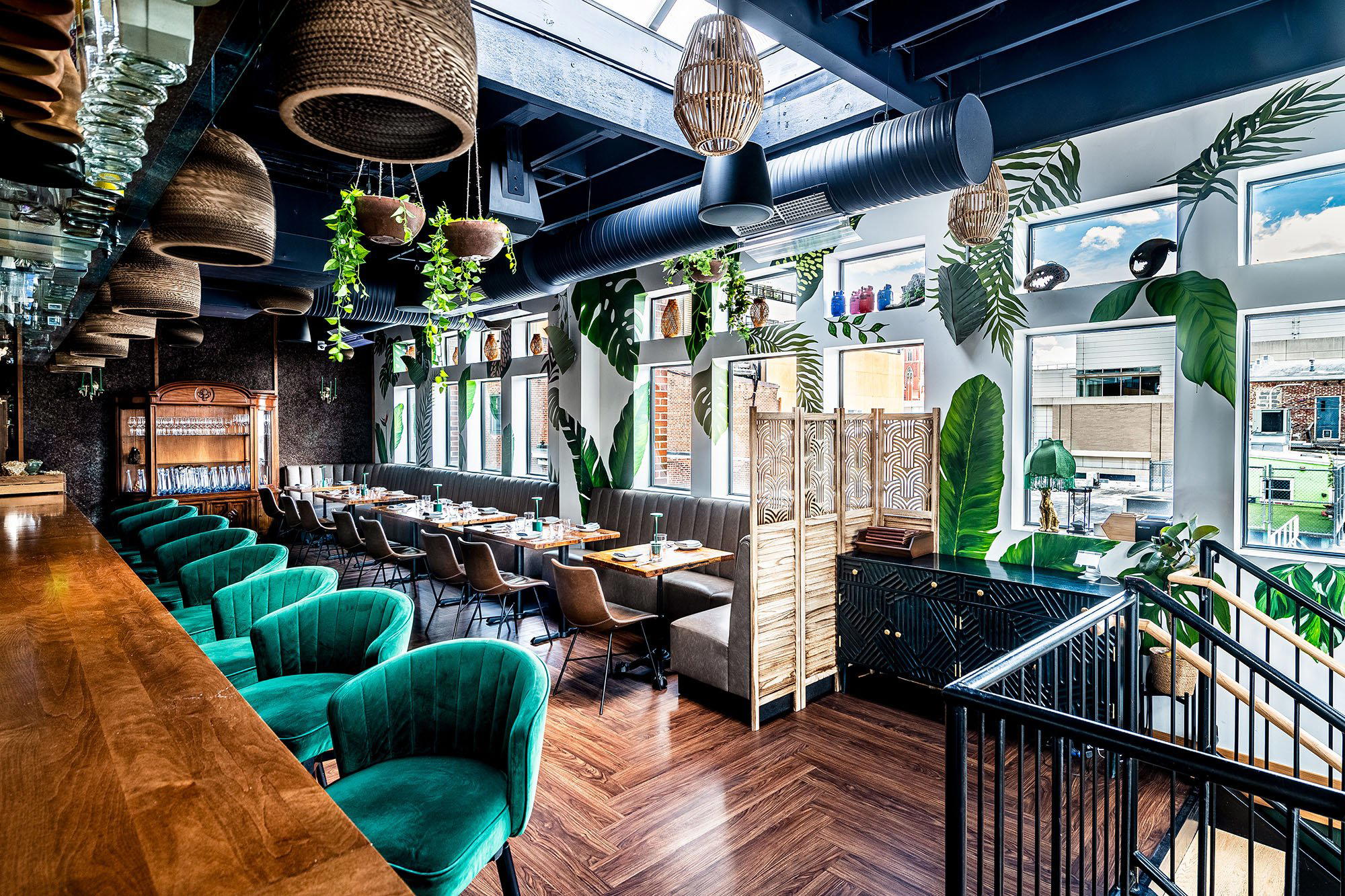
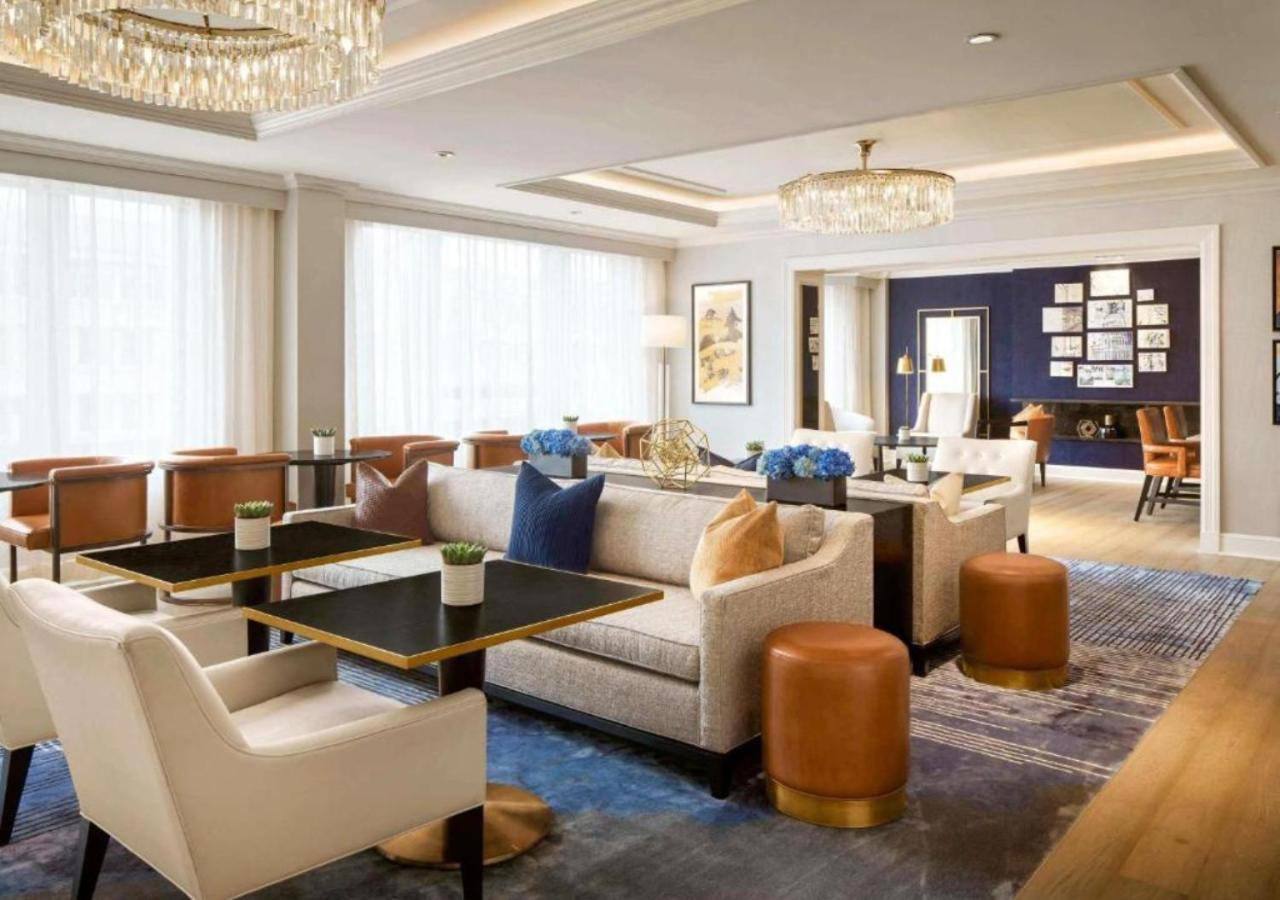
Grand and ornate with gleaming marble columns, gilded ceilings, plush velvet curtains, and elegant harp music creating a refined, luxurious atmosphere.