Waldorf Astoria DC Afternoon Tea
Our verdict
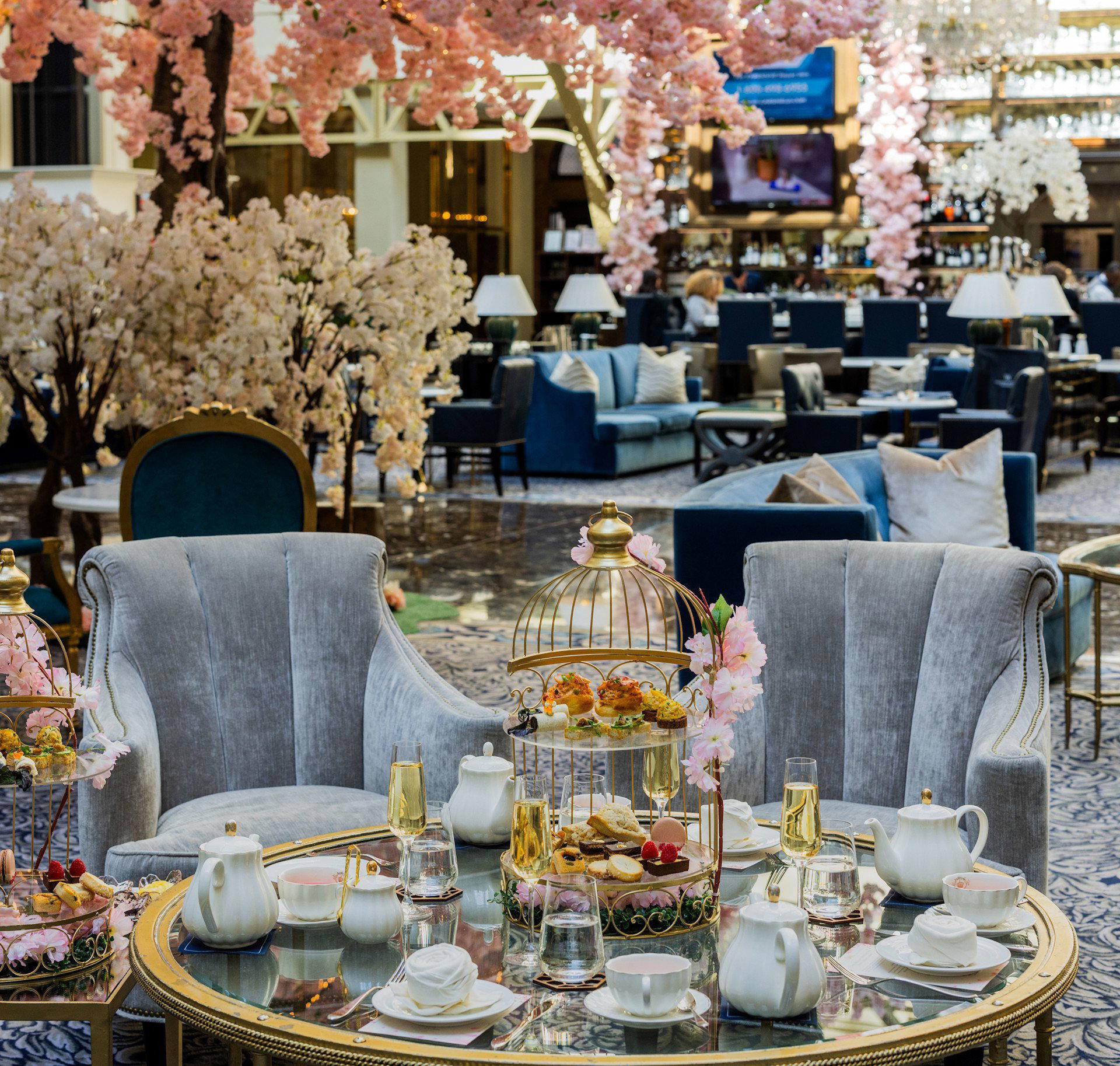
Afternoon tea at the Waldorf Astoria Washington DC occupies one of the most politically charged addresses in American hospitality: 1100 Pennsylvania Avenue NW, steps from the White House and the federal institutions that define the capital. The format places the tradition within a grand hotel setting where the architecture and address carry as much weight as anything on the tiered stand.

Pearl is the En Primeur Club membership app — saves, bookings, and concierge access live there. Same editors, same standards.
- Address
- 1100 Pennsylvania Ave NW, Washington, DC 20004
- Phone
- (202) 695-1100
- Directions
- Get directions
- Booking
- Book on OpenTable
The menu
What to order
- Maryland crab tart
- Cherry ricotta toast
- Orange thyme scones
Pennsylvania Avenue and the Weight of a Setting
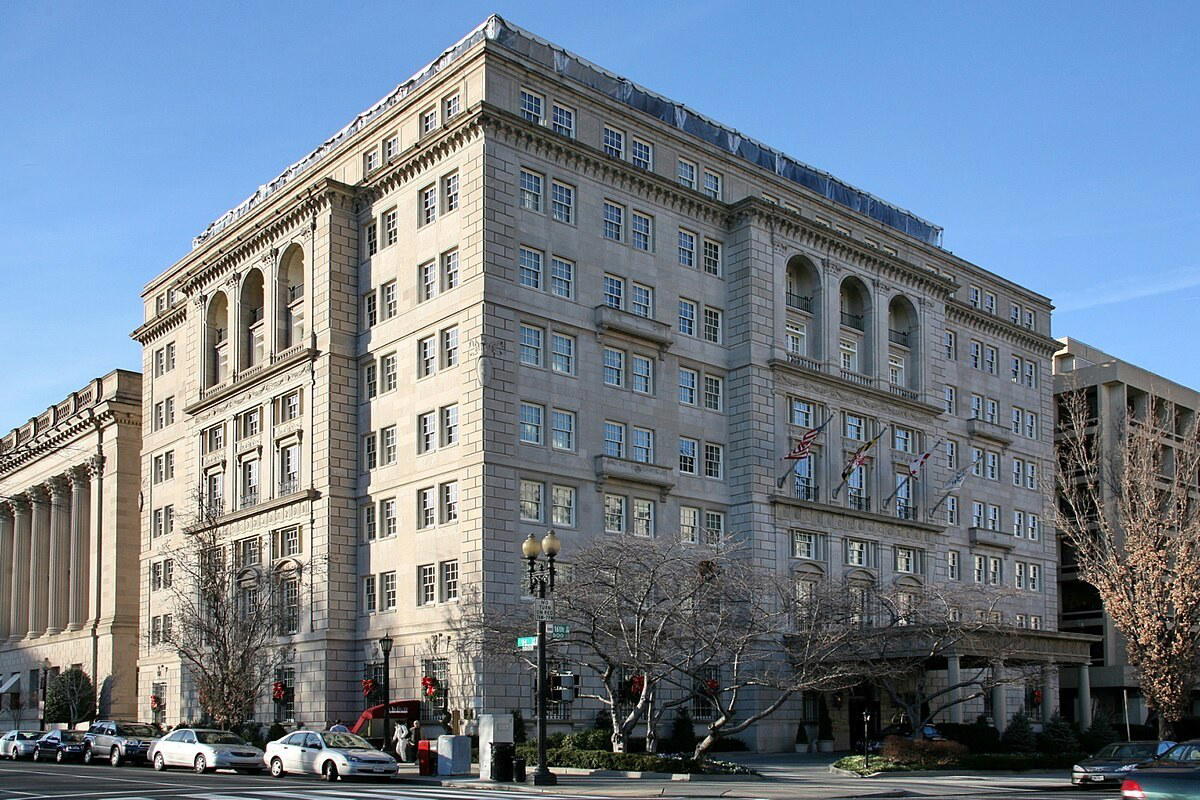
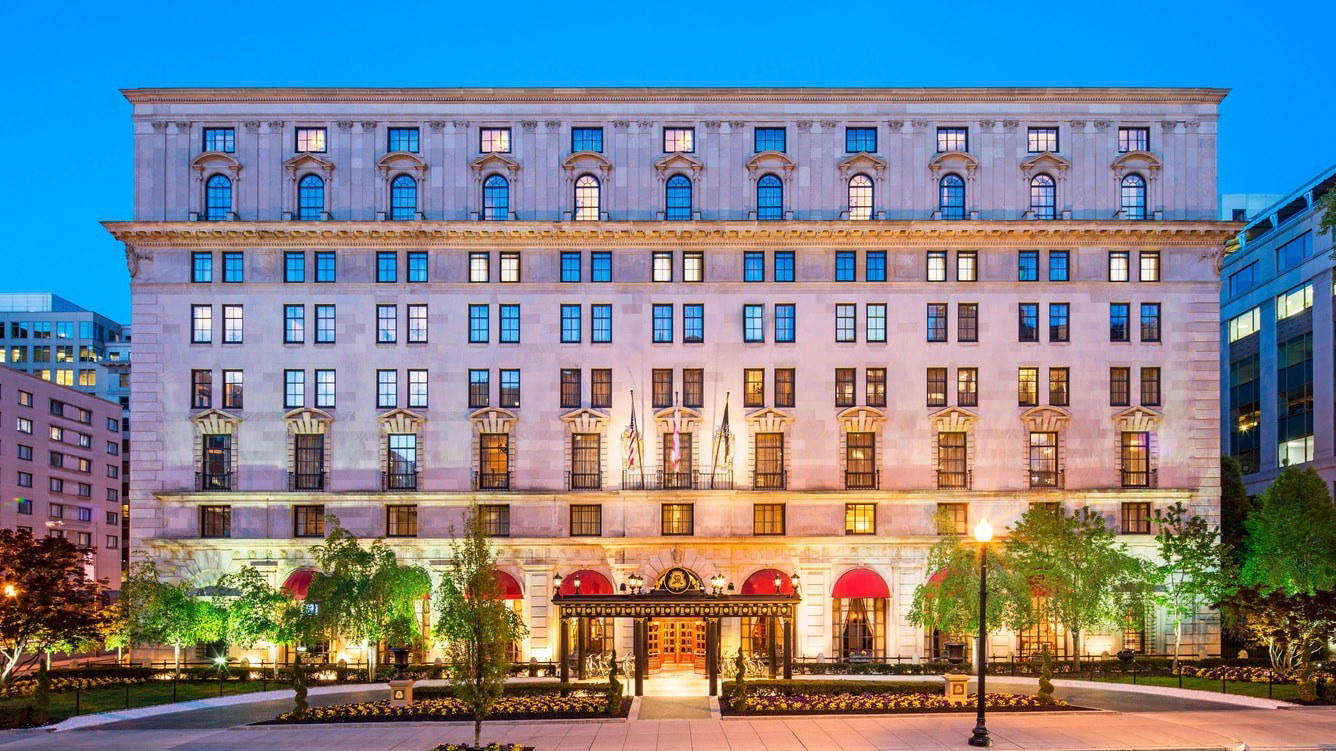
Pennsylvania Avenue does not offer neutral ground. The stretch between the Capitol and the White House is among the most symbolically loaded corridors in American civic life, and the Waldorf Astoria Washington DC sits squarely on it at 1100 Pennsylvania Ave NW. Walking through the entrance, the building's scale and its federal-classical bones register before anything else. This is not a tearoom tucked into a boutique property; it is a grand hotel on a grand avenue, and afternoon tea here carries the full implication of that address. Washington has long hosted power lunches and working dinners in rooms designed to communicate importance, and a properly executed afternoon tea in this context belongs to the same tradition of formal hospitality that the capital has practiced since its earliest political hotels.
For context on how D.C.'s dining scene more broadly balances formality with ambition, our full Washington, D.C. restaurants guide maps the city's competitive tiers across cuisine types and price points.
How Afternoon Tea Works as a Menu Format
Afternoon tea is one of the most structurally rigid formats in Western hospitality. Where a tasting menu at somewhere like Jônt or minibar allows the kitchen to sequence flavour over two or three hours through dozens of courses, afternoon tea collapses a meal into three horizontal registers on a tiered stand: savoury at the base, scones in the middle, patisserie at the leading. That architecture is deliberate. The savourics anchor the experience in something closer to lunch; the scones serve as a transitional element with clotted cream and preserve; the sweets signal the meal's endpoint. The format came from British aristocratic domestic life in the nineteenth century and has since migrated into grand hotel lobbies worldwide, where it functions as a mid-afternoon ritual that is equal parts meal and occasion.
What separates a hotel afternoon tea from a tearoom version is primarily the scale of the kitchen supporting it. A property of the Waldorf Astoria's tier brings pastry resources that a standalone café cannot match. The tiered stand in this context reflects the hotel's broader kitchen discipline: the savoury finger sandwiches are a measure of ingredient sourcing, the scone is a measure of baking precision, and the patisserie tier shows the pastry team's range. A well-executed set at this level will read as coherent rather than arbitrary — each tier chosen to hold its own structurally and to pair with the tea service rather than compete with it.
This kind of format sits apart from D.C.'s more chef-driven destination dining. Properties like Causa or Oyster Oyster make cuisine and sourcing philosophy the primary editorial statement. Afternoon tea at a grand hotel makes occasion the primary statement, with menu quality as supporting evidence for the room's credibility.
The Hotel Context and Its Competitive Position
Grand hotel afternoon tea in the United States occupies a smaller, more specific tier than its equivalent in London or Hong Kong. American cities have fewer properties with the institutional longevity to host the format without it reading as novelty. In D.C. the format has particular logic: the city receives a high volume of international visitors and diplomatic travellers already familiar with afternoon tea from European and Commonwealth contexts, and the Waldorf Astoria's address gives the ritual a civic dimension that properties in other American cities cannot replicate. Sitting on Pennsylvania Avenue, between federal monuments, with the National Mall within walking distance, is a geographic context that adds a layer of meaning the menu alone cannot manufacture.
Among American hotel experiences at the prestige tier, the reference points are few. Properties with similarly weighted settings include destinations like The Inn at Little Washington in Virginia, which operates in a different format but occupies an equivalent register of intention and formality. Nationally, the reference set for high-formality seated hospitality includes dining rooms at properties that compete on address, architecture, and service standard simultaneously — the kinds of experiences that benchmark against The French Laundry in Napa or Blue Hill at Stone Barns in Tarrytown in terms of occasion weight, even when the format is entirely different.
Reading the Setting Against the City
Washington's dining identity has shifted considerably over the past decade. The city that once defaulted to expense-account steakhouses and power-broker clubs now carries a more varied culinary argument, with chefs like those behind Albi expanding the city's Middle Eastern register and ambitious tasting menus competing credibly with national peers at properties like Addison in San Diego or Lazy Bear in San Francisco. Against that shifting backdrop, afternoon tea at the Waldorf Astoria reads as a deliberate counterpoint: unhurried, structured, and unambiguous about what it is. It does not participate in the city's competitive chef-driven scene. It participates in a different tradition, one where the room, the address, and the ritual itself are the primary offer.
That distinction matters for how you decide whether the experience fits your itinerary. If you are mapping D.C. through its most forward-facing restaurant culture, the Waldorf Astoria afternoon tea sits outside that circuit. If you are building an afternoon that matches the city's formal civic register, monuments, museums, Pennsylvania Avenue, the format aligns with that rhythm in a way that a dinner reservation at Causa or a counter seat at a tasting menu does not.
Planning Your Visit
The Waldorf Astoria Washington DC is located at 1100 Pennsylvania Ave NW, within walking distance of the National Mall, Federal Triangle Metro station, and the major Smithsonian museums. Afternoon tea at grand hotel properties at this tier typically requires advance reservation; arriving without one on a weekend or during peak tourist season along the Avenue is unlikely to yield a table. Dress expectations at a property of this calibre and address lean toward smart casual at minimum, with the room's formal architecture making a strong argument for dressing closer to the upper end of that range. The experience fits most naturally as a late-afternoon anchor, typically between 2pm and 5pm at properties following the standard service window, before an evening in Penn Quarter or the broader federal district.
Frequently asked questions
Is Waldorf Astoria DC Afternoon Tea a family-friendly restaurant?
What kind of setting is Waldorf Astoria DC Afternoon Tea?
What should I order at Waldorf Astoria DC Afternoon Tea?
How does afternoon tea at the Waldorf Astoria DC compare to other grand hotel tea services in the United States?
Cuisine and Recognition
| Venue | Cuisine | Price | Awards | Notes |
|---|---|---|---|---|
| Waldorf Astoria DC Afternoon TeaThis venue — the venue you are viewing | British Afternoon Tea | $100–150 | Not listed | Not listed |
| Causa | Modern Peruvian Fine Dining | $150–200 | 1 Michelin Star · James Beard Award Best Chef: Mid-Atlantic | Peruvian |
| Oyster Oyster | Modern Vegetable-Focused Tasting Menu | Not listed | 1 Michelin Star · James Beard Award Outstanding Chef #1 | New American, Vegetarian, Vegetarian (Sustainable) |
| Albi | Modern Levantine Fine Dining | $300–500 | 1 Michelin Star · World's 50 Best #6 | United States, Middle Eastern |
| Bresca | Modern French Bistronomy | $150–200 | 1 Michelin Star · James Beard Award Semi Finalist | Modern French, Contemporary |
| Gravitas | Modern American Fine Dining | $150–200 | 1 Michelin Star | New American, Contemporary |
Continue exploring
More in Washington DC
Restaurants in Washington DC
Browse all →
Bars in Washington DC
Browse all →
Hotels in Washington DC
Browse all →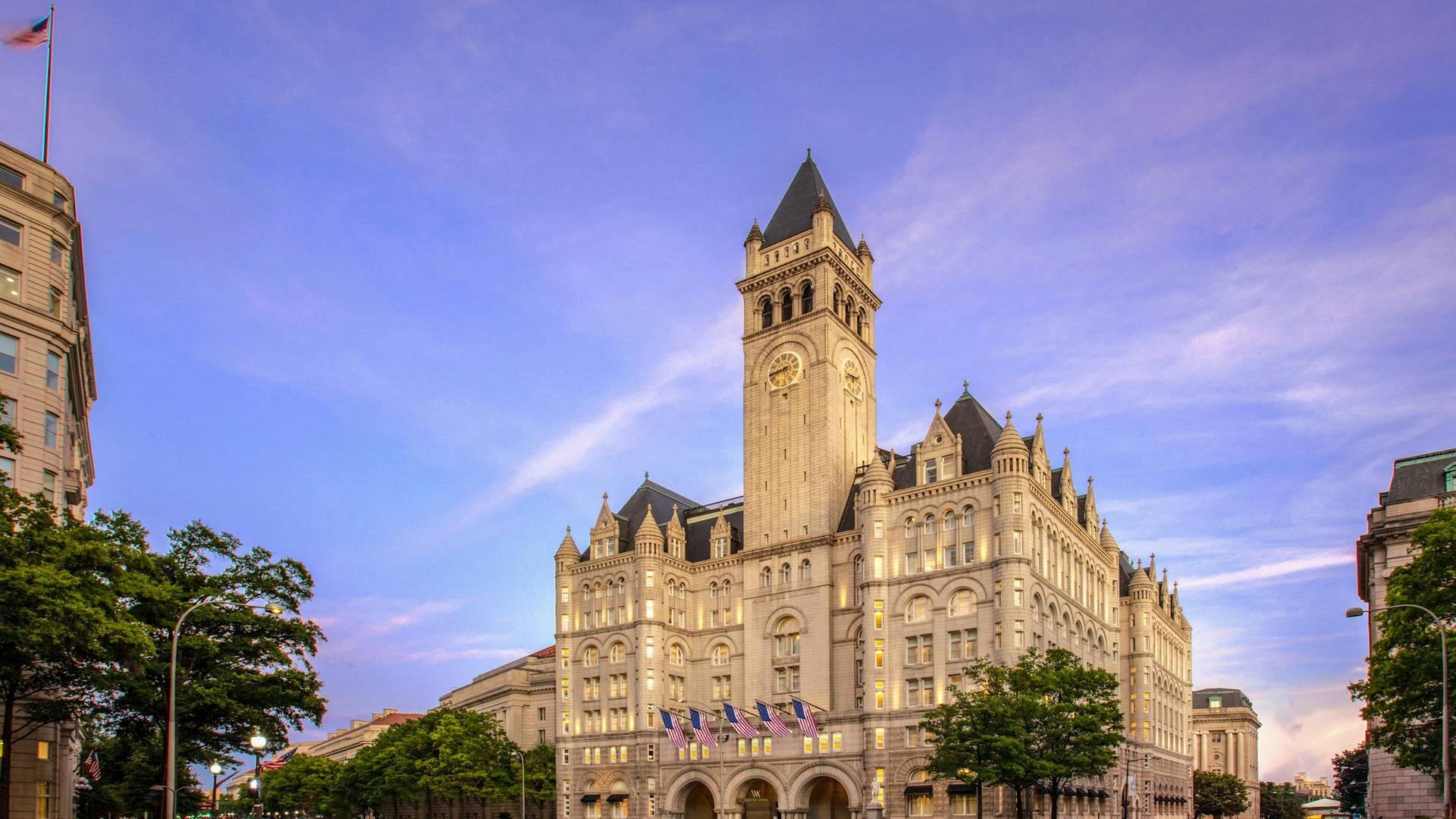
Waldorf Astoria DC Afternoon Tea
The wine
- Wine program
- Curated wine list
- Extensive wine list
Details
- Elegant
- Sophisticated
- Ornate
- Classic
- Special Occasion
- Celebration
- Hotel Restaurant
- Historic Building
- Extensive Wine List
- Set Menu
- Vegetarian Friendly
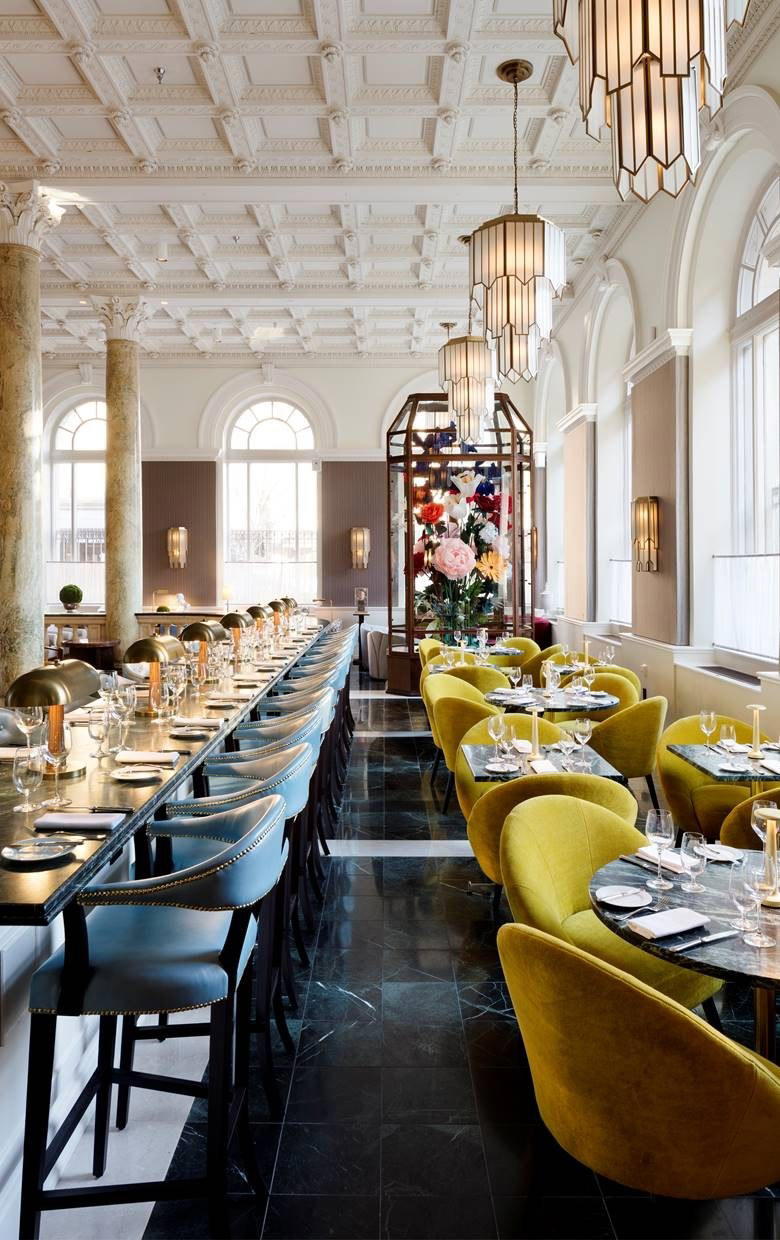
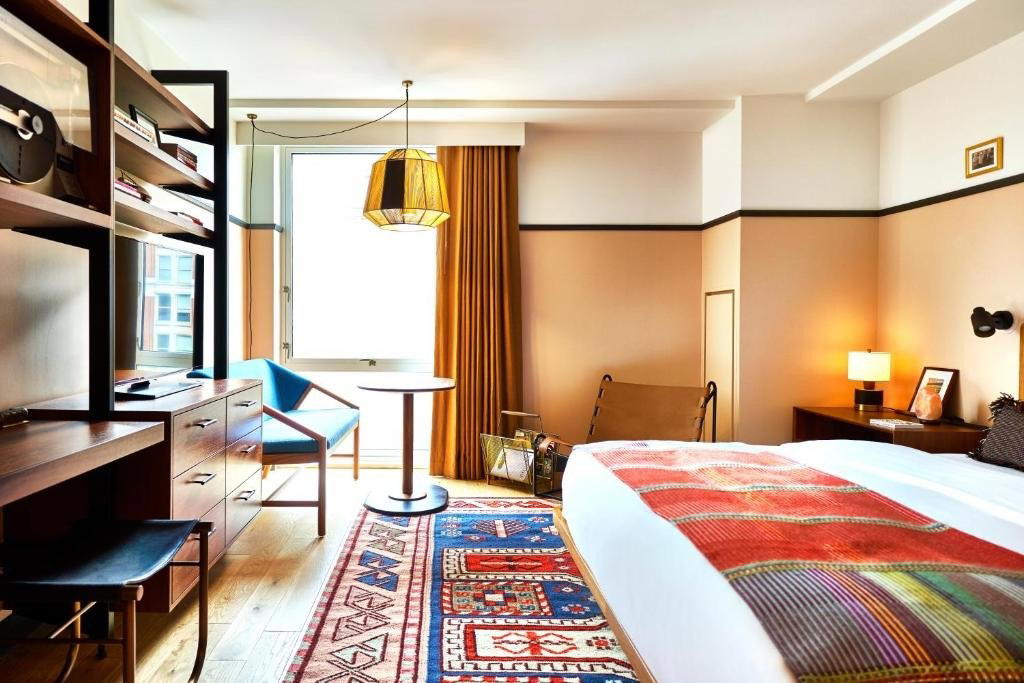
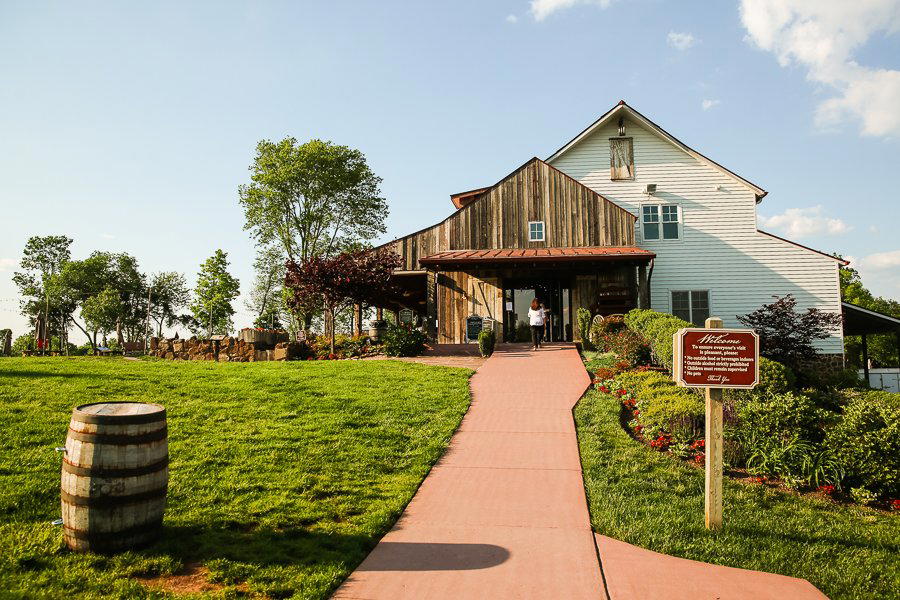
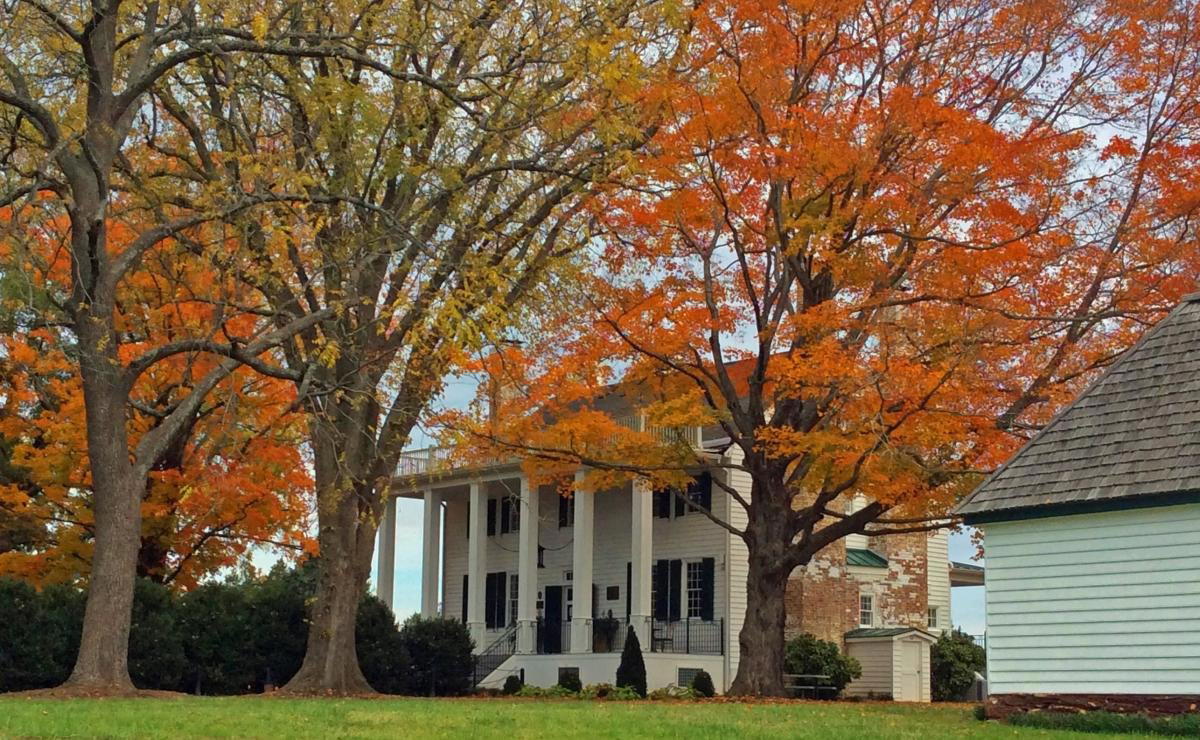
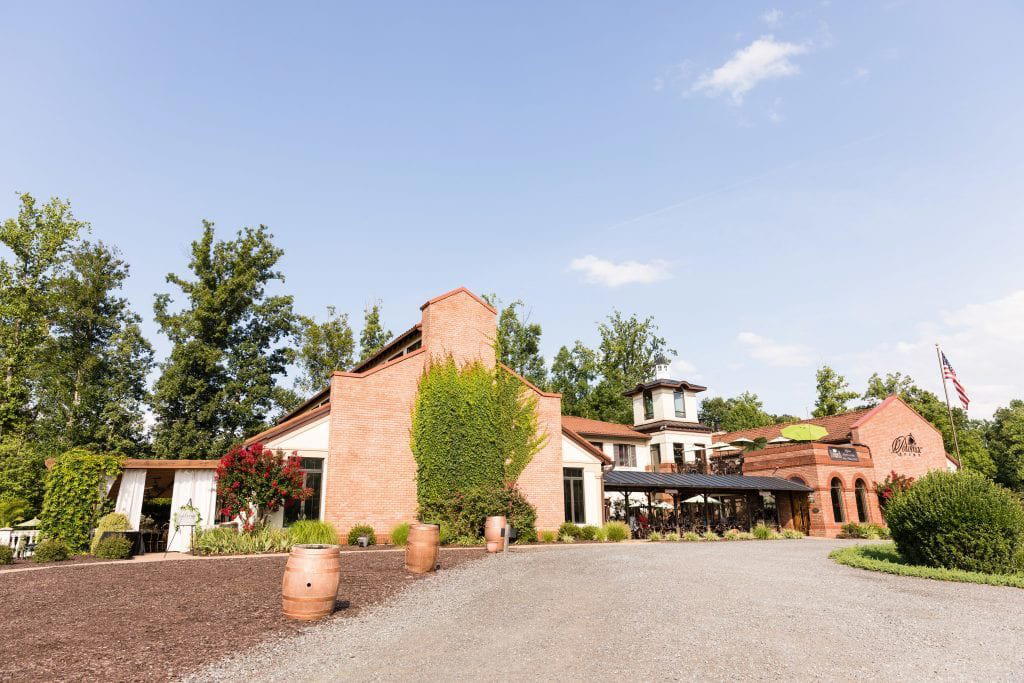
Elegant atmosphere in the soaring grand atrium with seasonal decor, live harpist, and refined lighting creating a luxurious, celebratory setting.