Wild Living Foods
Wild Living Foods operates at 760 Main St in the Arts District of Los Angeles, positioning itself within the city's plant-forward dining tier. The kitchen works from a raw and living foods framework, placing ingredient provenance and minimal processing at the center of its approach. For diners tracking Los Angeles's shift toward produce-led menus, it represents one address worth examining on that spectrum.
Pearl is the En Primeur Club membership app — saves, bookings, and concierge access live there. Same editors, same standards.
- Address
- 760 Main St, Los Angeles, CA 90014
- Phone
- +12132668254
- Website
- wildlivingfoods.com
- Directions
- Get directions
 Saves & bookings on Pearl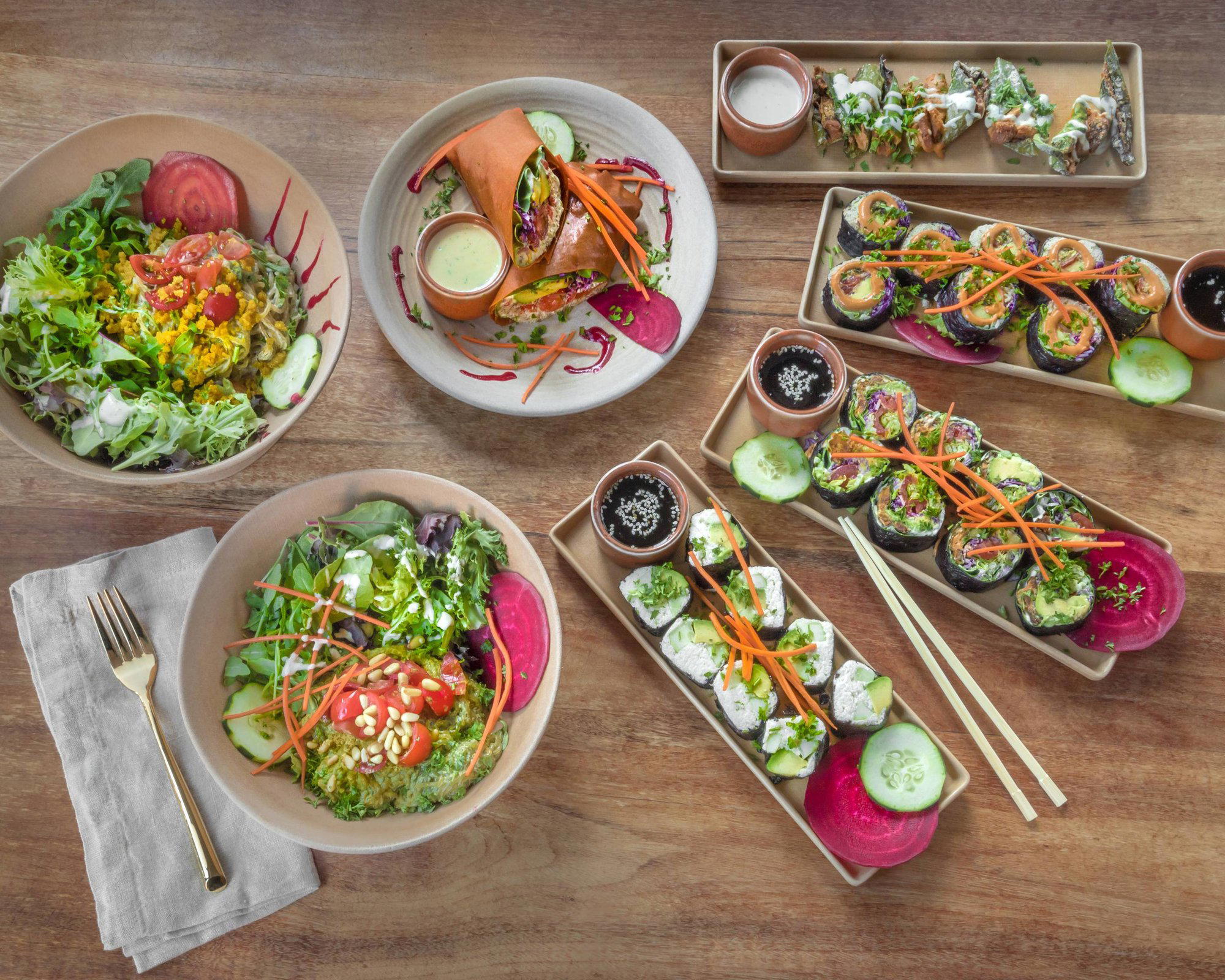
Where Downtown Los Angeles Meets Raw Ingredient Logic
The Arts District block on Main Street in downtown Los Angeles has spent the better part of a decade cycling through formats: warehouse conversions, coffee roasters, chef-driven counters. Wild Living Foods at 760 Main St sits inside that ongoing recalibration of what downtown dining can mean, occupying a space where the physical environment tends toward the unfussy and the menu framework is rooted in raw and living foods philosophy. Before you consider the plate, you're already reading the room: this is not a tasting-menu theater production in the vein of Somni, nor a white-tablecloth destination like Providence. It belongs to a different register entirely, one where the sourcing argument precedes every other consideration.
The Sourcing Argument at the Center of the Plate
Raw and living foods kitchens operate under a set of constraints that conventional restaurants simply don't face. When heat is removed as a tool, ingredient quality becomes non-negotiable rather than aspirational. A wilted green or a second-tier nut cannot be corrected in the pan. This reality has pushed particularly serious practitioners in this category toward obsessive supply-chain relationships: farmers markets, local sprouting operations, direct grower arrangements, and cold-chain discipline that rivals sushi counter standards.
In Los Angeles, that sourcing rigor is easier to maintain than in most American cities. The proximity to the San Joaquin Valley, the year-round growing seasons of Southern California, and the density of specialty producers operating within a 150-mile radius give plant-forward kitchens here a structural advantage. The farmers markets at Hollywood, Santa Monica, and the downtown Wednesday market at 8th and Grand collectively represent one of the deepest ingredient pools on the West Coast. Kitchens working in the raw foods space draw from that pool in ways that heat-forward restaurants often don't, because the ingredient's unmediated character is the finished dish.
Wild Living Foods operates within that tradition. The address in the Arts District places it close enough to downtown supply lines to receive produce at the kind of frequency that keeps living-foods menus rotating rather than static. Sprouts, ferments, activated nuts, cold-pressed preparations: each of these requires a supply logic that differs from conventional protein-and-starch procurement. The category's most serious examples, from New York's plant-forward operators to California-rooted programs like Blue Hill at Stone Barns in Tarrytown, treat the sourcing relationship as editorial content in its own right, something communicated to diners rather than kept in the back-of-house.
Where Wild Living Foods Sits in the Los Angeles Produce-Led Tier
Los Angeles has developed a produce-led dining culture with more internal stratification than it's often given credit for. At the summit of the price bracket, restaurants like Kato and Hayato build tasting menus around precision and cultural specificity, using local ingredients within highly technical frameworks. A tier below, the casual health-forward cafe operates on volume and accessibility. The raw and living foods format occupies a narrower band between those poles: it carries philosophical weight and often a higher preparation complexity than it appears, but it rarely commands tasting-menu pricing.
The comparison set for Wild Living Foods is not Osteria Mozza or the steakhouse tier. It is closer to the community of plant-based cafes and raw-focused counters that have been part of Los Angeles's food identity since the 1990s wellness boom, an era that gave the city a consumer base sophisticated enough to understand enzyme-active foods, fermentation, and the distinction between raw and merely uncooked. That consumer base has grown and diversified, and the category has followed.
For context across the national scene, farm-sourcing transparency has become a baseline expectation at serious American restaurants. Single Thread Farm in Healdsburg integrates its own farm into every plate. The French Laundry in Napa maintains an on-site kitchen garden. Bacchanalia in Atlanta has built its reputation partly on Georgia producer relationships. In each case, the sourcing story is structural, not decorative. The restaurant operates in a format where that logic is taken further still: because nothing is cooked, the ingredient's origin is its biography.
The Broader Los Angeles Plant-Forward Moment
Los Angeles ranks among the handful of American cities where plant-forward dining has moved from subculture to mainstream over the past fifteen years. The shift has been demographic as much as culinary: a population with deep wellness awareness, significant vegan and vegetarian communities across multiple ethnic traditions, and a climate that makes seasonal, local eating genuinely practical rather than aspirational. The result is that raw and living foods restaurants here face less of an explanatory burden than they would in, say, Chicago or New York. Diners arrive with context.
That context matters when you consider how the restaurant fits into the wider map of where to eat in the city. For readers building a broader Los Angeles itinerary, our full Los Angeles restaurants guide covers the range from kaiseki and contemporary Asian to French-inflected fine dining. The restaurant represents one specific point on that map, not a contrast to the fine dining tier but a parallel track with its own internal standards and its own comparable set.
Nationally, the conversation around ingredient sourcing has reached restaurants operating at every price point. Lazy Bear in San Francisco builds provenance into its narrative as deliberately as it builds the menu. Alinea in Chicago and Atomix in New York approach ingredient sourcing from a technique-forward position. Addison in San Diego and The Inn at Little Washington treat local sourcing as a regional identity signal. Even internationally, restaurants like 8 1/2 Otto e Mezzo Bombana in Hong Kong and Emeril's in New Orleans built their reputations partly through sourcing specificity. The raw foods format simply takes that logic to its most unmediated form: no cooking intervenes between the field and the fork.
Planning a Visit
The restaurant is located at 760 Main St, Los Angeles, CA 90014, in the Arts District on the eastern edge of downtown. The neighborhood is walkable from the Little Tokyo Metro station and accessible by surface parking on surrounding streets. The restaurant is walk-in friendly and open daily from 9 AM to 11 PM.
A Quick Peer Check
Comparable venues nearby, for context on price, style, and recognition.
| Venue | Cuisine | Price | Notes |
|---|---|---|---|
| Wild Living FoodsThis venue — the venue you are viewing | Raw Vegan Living Foods | $$ | Not listed |
| The Punchbowl Los Angeles | Organic Cold-Pressed Juices & Plant-Based Smoothies | $$ | Los Feliz |
| Gaby’s | California Fresh Bowls & Sandwiches | $$ | Los Angeles |
| COMMISSARY | Modern Vegetable-Driven American | $$ | Koreatown |
| The Lab Gastropub | Modern American Gastropub | $$ | University Park |
| Bonjuk | Traditional Korean Porridge & Bibimbap | $$ | Wilshire Center |
Continue exploring
More in Los Angeles
Restaurants in Los Angeles
Browse all →
Bars in Los Angeles
Browse all →
Hotels in Los Angeles
Browse all →
Wineries in Los Angeles
Browse all →
At a Glance
- Trendy
- Modern
- Minimalist
- Casual Hangout
- Brunch
- Open Kitchen
- Zero Proof
- Organic
- Local Sourcing
Current opening hours
- Monday
- 9 AM–11 PM
- Tuesday
- 9 AM–11 PM
- Wednesday
- 9 AM–11 PM
- Thursday
- 9 AM–11 PM
- Friday
- 9 AM–11 PM
- Saturday
- 9 AM–11 PM
- Sunday
- 9 AM–11 PM
Hours can change for holidays and private events. Last verified .
Bright, hip, and energizing atmosphere focused on healing through fresh, nutrient-dense plant-based foods in the heart of DTLA.