Bonjuk
Bonjuk occupies the second floor of a Koreatown retail complex on West 6th Street, placing it squarely inside one of Los Angeles's most food-dense corridors. The restaurant specialises in juk, the Korean rice porridge tradition that sits at the opposite end of the spectrum from the neighbourhood's grilled-meat and late-night drinking culture. It is a practical, considered stop for anyone working through Koreatown's dining depth.
Pearl is the En Primeur Club membership app — saves, bookings, and concierge access live there. Same editors, same standards.
- Address
- 3500 W 6th St #222, 2nd floor, Los Angeles, CA 90020
- Phone
- +1 213 380 2248
- Website
- bonif.co.kr
- Directions
- Get directions
 Saves & bookings on Pearl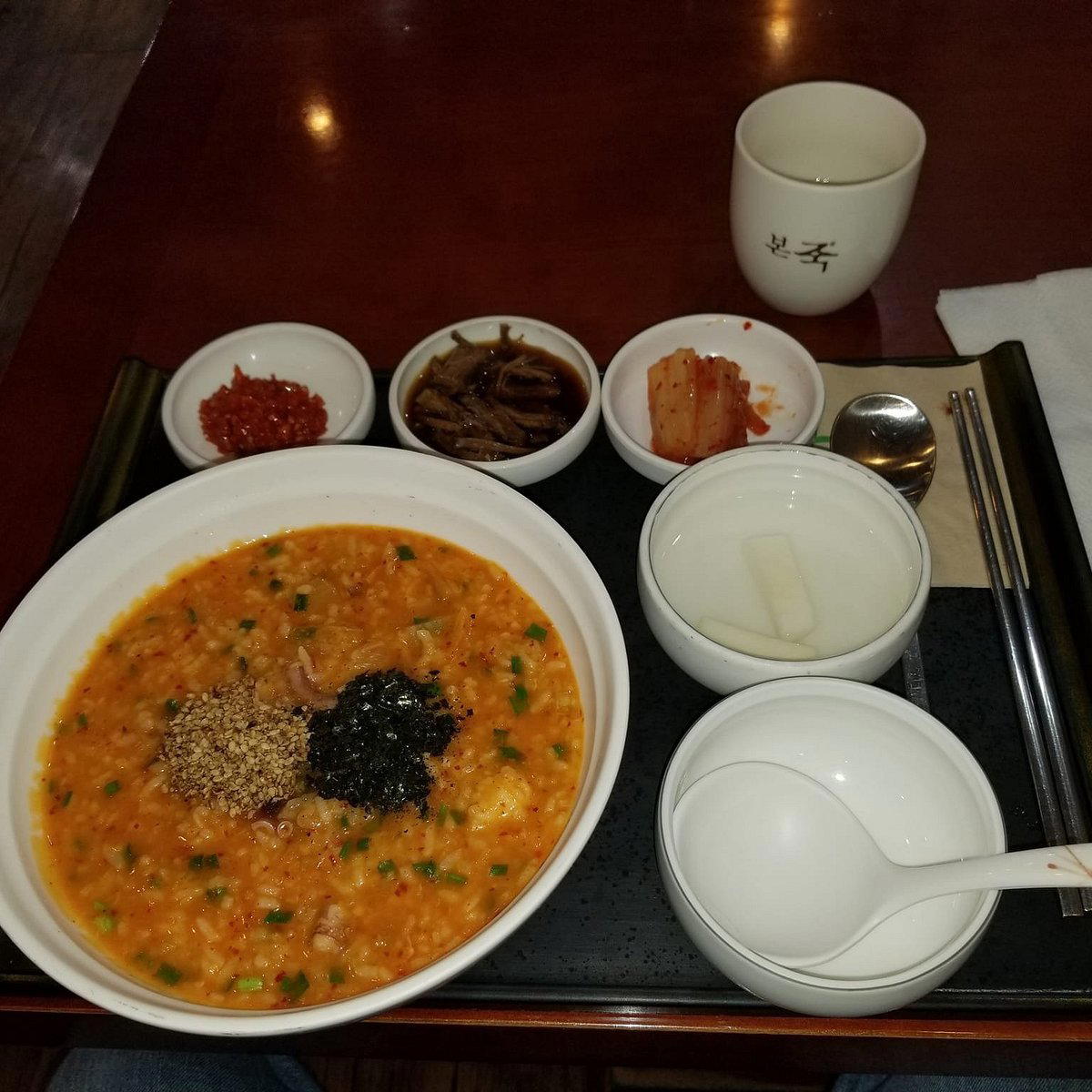
West 6th Street and the Koreatown Dining Corridor
The stretch of West 6th Street running through Los Angeles's Koreatown carries substantial restaurant density. The area has long operated as a dining ecosystem: Korean barbecue anchors one tier, pojangmacha-style drinking spots fill another, and everyday Korean cooking occupies the spaces between. Bonjuk sits at 3500 W 6th Street, second floor of a retail complex at suite 222, and its elevation above street level is part of what defines the experience. You arrive via stairs or elevator into a dining room above the street.
Koreatown's position in the Los Angeles dining conversation has shifted over time. Alongside the neighbourhood's own density, the city's broader Korean food profile has expanded, with restaurants like Kato and Hayato occupying the high-end end of Asian dining in Los Angeles at the $$$$ tier. Bonjuk operates in a different register entirely, representing a category of Korean dining that prioritises approachability and daily utility over occasion dining. That distinction matters for understanding where it fits in our full Los Angeles restaurants guide.
Juk as a Dining Category
Korean rice porridge, juk, occupies a specific cultural position in Korean food culture that differs from its counterparts elsewhere in Asia. Where Cantonese congee tends toward a fully broken-down, loose texture, juk is often prepared with more structural integrity in the grain, and the flavour profiles range from savoury seafood and meat versions to sweeter preparations using red bean or pumpkin. The dish is associated in Korea with recovery meals, early mornings, and considered eating rather than celebratory dining, which gives restaurants in this category a particular atmosphere: quieter, more deliberate, and often preferred by diners who know Korean food well enough to move past the barbecue and fried chicken categories that tend to dominate non-Korean awareness of the cuisine.
Bonjuk is a franchised Korean chain with a significant presence across South Korea and a growing footprint in Korean-American communities in the United States. The Los Angeles location places the brand in direct contact with one of the country's largest and most food-literate Korean diaspora populations. That context shapes the audience: diners here are largely familiar with juk as a category and are comparing the execution against a personal benchmark rather than encountering it for the first time. This is a different dynamic from, say, a tasting menu restaurant like Somni or Providence, where the frame of reference is constructed by the restaurant itself.
The Second-Floor Setting
The second-floor location within a retail complex is common in Korean commercial architecture. The entrance is set back from the street, and the restaurant is not visible until you reach the upper level. Once inside, the setting aligns with the Bonjuk brand standard: functional, clean, and oriented toward the food rather than the room. This is not the kind of environment that competes with the design-led properties that define a different tier of Los Angeles dining, in the same way that Osteria Mozza or restaurants operating in the experiential register of Le Bernardin in New York City use space as part of the value proposition. The room here is in service of the meal, not the other way around.
For context on how different dining formats function at the highest levels of American restaurant culture, it is worth considering the range covered by venues like Lazy Bear in San Francisco, Smyth in Chicago, Addison in San Diego, and The French Laundry in Napa. Bonjuk occupies a completely different category, one where the value is in consistency, accessibility, and cultural specificity rather than in tasting-menu ambition.
Planning a Visit
The West 6th Street address places Bonjuk within Koreatown's retail and dining corridor. The second-floor location is accessible via elevator for those who need it. Bonjuk is walk-in friendly and open daily, with hours running from 10:30 AM to 9 PM Monday through Saturday and 10:30 AM to 8 PM on Sunday. The format, a counter-style or table-service porridge restaurant, sits in a price tier well below the fine dining venues that occupy the premium end of Los Angeles dining, making it appropriate for casual visits without occasion-level planning. For those exploring the neighbourhood alongside higher-end options, the contrast between a bowl of juk here and tasting menus nearby illustrates the range of Koreatown dining.
Travellers building a broader American dining itinerary who are also visiting cities like New Orleans, Boulder, or the Hudson Valley might reference our coverage of Emeril's in New Orleans, Frasca Food and Wine in Boulder, Blue Hill at Stone Barns in Tarrytown, Single Thread Farm in Healdsburg, The Inn at Little Washington, and Atomix in New York City to map the full range of serious dining across the country. Within Los Angeles specifically, understanding how a category like juk fits alongside the city's broader Korean food depth, and alongside venues operating at the level of Atelier Moessmer Norbert Niederkofler in Brunico in terms of international dining ambition, is part of what makes the city's food scene genuinely complex to read.
Style and Standing
Comparable venues nearby, for context on price, style, and recognition.
| Venue | Cuisine | Price | Notes |
|---|---|---|---|
| BonjukThis venue — the venue you are viewing | Traditional Korean Porridge & Bibimbap | $$ | Not listed |
| Origin Korean Barbecue | Authentic Korean BBQ | $$ | Wilshire Center |
| Soowon Galbi | Traditional Korean BBQ | $$ | Koreatown |
| Cho Dang Gol | Traditional Korean Tofu House | $$ | Not listed |
| Jeon Ju Korean Bibimbap Restaurant | Korean Bibimbap Specialist | $$ | Pico-Union |
| The Mulberry | Modern Korean-American Bistro | $$$ | Sawtelle |
Continue exploring
More in Los Angeles
Restaurants in Los Angeles
Browse all →
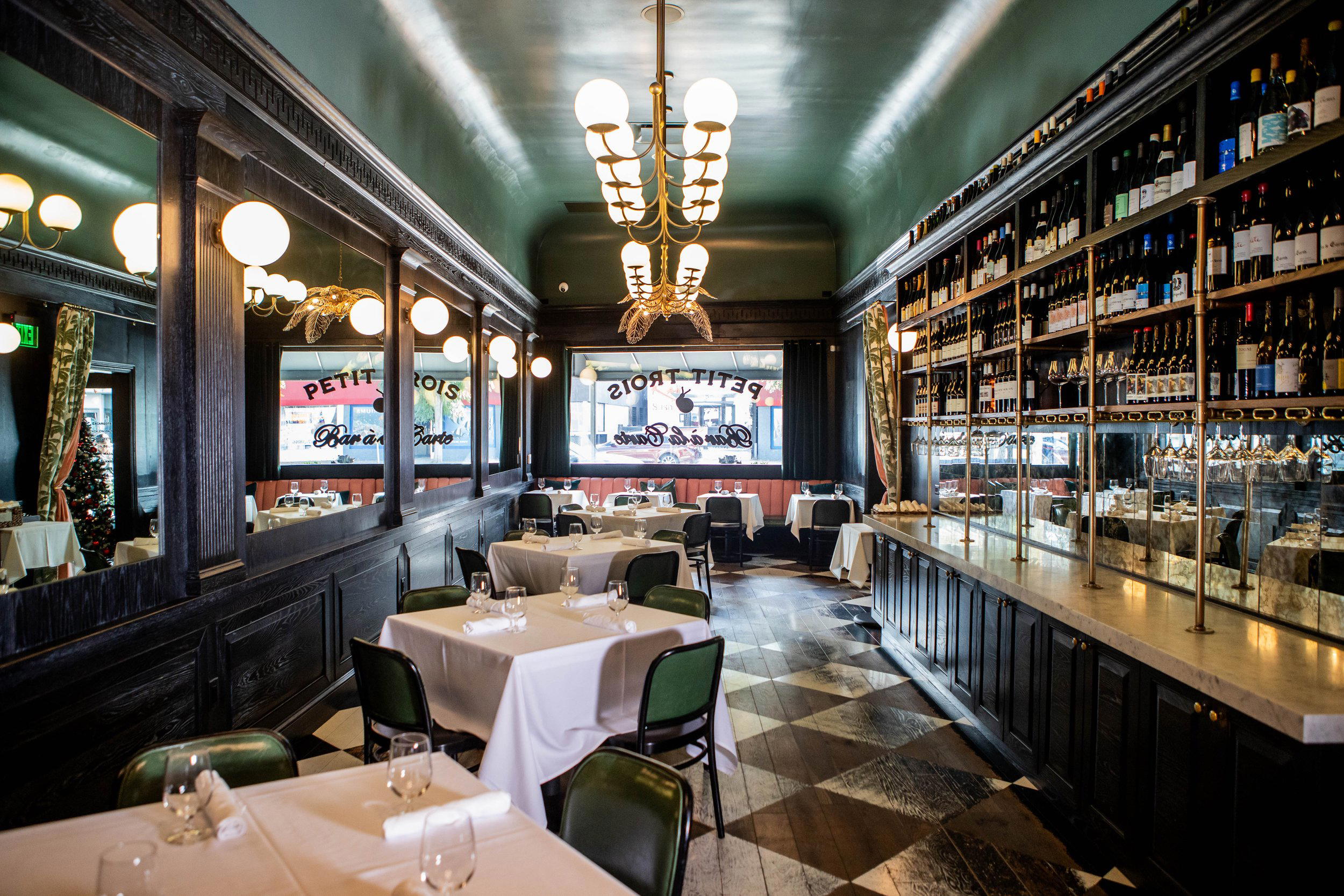
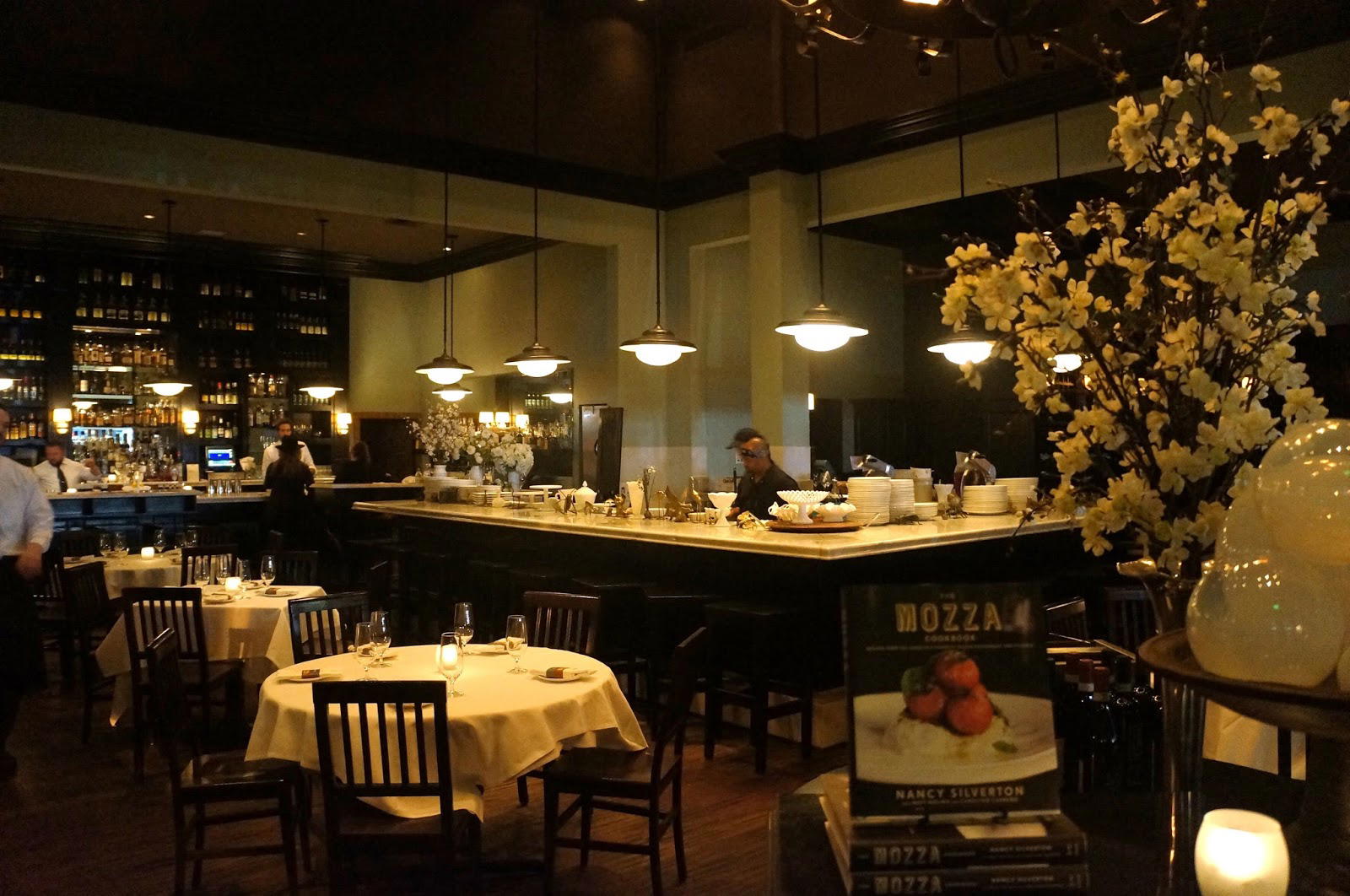
Bars in Los Angeles
Browse all →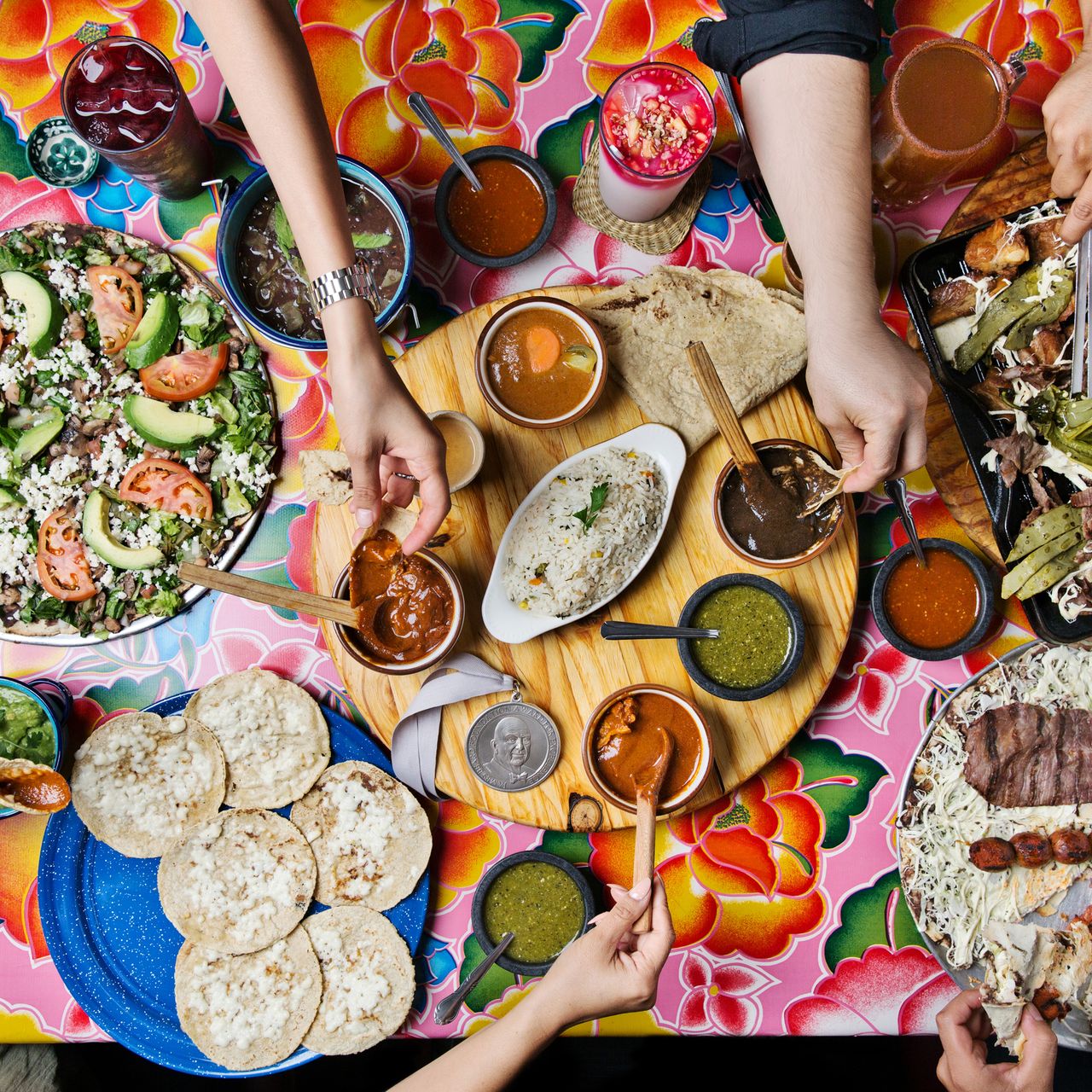
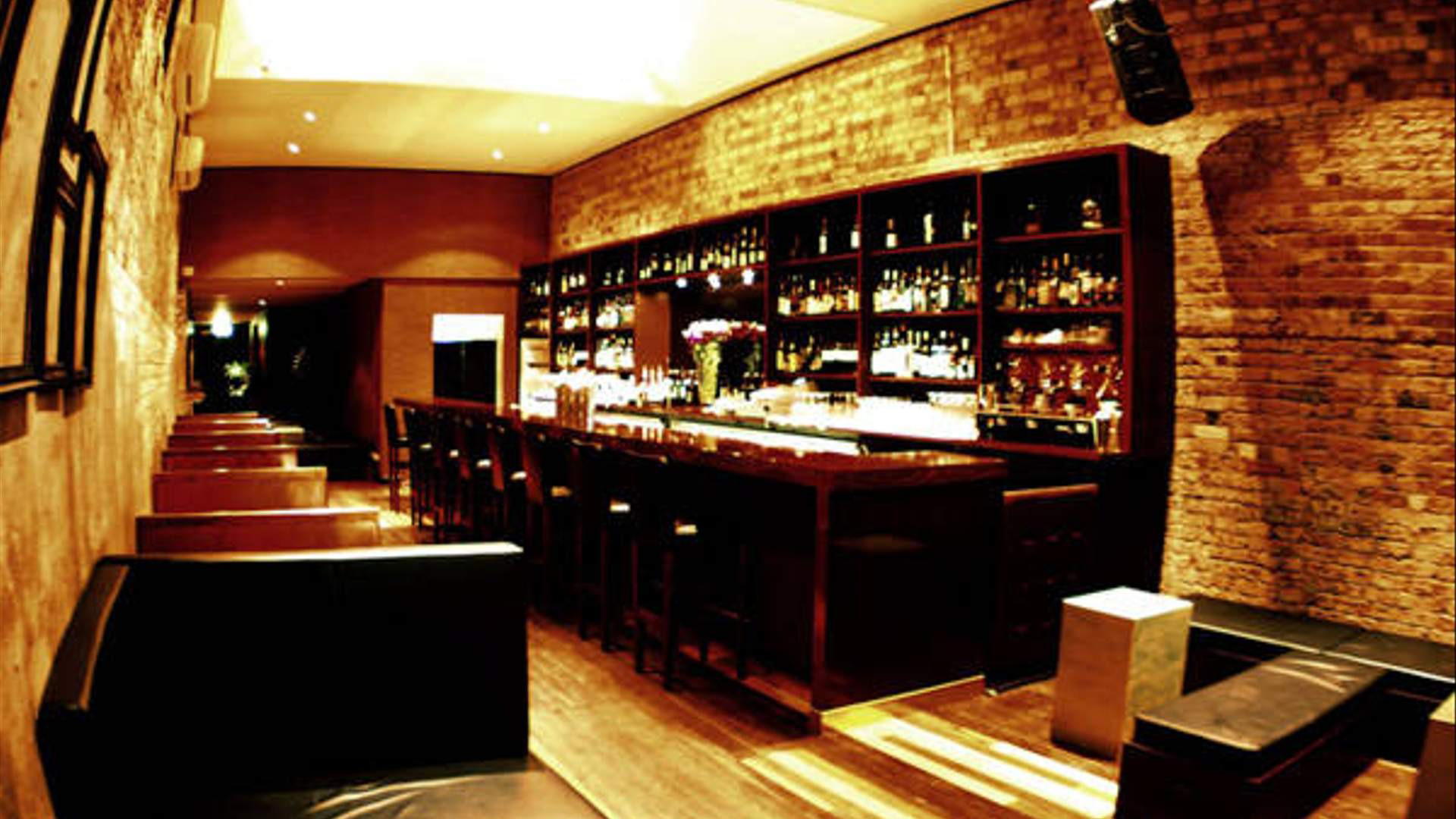

Hotels in Los Angeles
Browse all →

Wineries in Los Angeles
Browse all →
At a Glance
- Casual
- Cozy
- Casual Hangout
- Family
- Solo
- Group Dining
- Standalone
Current opening hours
- Monday
- 10:30 AM–9 PM
- Tuesday
- 10:30 AM–9 PM
- Wednesday
- 10:30 AM–9 PM
- Thursday
- 10:30 AM–9 PM
- Friday
- 10:30 AM–9 PM
- Saturday
- 10:30 AM–9 PM
- Sunday
- 10:30 AM–8 PM
Hours can change for holidays and private events. Last verified .
Casual, welcoming Korean dining environment with a focus on comfort food and health-conscious preparation.