Wild Cherry



Michelin Plate · Grub Street Best Food of 2026 (So Far)
Our verdict
Wild Cherry sits on Commerce Street in the West Village, earning a place on New York Magazine's 43 Best Restaurants in New York for 2025. The address alone signals intent: this block of the West Village has long attracted restaurants that prioritize craft over profile. Named recognition at this level, without the marketing apparatus of a major restaurant group, points to a kitchen that earns its standing through the food.

Pearl is the En Primeur Club membership app, where members save venues, book tables and use the concierge.
The menu
What to order
- Cheeseburger with bone marrow
- Tuna crudo
- Steak for two
- Fettuccine Alfredo
- Frozen custard with cherry compote
- Coconut cake
Commerce Street and What It Means to Earn a Place on It
If you do one thing in the West Village this season, find your way to 38 Commerce Street. Wild Cherry earned a spot on New York Magazine's 43 Best Restaurants in New York for 2025, a list that consistently rewards cooking over concept and substance over spectacle. That kind of recognition, from a publication that has tracked the city's restaurant culture for decades, carries more weight than a single-category award because it asks a harder question: not whether a restaurant does one thing at the highest technical level, but whether it belongs in the broader conversation about where New York eats well right now.
Commerce Street itself has a particular character in the West Village's dining geography. The curve of the block, removed from the main foot traffic of Bleecker or Hudson, has historically attracted the kind of places that depend on word-of-mouth and returning guests rather than walk-in volume. That pattern tends to produce a specific kind of restaurant: one where the room is small, the cooking is deliberate, and the dining experience rewards attention rather than spectacle.
The West Village in Context: A Neighbourhood That Resists Trends
New York's dining scene fragments sharply by neighbourhood. The Flatiron and Midtown corridors house the city's most decorated formal rooms: Le Bernardin, Per Se, and Eleven Madison Park operate within a tier where scale, investment, and institutional prestige reinforce each other. Atomix and Masa occupy a different but equally high-stakes register further downtown and in Midtown respectively, where the format itself becomes part of the proposition.
The West Village operates differently. It has absorbed waves of restaurant openings without converting to a monoculture. The neighbourhood's residential density and long-tenured locals create demand for restaurants that function as regular destinations rather than occasion dining, and the result is a competitive set that runs from wine bars with serious kitchens to independently owned rooms doing ambitious work without the infrastructure of a larger group. Wild Cherry belongs to that tradition, in a block that requires the restaurant to earn its following through consistency rather than novelty.
Cultural Roots and the Question of What a Restaurant Owes Its Context
The name Wild Cherry is spare enough to avoid signalling a specific culinary tradition at the door, which is itself a choice. In a moment when New York's most talked-about openings lean heavily on stated identity, whether Korean-American tasting menus, Japanese-inflected omakase, or hyper-regional Italian, a restaurant that resists easy categorisation occupies an interesting position. The 2025 New York Magazine list includes venues across that full range of declared and undeclared identities, and the editorial process of selecting 43 from the city's thousands of active restaurants involves placing very different types of rooms into conversation with each other.
What the award implies, without specifying, is that the cooking at Wild Cherry holds up against that heterogeneous field. In a city where the ceiling for any given cuisine type is set by places like Le Bernardin for classical French seafood or Atomix for Korean fine dining, earning a place on an across-the-board list requires a different kind of argument. The argument is usually made through cooking that is specific, consistent, and difficult to replicate elsewhere at a comparable price point.
That dynamic plays out differently in New York than in cities where one dominant culinary tradition sets the standard. Compare it to San Francisco, where Lazy Bear operates in a distinct chef's-counter format that the city's dining culture has long supported, or Chicago, where Alinea has occupied its own category for years. New York's list culture tends to reward range, and Wild Cherry's inclusion suggests a room that reads clearly and confidently regardless of which frame you apply to it.
How Wild Cherry Fits the 2025 Moment
New York Magazine's 2025 list appeared at a point when the city's post-pandemic restaurant economy had stabilised into a clearer structure. The extremely high-investment tasting menu tier, represented by venues like Masa and Per Se, had held its position but was no longer expanding. A second tier of independently owned, mid-to-high-price restaurants had strengthened, partly because diners had recalibrated their spending and partly because several strong kitchens had opened or matured in the 2022-to-2024 window. Wild Cherry appears to sit in that second tier, drawing editorial recognition not as a novelty but as a restaurant that has established its own argument for why it belongs on a short list.
For reference, the same editorial sensibility that produces New York Magazine's list also informs how publications like New York Magazine's Grub Street track longer-term shifts in the city's dining culture. Being named in 2025 rather than at opening suggests the kitchen has sustained its quality through the difficult middle years of a restaurant's life, which is its own credential.
Restaurants across the country at a comparable level of recognition include Providence in Los Angeles, Single Thread Farm in Healdsburg, and Emeril's in New Orleans, each of which holds its editorial standing through consistent execution rather than through novelty or institutional scale. Internationally, the same principle applies to rooms like 8 1/2 Otto e Mezzo Bombana in Hong Kong and Alain Ducasse at Louis XV in Monte Carlo. The specific cooking traditions differ, but the underlying logic of earning sustained recognition in a competitive field is the same.
Know Before You Go
| Address | 38 Commerce St, New York, NY 10014 |
|---|---|
| Neighbourhood | West Village, Manhattan |
| Recognition | New York Magazine, 43 Best Restaurants in New York (2025) |
| Booking | Contact the restaurant directly; reservations are advisable given the neighbourhood's high-demand dining pattern |
| Getting There | Nearest subway stops are Christopher St–Sheridan Sq (1 train) and 14th St (A/C/E); the Commerce Street address is a short walk from either |
Frequently asked questions
What should I expect atmosphere-wise at Wild Cherry?
Commerce Street sits off the main West Village corridors, which shapes the room before you even walk in. Addresses along this stretch tend toward the intimate and unhurried rather than the loud and scene-driven. Wild Cherry's recognition on New York Magazine's 43 Best Restaurants list for 2025 places it among rooms that earn attention through substance rather than spectacle.
Where is Wild Cherry in New York City?
Wild Cherry is located at 38 Commerce St, New York, NY 10014, New York City.
Has Wild Cherry won any awards?
Wild Cherry has received recognition including: New York Magazine The 43 Best Restaurants in New York (2025).
What do regulars order at Wild Cherry?
Verified menu details are not available here, and inventing dish names would be doing you a disservice. What New York Magazine's 2025 inclusion does confirm is that the kitchen is producing food consistent enough and compelling enough to hold its own in a city where that list is genuinely competitive. Ask the room when you get there, Commerce Street restaurants at this level tend to have staff who know exactly what to point you toward.
Budget Reality Check
Comparable venues nearby, for context on price, style, and recognition.
| Venue | Cuisine | Price | Awards | Notes |
|---|---|---|---|---|
| Wild CherryThis venue (the venue you are viewing) | Modern American Brasserie | $50–100 | Michelin Plate · Grub Street Best Food of 2026 (So Far) | Not listed |
| Danny's | Modern American | Not listed | Not listed | Midtown South-Flatiron-Union Square, Modern American |
| LECIEL | Modern French-American Bistro | $50–100 | Not listed | Lower East Side, Modern French-American Bistro |
| The Terrace | Not listed | Not listed | Not listed | Midtown-Times Square, Modern American Brasserie |
| Marlow & Sons | Seasonal New American with Japanese influences | Not listed | Not listed | Williamsburg, Seasonal New American with Japanese influences |
| Monterey American Brasserie | American Brasserie | $100–150 | Star Wine List · Wine Spectator Best of Award of Excellence | Midtown-Times Square, American Brasserie |
Recognition history
Dated appearances from independent guides and award organizations, with the underlying list record or original source where available.
Michelin Plate
Michelin
Grub Street Best Food of 2026 (So Far)
Grub Street
New York Magazine The 43 Best Restaurants in New York
New York Magazine
Continue exploring
More in New York City
Restaurants in New York City
All restaurants in New York City →
Bars in New York City
All bars in New York City →





Details
- Lively
- Romantic
- Elegant
- Trendy
- Intimate
- Well Known
- Date Night
- Special Occasion
- Celebration
- Group Dining
- Historic Building
- Design Destination
- Standalone
- Craft Cocktails
- Beer Program
- Local Sourcing
- A La Carte
- Small Plates
- Craft Cocktails
- Martinis
- Tiki Cocktails
- Vegetarian Friendly
Current opening hours
- Monday
- Closed
- Tuesday
- 5–11 PM
- Wednesday
- 5–11 PM
- Thursday
- 5–11 PM
- Friday
- 5–11 PM
- Saturday
- 5–11 PM
- Sunday
- 5–11 PM
Hours can change for holidays and private events. Hours as of .
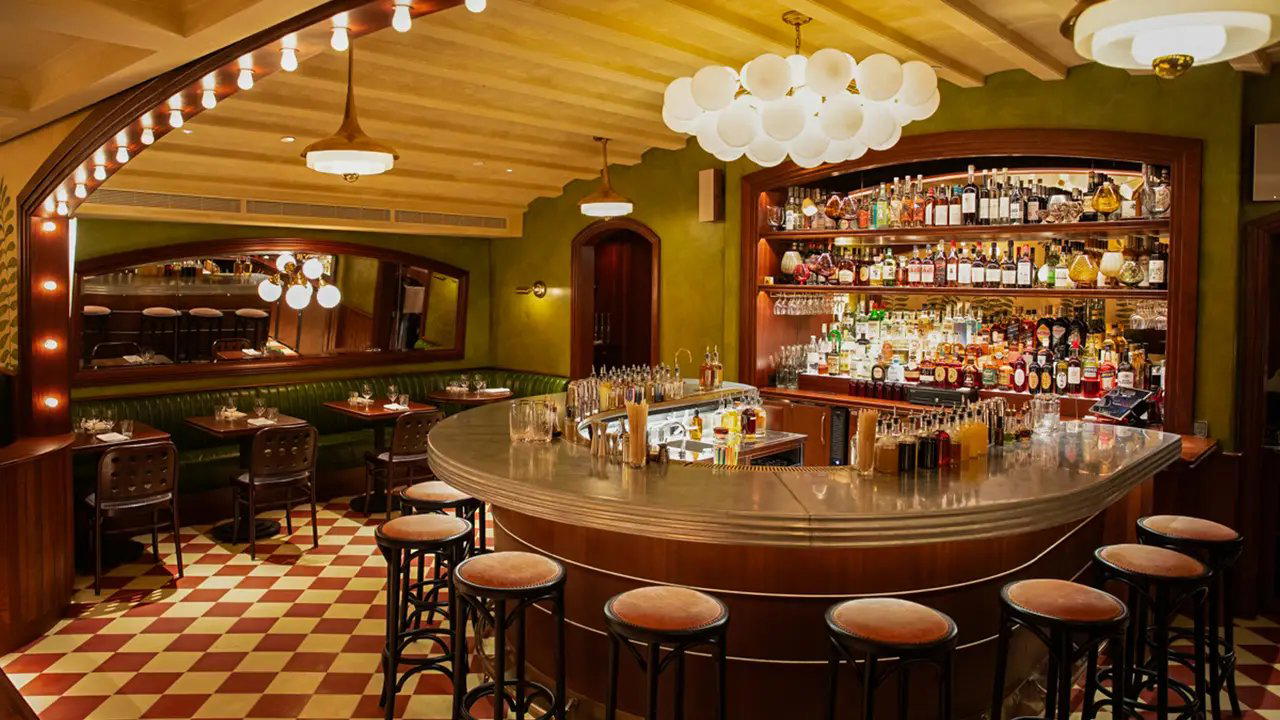
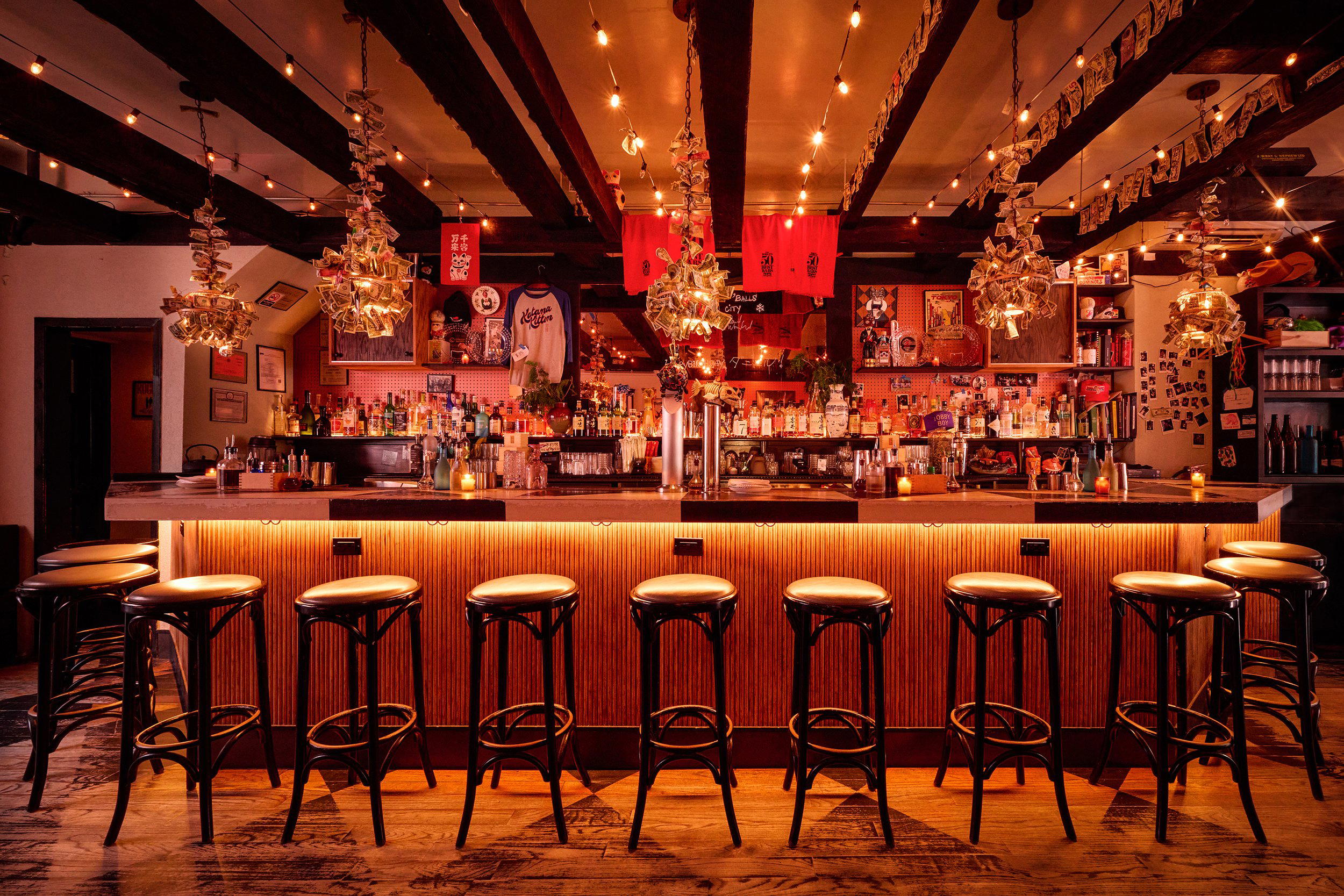
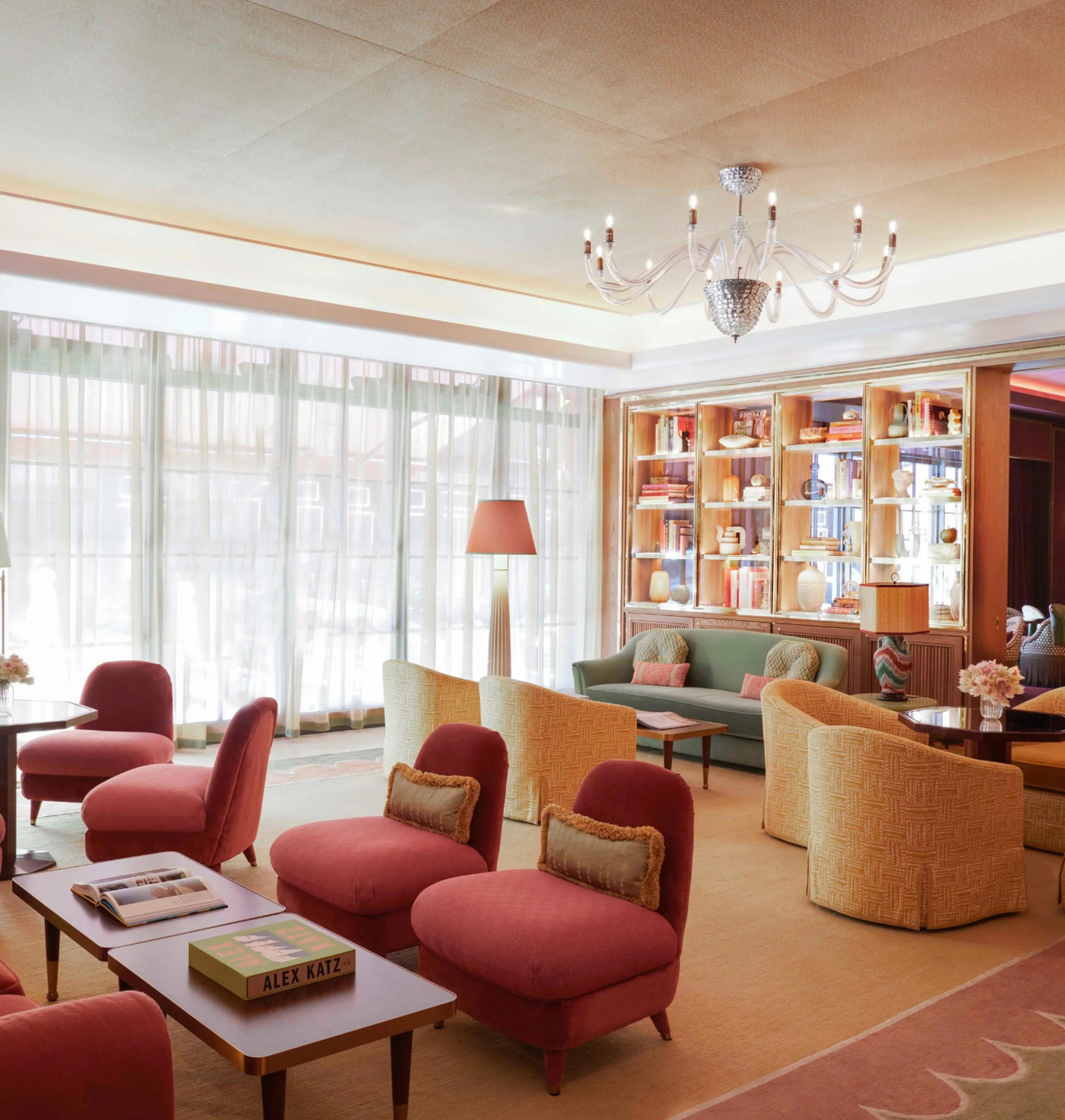
Warm, stylish, and convivial with soft globe chandeliers, red checkered floors, and a glowing bar; vintage-meets-modern supper club aesthetic with lively energy that can get noisy at peak times.