



1 Michelin Star · Star Wine List · SCMP 100 Top Tables Restaurants
Our verdict
Whey holds a Michelin star and a consistent position in Opinionated About Dining's Asia rankings for its seven-course modern European tasting menu shaped by Chef Barry Quek's Singaporean roots. Located in Central's Wellington Street, it occupies a distinct tier among Hong Kong's mid-to-upper tasting menu scene, where Southeast Asian flavour memory meets precise European technique. Closed Wednesdays; lunch and dinner Tuesday through Monday otherwise.

Pearl is the En Primeur Club membership app, where members save venues, book tables and use the concierge.
The menu
What to order
- Whey's Brioche with Buah Keluak Emulsion
- Bak Kut Teh with New Territories Pork Rib
- Dry Curry Laksa Mee
- Maoshan Wang Durian Ice Cream
- Pie Tee
- Flower Clam Soup
Singapore's Flavour Memory in Hong Kong's Tasting Menu Circuit
Hong Kong's fine-dining circuit has long been anchored by French and Cantonese traditions. Venues like Caprice and 8 1/2 Otto e Mezzo Bombana occupy the city's highest price bracket and trace their authority directly to European culinary lineages. Below that tier, a more restless cohort of restaurants has emerged over the past decade, drawing on Asian childhood memory, itinerant kitchen experience, and European tasting-menu structure to define something genuinely different. Whey, which opened on Wellington Street in Central, belongs to that cohort. It holds one Michelin star and has placed in Opinionated About Dining's Asia rankings three consecutive years: #130 in 2023, #158 in 2024, and #142 in 2025. In a city where ranking momentum typically moves in one direction or not at all, that kind of persistent presence signals a kitchen operating with sustained conviction rather than an early burst of novelty.
Seven Courses, Two Culinary Cultures
The format at Whey is a seven-course tasting menu, a structure familiar across Hong Kong's mid-to-upper dining tier. What distinguishes the execution here is the source material. Chef Barry Quek's cooking draws on European technique but is filtered through a Singaporean upbringing and kitchen experience spanning Australia and multiple Asian cities. The result is a menu where individual dishes carry the structural logic of contemporary European cooking while the flavour references sit in a very different register.
Opinionated About Dining's notes on the menu point to specific dishes that clarify this approach. Brioche paired with a buah keluak emulsion is an early signal: buah keluak is the fermented black nut used in Peranakan cooking, its bitterness and depth not easily replicated by anything in the European pantry. Presenting it alongside enriched bread is a way of making a distinctly Southeast Asian ingredient legible within a familiar fine-dining entry ritual, without softening what makes it interesting. Silver pomfret with squid and nasi ulam references a Malay herb rice tradition, a preparation that depends on aromatic leaves, fresh fish, and a precise balance of fragrance. At dessert, Maoshan Wang durian ice cream is listed as a supplement, a pricing decision that reflects both the cost of premium durian and the understanding that not every diner will want to end on that particular frequency. Those who do are reportedly well rewarded.
This kind of cooking shares a preoccupation with restaurants like Ta Vie, where Japanese-French synthesis operates at a comparable price point with comparable critical recognition. Both restaurants treat the European tasting menu as a frame rather than a destination, filling it with material that European fine dining would not naturally reach for. The difference is in source geography: Ta Vie's references are Japanese; Whey's are Singaporean and Peranakan. In a city that has historically under-represented Southeast Asian culinary traditions at this price tier, that distinction carries weight.
The Sustainability Register in a Produce-Led Kitchen
The editorial angle that consistently connects Whey's cooking to a broader conversation about responsible sourcing is the ingredient specificity itself. Using buah keluak, pomfret, nasi ulam aromatics, and durian in a tasting-menu context is not simply a flavour choice. It reflects a supply chain logic: these ingredients require different sourcing networks than the Japanese A5 wagyu or French black truffle that cycle through Hong Kong's more Eurocentric kitchens. Engaging with producers who grow or harvest these materials, many of them small-scale operators in Southeast Asia, creates a different kind of kitchen dependency, one less subject to the consolidated luxury ingredient trade that dominates the city's upper tier.
That posture connects Whey to a wider movement in contemporary fine dining, visible in restaurants as geographically dispersed as Aponiente in El Puerto de Santa María, where marine byproducts drive the menu's ecological argument, or Lazy Bear in San Francisco, where local and seasonal sourcing is embedded in the communal format. The mechanism differs at Whey: the sustainability claim here is less about zero-waste production or photogenic provenance tags and more about the political act of elevating ingredients that luxury dining has historically overlooked, treating fermented black nuts and tropical durian with the same technical seriousness as a classic French reduction. That is a form of value reorientation, and the Michelin recognition suggests that the argument is landing.
Where Whey Sits in the Hong Kong Dining Tier
At $$$, Whey prices below the city's highest-spend restaurants. Venues like Amber, Caprice, and Ta Vie operate at $$$$, and Forum in the Cantonese category holds a comparable prestige tier at a similar register. Whey's positioning in the $$$ band with a Michelin star and multi-year OAD recognition makes it one of the stronger value propositions in the Central fine-dining cluster, in the sense that the critical credentialing is comparable to $$$$-tier peers while the spend is lower. That gap is rarely accidental at this level; it tends to reflect a deliberate choice about accessibility within a market segment rather than a gap in ambition.
Internationally, the template of chef-driven tasting menus that fold personal geography into European structure is well-established. Atomix in New York City does this with Korean reference points at the highest recognition tier. Le Bernardin represents the French-tradition end of the same tasting menu category. What Whey contributes to this global pattern is a specifically Singaporean and Peranakan vocabulary, a culinary tradition that developed from centuries of Chinese, Malay, Indian, and colonial influence and produces ingredients and preparations with no direct European analogue. At this level of technical precision, that vocabulary is rare enough to be genuinely distinctive within the Hong Kong market.
Planning a Visit
Whey is on the upper ground floor of The Wellington at 198 Wellington Street, Central, placing it within walking distance of Central MTR and in the same dense dining corridor that includes several of the city's most-watched addresses. The restaurant operates lunch and dinner six days a week, from noon to 3 PM and 6 PM to 11 PM, with a full closure on Wednesdays. For anyone structuring a multi-day itinerary that also covers bars or hotels, EP Club's Hong Kong bars guide, hotels guide, and experiences guide provide the wider city context. The full Hong Kong restaurants guide maps Whey against the broader field. The durian ice cream supplement is flagged consistently in critical coverage as worth the additional spend for those already oriented toward that flavour profile.
For comparison across the global tasting menu circuit, the EP Club features on Alléno Paris au Pavillon Ledoyen, Alain Ducasse at Louis XV, Arzak in San Sebastián, and Emeril's in New Orleans offer calibration points across different traditions and price tiers. Whey's closest peer frame, however, remains Hong Kong's own constellation of Michelin-recognised tasting menus, a competitive set the restaurant has now occupied for three straight years with no sign of fading. See also EP Club's Hong Kong wineries guide for pairings context if wine is part of the planning.
What People Recommend at Whey
Critical coverage and OAD documentation consistently point to three dishes as the most discussed: the brioche with buah keluak emulsion, the silver pomfret with squid and nasi ulam, and the Maoshan Wang durian ice cream supplement. The brioche course is typically the first point of contact with the kitchen's Singaporean reference set and functions as an orientation for what follows. The pomfret course is cited for technical precision and aromatic depth. The durian supplement is framed in coverage as optional but strongly considered: Maoshan Wang is among the most prized durian varieties, and presenting it as an ice cream is a way of making the flavour accessible within the tasting menu's pacing without neutralising what makes the fruit compelling. Chef Barry Quek's background across Singapore, Australia, and multiple Asian kitchens provides the credential framework behind these choices, visible not through biographical narrative but through the specificity of what arrives at the table. The Michelin star and consistent OAD ranking position confirm the execution is landing, and the $$$ price point makes this one of Central's more accessible entry points into that level of recognised cooking.
Frequently asked questions
Where is Whey located?
Whey is located at UG/F, The Wellington, 198 Wellington St, Central, Hong Kong, Hong Kong.
Who's behind the kitchen at Whey?
The chef associated with Whey is Barry Quek.
What do people recommend at Whey?
Critical coverage and OAD documentation consistently highlight three dishes: the brioche with buah keluak emulsion, the silver pomfret with squid and nasi ulam, and the Maoshan Wang durian ice cream, which is listed as a supplement worth ordering. The buah keluak brioche draws particular attention as a concise statement of chef Barry Quek's Singaporean reference points within a European tasting menu format. Whey holds a Michelin 1 Star (2024) and ranked #142 on OAD's Top Restaurants in Asia in 2025.
How It Stacks Up
A quick peer list to put this venue’s basics in context.
| Venue | Cuisine | Price | Awards | Notes |
|---|---|---|---|---|
| WheyThis venue (the venue you are viewing) | Modern European with Singaporean & Southeast Asian Influences | $200–300 | 1 Michelin Star · Star Wine List | Not listed |
| 8 1/2 Otto e Mezzo Bombana (Hong Kong) | 3 Michelin-Star Italian Fine Dining | $200–300 | 3 Michelin Stars · World's 50 Best #94 | Italian |
| Ta Vie | Modern French-Japanese Fine Dining | $300–500 | 3 Michelin Stars · World's 50 Best #68 | Japanese - French, Innovative |
| Caprice | Contemporary French Fine Dining | $200–300 | 3 Michelin Stars · World's 50 Best #35 | French, French Contemporary |
| Feuille | Modern Vegetable-Forward French | $200–300 | 1 Michelin Star · World's 50 Best #93 | French Contemporary |
| Neighborhood | Modern French with Asian Influences | $50–100 | 1 Michelin Star · World's 50 Best #24 | International, European Contemporary |
Recognition history
Dated appearances from independent guides and award organizations, with the underlying list record or original source where available.
Michelin 1 Star
Michelin
Star Wine List
Star Wine List
Opinionated About Dining Top Restaurants in Asia Highly Recommended
Opinionated About Dining
SCMP 100 Top Tables Restaurants
SCMP 100 Top Tables
Full recognition history (9 entries)
Michelin 1 Star
Michelin
Opinionated About Dining Top Restaurants in Asia Ranked #142
Opinionated About Dining
Michelin 1 Star
Michelin
Opinionated About Dining Top Restaurants in Asia Ranked #158
Opinionated About Dining
Opinionated About Dining Top Restaurants in Asia Ranked #130
Opinionated About Dining
Continue exploring
More in Hong Kong
Restaurants in Hong Kong
All restaurants in Hong Kong →
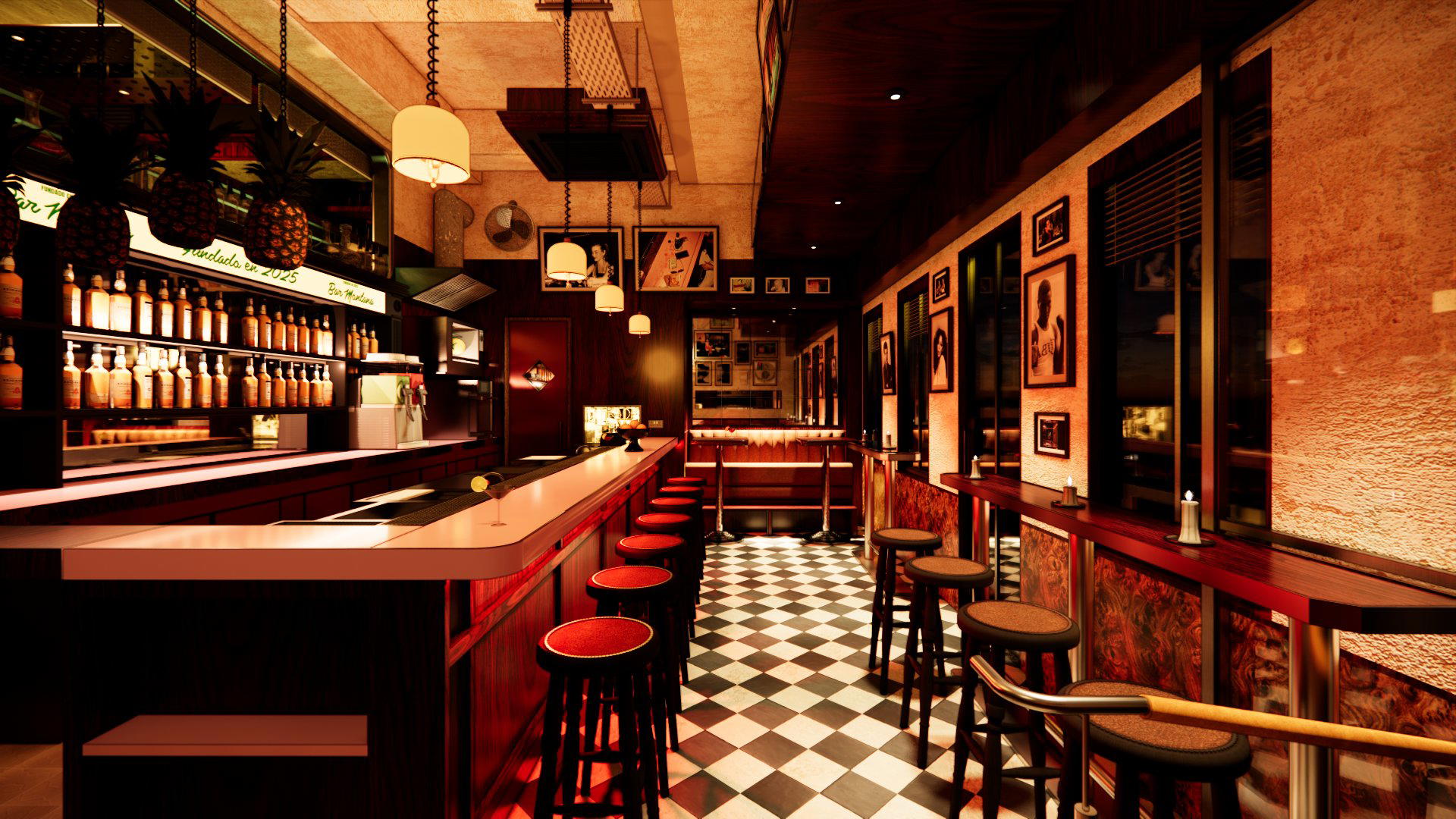
Bars in Hong Kong
All bars in Hong Kong →
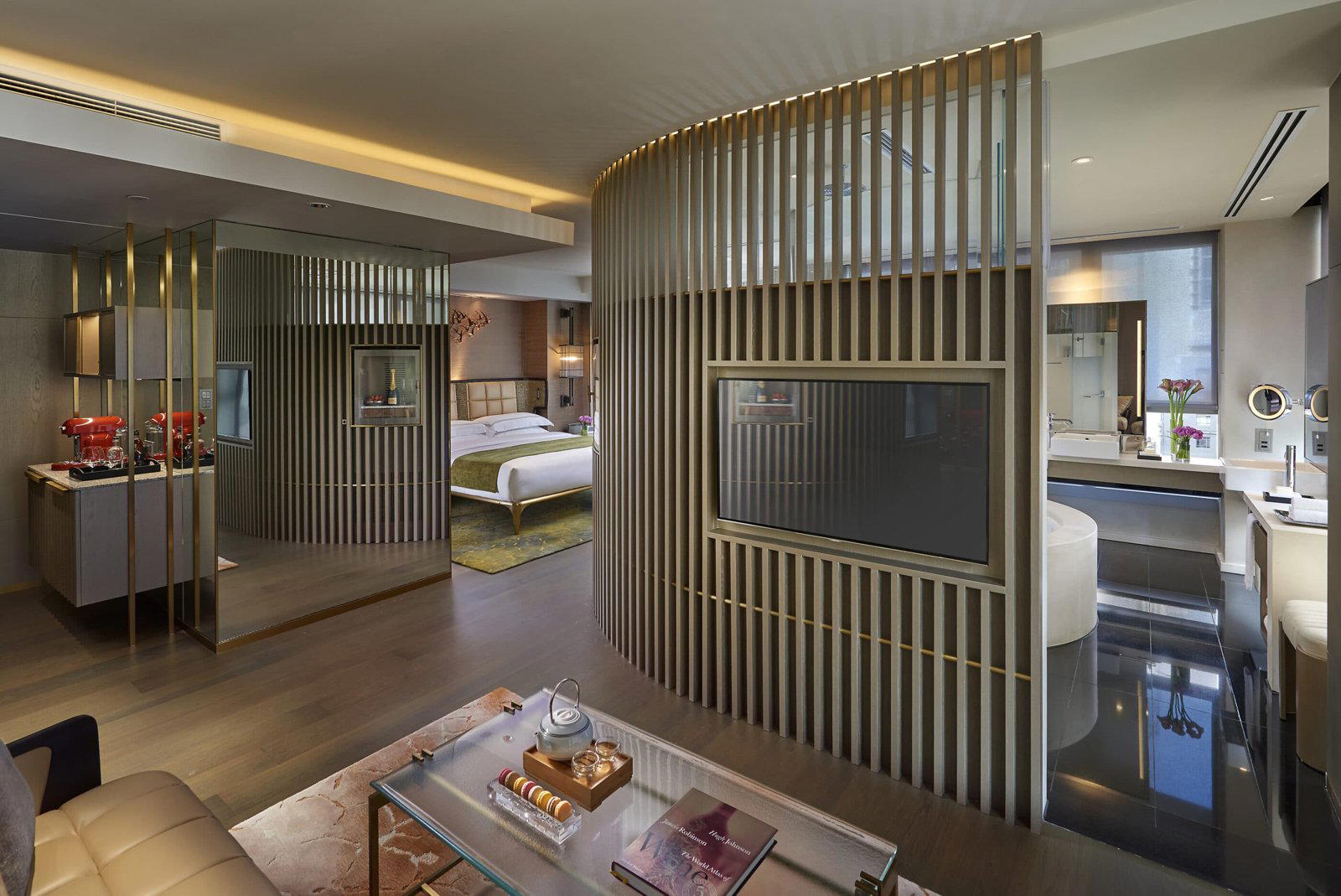
Hotels in Hong Kong
All hotels in Hong Kong →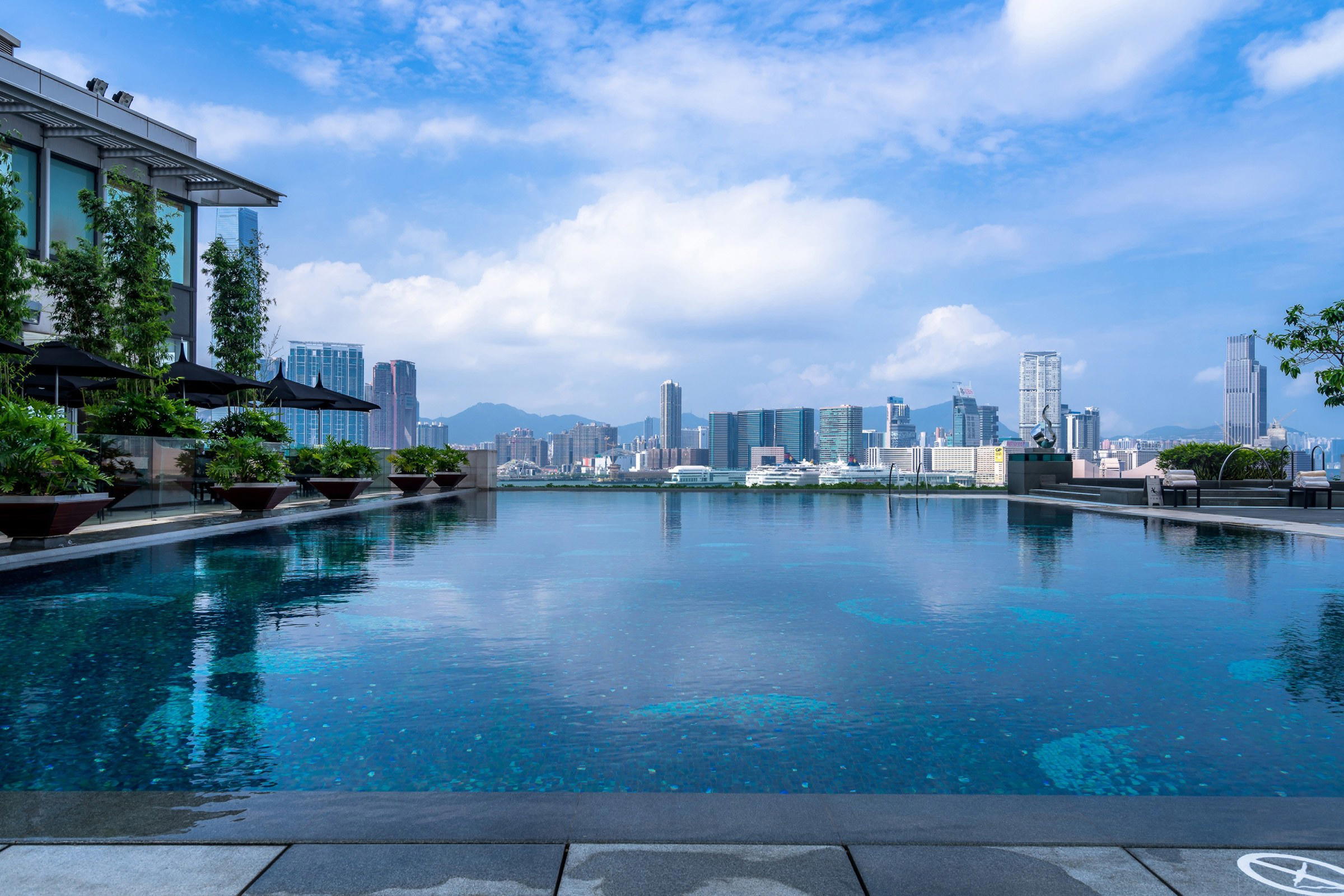
Wineries in Hong Kong
All wineries in Hong Kong →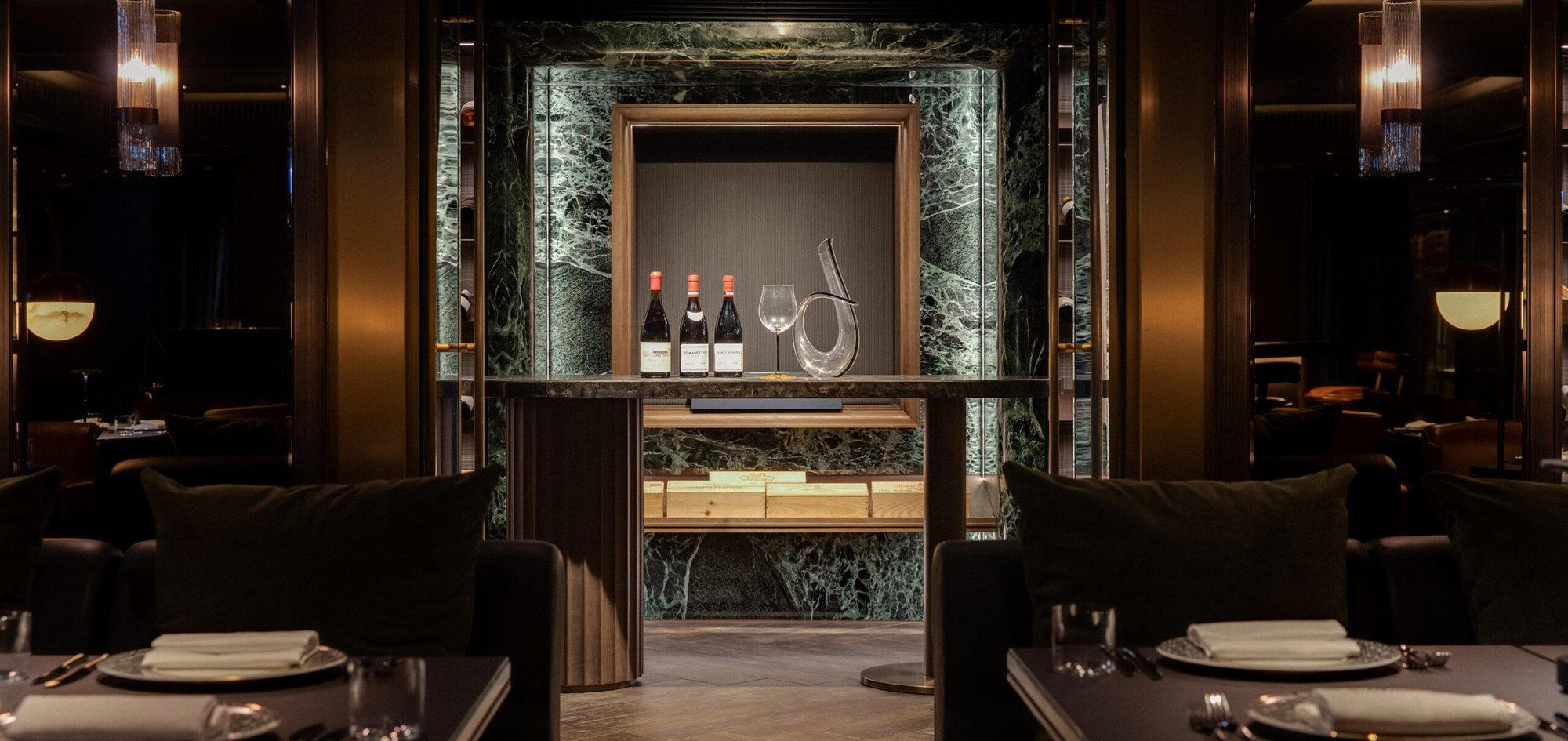
Details
- Elegant
- Sophisticated
- Modern
- Intimate
- Date Night
- Special Occasion
- Celebration
- Open Kitchen
- Design Destination
- Standalone
- Sommelier Led
- Farm To Table
- Local Sourcing
- Zero Waste
- Sustainable Seafood
- Tasting Menu
- Wine Pairing
- Non Alcoholic Pairings
- Pescatarian Friendly
- Vegetarian Friendly
- Allergy Accommodating
Current opening hours
- Monday
- 12–3 PM, 6–11 PM
- Tuesday
- 12–3 PM, 6–11 PM
- Wednesday
- Closed
- Thursday
- 12–3 PM, 6–11 PM
- Friday
- 12–3 PM, 6–11 PM
- Saturday
- 12–3 PM, 6–11 PM
- Sunday
- 12–3 PM, 6–11 PM
Hours can change for holidays and private events. Hours as of .
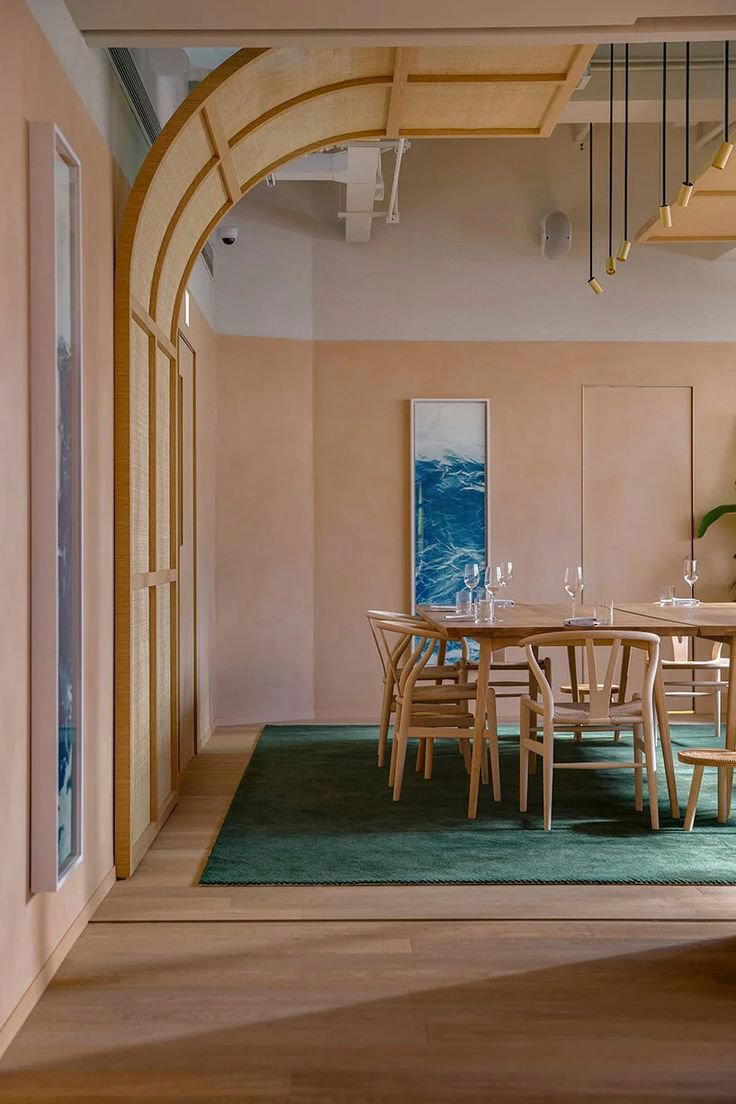
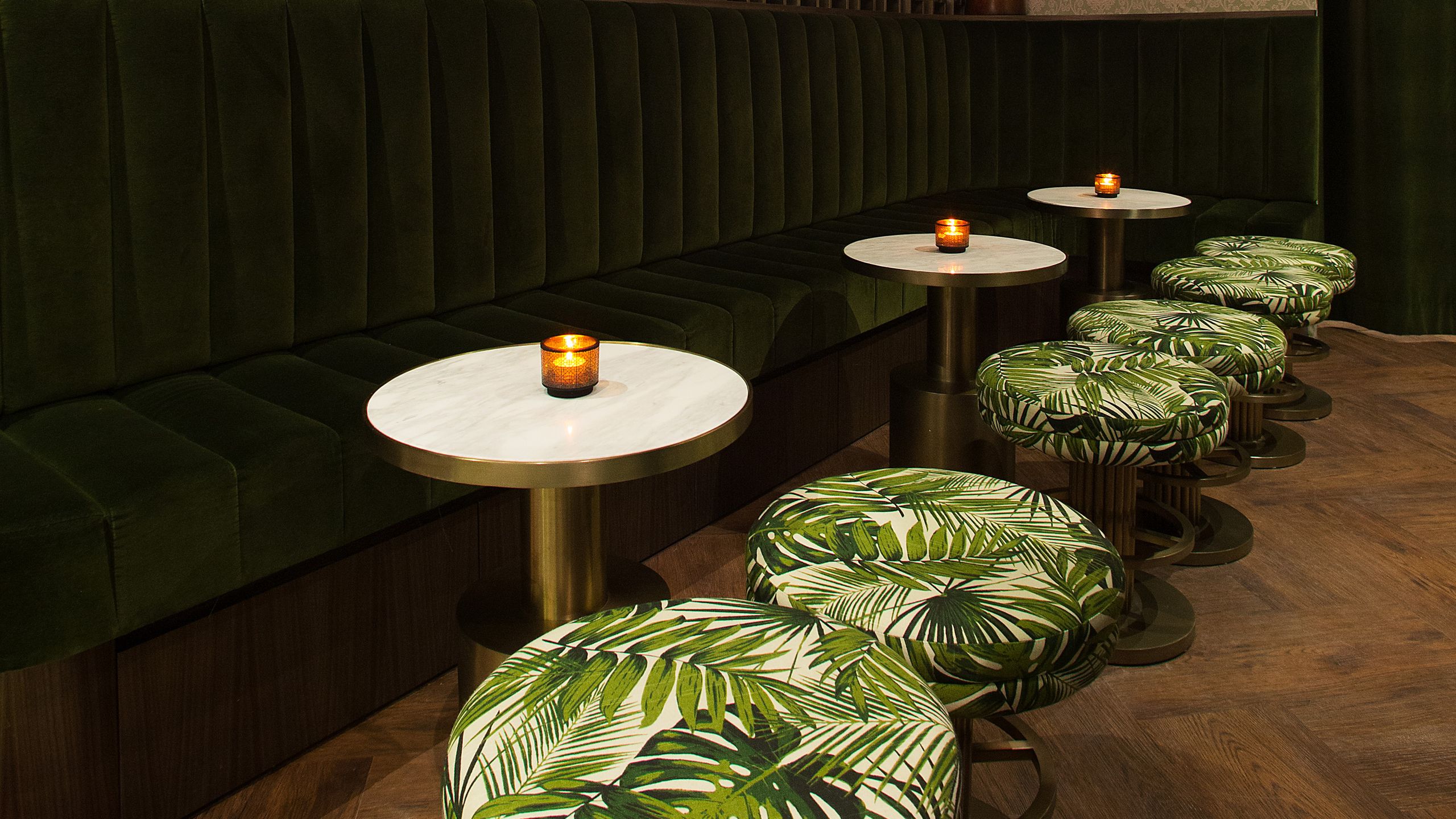
Warm and earthy tones with natural rattan, deep tropical greens, and brass details; Scandinavian and Peranakan design influences create a refined yet unpretentious atmosphere with soft lighting.