What The Cluck
Our verdict
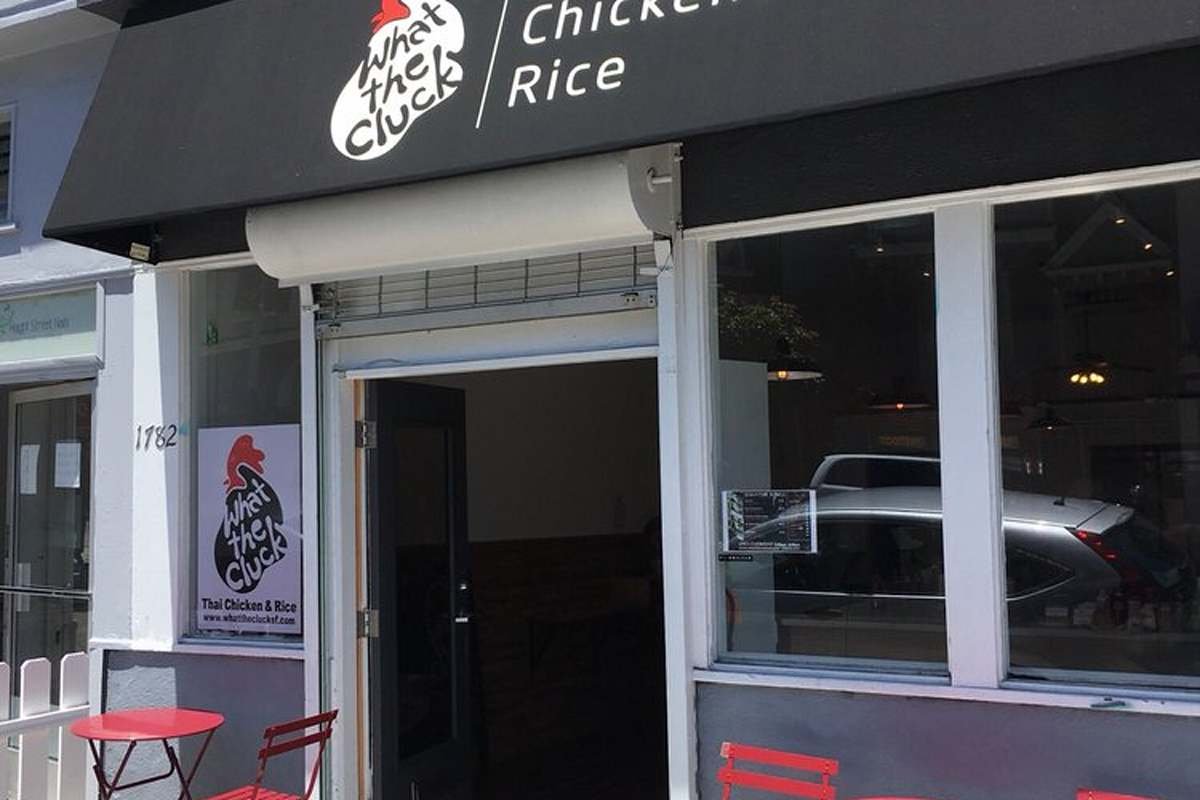
On Haight Street in San Francisco's Lower Haight, What The Cluck occupies a neighborhood slot that rewards walk-ins and regulars in equal measure. The name signals a kitchen built around poultry, positioned well below the tasting-menu tier that dominates San Francisco's fine-dining conversation. For visitors tracking the city's more casual, ingredient-forward registers, it belongs on the same itinerary as the neighborhood itself.

Pearl is the En Primeur Club membership app, where members save venues, book tables and use the concierge.
The menu
What to order
- Khao Man Gai
- Korean Fried Chicken
- Pad Thai
Haight Street and the Casual-Serious Middle Ground
San Francisco's dining reputation runs toward the tasting-menu end of the spectrum. Lazy Bear, Atelier Crenn, Benu, Quince, and Saison pull considerable critical oxygen into the $$$$ bracket, and they represent the city well at that level. But San Francisco's neighborhood dining scene operates on a different logic, one where a specific address on a specific street matters more than a Michelin notation. The Lower Haight corridor, centered on Haight Street between Fillmore and Divisadero, is part of that other conversation. What The Cluck, at 1782 Haight St, sits in this register: a kitchen with a focused premise in a neighborhood that values directness over ceremony.
The category of poultry-led casual dining has expanded considerably across American cities over the past decade, moving from fast-food adjacency into something with genuine culinary intention. In San Francisco specifically, the pressure to differentiate within the casual tier is real, given how much competition exists at every price point. A name like What The Cluck makes a deliberate statement about register and tone before a guest walks through the door. It positions itself against neither the white-tablecloth houses nor the delivery-optimized chains, occupying the middle ground where the cooking is the argument.
The Arc of a Meal at What The Cluck
Understanding how a poultry-focused kitchen sequences a meal tells you something about its culinary priorities. In this category, the opening move tends to be textural contrast: something crunchy against something acidic, a pickled element or slaw that clears the palate and signals that the kitchen thinks about composition, not just protein. The middle of the meal is where the kitchen's point of view becomes clearest. How the bird is treated, at what temperature, with what resting time, with what fat management, separates kitchens that have studied their craft from those that haven't. The finish, typically lighter, relies on something that cuts through the richness that good fried or roasted poultry leaves behind.
What The Cluck's address on Haight Street places it in a neighborhood that has historically attracted independent operators with strong points of view. The street's commercial strip runs through a residential area where locals eat frequently and develop strong opinions about their options. That kind of repeat-visitor scrutiny tends to sharpen kitchens over time, particularly in a city as food-literate as San Francisco. It's the same pressure that shaped the Mission's taqueria culture or the Richmond's Chinese restaurant density: the neighborhood as quality filter.
Where This Fits in the San Francisco Casual Register
Visitors accustomed to building San Francisco itineraries around the city's marquee dining addresses, places like The French Laundry in Napa or Single Thread Farm in Healdsburg for day-trip ambition, sometimes underestimate how much of the city's actual culinary character lives at the neighborhood level. The same pattern holds across American restaurant cities. Alinea in Chicago or Le Bernardin in New York City define their cities externally, but the day-to-day dining fabric is woven from places that don't generate the same international press. Providence in Los Angeles, Addison in San Diego, and Blue Hill at Stone Barns in Tarrytown each anchor the fine-dining tier of their regions, but the neighborhoods around them are where residents actually eat. What The Cluck operates in that everyday-serious register.
The casual poultry category has also benefited from broader industry trends. As supply chains for heritage and pastured birds became more accessible to independent operators outside the fine-dining tier, the quality ceiling on casual chicken cooking rose noticeably. What was once a category defined by commodity product has, in several American cities, evolved to include kitchens sourcing more deliberately. San Francisco, with its proximity to Northern California's farm networks, gives operators on Haight Street genuine access to better raw material than their equivalents in many other markets. Emeril's in New Orleans or Bacchanalia in Atlanta made their names partly by connecting fine-dining kitchens to regional agricultural identity; the same supply-chain logic, applied at a casual scale, is what gives neighborhood spots in Northern California a structural advantage.
The Neighborhood Context
Lower Haight is distinct from Upper Haight, the tourist-facing stretch closer to Golden Gate Park. The blocks around 1782 Haight St are residential in character, with a commercial strip that skews toward independent operators rather than chains. The dining options here tend to reflect the neighborhood's demographic mix: younger residents who cook at home but eat out frequently, and who apply the same informal rigor to their casual dining choices that the city's food culture has normalized. Walk-in culture is strong on this stretch, and weekends draw visitors from adjacent neighborhoods, particularly from the Western Addition to the north and the Castro to the south.
For visitors approaching What The Cluck as part of a broader San Francisco day, the Haight Street corridor is walkable from Alamo Square Park, about fifteen minutes on foot, and accessible by the 6 and 71 Muni lines. The block sits in a low-pedestrian-traffic section by tourist standards but experiences consistent local foot traffic across the week. Arriving between traditional lunch and dinner windows tends to reduce any wait, though specific hours are best confirmed directly before visiting.
Kitchens like this one form part of what makes San Francisco's restaurant scene worth reading beyond the Michelin list. The same city that supports the technical ambition of Atomix in New York City as a comparative benchmark or the French-Chinese precision of 8½ Otto e Mezzo Bombana in Hong Kong as a global reference also sustains a street-level dining culture where a well-executed, focused menu on a neighborhood block carries genuine weight. The Inn at Little Washington demonstrates what happens when obsessive focus on a single culinary vision plays out over decades; What The Cluck operates in a different key, but the underlying logic of focused, repeatable quality is shared across price tiers.
Planning Your Visit
Address: 1782 Haight St, San Francisco, CA 94117. Budget: Casual tier; pricing reflects the neighborhood register rather than the city's tasting-menu bracket. Getting there: Muni lines 6 and 71 serve the Haight Street corridor; street parking is available but variable. Leading timing: Off-peak hours between traditional meal windows tend to offer the easiest walk-in access on this block.
Frequently asked questions
at What The Cluck?
How far ahead should I plan for What The Cluck?
What's the standout thing about What The Cluck?
Can What The Cluck handle vegetarian requests?
Is What The Cluck suitable for visitors who want to experience San Francisco's neighborhood dining culture rather than its tasting-menu circuit?
Comparable Spots
Comparable venues nearby, for context on price, style, and recognition.
| Venue | Cuisine | Price | Notes |
|---|---|---|---|
| What The CluckThis venue (the venue you are viewing) | Thai Chicken and Rice Street Food | $20–30 | Not listed |
| Lao Table | Laotian & Thai Fusion | $30–50 | Financial District/South Beach |
| Lers Ros Thai | Authentic Thai | $20–30 | Tenderloin |
| Banana House Thai | Authentic Thai | Not listed | Financial District |
| Marnee Thai | Authentic Thai | $20–30 | Sunset/Parkside |
| Ping Yang Thai Grill & Dessert | Thai & Lao Street Food | $20–30 | Tenderloin |
Continue exploring
More in San Francisco
Restaurants in San Francisco
All restaurants in San Francisco →
Bars in San Francisco
All bars in San Francisco →

Details
- Lively
- Trendy
- Casual Hangout
- Local Sourcing
- A La Carte
- Vegetarian Friendly
Current opening hours
- Monday
- 11 AM–8 PM
- Tuesday
- 11 AM–8 PM
- Wednesday
- 11 AM–8 PM
- Thursday
- 11 AM–8 PM
- Friday
- 11 AM–8 PM
- Saturday
- 11 AM–8 PM
- Sunday
- 11 AM–8 PM
Hours can change for holidays and private events. Hours as of .
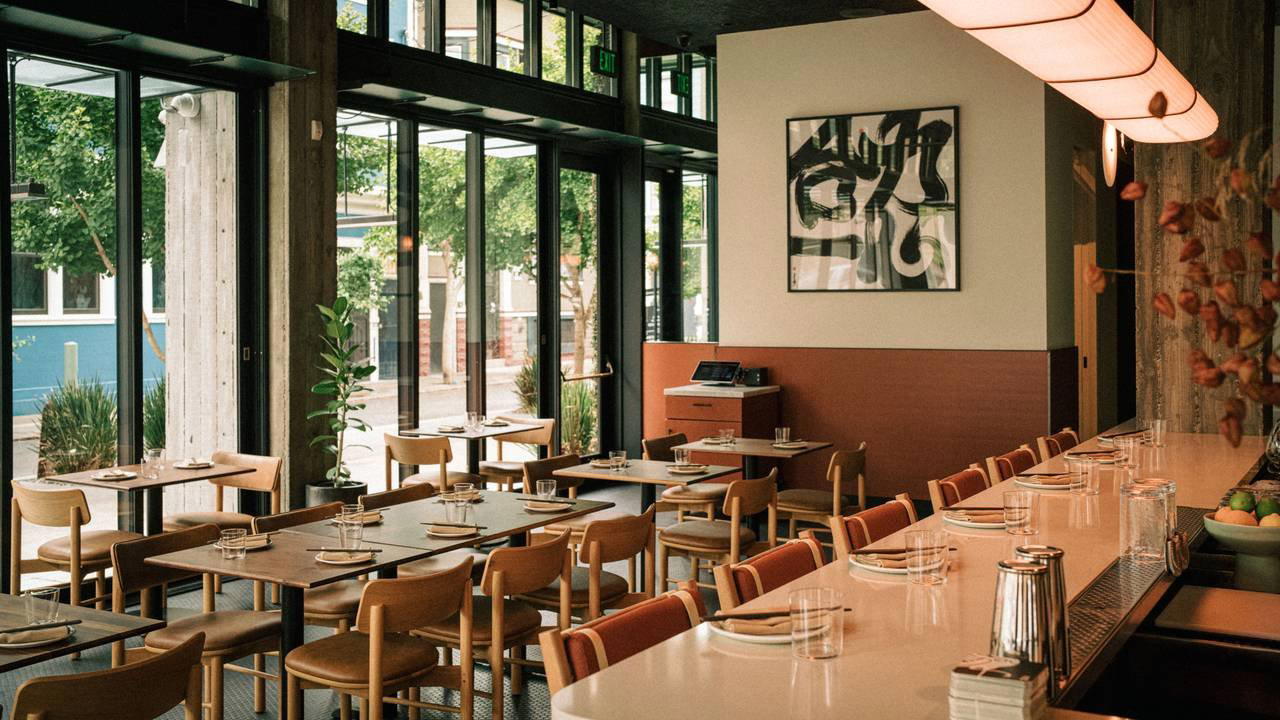
Lively and lively atmosphere evoking bustling Asian street food scenes.