Ping Yang Thai Grill & Dessert
A Thai grill and dessert spot on Larkin Street in San Francisco's Tenderloin-adjacent corridor, Ping Yang Thai Grill & Dessert occupies a stretch of the city where casual Southeast Asian kitchens coexist with newer dining concepts. The format pairs grilled preparations with a dedicated dessert program, a combination that reflects broader shifts in how Thai restaurants in American cities are positioning themselves beyond pad thai and curry defaults.
Pearl is the En Primeur Club membership app — saves, bookings, and concierge access live there. Same editors, same standards.
- Address
- 955 Larkin St, San Francisco, CA 94109
- Phone
- (415) 792-6899
- Website
- pingyangthaigrilldessert.com
- Directions
- Get directions
 Saves & bookings on Pearl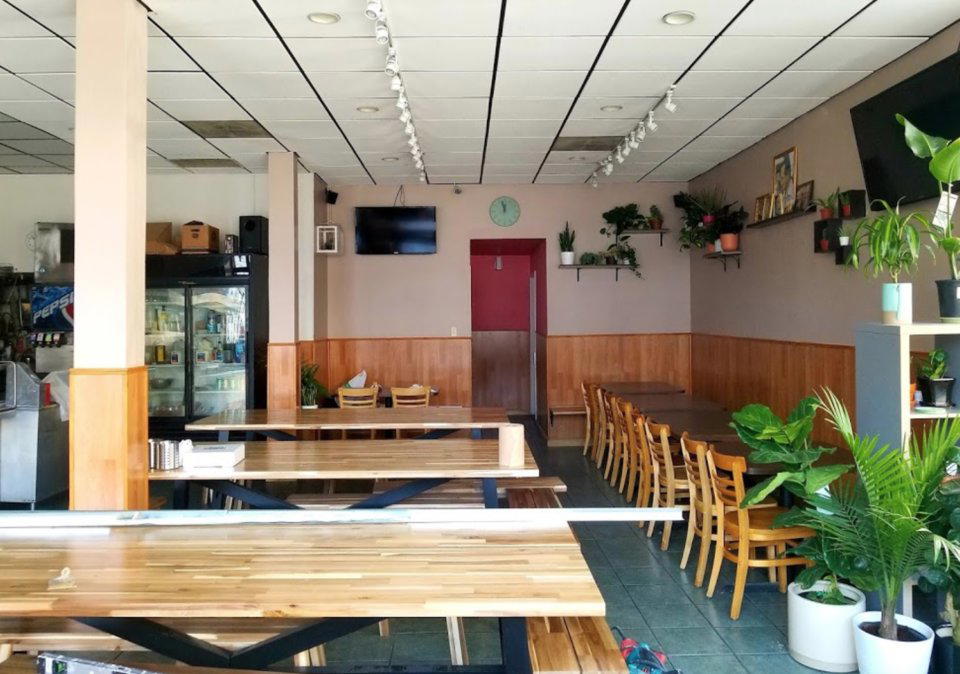
Larkin Street and the Quiet Evolution of Thai Dining in San Francisco
San Francisco's Thai restaurant scene has never operated on a single register. For years, the city's Southeast Asian dining was sorted into two broad categories: the inexpensive neighborhood staple built around curries and noodle soups, and the occasional fine-dining experiment that reframed Thai technique through a Californian lens. What has changed in recent years is the space between those poles. A growing number of kitchens are working in a middle register, building menus around the grill and the dessert counter rather than the curry pot, and treating both with the same seriousness.
Larkin Street itself provides useful context. The corridor runs through the Tenderloin and the lower edge of Nob Hill, a stretch that has historically supported the kind of restaurant that serves its neighborhood rather than destination diners. That demographic reality shapes what a kitchen on Larkin needs to do well: price accessibility, consistent execution, and a menu that rewards repeat visits. The dual focus on grilled food and desserts is not merely a branding decision; it reflects a practical division of the meal that Thai cooking has long understood, where the charcoal grill and the sweet course occupy distinct, respected positions in the full dining arc.
The Grill and the Dessert Counter as Editorial Frame
Thai grilling tradition draws from a different playbook than the Western steakhouse or the Japanese robata. Proteins are often marinated in lemongrass, galangal, fish sauce, and palm sugar combinations before they meet the heat, which means the char serves as a final layer of complexity rather than the primary flavor. The dessert side of Thai cooking is similarly misunderstood in Western contexts: coconut-milk preparations, pandan-scented sweets, sticky rice with mango, and iced drinks built around fresh fruit and condensed milk are not afterthoughts but a coherent culinary tradition with regional variation across Thailand's north, central, and southern zones.
For comparison, consider where the grill-and-dessert format sits in the broader San Francisco dining conversation. The city's highest-profile restaurants, venues like Lazy Bear, Atelier Crenn, Benu, Quince, and Saison, all operate in the $$$$ tier with tasting menus, reservation queues, and wine programs that compete nationally with recognized operations such as The French Laundry in Napa and Single Thread Farm in Healdsburg. Ping Yang occupies an entirely different tier, one that serves a different function in the city's dining ecosystem. It is not competing with Le Bernardin in New York City or Alinea in Chicago for the destination-dining dollar. It is doing the more quotidian and more difficult work of feeding a neighborhood with consistent quality and cultural specificity.
What the Format Signals About the Menu
When a Thai restaurant in a major American city commits to the grill as a defining element rather than a supporting one, it generally signals a few things. First, it suggests a kitchen with access to specific equipment and staff trained to manage live-fire or charcoal work, not a trivial operational investment. Second, it implies a menu architecture that moves away from the sauce-forward dishes that dominate Thai menus outside Thailand toward preparations where the ingredient itself carries more weight. Grilled chicken thighs marinated in coriander root, grilled pork neck with dried chili dipping sauce, or grilled seafood with lime-heavy relishes all require sourcing discipline and timing precision that a curry-centric kitchen can defer to the pot.
The dessert program paired alongside suggests the kitchen understands the full arc of the Thai meal rather than editing it down to what Western diners expect. Across the United States, from Providence in Los Angeles to Addison in San Diego, the dessert course has become an area where ambitious kitchens stake serious credibility. At a neighborhood Thai grill, the equivalent investment in a dessert offering speaks to a similar seriousness of purpose, just at a different price point and scale.
Placing Ping Yang in San Francisco's Wider Context
San Francisco's relationship with Southeast Asian food is long and layered. The city's Tenderloin has housed Vietnamese kitchens for decades, and the broader Bay Area supports a Thai restaurant density that rewards comparison-shopping. Within that context, restaurants that differentiate by format rather than just geography have a clearer value proposition. For the full picture of how this venue fits into the city's dining character, the EP Club San Francisco restaurants guide maps the categories and neighborhoods in more detail.
It is also worth noting that the combination of grill and dessert as twin pillars of a restaurant identity is more common in Southeast Asian capitals than in American cities. In Bangkok, separate vendors for grilled meat and for kanom (traditional sweets) can sit in the same market row. Ping Yang's structure echoes that tradition, even in condensed form, and positions it within a different reference set than, say, Bacchanalia in Atlanta, The Inn at Little Washington, or Atomix in New York City. Those venues are built around different structural logic, chef-driven tasting menus, extensive beverage programs, and reservation-led experiences. Ping Yang's model is walk-in accessible, neighborhood-scaled, and defined by culinary tradition rather than individual authorship.
- Pad Thai
- Pad Ki Mao (Drunken Noodles)
- Mok Pla
- Moo Ping
- Pad See U
- Mango Sticky Rice
Reputation Context
Comparable venues nearby, for context on price, style, and recognition.
| Venue | Cuisine | Price | Notes |
|---|---|---|---|
| Ping Yang Thai Grill & DessertThis venue — the venue you are viewing | Thai & Lao Street Food | $$ | Not listed |
| Osha Thai Noodle Cafe | Thai Noodle Cafe | $$ | Tenderloin |
| Khan Toke Thai House | Authentic Thai | $$ | Outer Richmond |
| Manora's Thai Cuisine | Authentic Thai Cuisine | $$ | Mission |
| KRUA Thai | Authentic Thai | $$ | Mission |
| Osha Thai Restaurant & Lounge | Modern Thai Street Food | $$ | Embarcadero |
Continue exploring
More in San Francisco
Restaurants in San Francisco
Browse all →
Bars in San Francisco
Browse all →
Hotels in San Francisco
Browse all →
At a Glance
- Cozy
- Casual
- Late Night
- Casual Hangout
- Group Dining
- Standalone
- Open Kitchen
Current opening hours
- Monday
- Closed
- Tuesday
- 5 PM–12 AM
- Wednesday
- 5 PM–12 AM
- Thursday
- 5 PM–12 AM
- Friday
- 5 PM–12 AM
- Saturday
- 5 PM–12 AM
- Sunday
- 5 PM–12 AM
Hours can change for holidays and private events. Last verified .
Homey Thai cafe with a casual, unpretentious atmosphere; intimate street-corner setting with handwritten Thai specials board and menu photos of nearly all dishes.