Westward

Westward sits on the south shore of Lake Union at 2501 N Northlake Way, positioning itself within Seattle's steadily maturing waterfront dining scene. The address places it in the Fremont-adjacent corridor where a new generation of lakeside venues has redrawn expectations for what Pacific Northwest seafood hospitality can look like. For visitors and locals tracking the city's evolving restaurant geography, it is a reference point worth understanding.
Pearl is the En Primeur Club membership app — saves, bookings, and concierge access live there. Same editors, same standards.
- Address
- 2501 N Northlake Way, Seattle, WA 98103
- Phone
- +1 206 552 8215
- Website
- westwardseattle.com
- Directions
- Get directions
 Saves & bookings on Pearl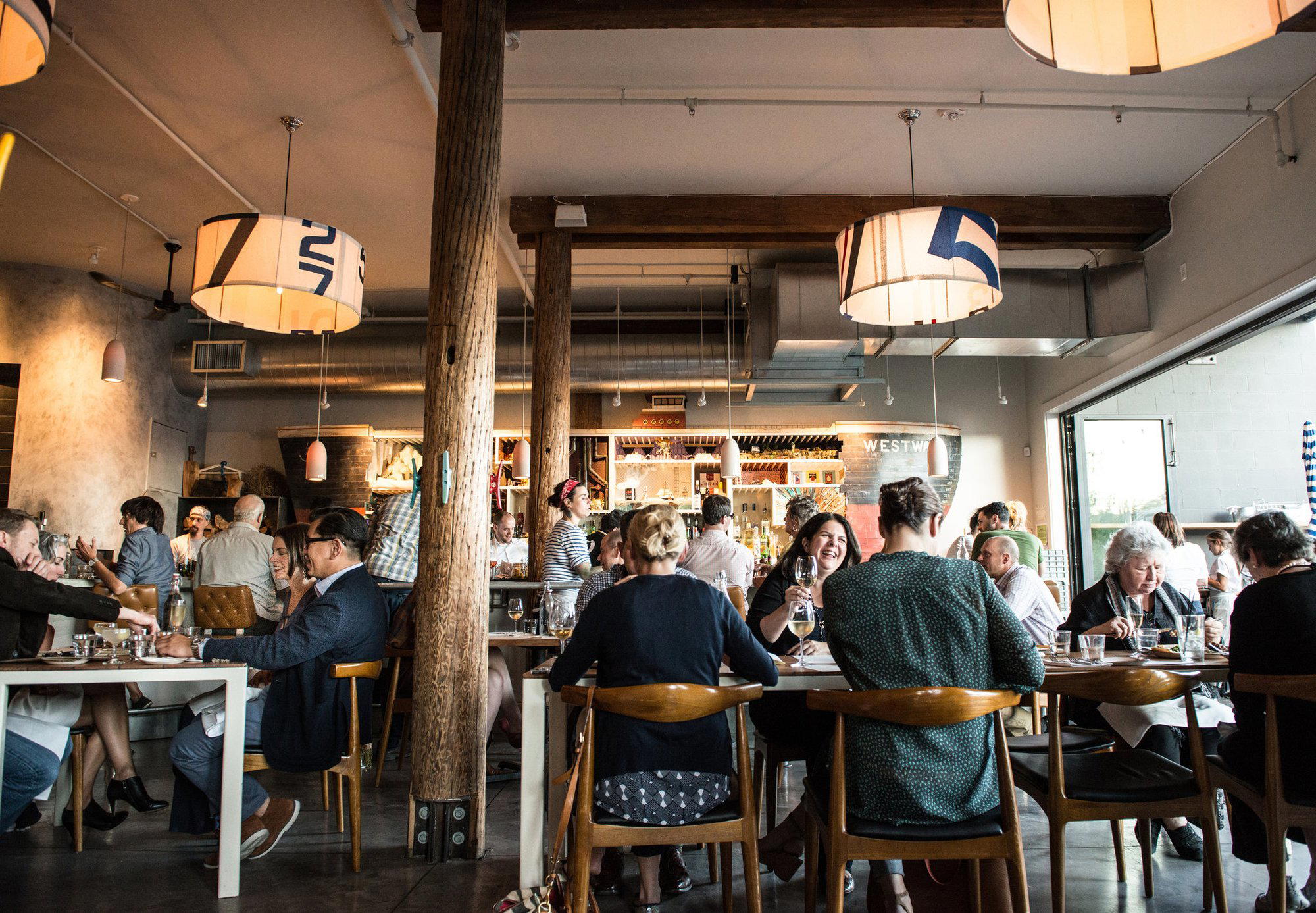
Lake Union's southern shoreline has a particular quality in the late afternoon: the light flattens across the water, floatplanes bank in low from the north, and the city skyline holds its distance just far enough to feel irrelevant. This is the physical context Westward occupies at 2501 N Northlake Way, a stretch of Seattle waterfront that has shifted considerably over the past decade from industrial-adjacent to one of the city's more considered dining corridors. The building's position on the water is the organizing principle around which the restaurant is framed.
A Shoreline That Changed Its Own Rules
Seattle's waterfront dining has historically occupied two poles: the tourist-facing fish markets and pier restaurants of the central waterfront, and the quieter, more local-coded spots that sit on Elliott Bay's edges. Lake Union represents a third conversation, one that accelerated in the 2010s as Fremont and South Lake Union developed into denser, higher-income neighborhoods. Westward arrived into that shift and has tracked with it, functioning less as a fixed point than as a venue that has responded to the neighborhood's changing center of gravity.
That pattern of response and reinvention is visible in how the broader Lake Union dining scene has sorted itself out. Properties that launched as casual lakeside beer-and-oyster operations have, over time, either stayed casual and leaned into volume, or migrated toward a more deliberate food program without fully abandoning the informality the setting demands. The tension between those two directions is something Westward has had to work through, and the current iteration of the restaurant reflects choices made on that question.
For context on where this sits in Seattle's broader hierarchy, the city's prestige dining remains anchored by places like Canlis (New American), which has operated at the summit of the market for decades from its Queen Anne perch, and newer arrivals like Joule (New Asian), which represents a different strand of the city's culinary ambition. Westward operates in a different register from both, but the comparison is useful: it clarifies that the Lake Union venue is not trying to compete on tasting-menu formalism, but on something more specific to its site and format.
The Waterfront Format and What It Requires
Lakeside and waterfront restaurants face a structural challenge that inland venues do not: the setting does a great deal of the work, which can either discipline a kitchen to match the environment or allow it to coast. The venues that have earned sustained credibility in this category, from Pacific Northwest operators to coastal formats elsewhere in the country, tend to be the ones that treat the water view as a given and build a food program that could hold attention without it.
That is the evolution frame worth applying to Westward. Early-stage waterfront venues in cities like Seattle often lead with the patio and the oysters and develop the rest of the program incrementally. The Pacific Northwest coastline gives Seattle restaurants access to particularly particular seafood in North America, from Puget Sound shellfish to Pacific halibut to the salmon runs that still define regional cooking. How a lakeside restaurant like Westward positions itself relative to that supply chain determines how it is read alongside Seattle's more formal seafood restaurants.
Comparable waterfront and seafood-forward venues in other American cities have navigated this by anchoring their identity in technique rather than spectacle. Le Bernardin in New York City built its entire reputation on the argument that fish cookery deserves the same rigor as any other haute cuisine tradition. Providence in Los Angeles made a similar case for the West Coast. These are not peer comparisons for Westward in format or price, but they represent the direction of travel that serious seafood restaurants have taken when they decide to stop letting the ocean do all the talking.
Situating Westward in the Pacific Northwest Dining Conversation
Seattle's dining scene has produced several venues that have entered national conversations in recent years. The farm-to-table and hyperlocal sourcing arguments that places like Blue Hill at Stone Barns in Tarrytown and Single Thread Farm in Healdsburg have made in their respective markets have found Pacific Northwest equivalents, given the region's particular agricultural and marine abundance. Westward's Lake Union address places it in a neighborhood where that localism narrative is entirely credible, close to the Pike Place Market supply chain and the Puget Sound fishing operations that give Seattle kitchens an advantage most American cities cannot replicate.
The Fremont-to-South Lake Union corridor has also matured enough that a restaurant on the water there no longer needs to explain itself geographically. The area draws a mixed crowd: tech-sector workers from the South Lake Union campuses, north Seattle residents who have watched the neighborhood change, and visitors who have moved past the Pike Place and Capitol Hill circuits and are looking for something that reflects a different part of the city's character. That audience is more culinarily engaged than the central waterfront tourist demographic, which creates different expectations and different pressure on a kitchen to perform.
Addresses like 1415 1st Ave, 1744 NW Market St, and 2963 4th Ave S each represent different facets of how the city's dining geography has developed across neighborhoods, and Westward's Northlake position adds a lakeside dimension that none of those addresses can offer.
Know Before You Go
Planning Details
- Address: 2501 N Northlake Way, Seattle, WA 98103
- Neighborhood: Fremont / South Lake Union waterfront corridor
- Setting: Lakeside, on Lake Union's southern shoreline
- Booking: Reservations are recommended; hours are Wed 4-9 PM, Thu 4-9 PM, Fri-Sun 12-9 PM
- Access: The restaurant is at 2501 N Northlake Way, Seattle, WA 98103.
Price Lens
Comparable venues nearby, for context on price, style, and recognition.
| Venue | Cuisine | Price | Notes |
|---|---|---|---|
| WestwardThis venue — the venue you are viewing | New American | $$$ | Not listed |
| Cinder + Salt | Not listed | $$$ | Central Business District, Modern Pacific Northwest Coastal Seafood |
| Anchovies & Olives | Not listed | $$$ | Stevens, Italian-Influenced Seafood and Pasta |
| RockCreek Seafood & Spirits | Fremont, Modern Global Seafood | $$$ | Not listed |
| AQUA by El Gaucho | Belltown, Seafood and Steakhouse | $$$$ | Not listed |
| Taylor Shellfish Oyster Bar | Not listed | $$ | Pioneer Square, Pacific Northwest Raw Shellfish & Oyster Bar |
Recognition history
Dated appearances from independent guides and award organizations, with the underlying list record or original source where available.
Opinionated About Dining Casual in North America Ranked #712
Opinionated About Dining
Opinionated About Dining Casual in North America Ranked #722
Opinionated About Dining
Opinionated About Dining Casual in North America Recommended
Opinionated About Dining
Continue exploring
More in Seattle
Restaurants in Seattle
Browse all →
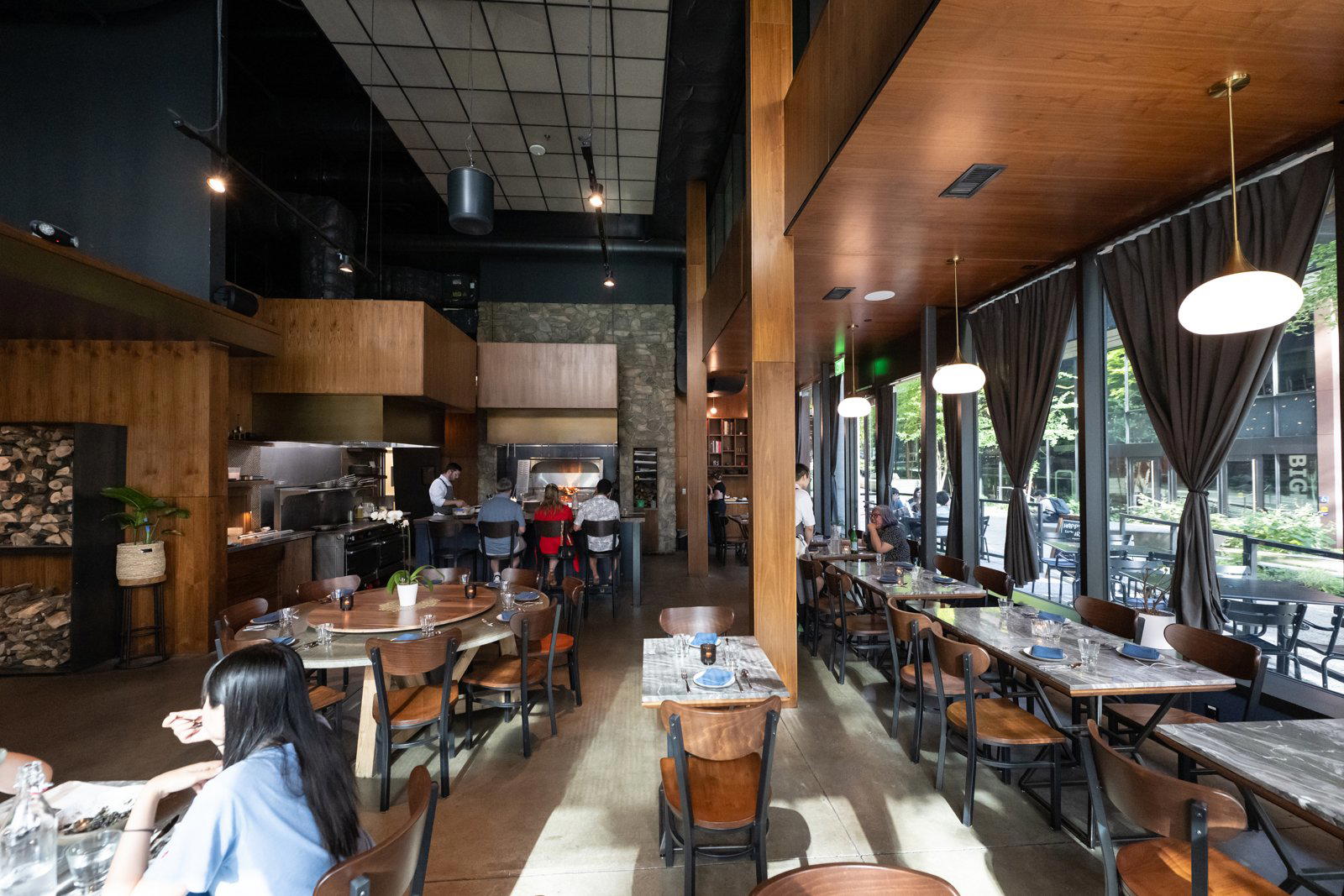
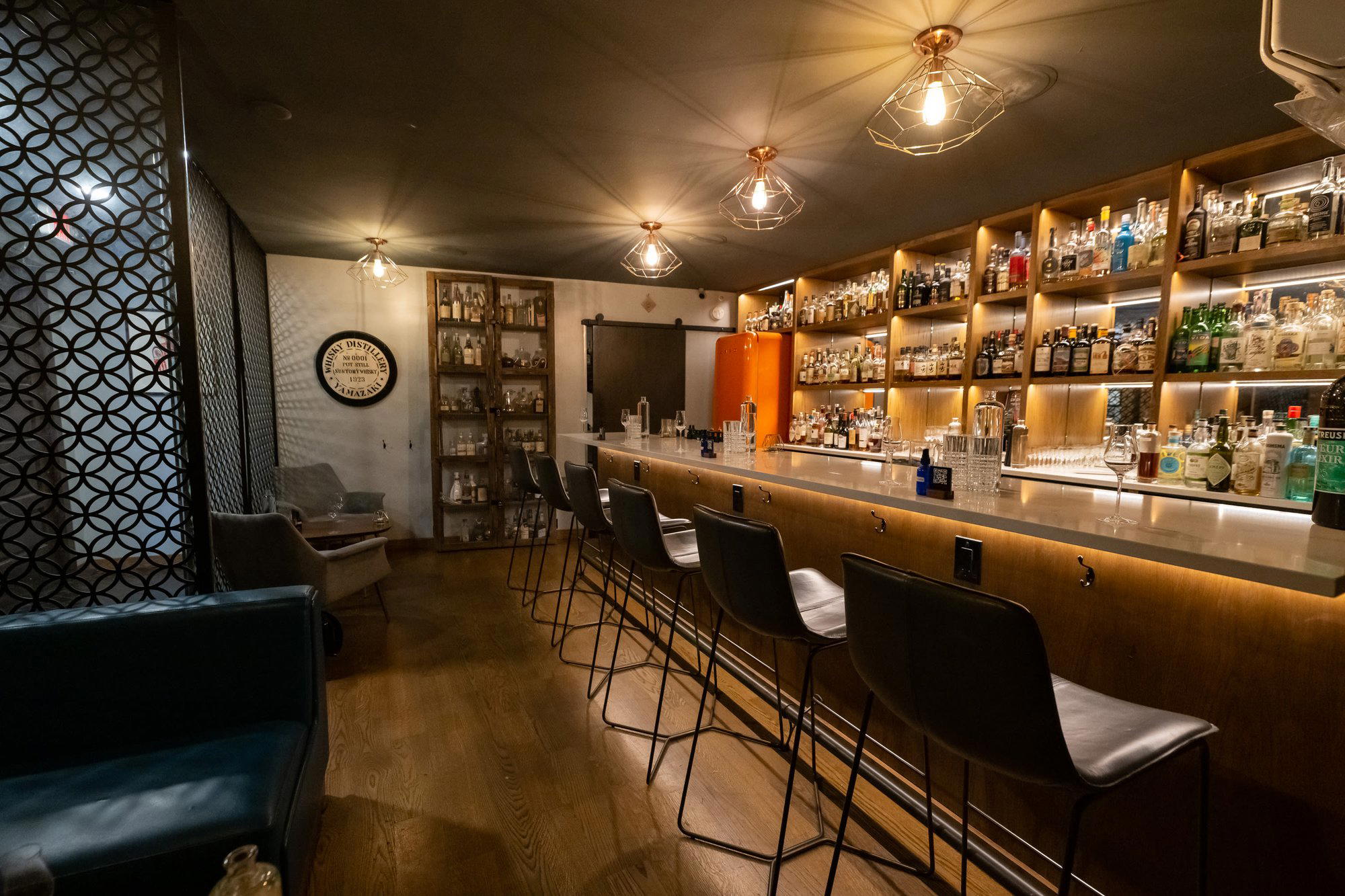
Bars in Seattle
Browse all →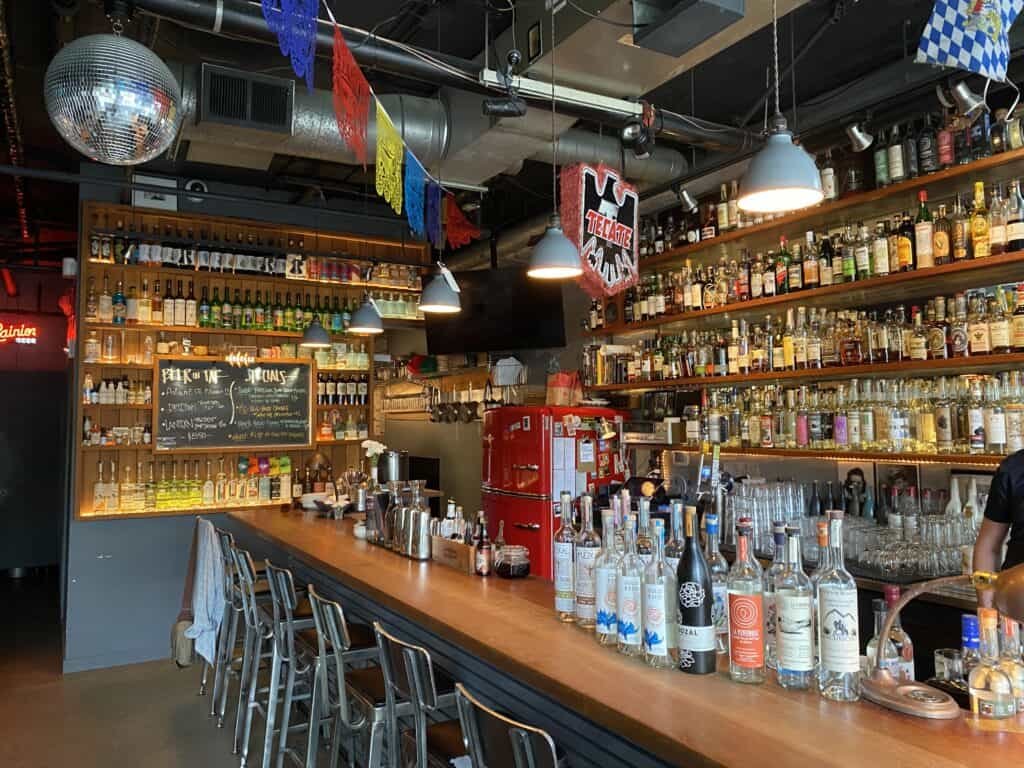
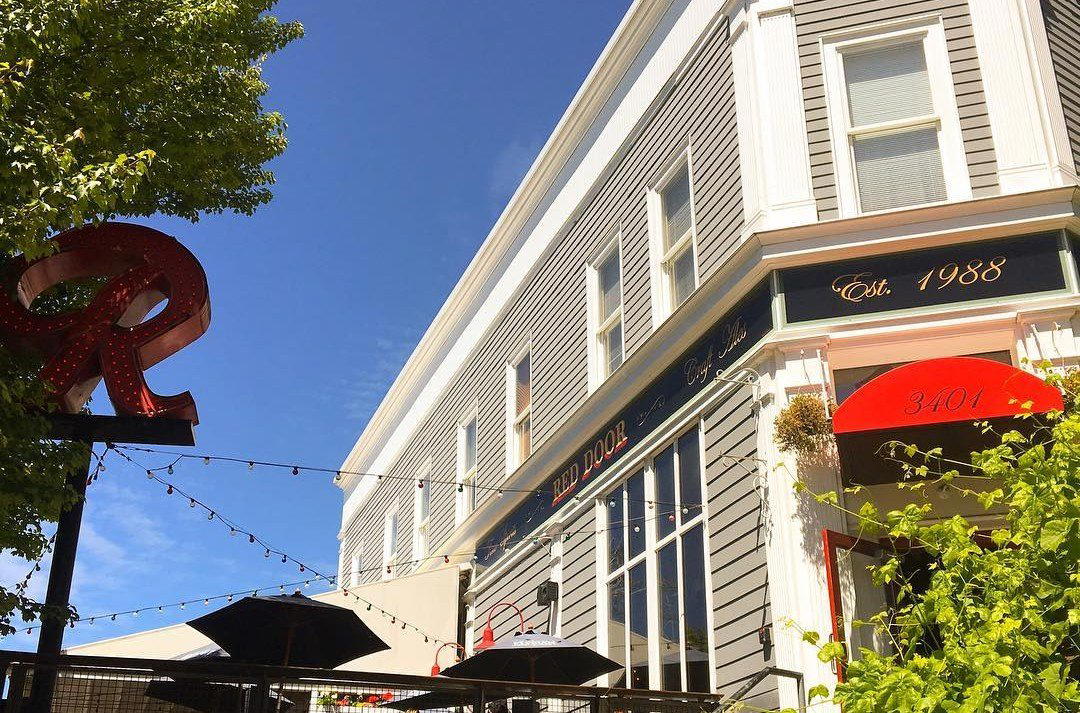
Hotels in Seattle
Browse all →

At a Glance
- Scenic
- Lively
- Modern
- Trendy
- Date Night
- Special Occasion
- Brunch
- Waterfront
- Open Kitchen
- Terrace
- Extensive Wine List
- Craft Cocktails
- Local Sourcing
- Sustainable Seafood
- Waterfront
- Skyline
Current opening hours
- Monday
- Closed
- Tuesday
- Closed
- Wednesday
- 4–9 PM
- Thursday
- 4–9 PM
- Friday
- 12–9 PM
- Saturday
- 12–9 PM
- Sunday
- 12–9 PM
Hours can change for holidays and private events. Last verified .
Bright, nautical-inspired interior with watery blues and whites, refurbished sailboat fixtures, lively atmosphere enhanced by panoramic lake and city views from every seat.