Anchovies & Olives
Our verdict
On Capitol Hill's 15th Avenue corridor, Anchovies & Olives operates in the register that defines Seattle's mid-tier seafood conversation: ingredient-focused, approachable in format, and rooted in the Mediterranean pantry. The name telegraphs the approach before you sit down. For the neighbourhood's mix of regulars and curious visitors, it occupies a reliable position between the white-tablecloth formality of a Canlis and the counter-casual end of the Seattle seafood spectrum.

The menu
What to order
- Noodles with anchovies olive oil chiles and mint
- Fried chickpeas
15th Avenue and the Grammar of a Neighbourhood Seafood Room
Capitol Hill's 15th Avenue corridor has a particular character that sets it apart from the louder dining blocks closer to Pike and Pine. The street runs residential-commercial in a way that rewards the walker who slows down: independent wine shops, coffee roasters with narrow storefronts, and restaurants that tend toward intimacy over spectacle. Anchovies & Olives, at 1550 15th Ave, sits inside that grammar. The address alone positions it as a neighbourhood room first, a destination second, which, in Seattle's dining geography, is not a demeaning designation. Some of the city's most consistent kitchens operate precisely on that basis.
The name is its own editorial statement. Mediterranean pantry staples, the preserved, the cured, the brine-forward, announced as the conceptual frame before a guest crosses the threshold. In a city where the default seafood mode tends toward Pacific Rim inflection (see Joule for the sharper end of that tradition) or New American ambition (the register occupied by Canlis), a Mediterranean seafood focus represents a distinct lane. Anchovies and olives, as ingredients, carry specific cultural weight: they signal a kitchen aligned with the flavours of the Ligurian coast, southern Italy, or the eastern Adriatic rather than the Pacific Northwest's kelp-and-cedar idiom.
The Physical Container: What the Space Communicates
Smaller seafood restaurants along the Mediterranean model tend to make a virtue of compression. The counter, the bar stool, the close table, these are functional features of a tradition that prizes the quick, convivial meal over the extended occasion. Capitol Hill, with its apartment density and foot-traffic evenings, suits that format well. A room that seats fewer guests per service necessarily implies a different relationship between kitchen and diner: less production-line, more responsive.
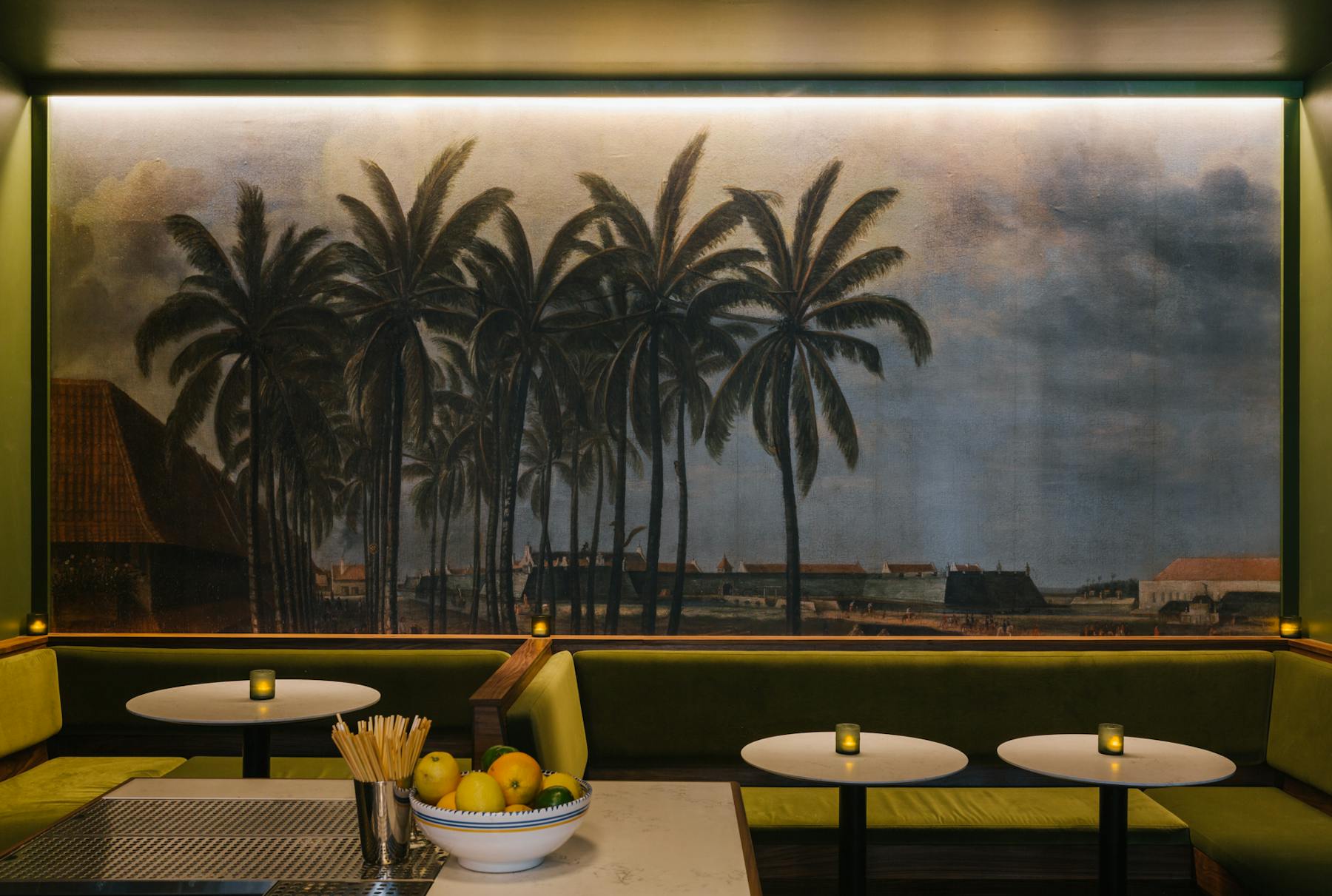
The design language of this category of restaurant in American cities has shifted over the past decade. The move away from white tablecloths toward raw wood, exposed tile, and open shelving has become so widespread as to constitute its own genre. The better operators in this space use material choices to reinforce a culinary argument rather than simply follow trend. A room that foregrounds the preserved and the pickled, the anchovies in their tins, the olives in their brine, asks its guests to recalibrate expectations before the first plate arrives. That framing is worth more than most menu copy.
For comparison, consider where Anchovies & Olives sits relative to Seattle's broader seafood conversation. The city's coastline adjacency makes seafood ubiquitous but not automatically sophisticated. The gap between a tourist-facing Pike Place fish counter experience and something like 1415 1st Ave or 1744 NW Market St is substantial. Anchovies & Olives operates in the middle register of that range: not the tasting-menu tier, not the casual counter, but the neighbourhood room where the cooking can be ambitious without the pricing architecture of a multi-course occasion.
Mediterranean Seafood in the American Context
The Mediterranean seafood tradition that informs a concept like this one is worth locating precisely. It is not the luxury end of the European fish-restaurant spectrum, the kind of white-glove service that frames whole turbot as ceremony. It is closer to the trattoria or konoba model: a short menu, high turnover of fresh product, preparations that respect the ingredient without theatricalising it. Anchovy, specifically, is a kitchen-literacy test. Treated well, it is a flavour-delivery mechanism of remarkable efficiency. Handled carelessly, it is simply salt and funk. The same applies to good olive oil, to capers, to the acidic brightness that keeps Mediterranean seafood plates from collapsing into richness.
Nationally, this approach sits in a smaller niche than the Pacific and Atlantic fine-dining seafood traditions represented by venues like Le Bernardin in New York City or Providence in Los Angeles. Those rooms operate at a different price point and with different structural ambitions. The neighbourhood Mediterranean seafood room is a category that American diners have had less consistent access to than their European counterparts, which makes a well-executed version of the format genuinely useful in a city's dining map. For the full picture of where this fits in Seattle's restaurant ecosystem, the EP Club Seattle restaurants guide maps the broader terrain.
Where Capitol Hill Places This Restaurant
Capitol Hill is not a monolithic dining neighbourhood. The blocks around Broadway and Pike draw a different crowd than 15th Avenue, and the price expectations differ accordingly. 15th Avenue restaurants tend to operate on the logic of the local: the guest who returns weekly rather than the tourist making a once-trip decision. That repeat-visit dynamic rewards consistency over novelty, and it tends to produce kitchens with tighter command of their limited repertoire.
The contrast with destination-format restaurants elsewhere in the city or region is instructive. At the far end of the occasion-dining spectrum, places like Single Thread Farm in Healdsburg, Smyth in Chicago, or Blue Hill at Stone Barns in Tarrytown ask guests to organise evenings, sometimes travel, around a single meal. The neighbourhood seafood room asks something different and arguably more demanding of the kitchen: it must earn its place in a guest's weekly rotation, not just their annual special-occasion list. That is a different kind of proof.
Other Seattle restaurants in the neighbourhood-anchor category, 2963 4th Ave S operates on a comparable logic in its own district, demonstrate that this format produces some of the city's more durable dining relationships. The room that knows its regulars, and that regulars trust, tends to outlast the concept-driven opening that burns bright for eighteen months.
Planning Your Visit
Anchovies & Olives sits at 1550 15th Ave on Capitol Hill, walkable from the 15th and John or 15th and Pine bus stops, and roughly a fifteen-minute walk from Capitol Hill Link station. The neighbourhood is dense enough that street parking requires patience, particularly on weekend evenings. Given the likely format, a compact, popular room in an active dining corridor, arriving at opening time or booking ahead when the option is available will serve you better than walking in on a Friday at eight. For dietary accommodations, contacting the restaurant directly before your visit is the most reliable approach, as menus in this category shift with product availability and season. Seattle's broader dining options, including the full range from Addison in San Diego-tier occasion dining to approachable neighbourhood formats, are covered in the EP Club Seattle guide.
Frequently asked questions
Where exactly is Anchovies & Olives?
Anchovies & Olives is located at 1550 15th Ave, Seattle, WA 98122, Seattle.
How does Anchovies & Olives fit into the Seattle seafood dining scene?
Seattle's seafood reputation runs toward Pacific Northwest ingredients, Dungeness crab, salmon, oysters from Puget Sound, and most dining rooms lean into that regional identity. Anchovies & Olives takes a different angle, applying a Mediterranean framework to the category: the conserva tin, the anchovy, the olive-oil-forward preparation. That places it in a distinct category on Capitol Hill, at 1550 15th Ave, rather than in direct competition with the market-adjacent fish counters closer to Pike Place.
What's the best thing to order at Anchovies & Olives?
The menu draws from the everyday Mediterranean seafood tradition, small plates, conservas, and simply prepared fish rather than elaborate tasting formats. Given the restaurant's name and concept, anchovy-forward dishes and olive-accompanied preparations are the natural place to start. Check current offerings directly with the restaurant, as the selection shifts with availability.
Can I walk in to Anchovies & Olives?
Walk-in availability at Anchovies & Olives on Capitol Hill's 15th Avenue corridor varies by day and time. Smaller seafood rooms in this format tend to fill quickly on weekend evenings, so weekday visits or early seatings give you better odds. Contacting the restaurant directly before arriving is the reliable approach.
What has Anchovies & Olives built its reputation on?
The restaurant has built its identity around the accessible end of Mediterranean seafood, conservas, simply cooked fish, and the kind of bar-and-counter format common to Spanish and Italian coastal towns rather than white-tablecloth fish houses. On Capitol Hill's 15th Avenue, that positioning fills a gap: the street runs quieter and more neighbourhood-focused than the Broadway and Pike blocks, and Anchovies & Olives fits the register of a place locals return to rather than reserve for occasions.
Can Anchovies & Olives accommodate dietary restrictions?
A seafood-focused menu with Mediterranean influences will present challenges for guests avoiding fish, shellfish, or bivalves, since those are the structural core of the concept. Vegetarian and allergy-related needs are best discussed directly with the restaurant before your visit. The 15th Ave location can be reached for specific questions through current contact details found via search or reservations platforms.
Is Anchovies & Olives worth the price?
On Capitol Hill's 15th Avenue, Anchovies & Olives operates in a price corridor that reads as neighbourhood dining rather than destination-occasion spending. Mediterranean seafood formats in this register, small plates, counter seating, conservas, typically deliver value relative to the more formal fish restaurants closer to downtown Seattle. Whether the tab makes sense depends on how many plates you order, so arriving with an appetite rather than a fixed budget tends to produce the better outcome.
A Lean Comparison
| Venue | Cuisine | Price | Awards | Notes |
|---|---|---|---|---|
| Anchovies & OlivesThis venue (the venue you are viewing) | Italian-Influenced Seafood and Pasta | Not listed | Not listed | Not listed |
| Canlis | Modern American Fine Dining | $200–300 | Star Wine List · James Beard Award Semi Finalist | New American |
| Joule | Korean-Fusion Steakhouse | $50–100 | James Beard Award Outstanding Bar Program | New Asian |
| Kamonegi | Handmade Soba Noodles | $50–100 | Not listed | Soba |
| Maneki | Traditional Japanese | $20–30 | Not listed | Japanese |
| Walrus & Carpenter | Seattle Oyster Bar | $50–100 | Not listed | New American - Seafood |
Continue exploring
More in Seattle
Restaurants in Seattle
All restaurants in Seattle →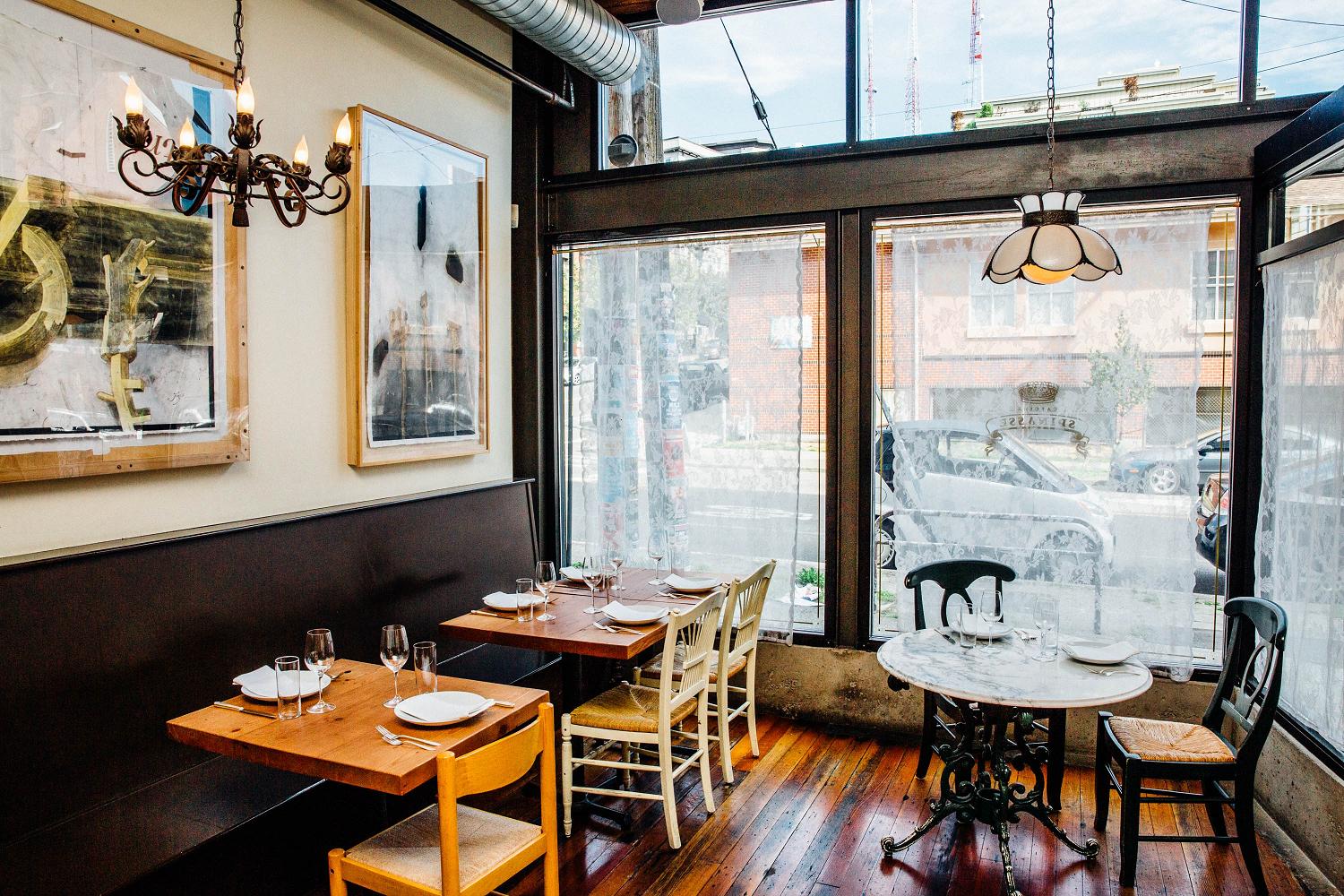
Bars in Seattle
All bars in Seattle →
Details
- Trendy
- Intimate
- Date Night
- Casual Hangout
- Late Night
- Open Kitchen
- Extensive Wine List
- Local Sourcing
- Small Plates
- Italian Wines