Cinder + Salt
Cinder + Salt occupies a direct position in Seattle's serious seafood conversation, operating from 1610 2nd Ave in Belltown. The kitchen leans into the Pacific Northwest's seasonal rhythms, where what's on the menu is largely determined by what the water is giving up that week. For a city built around one of North America's most productive fisheries, this is less a concept than a commitment.
Pearl is the En Primeur Club membership app — saves, bookings, and concierge access live there. Same editors, same standards.
- Address
- 1610 2nd Ave, Seattle, WA 98101
- Phone
- (206) 256-7520
- Website
- cindersalt.com
- Directions
- Get directions
 Saves & bookings on Pearl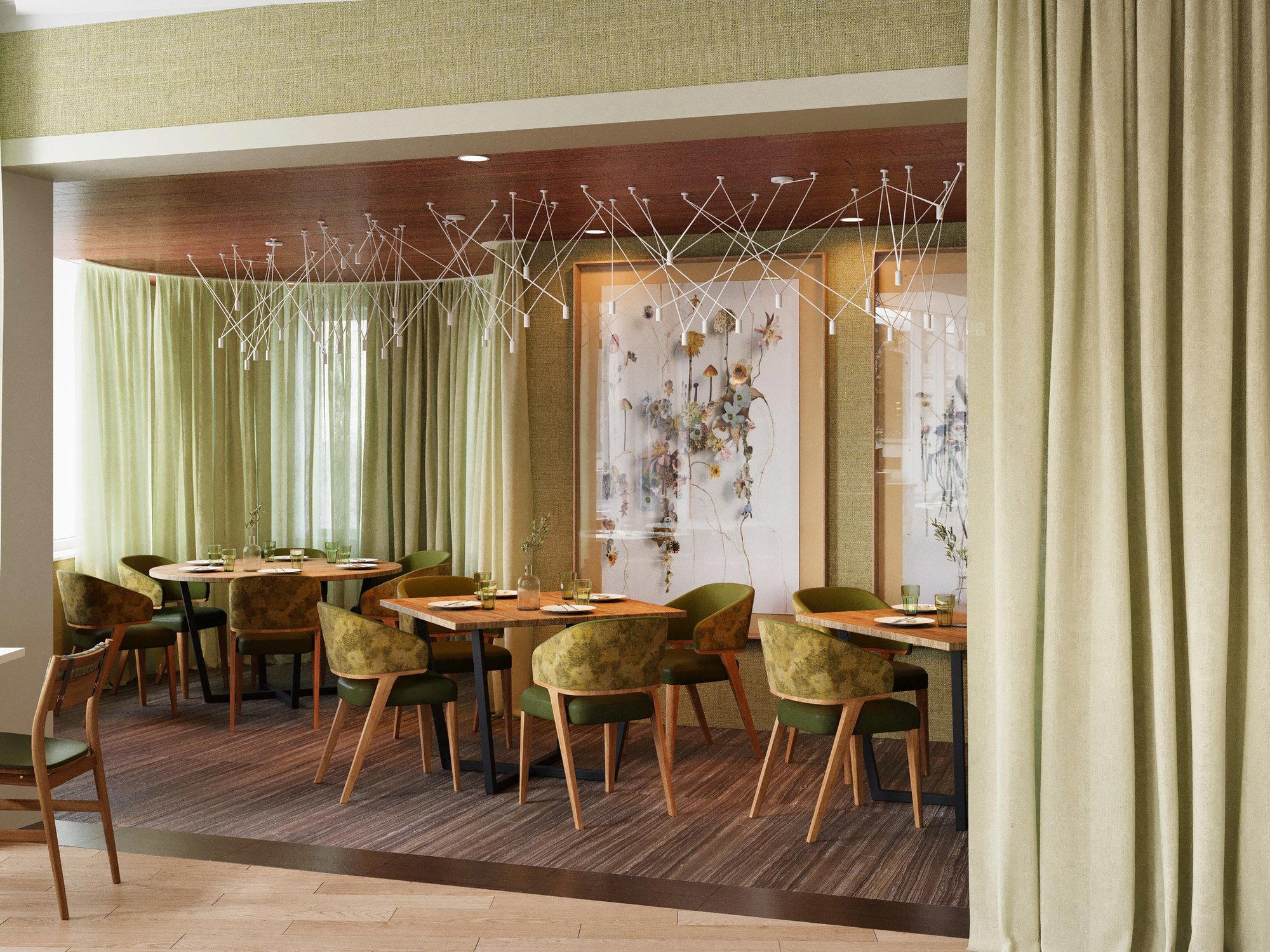
Belltown, the Water, and What the Season Decides
Seattle's relationship with seafood is structural, not ornamental. The city sits at the intersection of Puget Sound, the Salish Sea, and supply chains that connect directly to Alaskan fishing fleets, making the question of freshness almost beside the point. What matters more, at the serious end of the market, is timing: which species is running, which shellfish beds are producing, and whether the kitchen is organized around those rhythms or simply sourcing from a broad distributor list regardless of the calendar. Cinder + Salt, a modern Pacific Northwest coastal seafood restaurant at 1610 2nd Ave in Seattle, is priced around $65 per person and operates within that seasonal logic.
Belltown's dining character has shifted considerably over the past decade. Once known primarily for volume-driven concepts and a bar-heavy crowd, it has absorbed a cohort of more technically focused restaurants that treat the neighborhood's foot traffic as a feature rather than the whole point. Seafood in particular has consolidated around a handful of addresses where the sourcing conversation is taken seriously. Bateau made its name through a beef-focused counter model that foregrounded provenance; the logic applied to fin fish is analogous, and it's the framework within which Cinder + Salt fits.
The Seasonal Tide: Pacific Northwest Fish Calendars
Understanding what a Pacific Northwest seafood kitchen is doing requires some fluency with regional fish calendars. Dungeness crab season in Washington state typically opens in December and runs through late summer, with commercial seasons managed by the Washington Department of Fish and Wildlife and subject to year-to-year variation based on population assessments. Wild Chinook salmon runs peak in the summer months, with spring Chinook arriving earlier and generally commanding the highest prices due to their fat content. Sockeye follows in July. Halibut, sourced from Alaskan waters under IPHC quota management, has a season that runs roughly March through November, with the earliest fish of the year often particularly sought after by chefs who have been sourcing frozen product through the winter closure.
Oysters from the Pacific Northwest are a year-round commodity in practice, but their flavor profiles shift with water temperature: colder months produce brighter, more mineral shellfish, while summer harvests can bring a creamier, more pronounced brine depending on the growing region. Totten Inlet, Hood Canal, and Willapa Bay each produce distinct oyster characters that a kitchen tracking seasonality will rotate through rather than standardize around a single label. This is the level of sourcing specificity that separates Seattle's serious seafood addresses from the city's broader restaurant population.
A kitchen built around this calendar is not producing a static menu. What Cinder + Salt offers in February is materially different from what it offers in July, which is the point. For visitors planning around a specific ingredient or species, this means doing some advance homework: peak Chinook season and peak Dungeness season don't overlap, and a table in late summer catches a different set of opportunities than one in midwinter. Seattle's seafood scene rewards this kind of planning in a way that, say, a steakhouse or a pasta-focused kitchen does not require.
Where Cinder + Salt Sits in the Seattle Seafood Tier
Seattle's seafood dining spectrum runs from waterfront institutions to neighborhood counters to the kind of hyper-focused sourcing-led kitchens that prioritize product quality over atmosphere investment. Ray's Boathouse in Shilshole represents the established waterfront end of the spectrum, where the view does significant work and the wine list reflects decades of institutional knowledge. The other end is occupied by smaller, less scenically located addresses where the fish itself is the entire argument. The restaurant's 2nd Avenue address places it in that second camp: a Belltown street presence without a water view, which means the kitchen's sourcing credentials carry the full explanatory weight.
Comparisons to restaurants operating at the absolute best of the American seafood category, like Le Bernardin in New York City, are useful for calibration purposes. Le Bernardin's model is built around French classical technique applied to premium product in a formal dining room with a Michelin three-star ceiling. Seattle's better seafood addresses, including the tier the restaurant occupies, tend to operate with less ceremony and more direct product-focus: the fish is primary, the preparation secondary, and the room a relatively neutral container for both. That's a West Coast sensibility that shows up consistently across the region's more serious fish kitchens.
For broader context on how Seattle's dining scene is structured across categories, Canlis, the city's most recognized fine dining institution, occupies a different tier entirely but shares the Pacific Northwest sourcing orientation that runs through Seattle's better kitchens regardless of format. Joule applies a New Asian framework to similar regional ingredients. For something beyond restaurants,
Internationally, the seasonal seafood kitchen model that restaurant represents has strong analogues in southern Italy, where Gambero Rosso in Marina di Gioiosa Ionica and Alici on the Amalfi Coast both operate on the logic that the Tyrrhenian and Ionian catch determines the menu, not the other way around. The philosophical alignment is tighter than the geographic distance suggests.
Planning a Visit
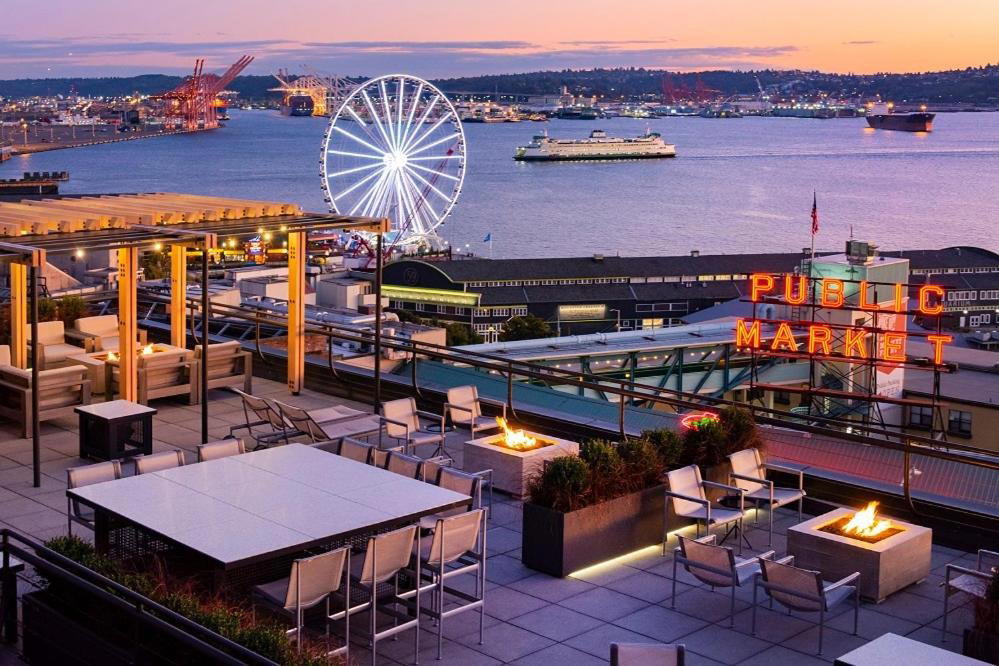
The restaurant is located at 1610 2nd Ave in Belltown, within walking distance of both Pike Place Market and the downtown hotel corridor, which makes it logistically direct for visitors staying in the city center.
Other West Coast kitchens worth benchmarking against include Lazy Bear in San Francisco and Single Thread Farm in Healdsburg, both of which operate with a similar seasonal-sourcing discipline in a California context.
Cuisine Context
Comparable venues nearby, for context on price, style, and recognition.
| Venue | Cuisine | Price | Notes |
|---|---|---|---|
| Cinder + SaltThis venue — the venue you are viewing | Modern Pacific Northwest Coastal Seafood | $$$ | Not listed |
| RockCreek Seafood & Spirits | Modern Global Seafood | $$$ | Fremont |
| Duke's Seafood Greenlake | Pacific Northwest Sustainable Seafood | $$$ | Green Lake |
| RIDER | Pacific Northwest Seafood & Wood-Fired Grill | $$$ | Central Business District |
| Tidal+ | Sustainable Pacific Northwest Seafood | $$$ | Belltown |
| Ivar's Salmon House | Classic Northwest Seafood | $$ | Latona |
Continue exploring
More in Seattle
Restaurants in Seattle
Browse all →
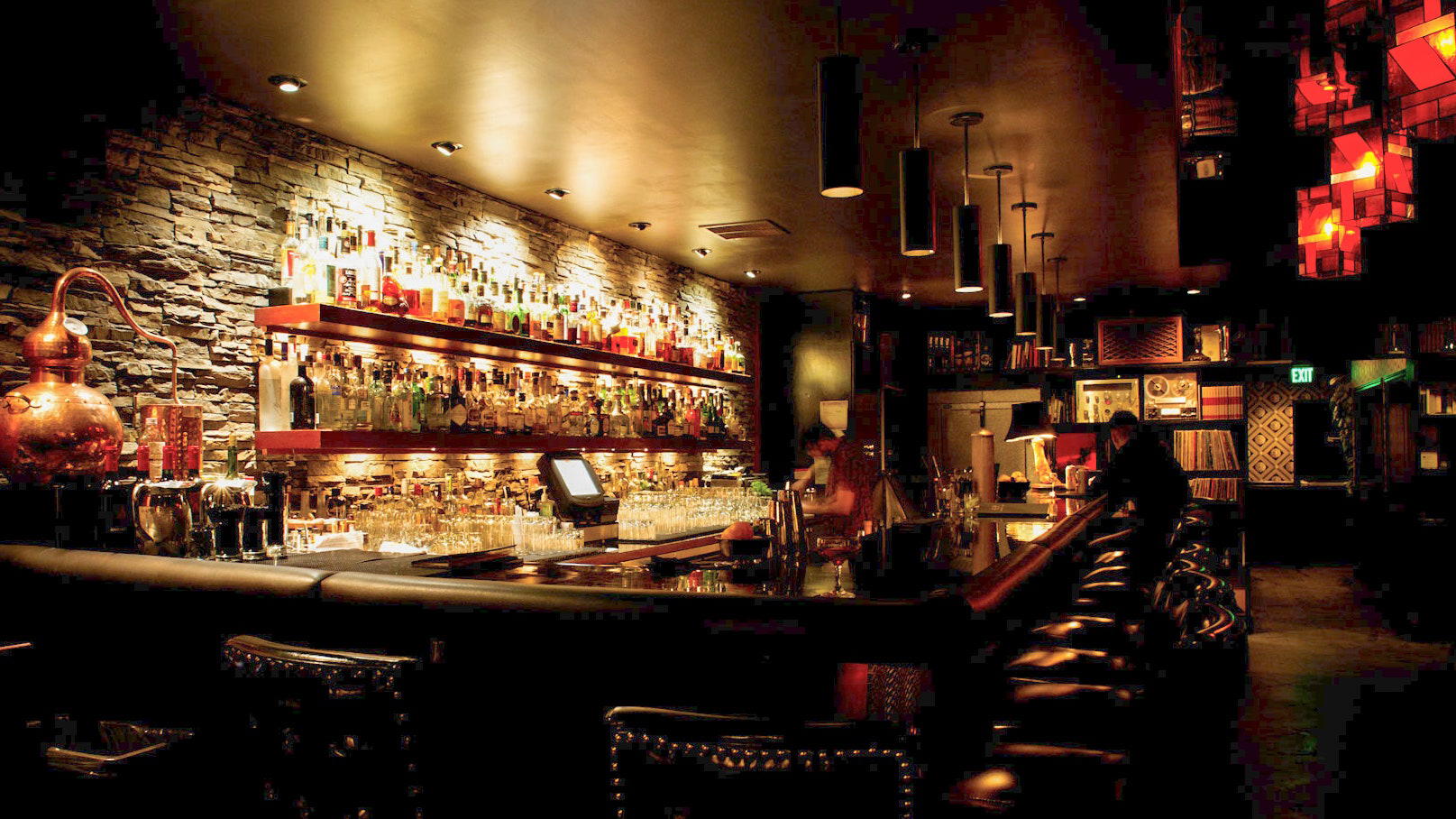
Bars in Seattle
Browse all →
Hotels in Seattle
Browse all →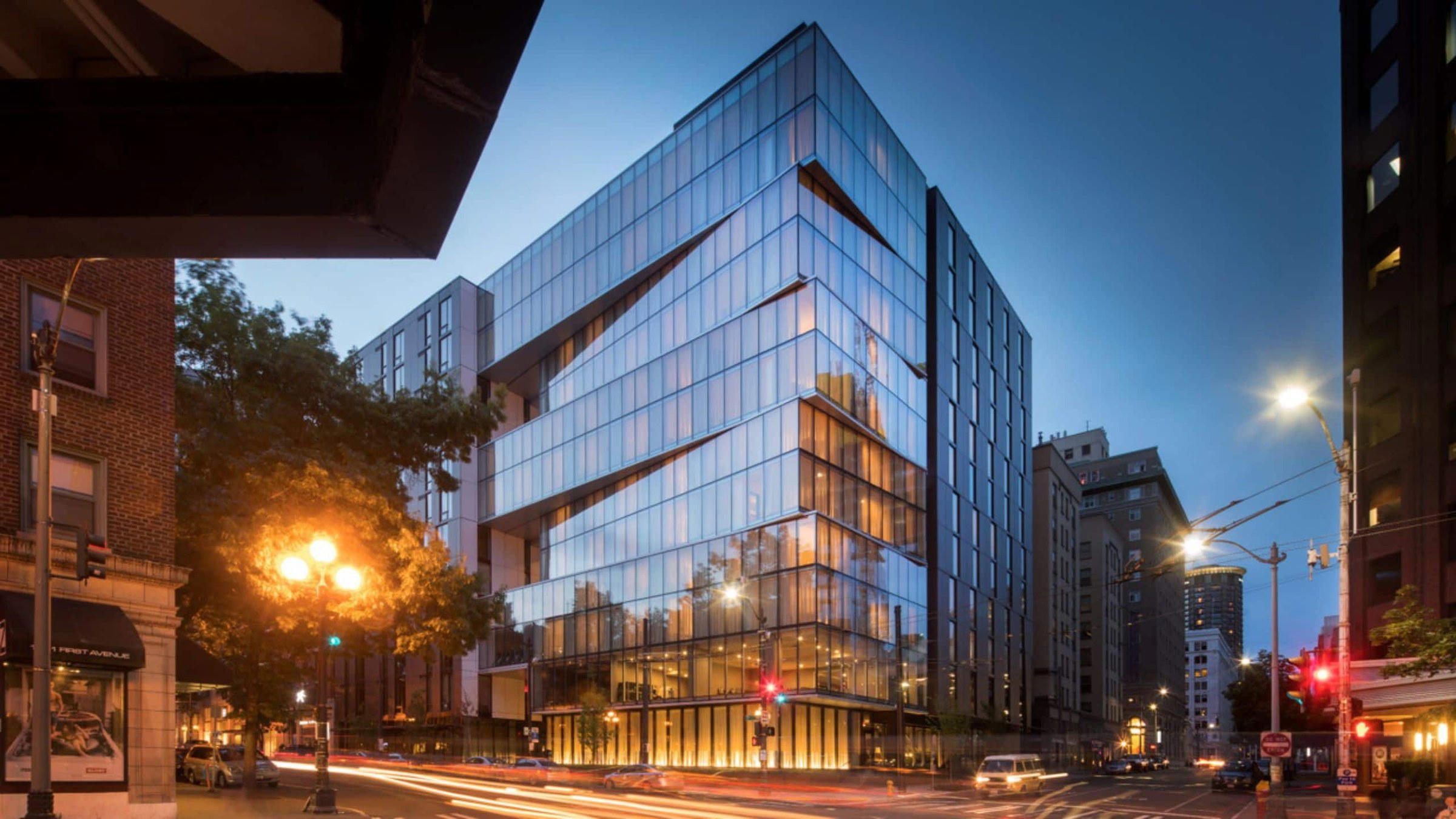
At a Glance
- Modern
- Elegant
- Sophisticated
- Scenic
- Date Night
- Business Dinner
- Group Dining
- Special Occasion
- Open Kitchen
- Private Dining
- Waterfront
- Hotel Restaurant
- Design Destination
- Extensive Wine List
- Craft Cocktails
- Beer Program
- Local Sourcing
- Sustainable Seafood
- Farm To Table
- Waterfront
- Mountain
Current opening hours
- Monday
- 6 AM–9 PM
- Tuesday
- 6 AM–9 PM
- Wednesday
- 6 AM–9 PM
- Thursday
- 6 AM–9 PM
- Friday
- 6 AM–9 PM
- Saturday
- 6 AM–9 PM
- Sunday
- 6 AM–9 PM
Hours can change for holidays and private events. Last verified .
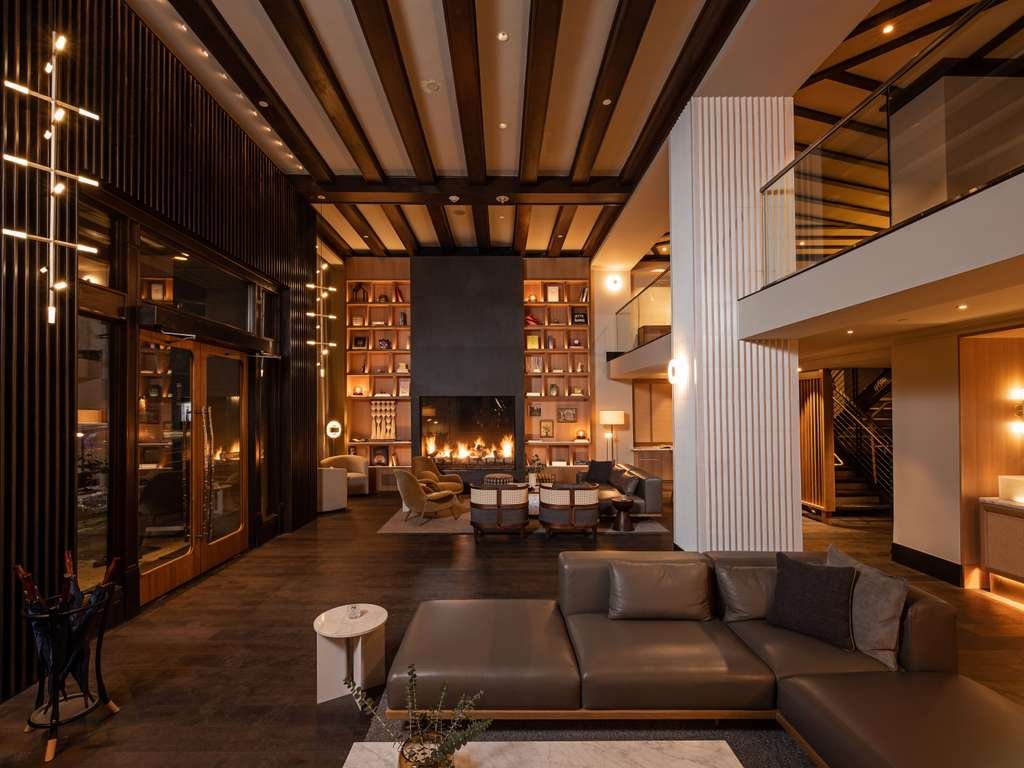
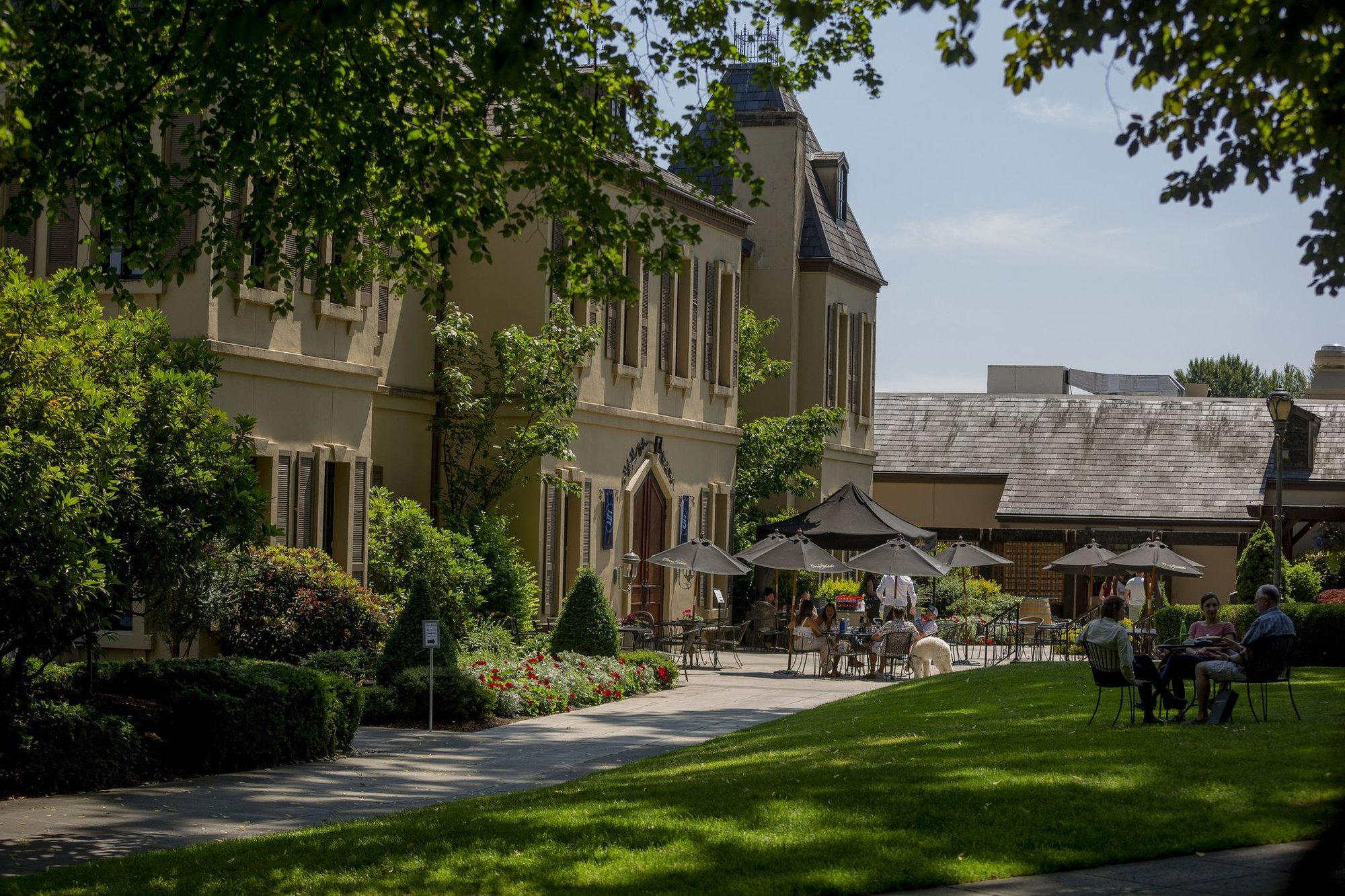
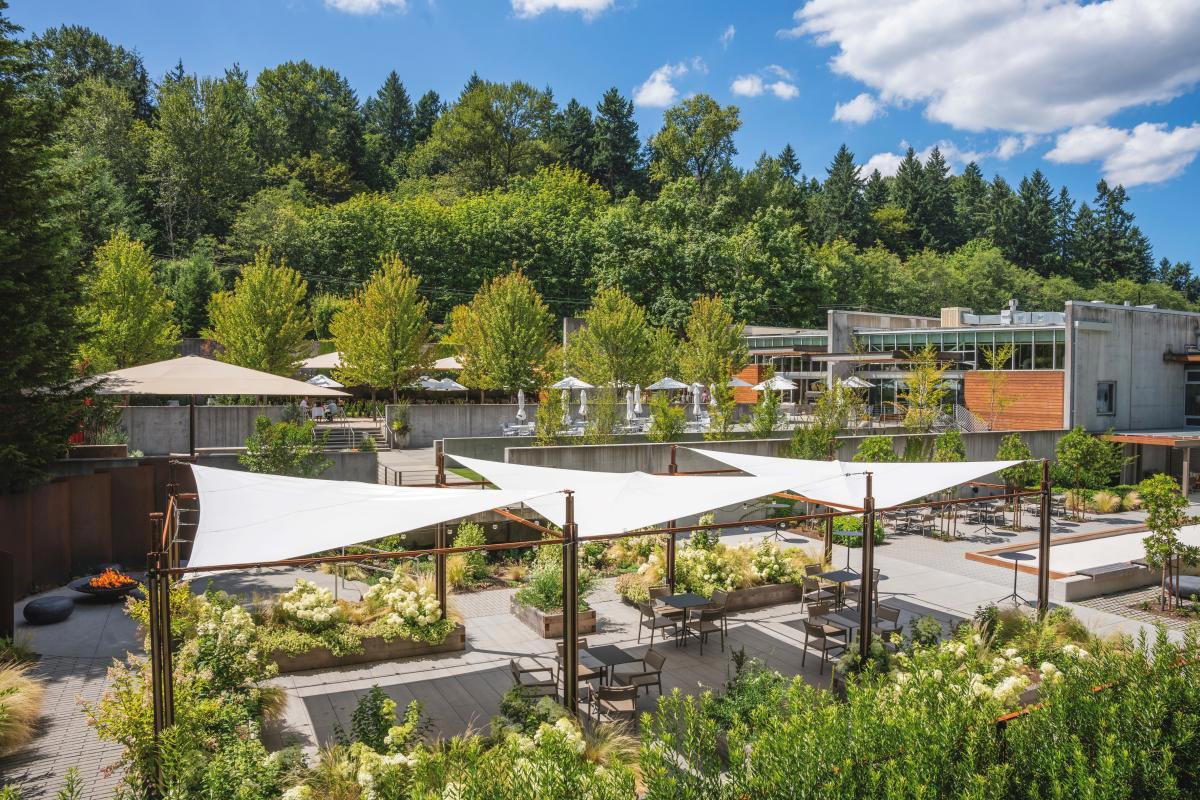
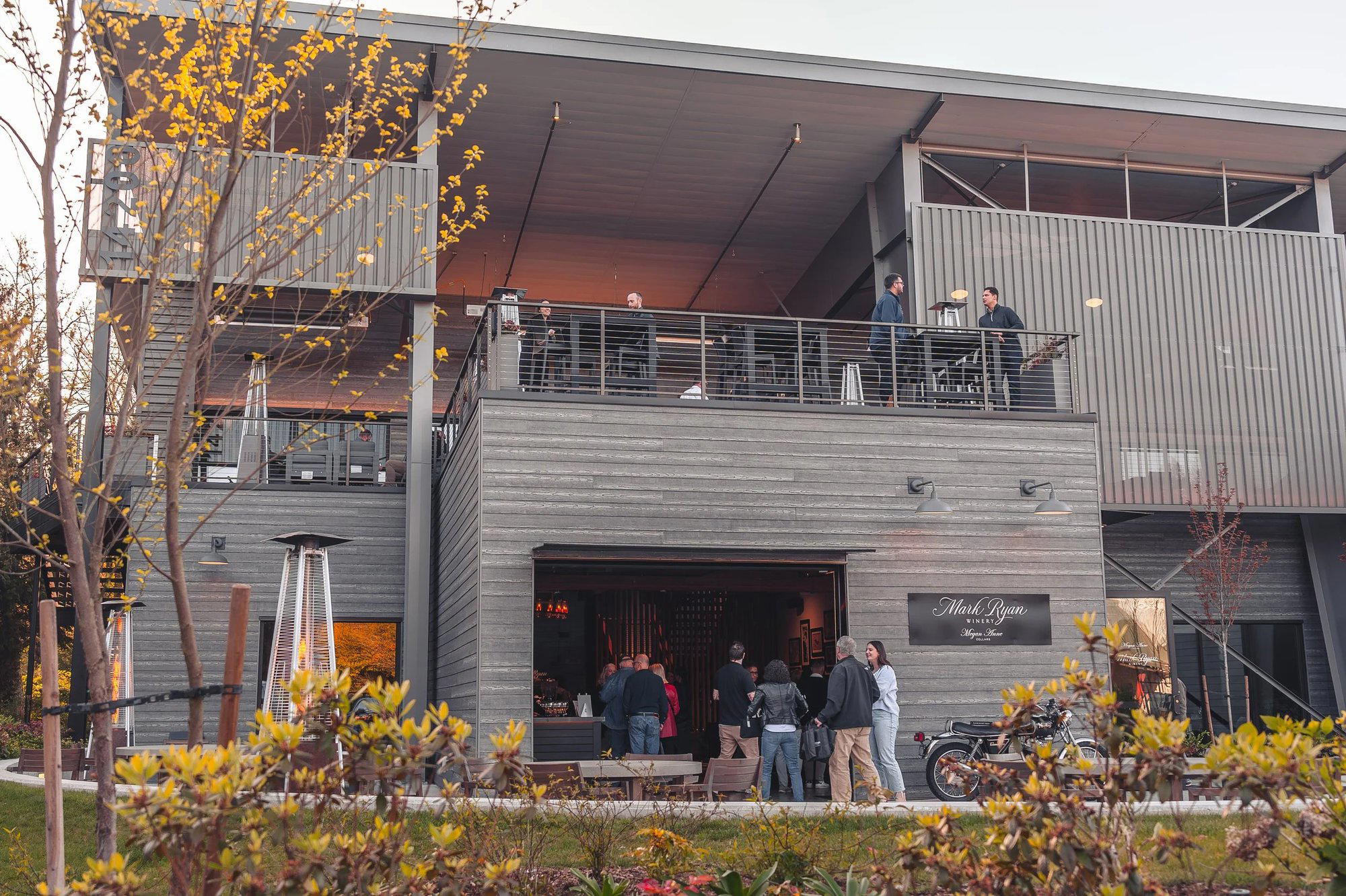
Bright, light-filled spaces with natural light and hues of green, reflecting Mount Rainier and Puget Sound views with a modern coastal aesthetic.