RockCreek Seafood & Spirits
RockCreek Seafood & Spirits occupies a converted Fremont firehouse, putting Pacific Northwest seafood at the center of a dining room that has shifted considerably since the neighborhood itself changed shape. The Fremont address places it outside Seattle's downtown seafood corridor, drawing a local crowd that values the format as much as the catch. It sits in a mid-tier between casual fish houses and the city's fine-dining seafood counters.
Pearl is the En Primeur Club membership app — saves, bookings, and concierge access live there. Same editors, same standards.
- Address
- 4300 Fremont Ave N, Seattle, WA 98103
- Phone
- +12065577532
- Website
- rockcreekseafood.com
- Directions
- Get directions
 Saves & bookings on Pearl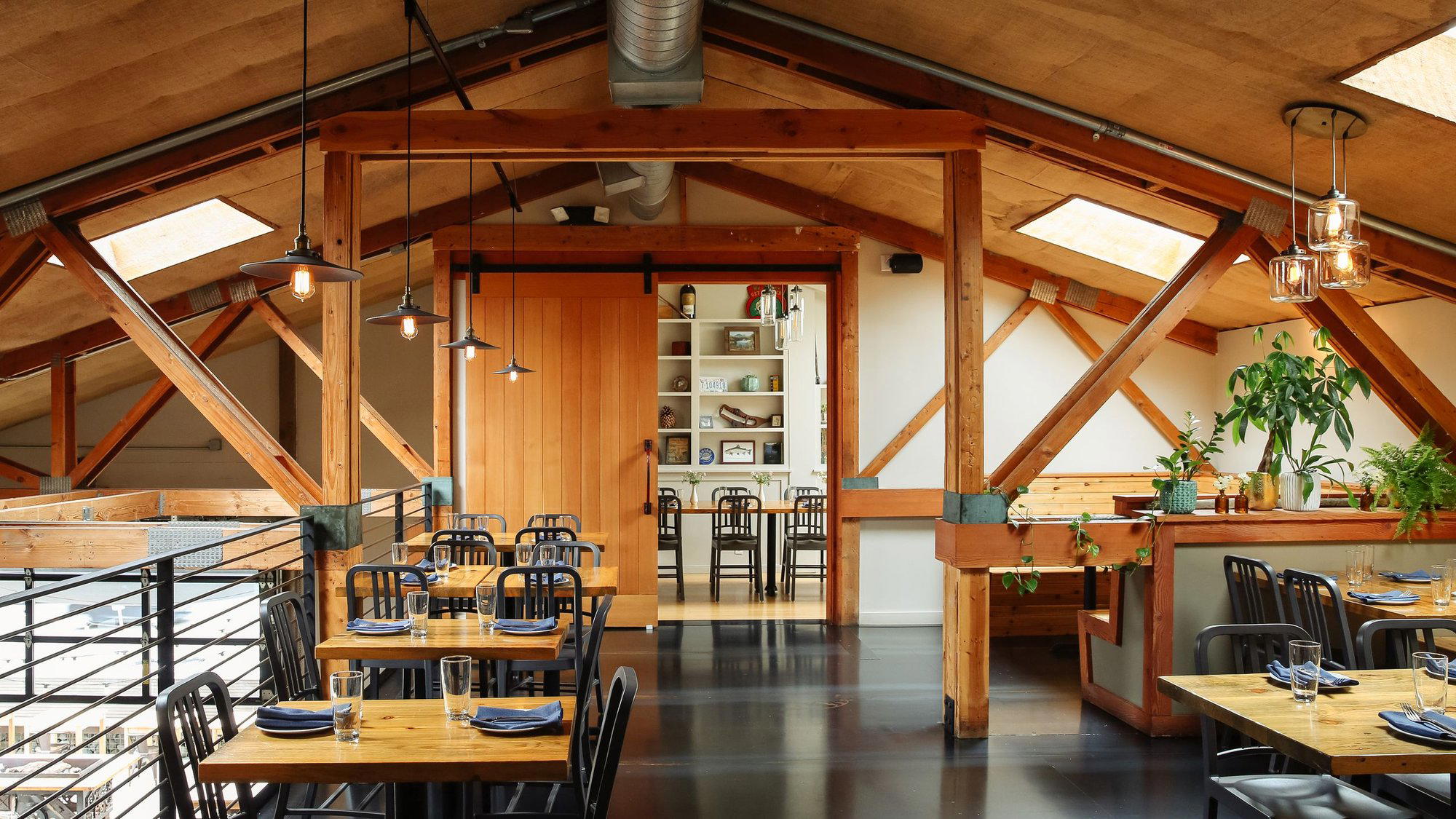
A Firehouse in Fremont, and What That Address Signals
Seattle's seafood dining has never been a single thing. The waterfront tourist corridor, Pike Place's raw bars, and the city's serious fine-dining rooms each operate on different assumptions about who is eating, what they want, and what they're willing to pay. RockCreek Seafood & Spirits at 4300 Fremont Ave N sits in Fremont, Seattle, occupying a converted firehouse in a neighborhood that has spent two decades cycling through identities, counterculture enclave, tech-adjacent enclave, and eventually a place where serious independent restaurants could coexist with craft breweries and weekend markets.
The building itself is part of the editorial argument. Fremont's stock of large, character-laden structures is limited, and a former firehouse gives RockCreek a physical footprint and ceiling height that most of its neighborhood peers cannot replicate. That spatial context matters because seafood restaurants at this tier are often asked to do competing things at once: feel relaxed enough for a Tuesday dinner, formal enough for a Saturday occasion, and consistent enough to hold regulars across both.
How the Format Has Shifted
The evolution of seafood-focused independent restaurants in American cities over the past decade follows a recognizable arc. The early 2010s saw a wave of casual-coastal openings that leaned into raw bars, East Coast oyster formats, and spirits programs heavy on amaro and rye. By the mid-decade, the more durable operators in that cohort had either moved upmarket, narrowed their focus, or built the kind of menu depth that made them neighborhood anchors rather than trend participants.
RockCreek's position in Fremont places it inside that second category. The neighborhood's demographic shift, rising rents, the arrival of tech workers alongside longstanding residents, created a dining public that expects more from a seafood house than a fried basket and a cold beer, but that also resists the omakase pricing and reservation friction of the city's upper tier. This is the same pressure that has shaped comparable operators in other markets: think of how Providence in Los Angeles occupies the formal end of West Coast seafood while a tier of mid-serious operators fills the space below it, or how Le Bernardin in New York City defines expectations across the entire category.
In Seattle specifically, that middle register is competitive. Canlis operates at the summit of the city's fine-dining hierarchy with a prix-fixe format and reservation lead times that put it in a different conversation entirely. Joule works the New Asian register with a seafood-friendly menu that skews toward technique and fire. RockCreek's format, anchored in the spirits program as much as the kitchen, represents a deliberate choice to hold the middle ground: approachable enough to fill the room on a weeknight, serious enough to keep a repeat clientele.
The Pacific Northwest Context
Washington State's seafood supply chain gives any serious operator in Seattle structural advantages that restaurants in landlocked markets spend considerable effort compensating for. Dungeness crab, Puget Sound oysters, halibut from Alaskan waters, and Columbia River salmon are not exotic imports, they are the baseline of what the region produces. The editorial question for any Seattle seafood restaurant, then, is not whether the sourcing is local, but what the kitchen does with that access and how the program distinguishes itself from the dozen other restaurants drawing on the same suppliers.
This is where the spirits component of RockCreek's identity becomes editorially relevant. A seafood-and-spirits format, rather than a straight seafood house, signals a particular set of priorities: the bar is meant to carry weight, not just accompany dinner. That positioning aligns RockCreek more closely with restaurants like Lazy Bear in San Francisco, where the beverage program operates as a co-equal element of the experience, than with restaurants where drinks are an afterthought to the kitchen's output.
For comparison, consider how Single Thread Farm in Healdsburg integrates its beverage identity into the overall dining architecture, or how Blue Hill at Stone Barns in Tarrytown uses sourcing as its primary editorial statement. RockCreek's version of that integration is less formal in ambition but consistent with the broader industry move toward programs where the bar lead and the kitchen lead are considered co-authors of the experience.
Fremont's Place in Seattle's Dining Geography
Understanding RockCreek requires understanding Fremont's position relative to the rest of Seattle's dining geography. Capitol Hill holds the city's densest concentration of independent restaurants and late-night bars. Ballard has become the address of choice for Nordic-influenced and seafood-adjacent concepts. Pioneer Square has its own cluster of destination-level dining. Fremont, sitting north of the ship canal, operates on a slightly different logic: it draws from a residential catchment rather than a destination-dining one, which means the restaurants that survive there are doing so on the strength of local repeat business rather than tourist or occasion traffic.
For the full picture of where RockCreek sits within Seattle's broader independent restaurant scene, Nearby addresses worth cross-referencing include 1744 NW Market St in Ballard and 2963 4th Ave S to the south, which each represent different nodes in the city's independent dining network. Further downtown, 1415 1st Ave anchors the Pike Place adjacency corridor.
| Venue | Neighborhood | Format | Primary Focus |
|---|---|---|---|
| RockCreek Seafood & Spirits | Fremont | Á la carte, full bar | Pacific Northwest seafood + spirits |
| Canlis | Queen Anne | Prix-fixe, occasion dining | New American, fine dining |
| Joule | Wallingford | Á la carte | New Asian, fire-forward |
Accolades, Compared
Comparable venues nearby, for context on price, style, and recognition.
| Venue | Cuisine | Price | Notes |
|---|---|---|---|
| RockCreek Seafood & SpiritsThis venue — the venue you are viewing | Modern Global Seafood | $$$ | Not listed |
| RIDER | Pacific Northwest Seafood & Wood-Fired Grill | $$$ | Central Business District |
| Shaker + Spear | Pacific Northwest Seafood | $$$ | Belltown |
| Taylor Shellfish Oyster Bar | Pacific Northwest Raw Shellfish & Oyster Bar | $$ | Pioneer Square |
| Westward | Mediterranean-Inspired Northwest Seafood | $$$ | Wallingford |
| Ray's Cafe | Casual Northwest Seafood | $$ | Sunset Hill |
Continue exploring
More in Seattle
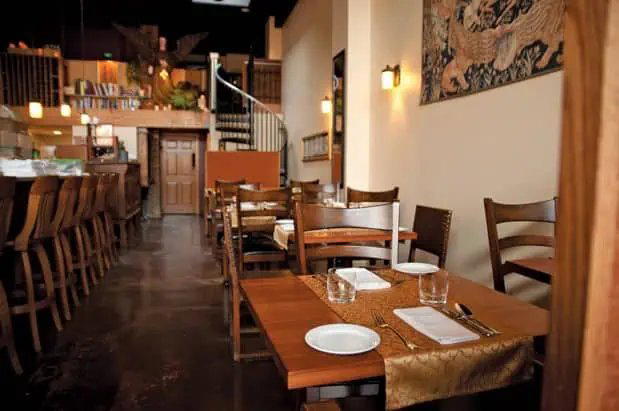
Restaurants in Seattle
Browse all →
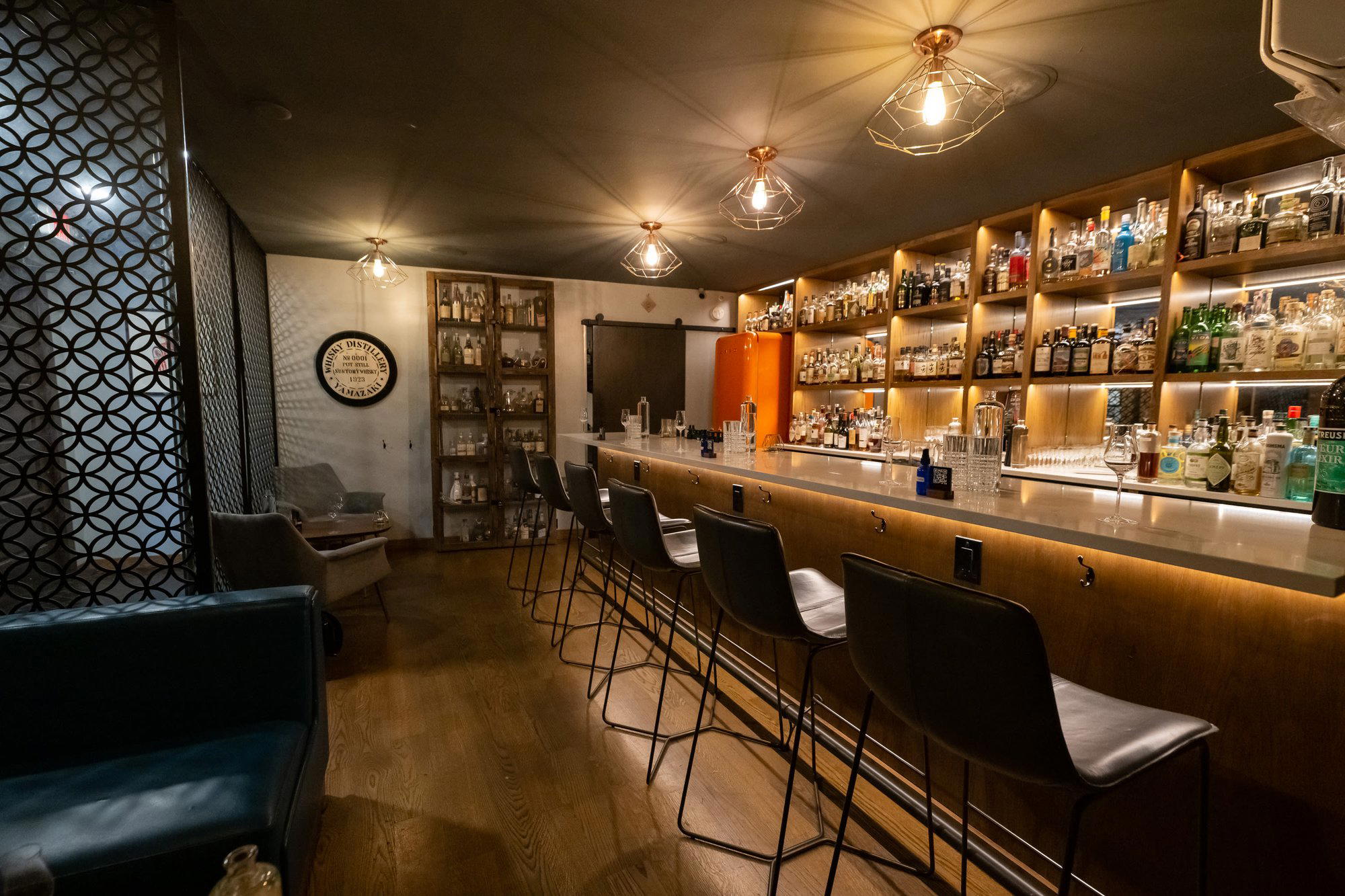
Bars in Seattle
Browse all →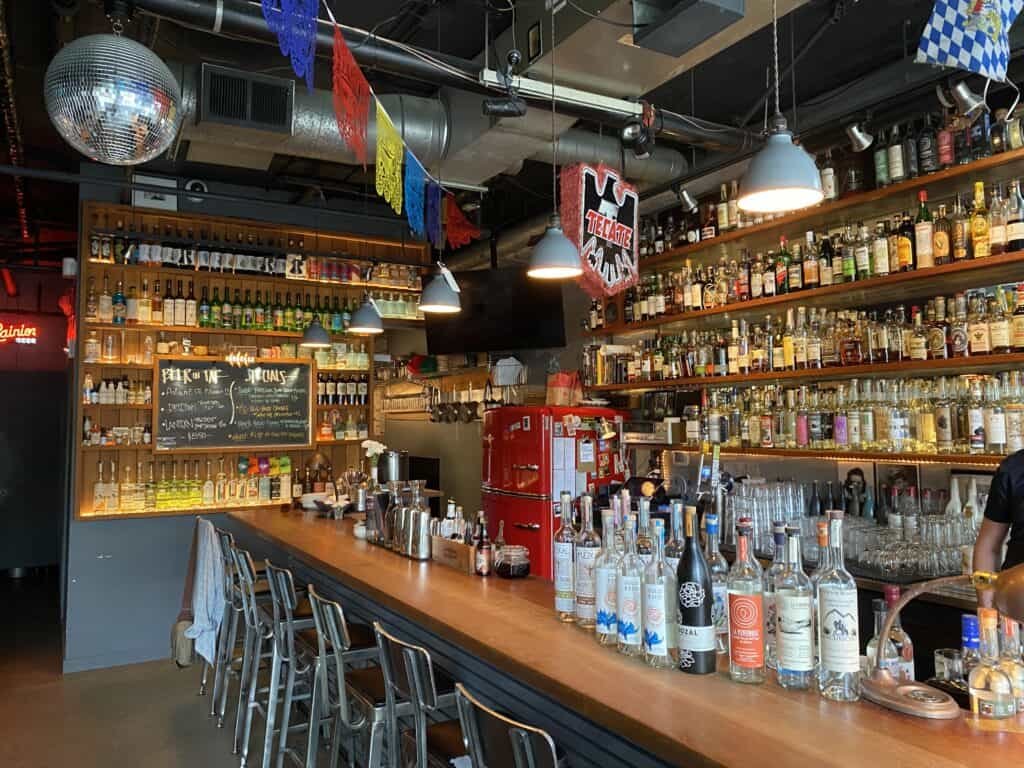
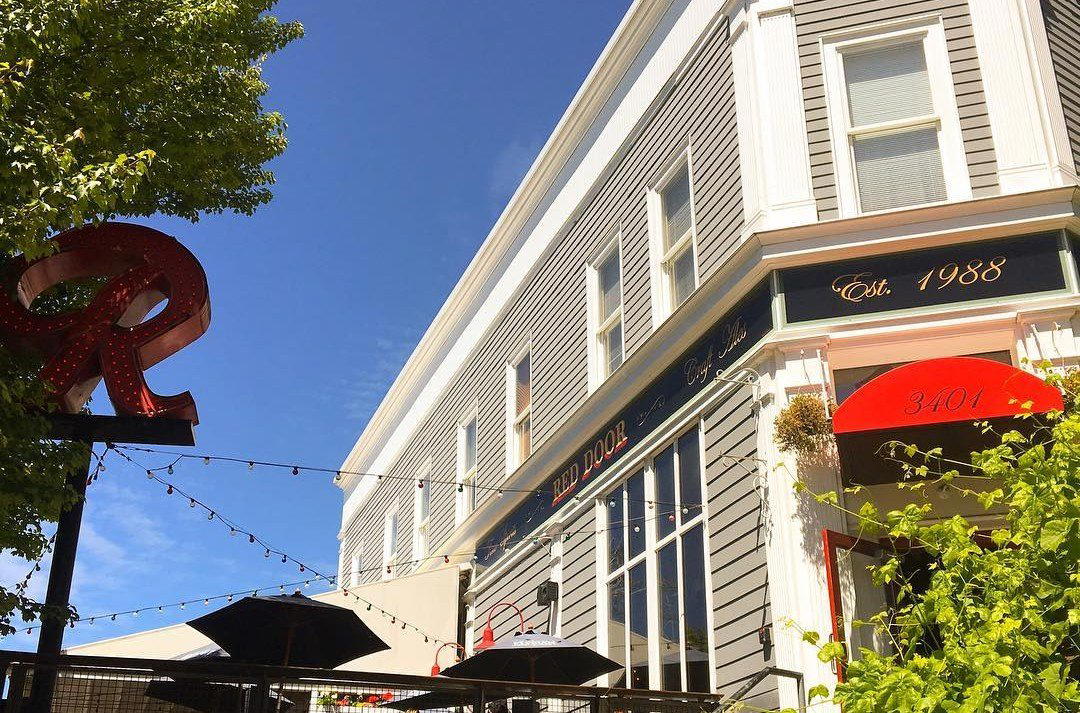
Hotels in Seattle
Browse all →

At a Glance
- Industrial
- Rustic
- Modern
- Date Night
- Group Dining
- Special Occasion
- Private Dining
- Open Kitchen
- Terrace
- Craft Cocktails
- Sustainable Seafood
- Local Sourcing
Current opening hours
- Monday
- 4–10 PM
- Tuesday
- 4–10 PM
- Wednesday
- 4–10 PM
- Thursday
- 4–10 PM
- Friday
- 4–10 PM
- Saturday
- 10 AM–10 PM
- Sunday
- 10 AM–10 PM
Hours can change for holidays and private events. Last verified .
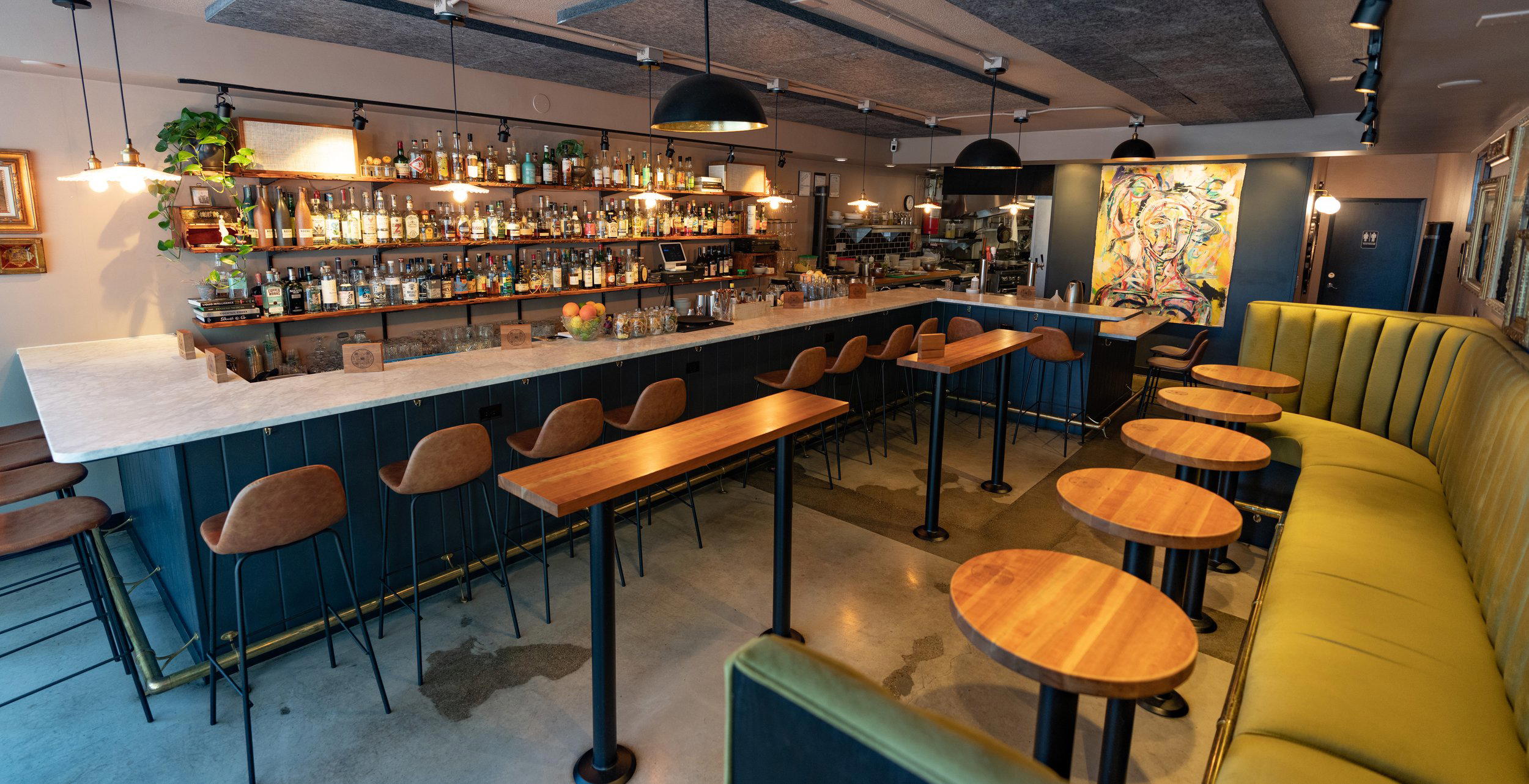
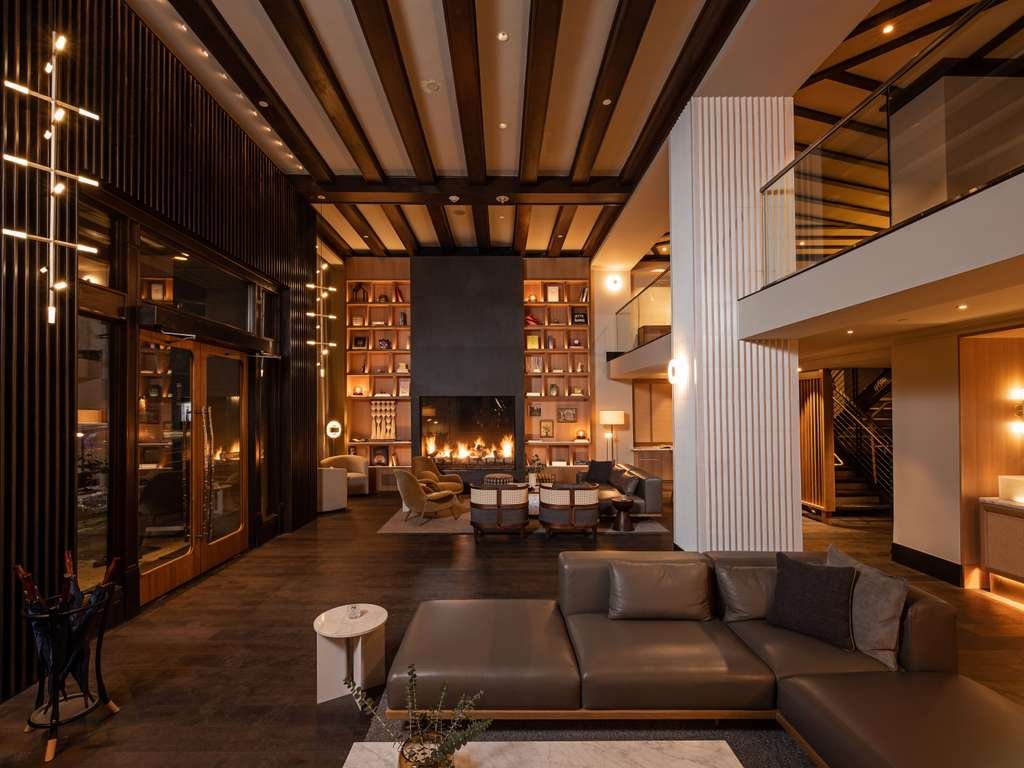
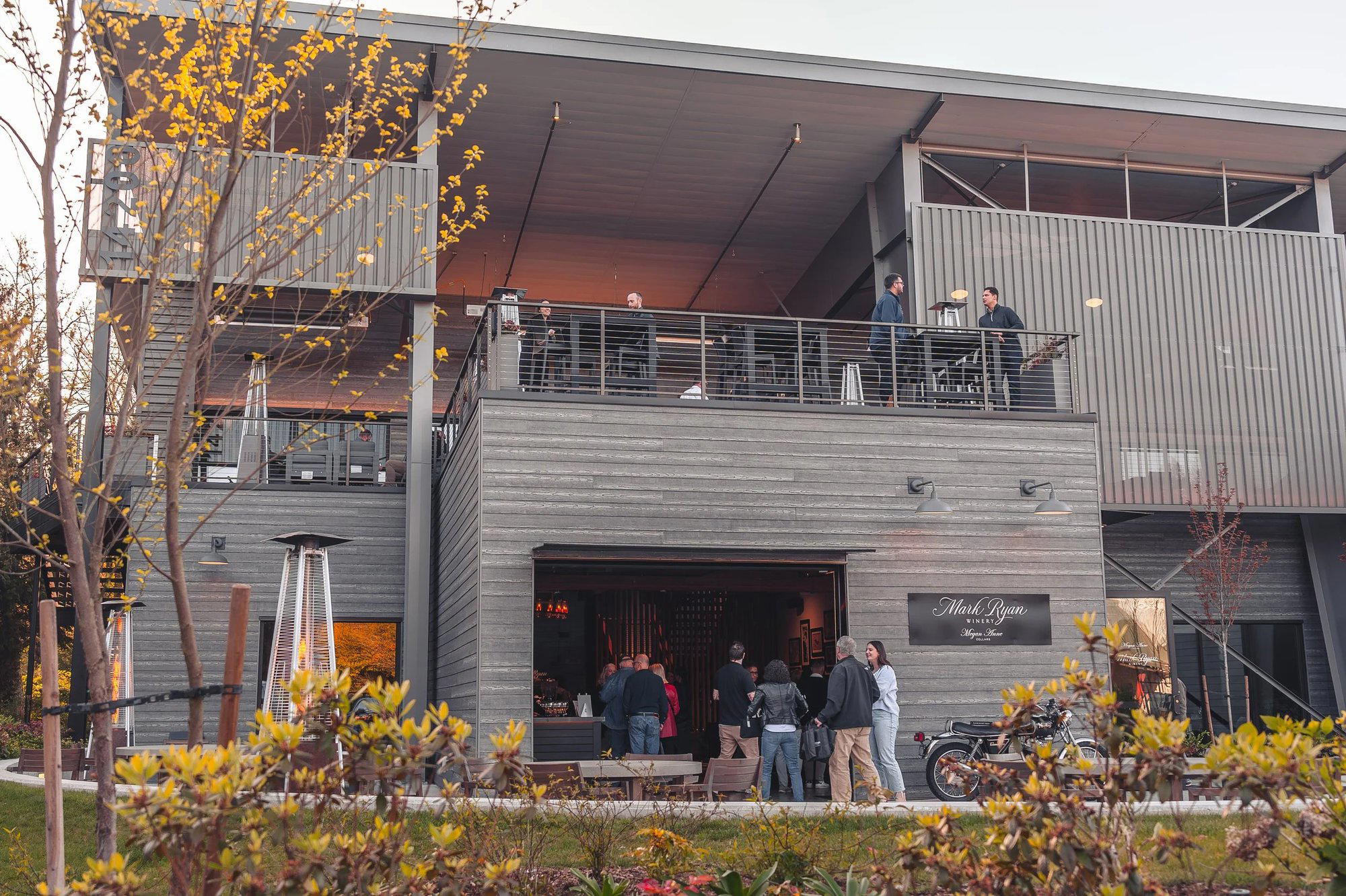
Urban-industrial atmosphere with reclaimed materials, warm lighting, and cozy loft spaces evoking a modern fishing lodge.