AQUA by El Gaucho
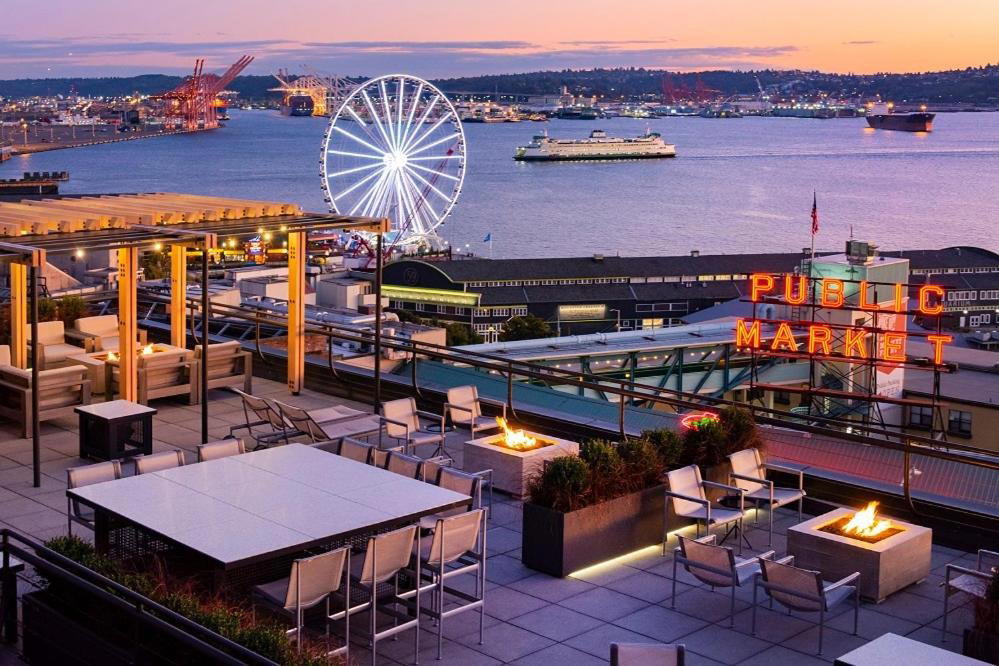
Positioned on Pier 70 with direct views across Elliott Bay, AQUA by El Gaucho represents Seattle's most formally ambitious waterfront dining address. The El Gaucho group's seafood-forward identity meets a room where the water is always visible, making it a natural anchor for anyone mapping the city's upscale dining tier. Expect the production values of a serious steakhouse lineage applied to Pacific Northwest seafood.
Pearl is the En Primeur Club membership app — saves, bookings, and concierge access live there. Same editors, same standards.
- Address
- 2801 Alaskan Wy Pier 70, Seattle, WA 98121
- Phone
- +12069569171
- Website
- aquabyelgaucho.com
- Directions
- Get directions
 Saves & bookings on Pearl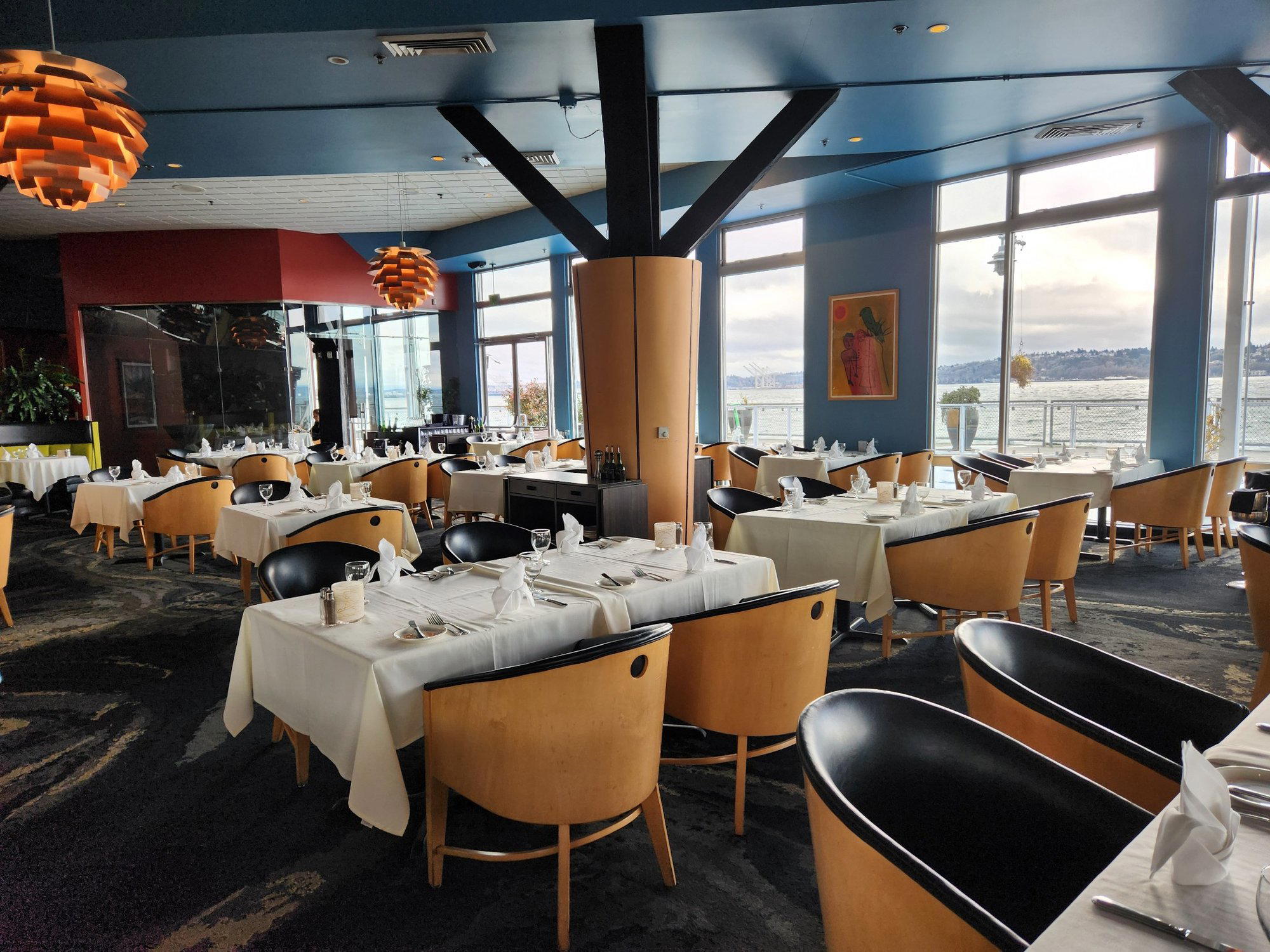
Where Elliott Bay Sets the Terms
Waterfront dining in American cities tends toward one of two modes: casual seafood shacks that trade on salt air and paper napkins, or ambitious rooms that use the water as backdrop for something considerably more serious. Seattle's Pier 70 has long occupied the second category, and AQUA by El Gaucho sits at the formal end of that spectrum. The approach to the restaurant, along the Alaskan Way waterfront, gives you Elliott Bay at scale before you reach the door, ferry wakes, container traffic on the Sound, the Olympic Mountains when the sky allows. Few dining rooms in the Pacific Northwest begin before you've entered them quite so decisively.
El Gaucho's Seattle lineage goes back to the city's post-Boeing boom hospitality era, when the brand's tableside service style and dry-aged beef program set a specific register for what upscale dining in this city looked like. AQUA operates as the group's seafood expression, same production values, the same house commitment to tableside preparation and service formality, but reoriented around the Pacific rather than the feedlot. That repositioning puts it in a particular competitive space: formal enough to sit beside Canlis (New American) in terms of occasion weight, but differentiated by its pier address and its protein focus.
The Wine Program as a Structural Argument
Serious seafood rooms in the United States have developed a recognizable wine logic over the past two decades. At addresses like Le Bernardin in New York City or Providence in Los Angeles, the cellar is built around the idea that fish and shellfish demand more range from white wine than most restaurant programs acknowledge. Burgundy, Alsace, the Loire, Champagne, and Germany's Mosel sit alongside California Chardonnay not as afterthoughts but as the structural core of the list. The red wine section exists, but it exists to support the tableside steak preparations and the guests who won't move from Cabernet regardless of what's on the plate.
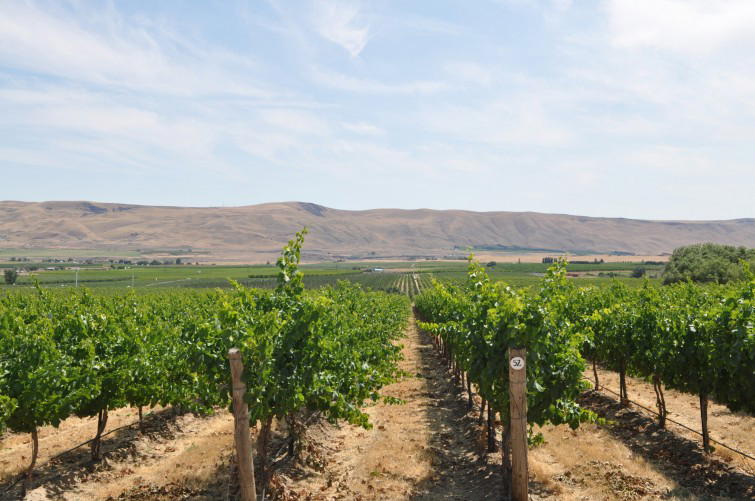
AQUA's position within the El Gaucho group means it inherits a house culture built around wine confidence. The group's flagship steakhouse program has always maintained a list weighted toward Washington State and California reds with serious depth in Napa Cabernet, a natural fit for aged beef. At AQUA, the logic inverts: Pacific Northwest whites, including Washington Riesling and Oregon Pinot Gris, form the more intellectually interesting half of the offering. Washington wine country has been producing Riesling at a quality tier that national press has consistently underreported, and a waterfront room serving Puget Sound shellfish is the natural home for that argument. For guests accustomed to the wine programs at The French Laundry in Napa or Single Thread Farm in Healdsburg, the regional specificity of a well-curated Pacific Northwest list is a genuine point of difference rather than a compromise.
Champagne and domestic sparkling wine play the opening role they should in any room where oysters are a serious menu category. Pairing the first course with something that has both acidity and effervescence is not a revelation, but rooms that execute it well, with a by-the-glass program deep enough to avoid forcing a full bottle purchase, are less common than the principle suggests they should be.
Seafood Formalism on the Pacific Coast
The Pacific Northwest produces an argument for premium seafood that is geographically specific and difficult to replicate: Dungeness crab, wild salmon from Alaskan and Washington fisheries, Pacific halibut, and a shellfish supply from Hood Canal and the Puget Sound that has few equivalents on either coast. The question any serious waterfront restaurant must answer is what it does with that supply beyond simply procuring it. Tableside preparation, the kind the El Gaucho group has practiced since its steakhouse years, is one answer. It extends service theater into the meal itself and gives formal dining rooms a reason to exist that delivery and casual formats cannot replicate.
Regionally, the comparison set for AQUA is instructive. Joule (New Asian) operates in a completely different register, applying Korean-inflected technique to similar regional proteins, while Walrus and Carpenter built its reputation on raw bar informality that occupies a different price and occasion tier entirely. AQUA's formal positioning is less common in Seattle than in cities with longer fine-dining histories, which gives it a specific role: it is where the city's waterfront dining expresses itself at its most produced.
For comparison at the national level, Addison in San Diego and Smyth in Chicago represent the kind of formal American dining that takes local sourcing seriously without letting locavorism become the entire personality of the room. AQUA operates in that same space, regional identity as foundation, not as aesthetic costume.
Occasion Weight and Practical Geometry
Pier 70's address creates a specific logistical reality. The waterfront is not a neighborhood in the conventional sense, it doesn't have the foot traffic or incidental drop-in culture of Capitol Hill or Belltown. Guests plan to be here. That self-selection shapes the room's energy: this is destination dining, with all the preparation and occasion investment that implies. Groups arriving for a business dinner or a significant personal occasion will find a room calibrated to that expectation. Solo diners and couples looking for something more spontaneous will find the Seattle dining landscape offers alternatives at addresses like 1415 1st Ave or 1744 NW Market St with lower friction entry.
The waterfront location also means parking and transit require some forethought. The Seattle waterfront is accessible from downtown on foot, Pier 70 sits roughly at the northern end of the central waterfront corridor, but it is not walking distance from most residential neighborhoods. Rideshare is the practical solution for most visitors; street parking along Alaskan Way exists but competes with event traffic on busy evenings.
For travelers building a broader Seattle itinerary, AQUA fits naturally as the formal anchor of a multi-day dining plan. Pair it with something more casual the following night, the raw bar informality of Walrus and Carpenter, or the soba focus at Kamonegi, and the contrast usefully maps the range of what Seattle's seafood culture actually covers.
Cuisine Context
Comparable venues nearby, for context on price, style, and recognition.
| Venue | Cuisine | Price | Notes |
|---|---|---|---|
| AQUA by El GauchoThis venue — the venue you are viewing | Seafood and Steakhouse | $$$$ | Not listed |
| RockCreek Seafood & Spirits | Modern Global Seafood | $$$ | Fremont |
| Cinder + Salt | Modern Pacific Northwest Coastal Seafood | $$$ | Central Business District |
| Tidal+ | Sustainable Pacific Northwest Seafood | $$$ | Belltown |
| Marin | Modern Coastal Pacific Northwest | $$$ | Central Business District |
| Bateau | Modern whole-animal steakhouse | $$$$ | Capitol Hill |
Continue exploring
More in Seattle
Restaurants in Seattle
Browse all →
Bars in Seattle
Browse all →
Hotels in Seattle
Browse all →

At a Glance
- Elegant
- Sophisticated
- Scenic
- Date Night
- Special Occasion
- Celebration
- Waterfront
- Open Kitchen
- Live Music
- Terrace
- Extensive Wine List
- Waterfront
- Skyline
Current opening hours
- Monday
- Closed
- Tuesday
- 5–9 PM
- Wednesday
- 5–9 PM
- Thursday
- 5–9 PM
- Friday
- 5–9 PM
- Saturday
- 4–9 PM
- Sunday
- Closed
Hours can change for holidays and private events. Last verified .
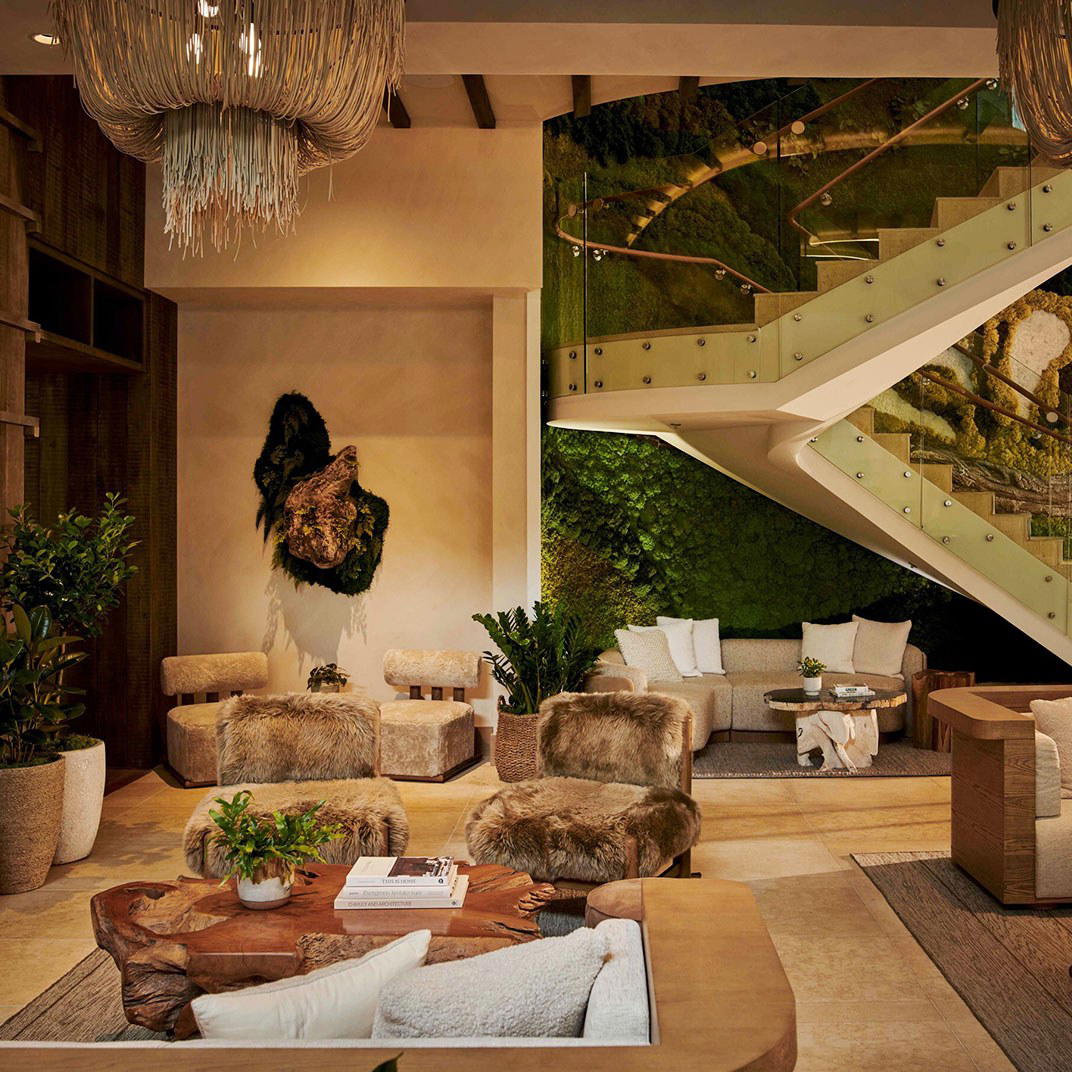
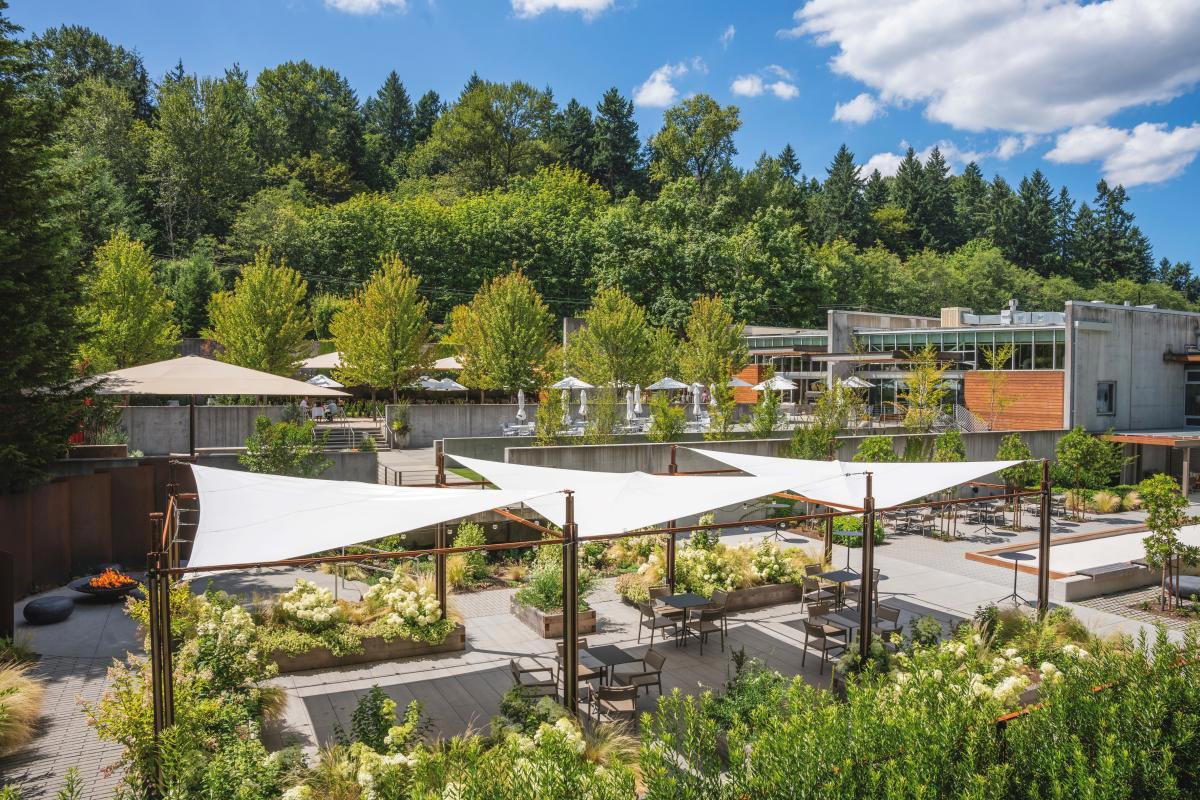
Light, open, and airy dining room decorated in ocean-themed blues and greens with walls of glass showcasing dramatic waterfront views and a lively lounge featuring an 85 ft. lighted wave bar.