West Side Bazaar
West Side Bazaar operates at the intersection of Buffalo's refugee resettlement history and its current food scene. Located at 1432 Niagara St, the market-style space houses multiple vendors representing distinct culinary traditions, making it one of the more structurally unusual dining destinations in western New York. It sits well outside the fine-dining tier and functions as both a community institution and an entry point into cuisines rarely found elsewhere in the city.
Pearl is the En Primeur Club membership app — saves, bookings, and concierge access live there. Same editors, same standards.
- Address
- 1432 Niagara St, Buffalo, NY 14213
- Phone
- +1 716 464 6389
- Website
- westsidebazaar.com
- Directions
- Get directions
 Saves & bookings on Pearl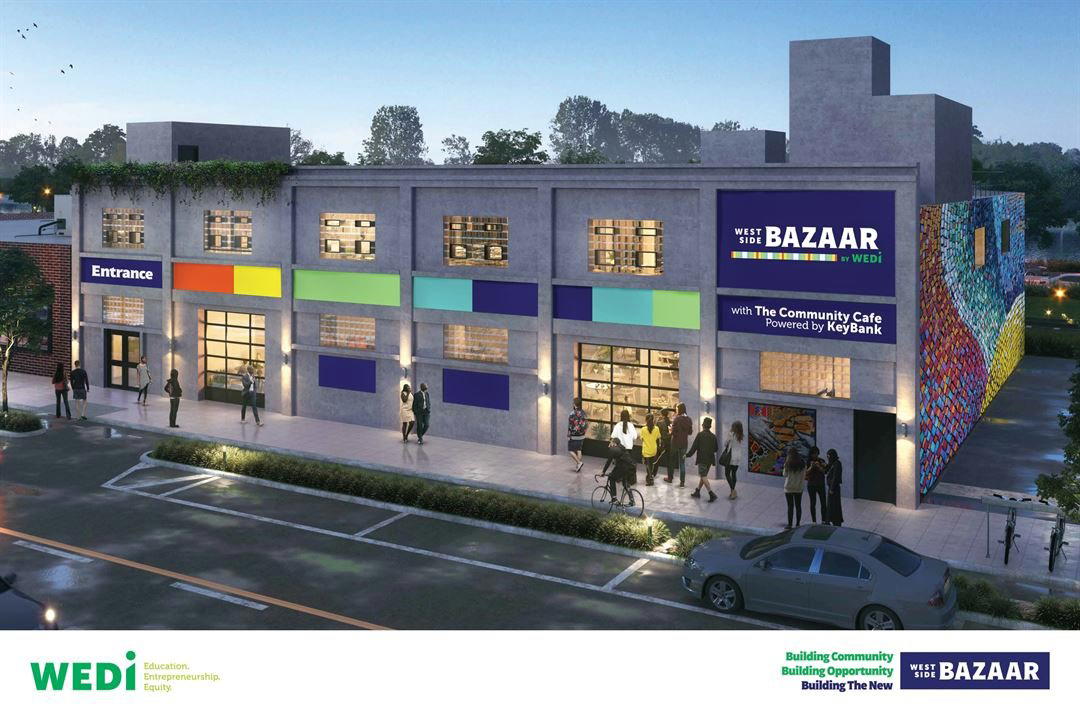
Where Buffalo's West Side Eats Its Way Forward
Buffalo's West Side has never been a neighborhood that needed a destination restaurant to justify its culinary identity. For decades, the stretch of Niagara Street around the 1400s block has functioned as among the more concentrated corridors of immigrant food culture in western New York, shaped by successive waves of resettlement that brought Burmese, Somali, Nepali, Karen, and other communities into a post-industrial city still figuring out what its second act might look like. It grew directly out of that demographic and economic reality, not as a concept imported from elsewhere, but as an institution shaped by the neighborhood itself.
The format is a food hall in the broadest sense, but that framing undersells the specificity of what happens inside. Multi-vendor market spaces have proliferated across American cities in the past decade, typically as real estate plays anchored by local celebrity chefs or rotating pop-up concepts. West Side Bazaar operates on a different logic: it was designed as an incubator for refugee and immigrant entrepreneurs who lacked the capital or credit history to open standalone restaurants. That structural difference shapes the atmosphere as much as the food. The vendors are not chefs performing for a food-hall demographic; they are operators running businesses that represent, in most cases, their primary livelihood and their family's culinary tradition.
How the Space Has Changed Over Time
Its evolution tracks closely with the changing composition of Buffalo's refugee population and the shifting economics of the West Side more broadly. Early iterations of the space were more modest in scope, with fewer vendor stalls and a format closer to a weekend market than a daily destination. Over time, as the vendor community stabilized and the neighborhood began attracting broader attention, the Bazaar expanded both its physical footprint and its operational ambition.
The Bazaar's longevity on Niagara Street reflects a model that tied vendor success to shared infrastructure, commercial kitchens, front-of-house support, business development resources, rather than leaving entrepreneurs to absorb those fixed costs alone. The result is a space that has changed incrementally rather than reinventing itself through dramatic pivots, which is, in the context of community-anchored food halls, a sign of structural health rather than stagnation.
Spots like Betty's and Amy's Place have held their ground as neighborhood anchors on the Elmwood corridor, while newer additions like 42N at The Flats have pushed into more format-driven territory. Against that context, the Bazaar occupies a distinct position: it is neither a neighborhood bistro nor a destination tasting room, but a functioning market ecosystem that has grown more confident in its identity over time.
The Food, Across Traditions
The culinary range inside West Side Bazaar at any given time depends on which vendors are currently operating, and that roster has shifted as businesses have graduated to their own storefronts or new entrepreneurs have joined. What has remained consistent is the breadth of representation: dishes from Southeast Asia, East Africa, and South Asia appear alongside one another not as a curated global tour but as the natural output of a vendor community drawn from those regions.
That distinction matters. In food halls conceived as concepts, dishes are often adapted toward a median palate. At West Side Bazaar, the adaptation pressure runs in a different direction, vendors are serving their own communities as much as curious outsiders, which tends to produce food that reads as more direct and less compromised. A Burmese tea leaf salad here is not a gateway dish engineered for accessibility; it is the version that the vendor's regulars return for.
Lazy Bear in San Francisco, Smyth in Chicago, or Le Bernardin in New York City. It is not competing in that register. The more instructive comparisons are to community-rooted market models in mid-sized American cities, spaces where the food's value is inseparable from its social function. For reference points further up the ambition scale, Blue Hill at Stone Barns and Single Thread Farm in Healdsburg have built different but comparably mission-driven frameworks around food as community practice, even if the price points and formats bear no resemblance.
Atmosphere and Setting
The physical environment at 1432 Niagara St is utilitarian rather than designed. There is no mood lighting calibrated for Instagram, no reclaimed-wood aesthetic deployed to signal craft. The space functions, and that functional quality, the actual sounds and movement of a working market, is part of what makes it feel different from food halls that have been produced as experiences rather than grown as institutions. You are in a building where people are cooking food they know how to cook, for people who know what it is supposed to taste like.
The West Side neighborhood itself provides context that no interior design choice could replicate. Niagara Street at this stretch is a working-class commercial corridor, not a gentrified dining district. The Bazaar does not sit at an ironic remove from that context; it is embedded in it, which gives the whole operation a credibility that purpose-built food halls frequently lack.
Planning a Visit
The restaurant is open Tuesday through Saturday from 11 AM to 8 PM and is closed Monday and Sunday. The address, 1432 Niagara St, Buffalo, NY 14213, places it on the West Side, accessible by car and reasonably proximate to the broader Elmwood Village area that anchors much of Buffalo's independent restaurant activity. Those building a longer Buffalo dining itinerary might also consider Billy Club or Anchor Bar for contrast across the city's range, and EP Club's full Buffalo restaurants guide covers the broader scene in detail. The French Laundry in Napa, Addison in San Diego, Providence in Los Angeles, Emeril's in New Orleans, The Inn at Little Washington, Atomix in New York City, and Atelier Moessmer Norbert Niederkofler in Brunico represent the upper bracket of the format, a useful reference point for understanding where community-anchored spaces sit on the broader spectrum of American and international dining.
Accolades, Compared
Comparable venues nearby, for context on price, style, and recognition.
| Venue | Cuisine | Price | Notes |
|---|---|---|---|
| West Side BazaarThis venue — the venue you are viewing | Global Food Hall | $$ | Not listed |
| Southern Junction | Texan-Indian BBQ Fusion | $$ | West Side |
| Buffalo RiverWorks | American Gastropub | $$ | Central |
| Dobutsu | Pacific Seafood Fusion | $$ | Ellicott |
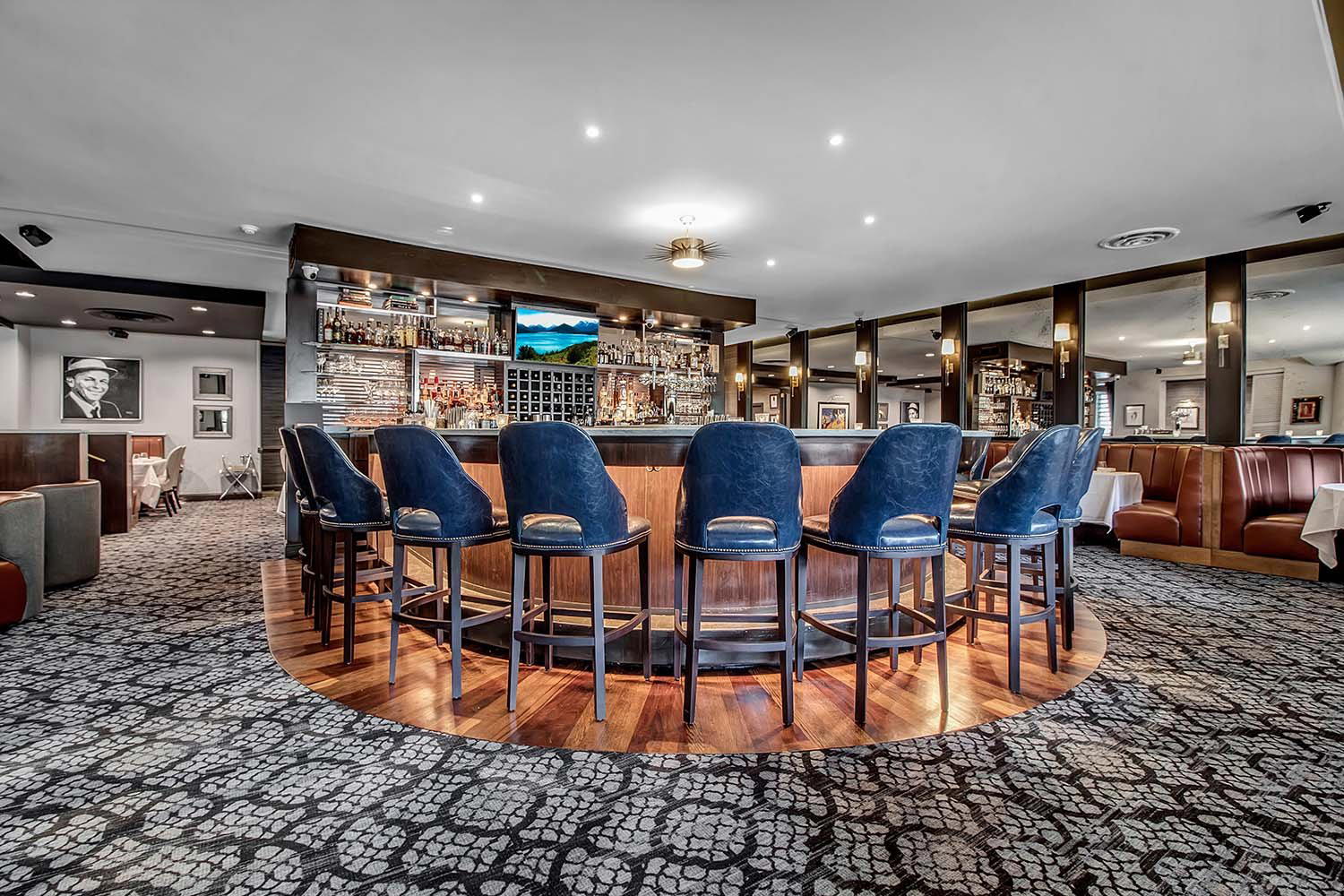
| The Black Sheep Restaurant & Bar | Farm-to-Table American Gastropub | $$$ | West Side |
Continue exploring
More in Buffalo
Restaurants in Buffalo
Browse all →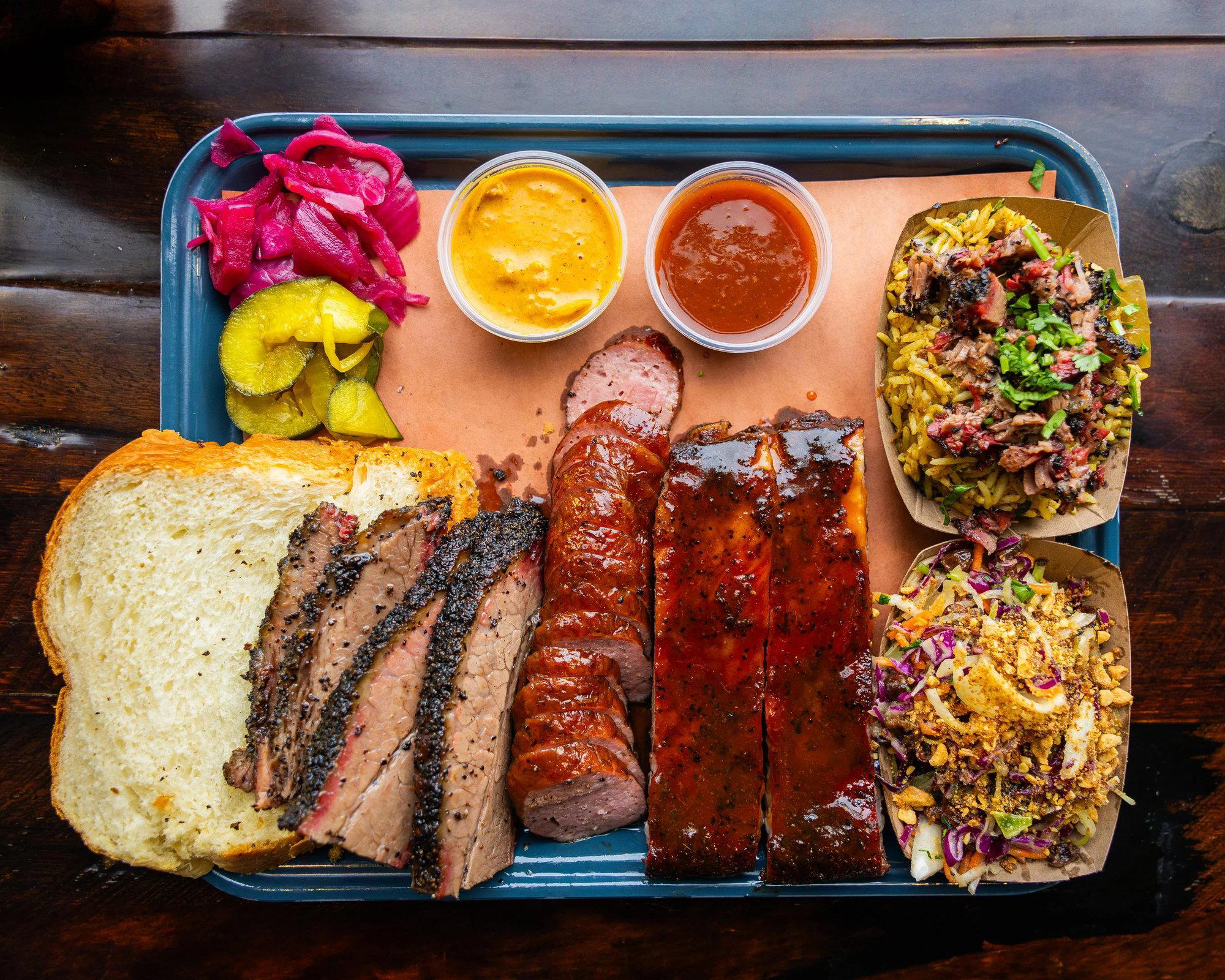
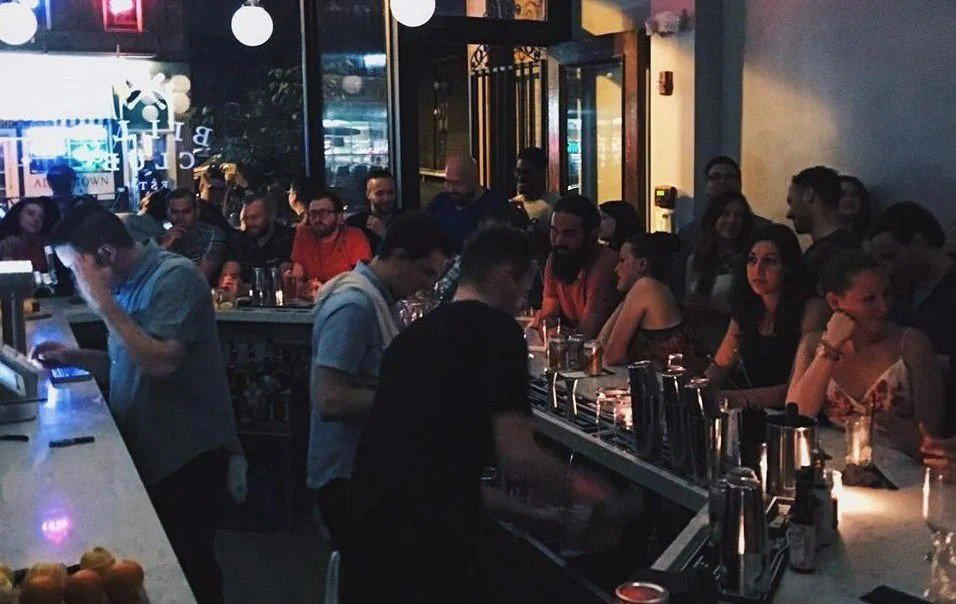
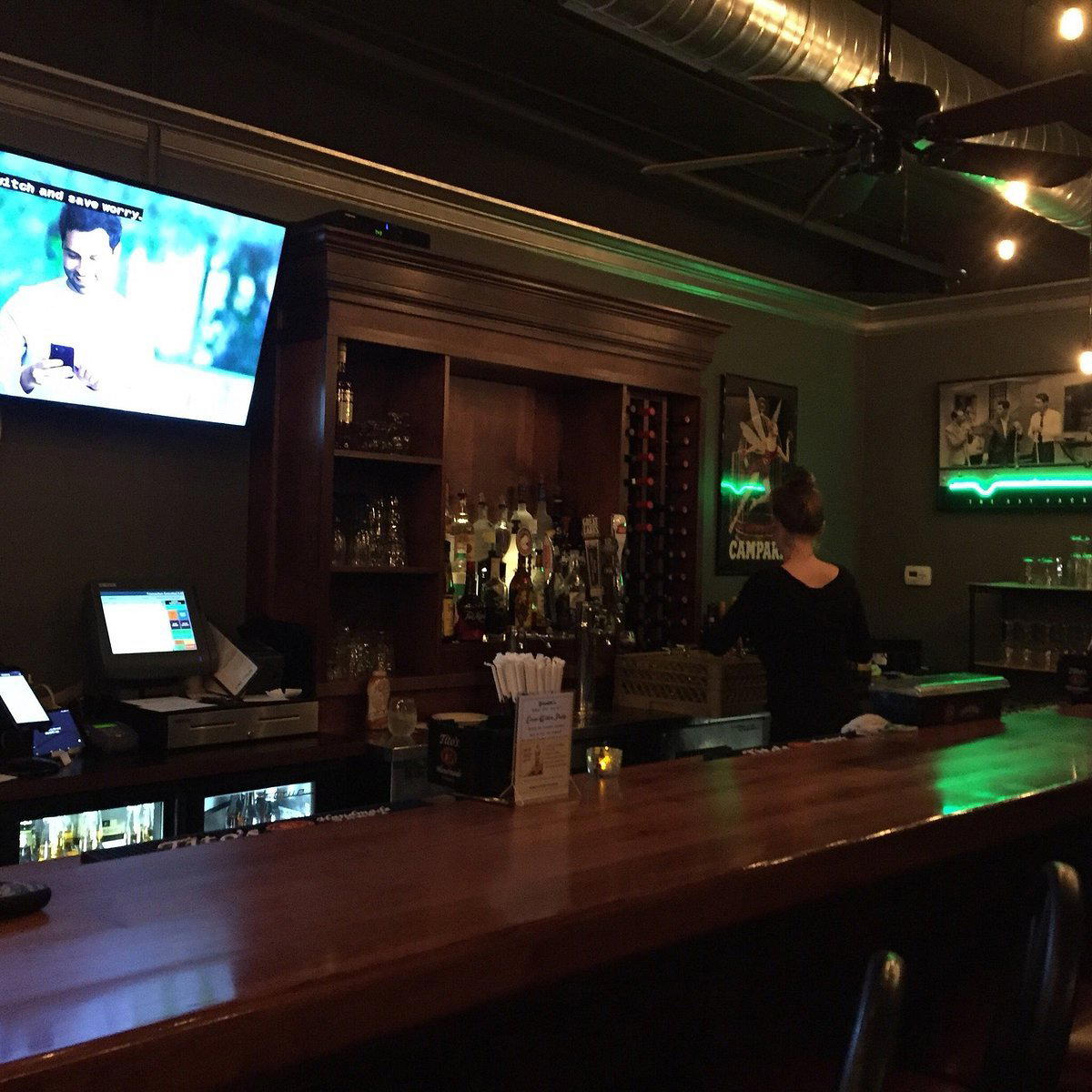
Bars in Buffalo
Browse all →
Hotels in Buffalo
Browse all →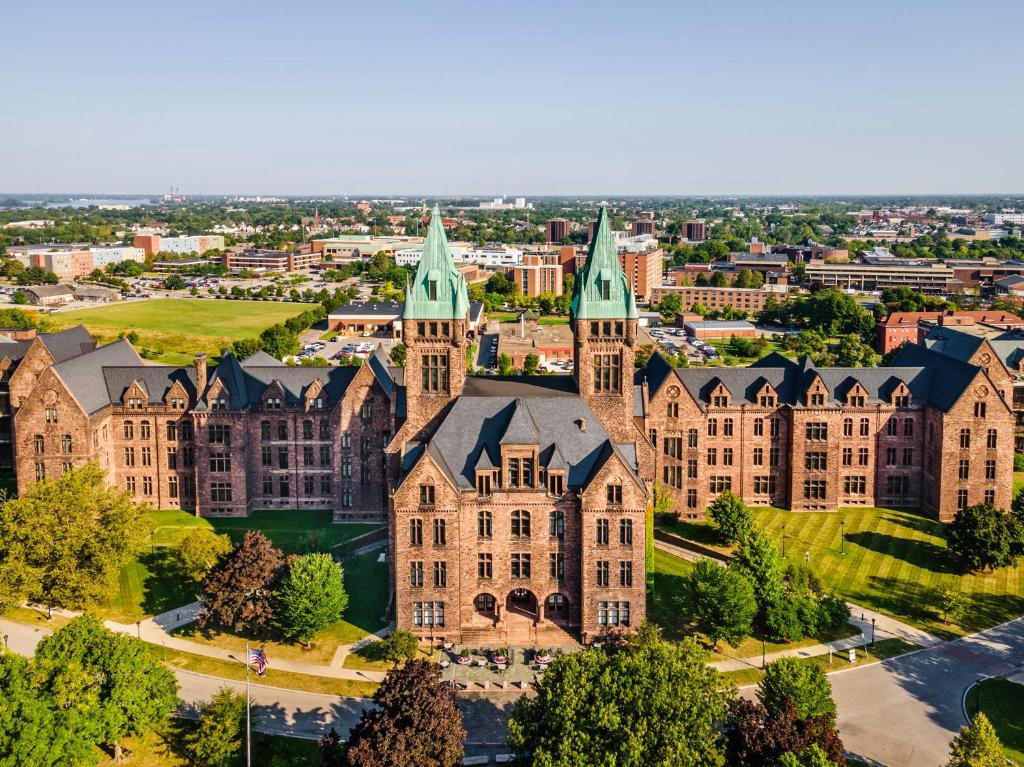
Wineries in Buffalo
Browse all →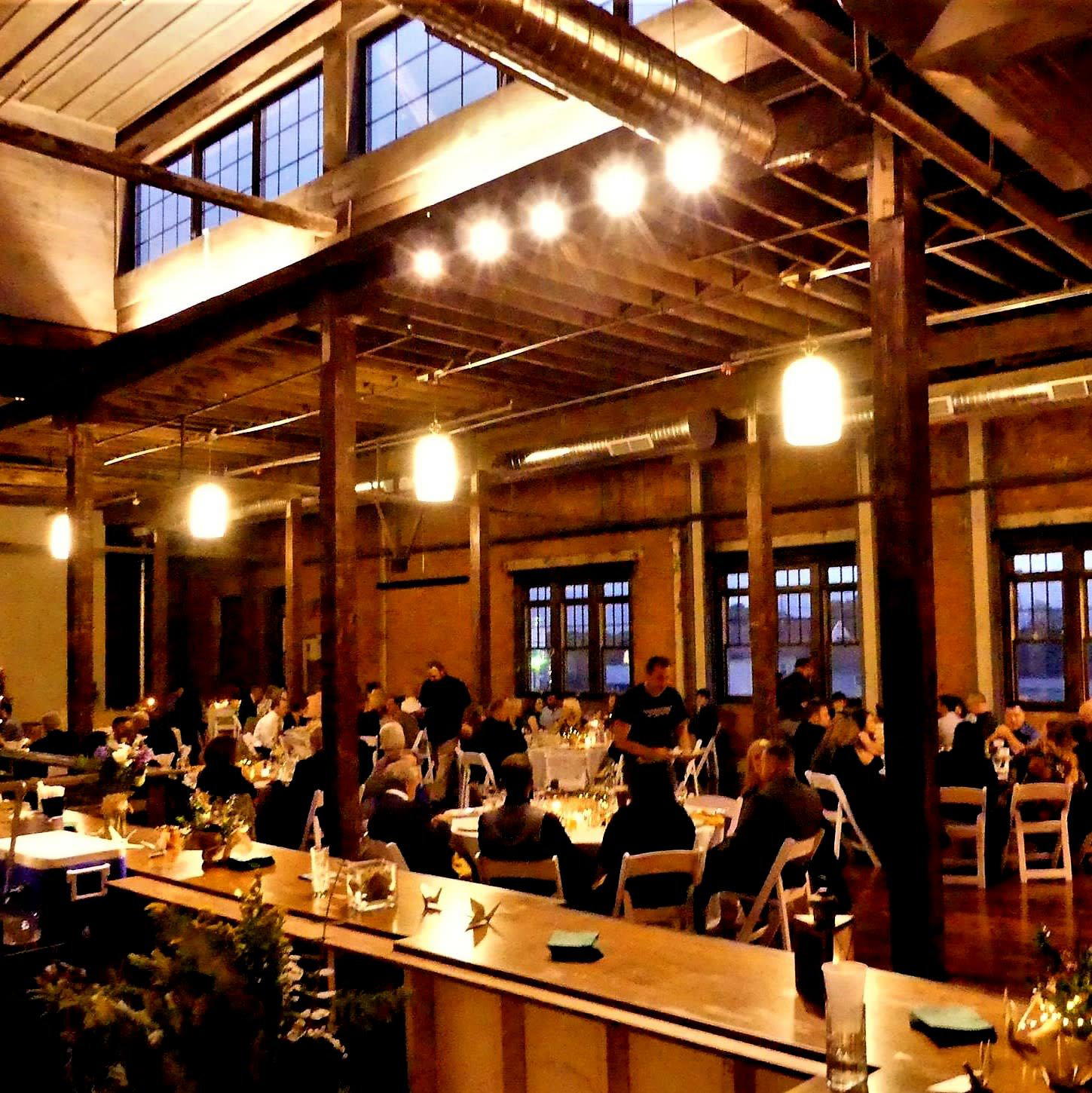
At a Glance
- Lively
- Trendy
- Energetic
- Casual Hangout
- Family
- Group Dining
- Open Kitchen
- Beer Program
Current opening hours
- Monday
- Closed
- Tuesday
- 11 AM–8 PM
- Wednesday
- 11 AM–8 PM
- Thursday
- 11 AM–8 PM
- Friday
- 11 AM–8 PM
- Saturday
- 11 AM–8 PM
- Sunday
- Closed
Hours can change for holidays and private events. Last verified .
Casual, bustling marketplace atmosphere with diverse food stalls and lively multicultural energy.