Dobutsu
Our verdict
Dobutsu occupies a distinctive address inside Buffalo's Seneca Street corridor, bringing a focused culinary program to a city whose dining identity has shifted considerably over the past decade. The venue sits within the broader emergence of serious, destination-worthy restaurants in upstate New York, drawing visitors who track where regional American dining is moving next.
- Address
- 500 Seneca St #119, Buffalo, NY 14204
- Phone
- (716) 322-6004
- Directions
- Get directions
The menu
What to order
- Hawaiian poke bowls
- Caribbean jerk snapper
- Omakase
Seneca Street and the Shift in Buffalo's Dining Ambitions
Buffalo's restaurant identity has long been defined by its most exported product — the chicken wing, born at Anchor Bar on Main Street in 1964 and since replicated across the country in forms that bear little resemblance to the original. That origin story is real culinary history, but it also cast a long shadow over what the city's food scene could become. The past decade has seen that shadow lift, slowly and unevenly, as a cluster of serious independent operators chose Buffalo's low overhead and tight-knit neighborhood structure as the conditions under which to run more considered programs. Dobutsu, at 500 Seneca St #119, sits inside that shift.
The Seneca Street address places Dobutsu within a corridor that has attracted a range of independent venues over recent years, from neighborhood staples to more technically ambitious kitchens. Buffalo's dining geography tends to cluster: Elmwood Avenue carries its own dense strip of cafes and casual spots, including long-running neighborhood fixtures like Amy's Place and Betty's. The Seneca corridor operates differently — less foot-traffic-dependent, more destination-driven, which rewards venues that give people a specific reason to seek them out rather than relying on passing custom.
A City Finding Its Register
To understand where Dobutsu fits in Buffalo's current moment, it helps to understand what that moment actually is. The city is not trying to replicate New York or Chicago, the economics and population density make that category mismatch obvious. What Buffalo does have is a restaurant culture that has begun to value specificity: specific technique, specific sourcing, specific cultural reference points executed with enough seriousness to make the address matter. Venues like Billy Club represent one end of that range, and Dobutsu occupies a different register within the same broader movement toward intentionality.
That intentionality matters most when the culinary tradition being referenced has genuine depth. Japanese and Japanese-influenced cooking, which the name Dobutsu gestures toward, carries one of the more demanding craft traditions in contemporary dining globally. The vocabulary of that cuisine, precision temperature control, ingredient sequencing, the relationship between vessel and content, has been refined over generations and codified into formats that serious kitchens reference carefully. When a mid-sized American city like Buffalo produces a venue that commits to that register, it represents something worth attention from anyone tracking where regional American dining is actually developing, rather than where it is assumed to be.
Cultural Roots and What They Demand
Japanese culinary tradition, in its most disciplined forms, is not primarily about exoticism, it is about restraint used as a form of respect for ingredients. The kaiseki structure, the omakase format, the attention to seasonal progression: these are not aesthetic choices so much as ethical ones, embedded in a philosophy that places the ingredient above the technique and the technique above the performance. Across American cities, the venues that have most credibly engaged with this tradition have tended to do so through long training pipelines and booking structures that enforce a slower, more deliberate dining pace.
At the highest tier of that conversation nationally, venues like Atomix in New York City have demonstrated how Korean fine dining, a related but distinct tradition, can carry that same discipline into a Western metropolitan context and earn sustained critical recognition.
What distinguishes the regional context for a venue like Dobutsu is that it operates without the support infrastructure those coastal markets provide: no dense population of trained cooks cycling through a competitive kitchen ecosystem, no established critic network providing the feedback loop that sharpens programs, no existing customer base pre-educated in format conventions. That makes the task harder and the commitment, where it exists, more legible.
Where Dobutsu Sits in the Broader Picture
Nationally, the conversation about where serious dining happens has expanded considerably. The assumption that meaningful restaurant culture requires a New York or San Francisco address has been contradicted repeatedly by the evidence, Smyth in Chicago, Addison in San Diego, Lazy Bear in San Francisco, and Blue Hill at Stone Barns in Tarrytown each built nationally recognized programs in markets that required them to define their own terms rather than fit into an existing hierarchy. The parallel in European fine dining is visible in venues like Atelier Moessmer Norbert Niederkofler in Brunico, which built a serious critical reputation in a small Alpine city by committing to hyperlocal sourcing with enough discipline to make the remoteness irrelevant.
Buffalo is not a small Alpine city, but it shares the structural condition of operating outside the assumed centers. Venues willing to commit to a specific, demanding culinary tradition in that context, rather than defaulting to the accessible middle ground that keeps covers turning, deserve to be tracked. Within the city, that tracking starts with the full Buffalo restaurants guide, which maps the broader range of serious options across neighborhoods and price points. For the Seneca corridor specifically, Dobutsu represents a particular kind of bet: that the discipline required to do something culturally specific well will find its audience in a city that is increasingly ready to be a serious dining destination rather than simply a regional one.
For context on what the highest tier of technically ambitious American dining currently looks like, the reference points are well established: Le Bernardin in New York City set the standard for seafood precision over decades, The French Laundry in Napa defined what American fine dining could aspire to structurally, and Emeril's in New Orleans demonstrated how a strong regional identity could coexist with technical ambition. The Inn at Little Washington showed that a non-metropolitan address is no barrier to sustained critical recognition. Dobutsu operates well below that tier in terms of national visibility, but the cultural tradition it draws from belongs to the same serious conversation.
For visitors arriving from outside the city, the broader Seneca Street area and its surrounding neighborhoods offer enough in the way of complementary venues, 42N at The Flats among them, to build a full evening or weekend itinerary without stretching to other parts of the city.
Planning a Visit
Dobutsu is located at 500 Seneca St #119, Buffalo, NY 14204, within a mixed-use development on the Seneca corridor. The Seneca Street location is accessible by car with parking available in the surrounding area; the address sits within reasonable distance of downtown Buffalo for visitors already in the city center.
Frequently asked questions
What's Dobutsu's location?
Dobutsu is located at 500 Seneca St #119, Buffalo, NY 14204, Buffalo.
How does Dobutsu compare to other Japanese restaurants in Buffalo, NY?
Buffalo's Japanese dining options have largely skewed toward accessible formats — ramen, casual sushi, and izakaya-adjacent menus aimed at a broad audience. Dobutsu, situated at 500 Seneca St in a mixed-use Seneca corridor development, represents a different orientation: one grounded in the more disciplined conventions of Japanese culinary tradition rather than its most exported, crowd-friendly expressions. That distinction is what separates it from the majority of the city's Japanese restaurant offerings.
What's the best thing to order at Dobutsu?
Japanese culinary tradition at its more disciplined end tends to organize around seasonal availability and the chef's judgment rather than a fixed list of crowd-pleasers. At restaurants operating in that register, in Buffalo or elsewhere, the approach is usually to follow the kitchen's lead rather than anchor to a single dish.
Can I walk in to Dobutsu?
Walk-in policy at Dobutsu's Seneca Street location has not been publicly confirmed. Buffalo's more technique-driven restaurants increasingly operate on reservations, particularly those drawing from Japanese culinary formats where counter seats or timed sittings are the norm. Contacting the venue directly before arrival is the practical move.
What makes Dobutsu worth seeking out?
The case rests largely on context: Buffalo's dining scene has historically underrepresented the more restrained, technique-oriented side of Japanese cuisine, and Dobutsu sits in that gap. Its address at 500 Seneca St places it inside a corridor that has drawn several of the city's more serious recent openings, which matters for understanding the kind of audience and ambition the restaurant is working within.
Price Lens
| Venue | Cuisine | Price | Awards |
|---|---|---|---|
| DobutsuThis venue — the venue you are viewing | Pacific Seafood Fusion | Not listed | Not listed |
| Anchor Bar | Classic American Buffalo Wings | $20–30 | James Beard Award America's Classics |
| Oliver's Restaurant | Modern American Fine Dining | $100–150 | Wine Spectator Best of Award of Excellence |
| CRaVing Restaurant | Farm-to-Table American | Not listed | Not listed |
| Betty's | Eclectic American with International Influences | $20–30 | Not listed |
Continue exploring
More in Buffalo
Restaurants in Buffalo
Browse all →
Bars in Buffalo
Browse all →
Hotels in Buffalo
Browse all →

Details
- Casual
- Modern
- Minimalist
- Date Night
- Casual Hangout
- Special Occasion
- Open Kitchen
- Craft Cocktails
- Sake Program
- A La Carte
- Omakase
- Small Plates
- Cocktails
- Local Beers
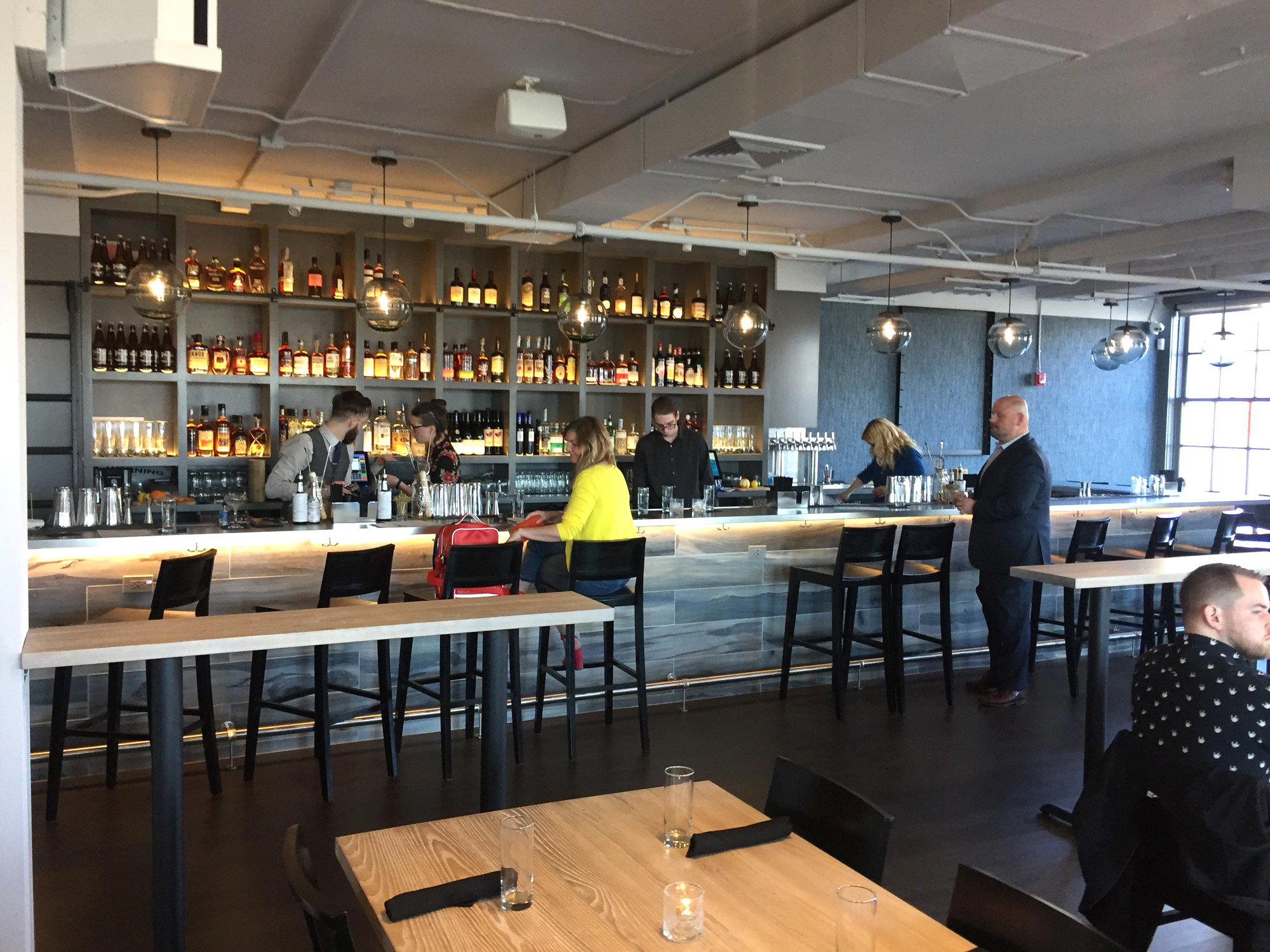
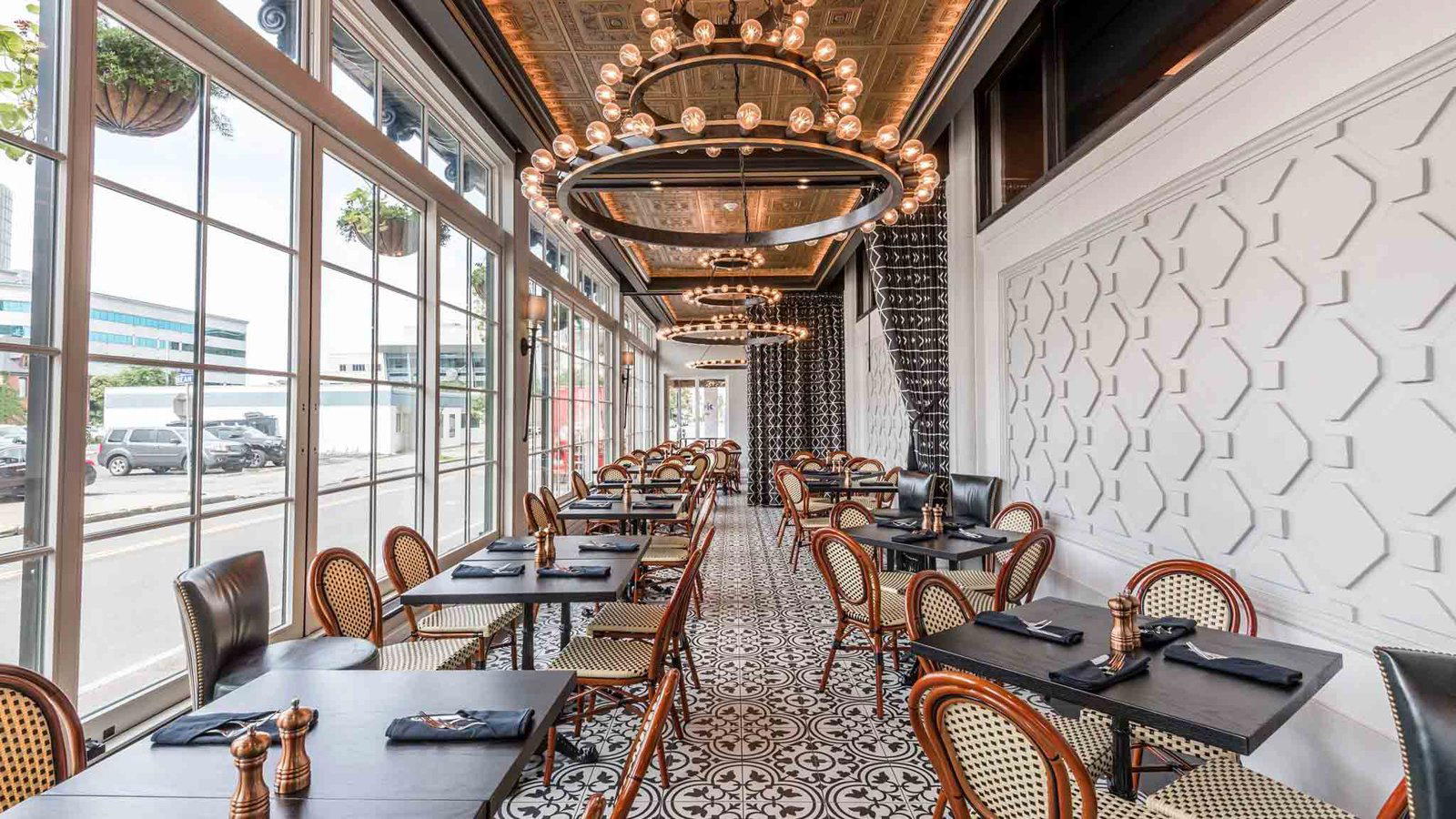
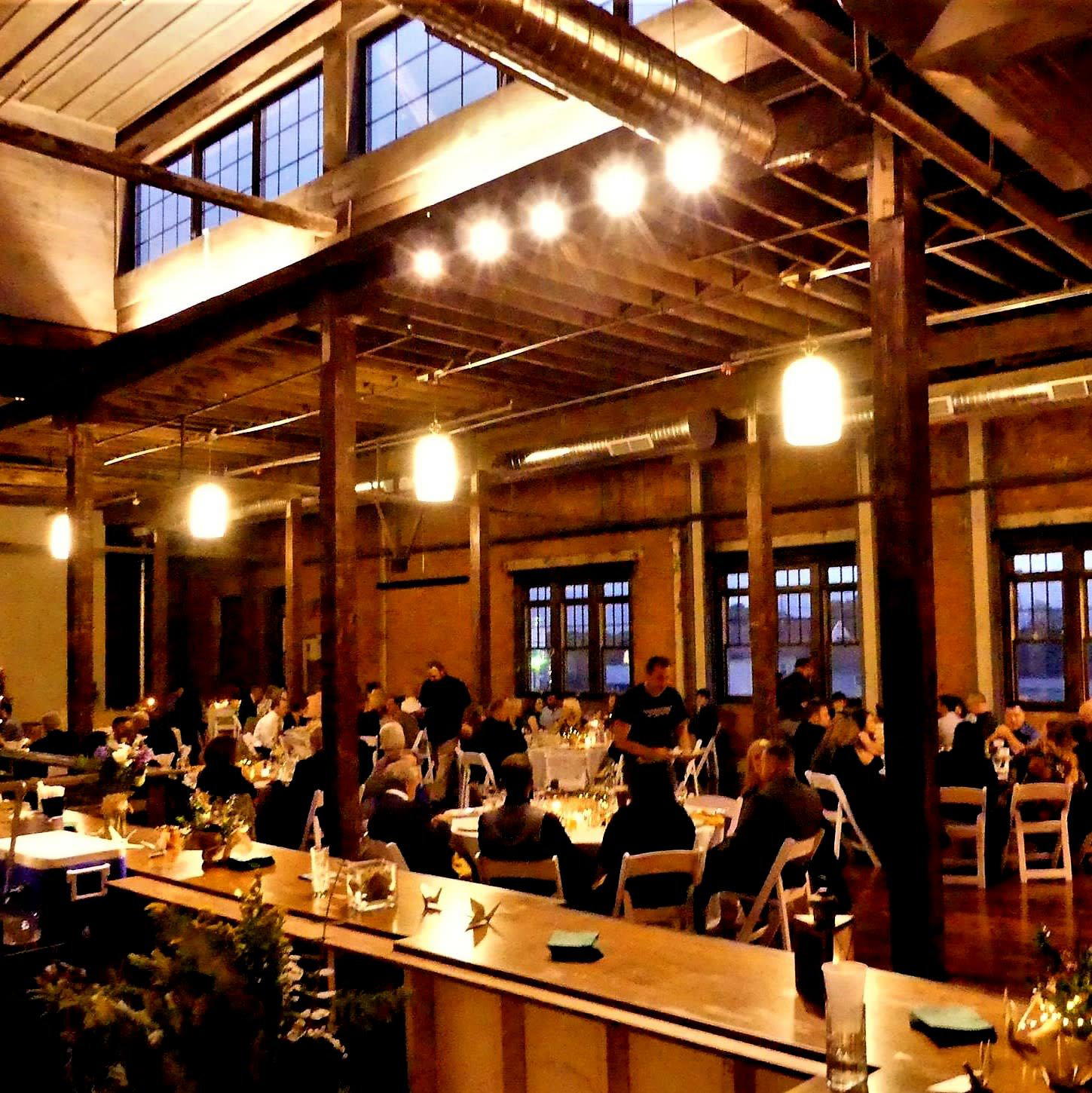
Minimalist contemporary atmosphere with casual vibe.